

Learn about an animal. Then go and meet it.
Creature Atlas is an illustrated encyclopedia of the animal kingdom — and a directory of the zoos and aquariums where you can see those animals for real. We think the two belong together.
Live counts, straight from our database. We hide any number that's zero rather than invent one.
Curiosity shouldn't end at the last paragraph
Most wildlife sites are happy to tell you what a red panda eats and leave it there. But if reading about an animal makes you want to see one, the internet suddenly gets unhelpful — you're off to a search engine, a dozen tabs, and a zoo website that may not have been updated in years.
So Creature Atlas does both halves. On one side, an encyclopedia: classification, habitat, diet, lifespan, conservation status, cited and structured. On the other, a directory of the world's zoos, safari parks and aquariums — and, crucially, a link between them. Read about the animal, then find out exactly where you can go and stand in front of one.
It's free, it's growing, and it's built to be trusted more than it's built to be big.
An encyclopedia and a field guide to visiting
Two halves of the same question: what is this animal, and where can I see it?
The encyclopedia
1,691 species profiles, each with taxonomy, habitat, diet, lifespan and IUCN conservation status — plus comparisons, rankings and a range map.
The zoo & aquarium directory
3,845 zoos, safari parks and aquariums across 43 countries — with opening hours, addresses, directions, and the species you can actually see at each one.
We know which zoos keep which animals
Encyclopedias have species. Travel sites have venues. Almost nobody joins the two — so “which zoos have red pandas?” is a surprisingly hard question to answer.
Because we hold both, you can search either direction: open a species profile and see where to go, or open a zoo and see what's inside.
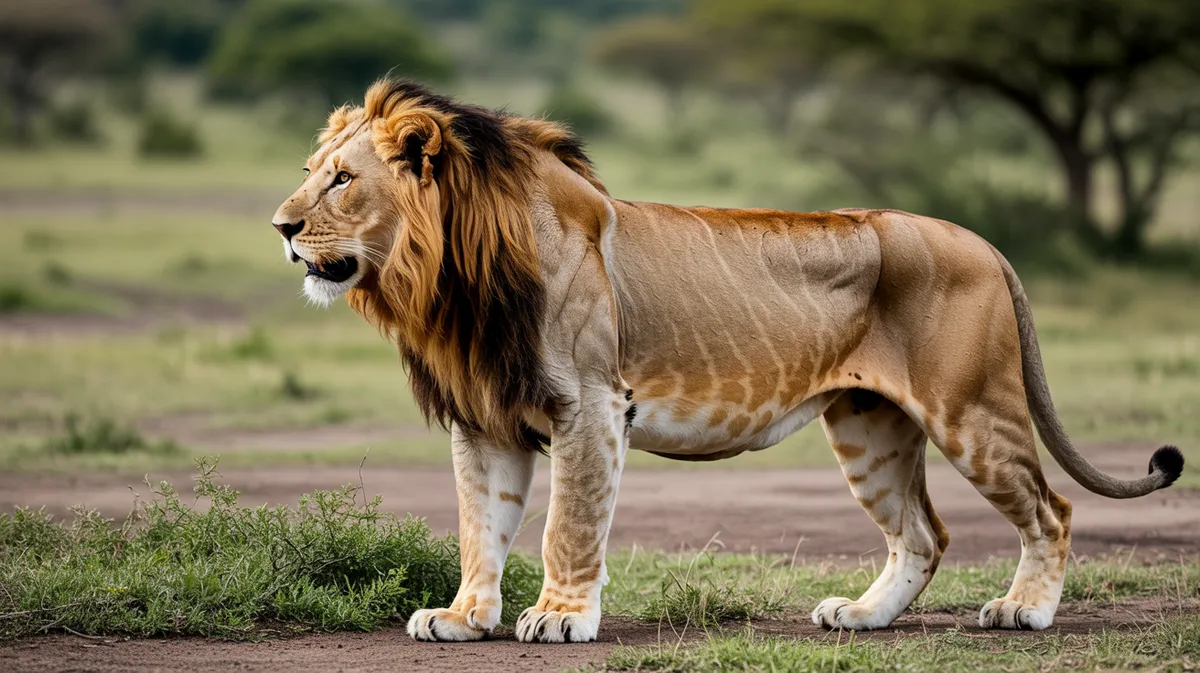 Zoos with african lions
 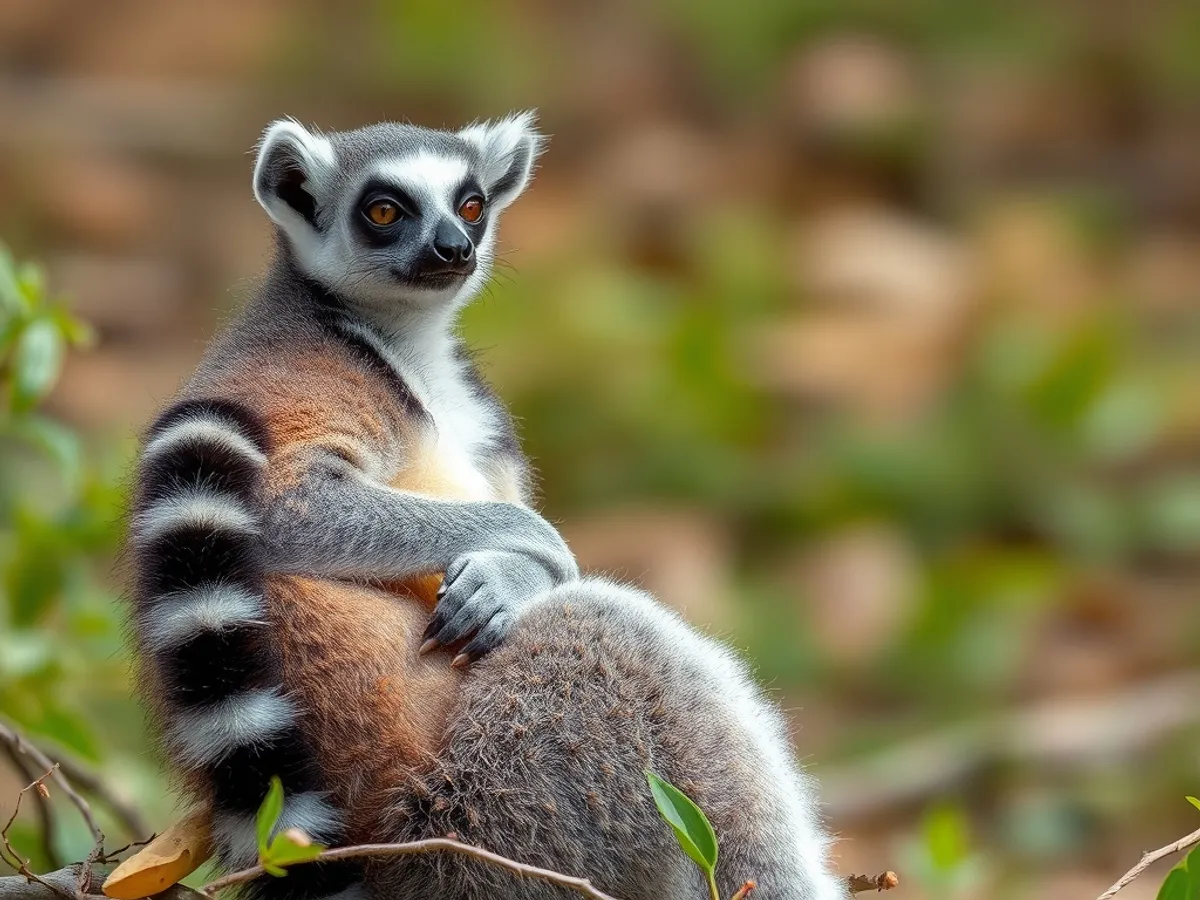 Zoos with ring-tailed lemurs
 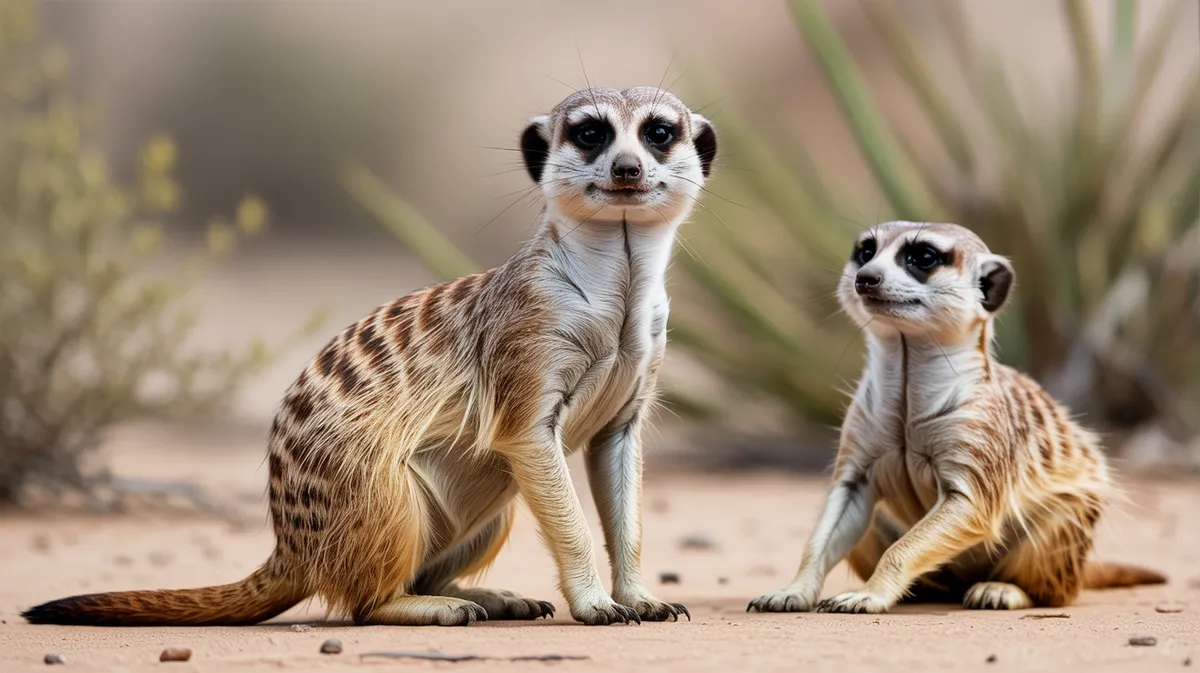 Zoos with meerkats
 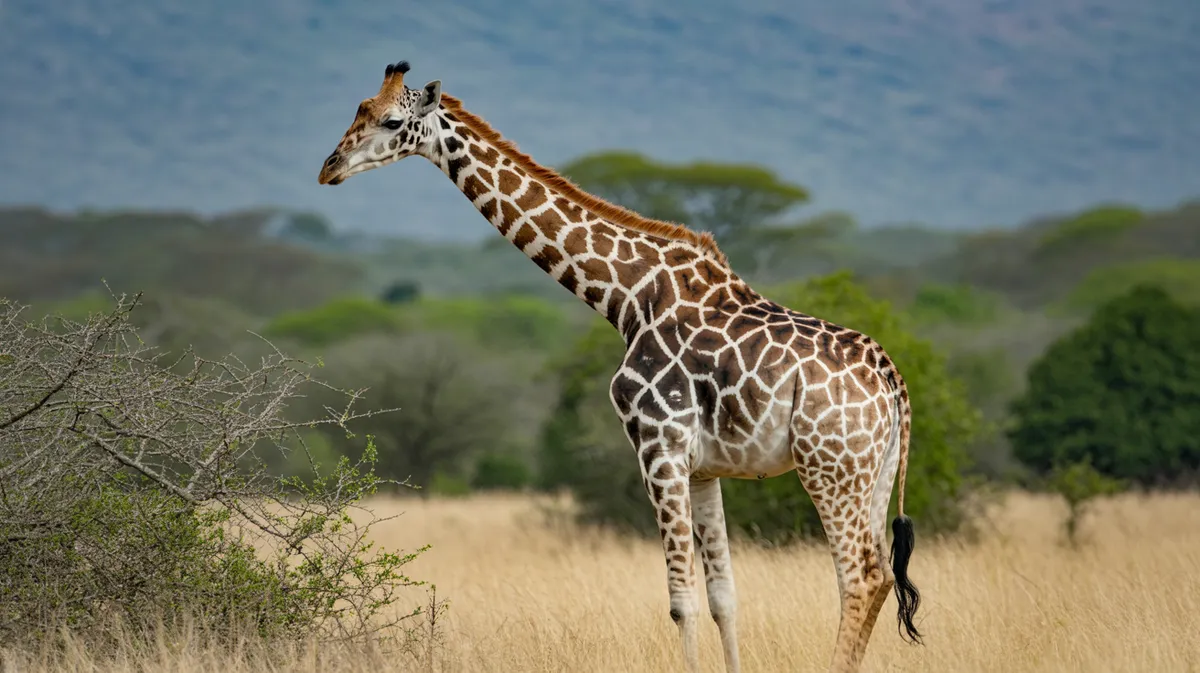 Zoos with giraffes
 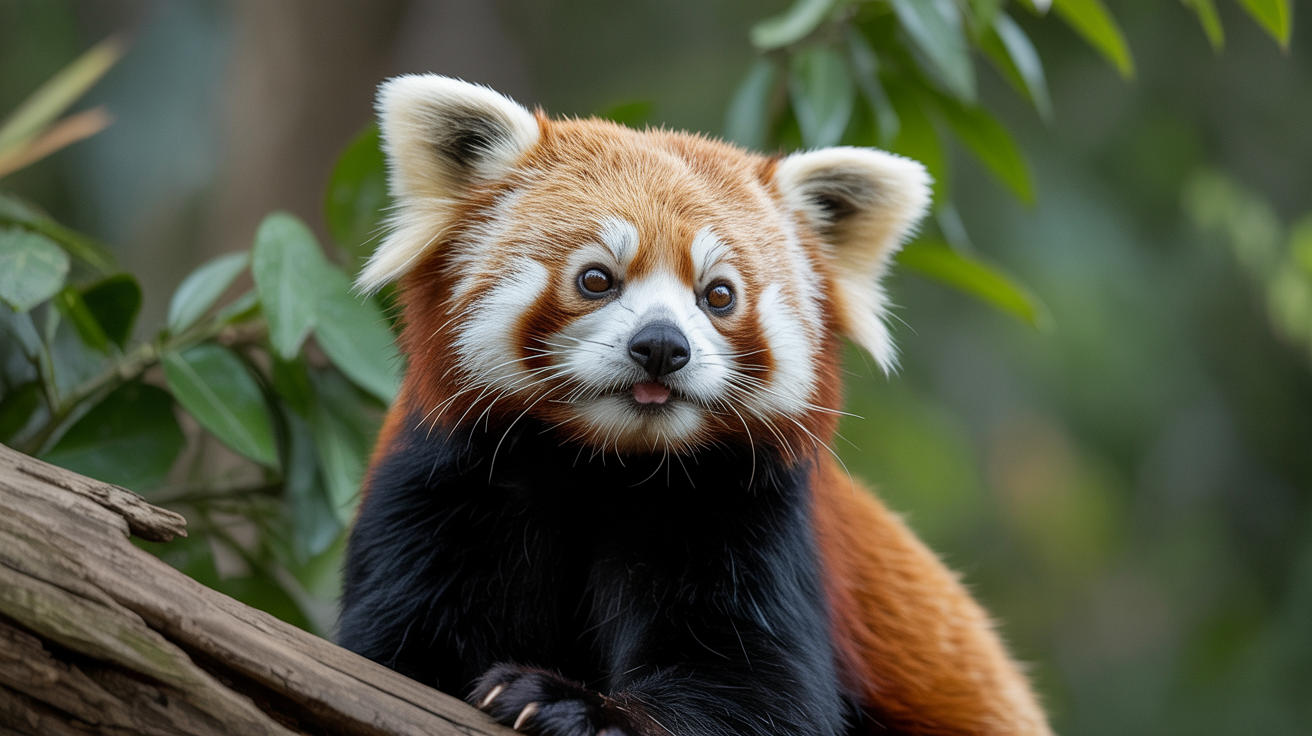 Zoos with red pandas
 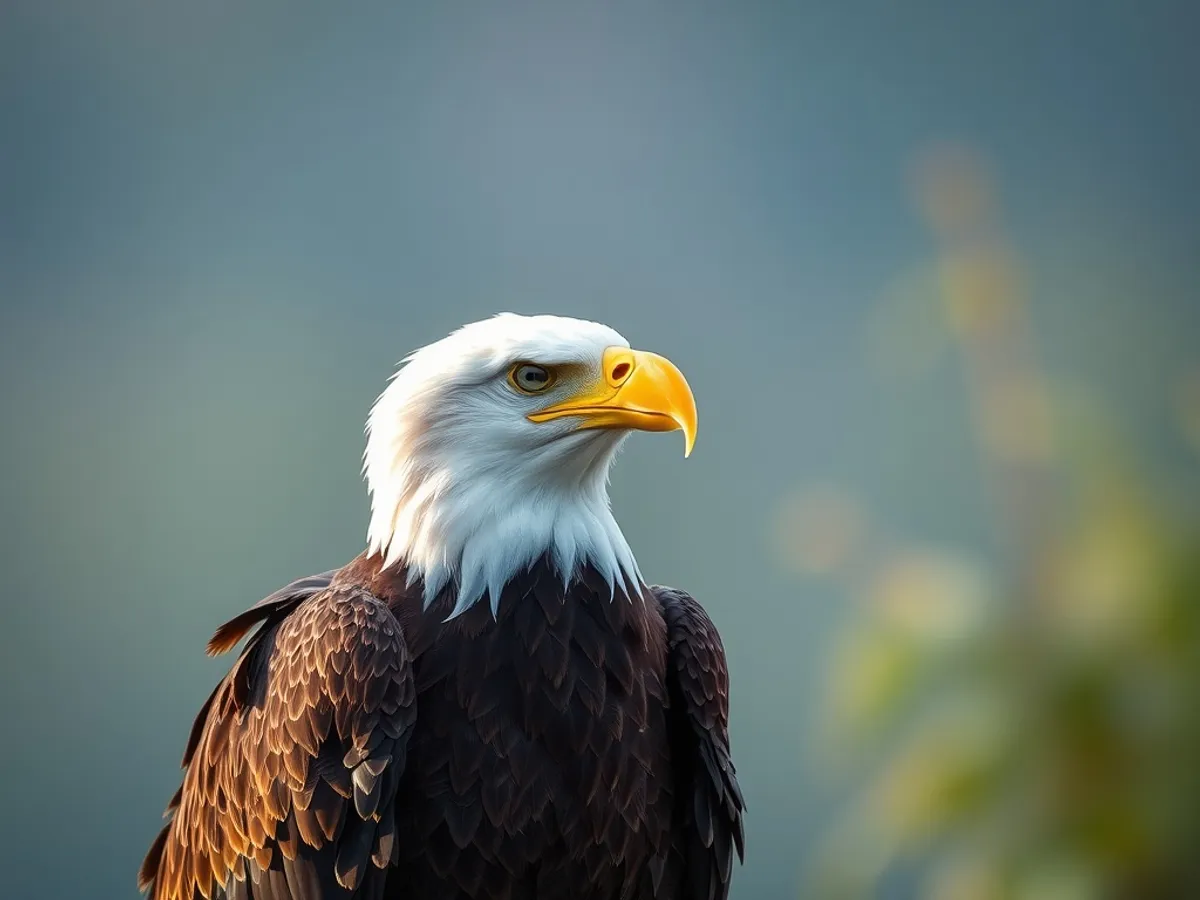 Zoos with bald eagles
 Where our facts come from — and how we keep them true
A reference site is only worth as much as its sourcing. Ours works differently depending on what kind of fact it is, so here it is plainly.
Species facts
Compiled from authoritative public references — the IUCN Red List for conservation status, established scientific reference works, and encyclopedic sources — then structured for clarity and cross-checked for consistency.
Zoo & aquarium data
Imported, never written. Locations, addresses and opening hours come from OpenStreetMap; founding dates, visitor numbers, photos and species lists come from Wikidata and Wikimedia Commons. Every profile lists its sources and the date we fetched them.
Is it still open?
A directory that goes stale is worse than none. We re-check venues on a schedule — pinging each official website, confirming the place still exists on the map, and watching for recorded closures — and each profile shows when it was last verified. Permanently closed venues keep their page with a clear warning, because “did that zoo close?” deserves an answer too.
Where AI fits — and where it does not
We use AI-assisted tools to help draft and organise prose. They are never allowed to produce a fact: no addresses, no coordinates, no opening times, no closure statuses. Those are imported from cited sources or they are not published.
Human review
Nothing is auto-deleted and nothing is auto-closed on a weak signal. A broken website flags a venue for a person to look at; it never changes what the page tells you on its own.
What we will never do
We do not invent venue data. Not an address, not an opening time, not a phone number. An AI-written address sends a real family to an empty field — so every one of them is imported from a real source and cited on the page. If we don't hold a fact, the page simply doesn't show it.
Wildlife science changes, zoos close, and we make mistakes. If you spot an error, there's a report button on every zoo profile, or you can contact us directly. Corrections go to a person, not a script.
Built for the curious
Whether you're eight years old or writing a lesson plan.
Curious kids (and their grown-ups)
Plain language, big pictures, and printable fact sheets — then a zoo you can actually visit on Saturday.
Teachers & students
Structured taxonomy, conservation status, and cited sources you can point a class at without worrying.
Travellers & wildlife fans
Verified opening hours, directions, and the species each venue keeps — so a day out is worth the drive.
Start exploring
Read up on a species, or find a zoo you can actually get to this weekend.