
Explore the creatures that share our planet
An illustrated, ever-growing encyclopedia of animals — their habitats, behaviours, and place in the natural world.
Ways to explore the encyclopedia
However you think about animals, there's a way in — by group, diet, habitat, or how threatened they are.
Recently added to the encyclopedia
The newest animal profiles in our ever-growing collection.
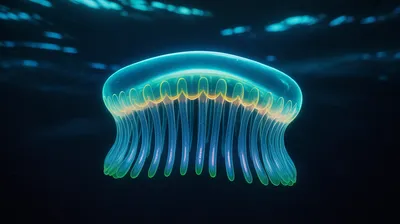
Bioluminescent Comb Jelly
Ctenophora spp.
The Bioluminescent Comb Jelly is a common name for the many light-producing species of comb jellies (phylum Ctenophora), delicate gelatinous invertebrates that drift through the world's oceans from sunlit surface waters down into the deep sea. They swim using eight rows of beating, hair-like cilia called comb rows — making them the largest animals known to move by cilia — and these rows scatter light into shifting rainbows as they beat. Unlike true jellyfish, comb jellies have no stinging cells; tentaculate species instead trap prey with sticky cells called colloblasts. Many ctenophores are genuinely bioluminescent, producing a soft blue or green glow from photoproteins in the canals beneath their comb rows, usually flashing when disturbed in the dark. Their bodies are more than 95% water and extraordinarily fragile, yet they are voracious predators of plankton.
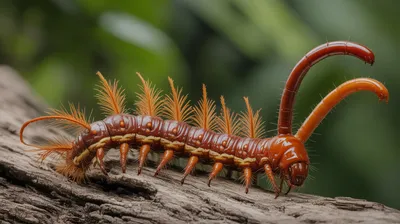
Scarlet caterpillar club
Cordyceps militaris
The scarlet caterpillar club is a striking parasitic fungus known for its vivid orange-red, club-shaped fruiting bodies. It primarily infects the pupae or larvae of moths and butterflies, emerging from the host’s body as a slender, cylindrical stalk. Native to temperate regions, it is most often found in leaf litter, moss, or rotting wood in forests. Its unusual life cycle and bright coloration make it a fascinating subject for mycologists and nature enthusiasts alike.
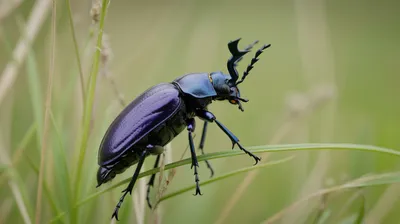
Violet Oil Beetle
Meloe violaceus
The Violet Oil Beetle is a striking invertebrate known for its metallic blue-violet coloration and unusually large, soft body. Found across Europe and parts of western Asia, this beetle is most often seen in spring, wandering meadows and woodland edges. Notably, its larvae are parasitic, relying on solitary bees for part of their development. The adult beetle exudes a toxic oily substance called cantharidin as a defense mechanism, which can cause skin irritation in humans. Their presence is often an indicator of healthy, undisturbed habitats.
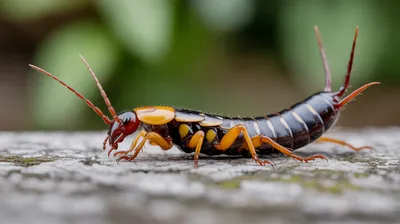
European Earwig
Forficula auricularia
The European earwig is a small, elongated insect known for its distinctive forceps-like pincers at the end of its abdomen. It is typically brown with lighter legs and measures about 12–15 mm in length. This species is nocturnal and spends the day hiding in moist, dark crevices, emerging at night to feed on a variety of organic material. European earwigs are highly adaptable and can be found in gardens, forests, and urban areas across Europe and in many introduced regions worldwide.
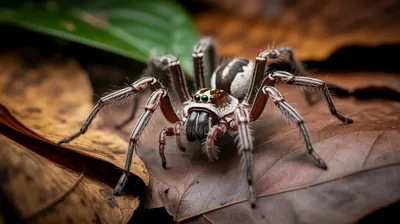
Goblin Spider
Oonopidae
Goblin spiders are tiny arachnids belonging to the family Oonopidae, commonly found in leaf litter and under stones in forests and other humid environments. Measuring only 1 to 3 millimeters in length, these spiders are often overlooked due to their minute size and cryptic habits. They are renowned for their unusual body shapes, six eyes (as opposed to the typical eight in most spiders), and sometimes translucent or brightly colored abdomens. Goblin spiders are effective hunters, preying on small insects and other tiny arthropods, and many species display unique behaviors such as building silk retreats rather than traditional webs.
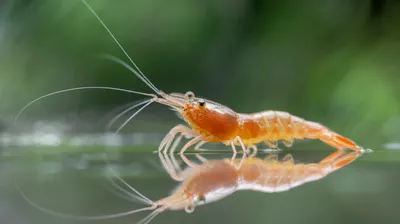
Fairy Shrimp
Branchinecta lynchi
The fairy shrimp is a small, delicate freshwater crustacean found primarily in vernal pools and temporary ponds. They have elongated bodies, large stalked eyes, and swim gracefully upside down with the aid of their 11 pairs of leaf-like legs. Fairy shrimp are highly adapted to ephemeral environments, completing their entire lifecycle in just a few weeks before their pools dry up. Their eggs can survive extreme drought and remain dormant for years until favorable conditions return, ensuring the species' ongoing survival.
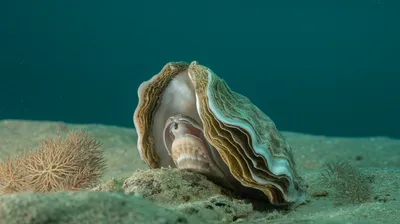
Saddle Oyster
Anomia ephippium
The Saddle Oyster is a small, thin-shelled bivalve mollusk known for its translucent, irregularly shaped shell that often features a saddle-like depression. These mollusks attach themselves to hard substrates such as rocks, shells, and man-made structures in shallow marine environments using a unique byssal thread. Their shells often mirror the contours of the surface they are attached to, providing camouflage and protection. Saddle Oysters filter feed by drawing in plankton and organic particles from the surrounding water. They are widely distributed in temperate and subtropical coastal waters.
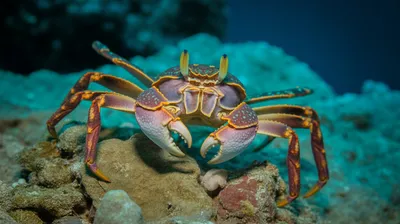
Pom-pom Crab
Lybia tessellata
The Pom-pom Crab, also known as the Boxer Crab, is a small and distinctive crustacean found in tropical Indo-Pacific coral reefs. It is renowned for carrying small sea anemones in its claws, which resemble tiny pom-poms and are used both for defense and for gathering food. The crab’s body is usually cream or beige with dark brown or black mosaic patterns, and it has long, slender legs. Despite its delicate appearance and small size, the Pom-pom Crab is a resourceful species that forms a mutualistic relationship with its anemone partners. Its secretive and nocturnal nature means it is more often observed at night, hiding among rocks and coral crevices.
Explore by category
Mammals, birds, reptiles and more — start with the group that fascinates you most.



Journey through Earth's habitats
From rainforests to coral reefs, discover the environments animals call home.
 Arid Regions
Desert
Arid lands with minimal rainfall, extreme temperatures, and specialized wildlife adapted to harsh conditions.
 Global Waters
Ocean
Saltwater environments covering more than 70% of the Earth's surface, home to a vast variety of marine life.
 Polar and Subpolar Regions
Tundra
Cold, treeless regions with permafrost supporting specialized cold-adapted wildlife.
Today's discoveries
A new featured animal and a fascinating fact, refreshed daily.
Animal of the Day
Tuesday, September 15
Finding today's animal…
Did You Know?
Loading a fascinating fact…
Meet the Acorn Worm
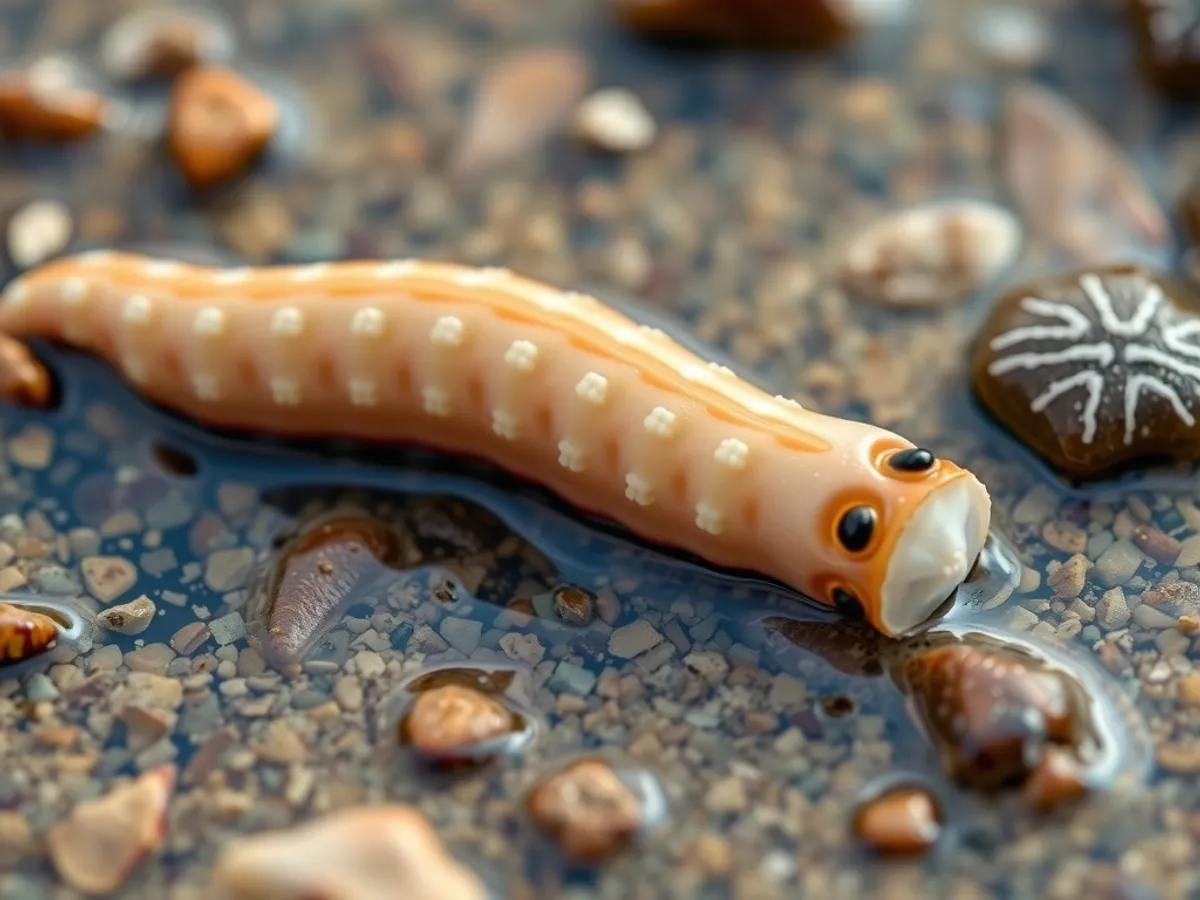
Acorn Worm
Saccoglossus kowalevskiiAcorn worms are soft-bodied, burrowing marine invertebrates belonging to the class Enteropneusta. They are named for the acorn-like appearance of their proboscis, which is used for digging and feeding. Acorn worms play an important role in marine ecosystems by aerating sediments and recycling nutrients. These animals a…
- Classification
- Invertebrate
- Habitat
- Shallow marine sediments, coastal mudflats, and sandy shores
- Diet
- Detritivore
- Conservation
- Least Concern
- Lifespan
- 1-5 years
The wildlife map

Interactive
Find animals by their native range
Hundreds of species plotted across the globe — tap a marker to open its profile.
Open the mapCompare two animals
Compare animals
See two species side by side
Select two animals to compare
Start typing in the search boxes above
Find a zoo or aquarium near you
We hold 3,845 zoos, safari parks and aquariums across 43 countries — with opening hours, directions, and the species you can actually see at each one.
Every venue is sourced and re-checked, so you know it's still open before you set off. And because we also hold the encyclopedia, you can search the other way round — which zoos keep a red panda?
Animal rankings
The biggest, smallest, and longest-living animals — ranked straight from the encyclopedia.
From the journal
Wildlife research, conservation news, and the stories behind the species.
 Animal Myths, Debunked
Jun 21, 2026
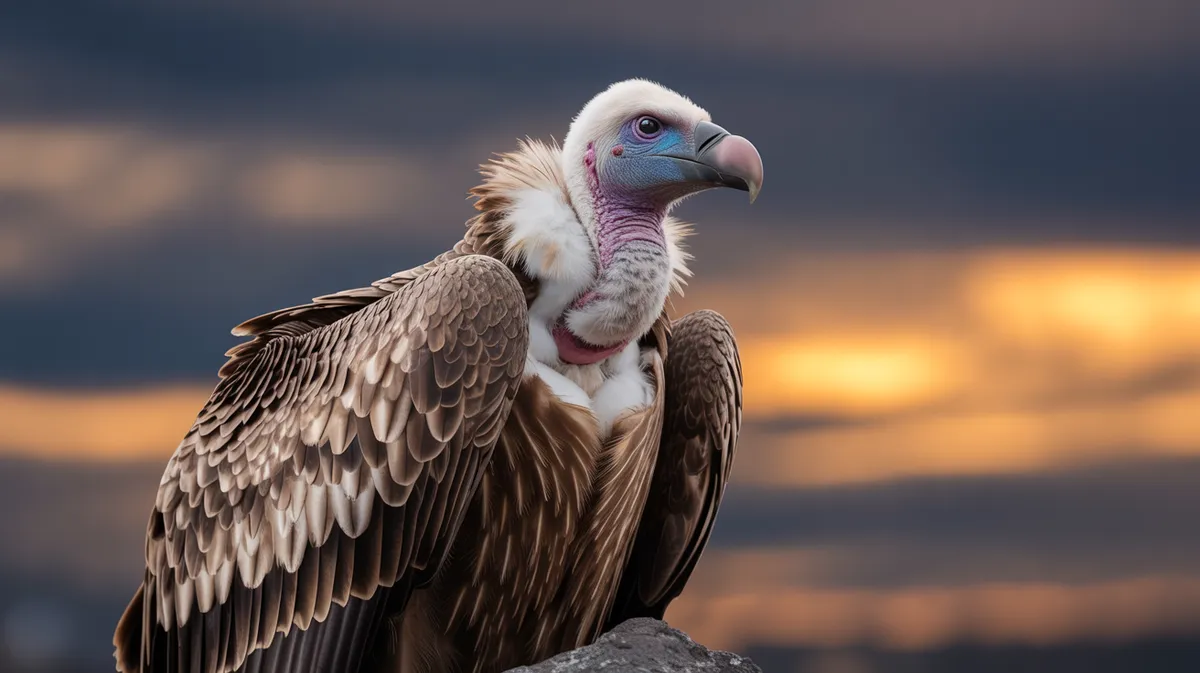
7 Myths About Vultures, Debunked
Vultures don’t circle the dying, don’t spread disease, and aren’t bad omens — 7 vulture myths debunked, including why their bald heads are actually clever.
Read article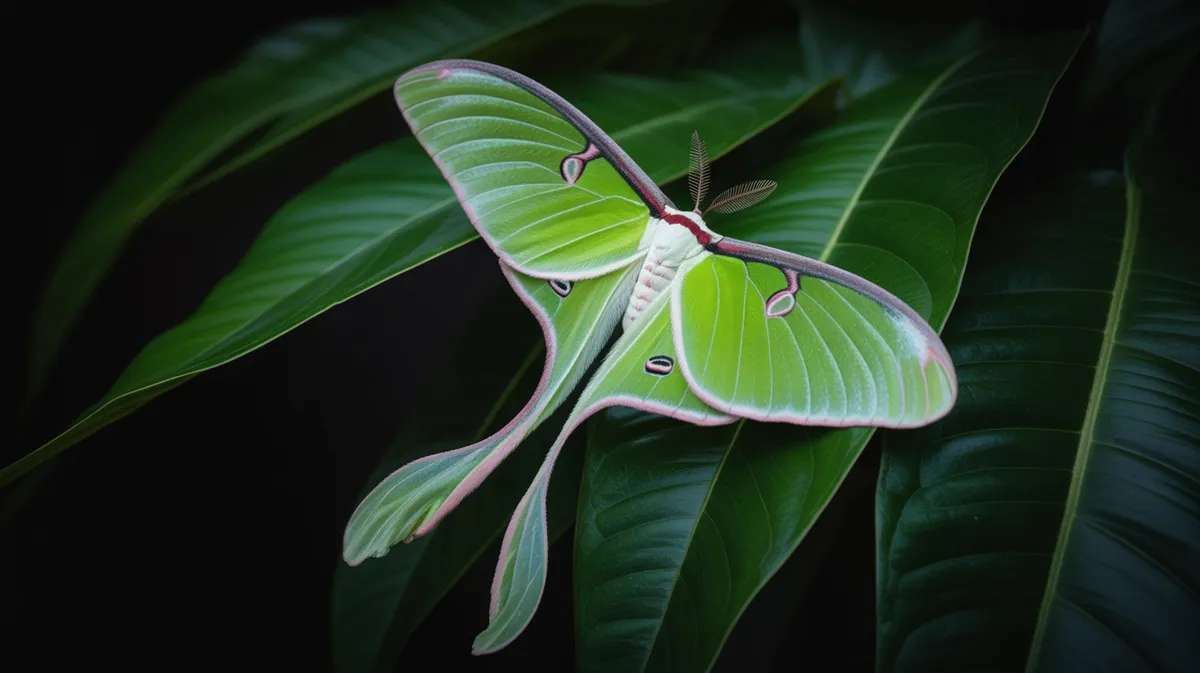 Animal Myths, Debunked
Jun 20, 2026
7 Myths About Moths, Debunked
Most moths don’t eat clothes, aren’t actually "attracted" to light, and aren’t all drab brown — 7 moth myths debunked, from wing dust to day-flying moths.
Read article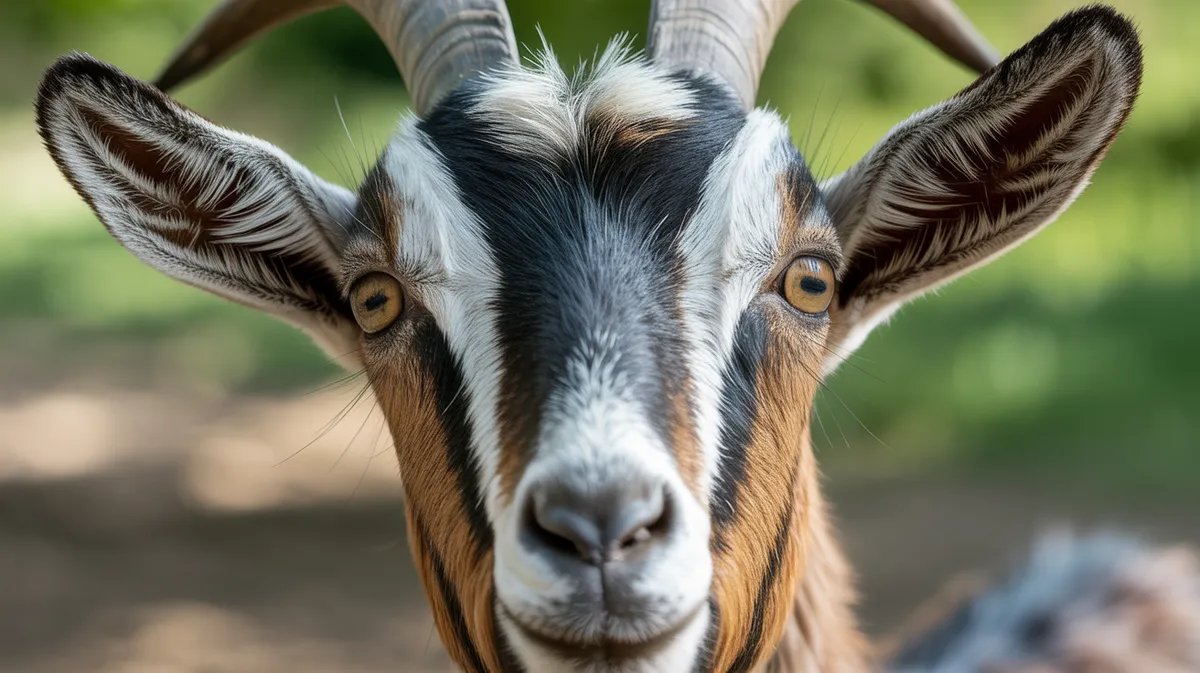 Animal Myths, Debunked
Jun 19, 2026
7 Myths About Goats, Debunked
Goats don’t eat tin cans, "fainting goats" don’t faint, and they’re far from dumb — 7 goat myths debunked, including why their eyes look so strange.
Read articleStart exploring the natural world
Browse thousands of animal profiles, or create a free account to build your own collections as you discover.