

Search the encyclopedia
498 animals
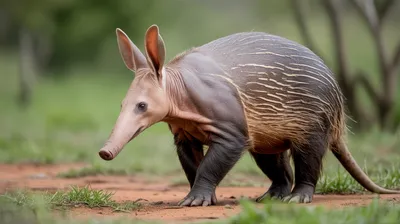
Aardvark
Orycteropus afer
The aardvark is a nocturnal mammal native to sub-Saharan Africa, recognized by its pig-like snout and elongated ears. It is a solitary animal that spends its nights using its powerful claws to dig for ants and termites, which make up the bulk of its diet. Despite its somewhat pig-like appearance, the aardvark is not closely related to pigs, but instead belongs to its own unique order. Its thick skin protects it from insect bites, and it can dig with incredible speed both to find food and escape predators.
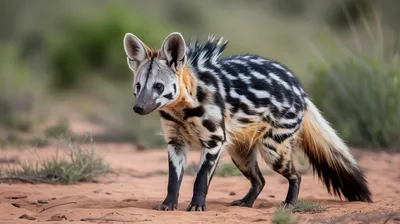
Aardwolf
Proteles cristata
The aardwolf is a small, insectivorous mammal native to Eastern and Southern Africa. Despite its hyena-like appearance, it primarily feeds on termites, consuming up to 300,000 in a single night using its long, sticky tongue. Aardwolves are nocturnal and solitary, spending the day in burrows and foraging at night. Unlike true hyenas, aardwolves have weaker jaws and teeth, adapted for their specialized diet rather than for crushing bone.
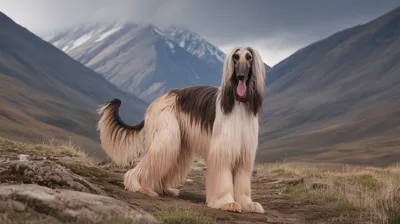
Afghan Hound
Canis lupus familiaris
The Afghan Hound is an ancient breed of sighthound renowned for its elegant appearance, long silky coat, and distinctive ring curl at the end of its tail. Originally bred in the mountainous regions of Afghanistan, this dog was valued for its speed, agility, and ability to hunt game over rugged terrain. Afghan Hounds are known for their independent and sometimes aloof temperament, yet they are affectionate with their families. Their unique appearance and dignified demeanor have made them popular in dog shows and as companion animals worldwide.
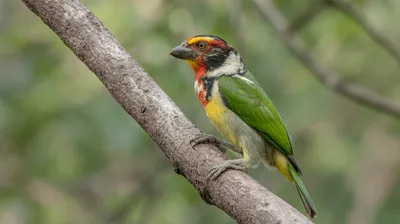
African Barbet
Lybiidae
Barbets are plump, colorful birds found throughout tropical regions of Africa and Asia, known for their stout bills and bristle-fringed faces. Members of the family Lybiidae, African barbets are particularly noted for their bright plumage, which often includes striking reds, yellows, and greens. They primarily inhabit forests and woodland environments, where they excavate nest holes in trees. Barbets are vocal birds, producing distinctive, repetitive calls that can be heard over long distances. Their diet consists mainly of fruit, but they will also eat insects and other small animals.
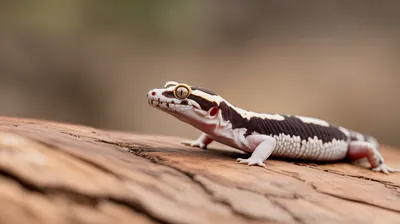
African Fat-tailed Gecko
Hemitheconyx caudicinctus
The African Fat-tailed Gecko is a medium-sized, nocturnal lizard native to West Africa. Recognized for its distinctive broad tail, which stores fat as an energy reserve, this gecko displays earthy color patterns with bold stripes or bands. It prefers arid to semi-arid environments, often sheltering under rocks or in burrows to avoid the harshest heat. Calm and docile, the African Fat-tailed Gecko is a popular choice for reptile enthusiasts due to its manageable size and hardy nature.

African Jacana
Actophilornis africanus
The African Jacana is a striking wader bird known for its long toes and claws, which enable it to walk across floating vegetation in shallow lakes and wetlands. It displays a chestnut-brown body, white face, and a distinctive blue frontal shield on its forehead. Males and females look similar, though females are usually larger. This species is well-adapted to aquatic environments and is often seen foraging for insects and other small invertebrates on lily pads. Their unique breeding system features polyandry, where females mate with multiple males, each of which incubates eggs and cares for the young.

Airedale Terrier
Canis lupus familiaris
The Airedale Terrier is the largest of all terrier breeds, known for its intelligence, versatility, and distinctive wiry coat. Originally bred in the Aire Valley of Yorkshire, England, this breed was designed to catch otters and rats between the Aire and Wharfe Rivers. Airedales have a dignified but lively temperament, making them excellent working dogs and family companions. They are highly trainable, energetic, and excel in various canine sports and working roles, including police and military service.

Akita Dog
Canis lupus familiaris
The Akita is a large and powerful dog breed originally from the mountainous regions of northern Japan. Renowned for their strength, courage, and unwavering loyalty, Akitas were historically used for guarding nobility and hunting large game such as bears and boars. They have a thick double coat, erect ears, and a curled tail, giving them a striking wolf-like appearance. Akitas are known for being reserved and dignified with strangers but affectionate and protective with their families. Their independent and intelligent nature requires consistent training and socialization.

Akita Inu
Canis lupus familiaris
The Akita Inu is a large, powerful dog breed originating from the mountainous regions of northern Japan. Renowned for its loyal and dignified temperament, the Akita Inu was historically bred for hunting large game such as bears, boar, and deer. With a thick double coat, erect ears, and curled tail, the breed is well-adapted to cold climates and harsh conditions. Akitas are intelligent and independent, requiring early socialization and consistent training, and are known for their reserved but deeply loyal nature towards their families.

Alaskan Malamute
Canis lupus familiaris
The Alaskan Malamute is a large, powerful breed of domestic dog originally bred for its strength and endurance to haul heavy freight as a sled dog in the Arctic. With a thick double coat, erect ears, and distinctive facial markings, Malamutes are well-adapted to cold, harsh environments. They are known for their friendly disposition, intelligence, and loyalty, making them beloved companions as well as working dogs. While they resemble wolves in appearance, they are a distinct, domesticated breed with a gentle temperament. Their high energy and need for exercise make them best suited to active families and experienced owners.

Amazonian Royal Flycatcher
Onychorhynchus coronatus
The Amazonian Royal Flycatcher is a small, insectivorous bird best known for its spectacular fan-shaped crest, which is vividly colored and usually displayed during courtship or when threatened. This bird inhabits the humid lowland forests and river edges of the Amazon Basin, often remaining inconspicuous as it forages for insects. With olive-brown upperparts and yellowish underparts, its remarkable crest—red in males and yellow to orange in females—remains mostly hidden except during displays. The species builds long, hanging nests suspended over water to protect its young from predators. Despite its striking appearance, the Amazonian Royal Flycatcher is seldom seen due to its secretive habits and preference for dense forest undergrowth.

Amber Snail
Succinea putris
The Amber Snail is a small terrestrial gastropod mollusk recognized for its translucent, amber-colored shell. It is most commonly found in moist habitats near freshwater sources such as streams, rivers, and marshes. The snail prefers environments with abundant vegetation, where it feeds primarily on decaying plant matter and algae. Amber Snails play a role in nutrient cycling within wetland ecosystems and serve as prey for a variety of birds, amphibians, and insects.

American Alligator
Alligator mississippiensis
The American alligator is a large, semi-aquatic reptile native to the southeastern United States. Recognized by its broad snout and armored, lizard-like body, this apex predator inhabits freshwater wetlands such as swamps, marshes, and rivers. Adult males can exceed 13 feet in length and weigh over 1,000 pounds, while females are generally smaller. Alligators play a crucial ecological role by creating 'alligator holes' that provide refuge for other wildlife during dry periods. Despite past threats from hunting, their populations have recovered, thanks to strong conservation efforts.
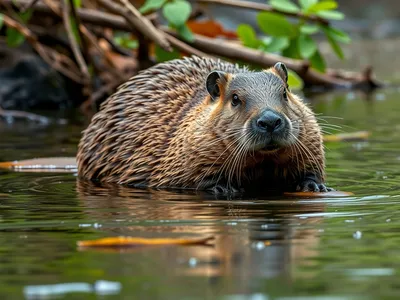
American Beaver
Castor canadensis
The American Beaver is the largest rodent in North America, known for its powerful build, webbed feet, and iconic flat, paddle-shaped tail. Renowned for its remarkable engineering skills, this semi-aquatic mammal constructs complex lodges and dams using branches, mud, and stones, profoundly shaping freshwater ecosystems. Beavers play a vital ecological role by creating wetlands, which help support diverse plant and animal communities. Their dense, waterproof fur and skilled swimming abilities allow them to thrive in ponds, rivers, and streams across much of North America.

American Dipper
Cinclus mexicanus
The American Dipper is a stout, slate-gray songbird uniquely adapted to life along fast-flowing, cold mountain streams in western North and Central America. Notable for its bobbing or 'dipping' motion, this bird can walk underwater in search of aquatic insects and larvae, thanks to its strong legs and dense plumage. It is the only aquatic songbird native to North America, and its presence is often an indicator of clean, healthy river ecosystems. The American Dipper's melodic song can be heard year-round, even in the harsh conditions of winter.

American Eskimo Dog
Canis lupus familiaris
The American Eskimo Dog is a strikingly beautiful companion breed known for its white, fluffy double coat, erect ears, and expressive dark eyes. Despite its name, the breed was developed in the United States and is a member of the Spitz family, closely related to the German Spitz. Energetic, highly intelligent, and eager to please, American Eskimo Dogs excel at obedience, agility, and performing tricks. They are affectionate and loyal, making them excellent family pets, but they require regular exercise and mental stimulation to thrive.

American Flamingo
Phoenicopterus ruber
The American Flamingo is a striking wading bird known for its vibrant pink to reddish plumage, long legs, and distinctive downward-bending bill. Native to the Caribbean, northern South America, and the Galápagos Islands, it thrives in saline lagoons, mudflats, and shallow coastal lakes. Its unique coloration comes from carotenoid pigments in its diet, primarily from algae and small crustaceans. American Flamingos are highly social, forming large colonies that can number in the thousands, and they are renowned for their synchronized courtship displays.

American Foxhound
Canis lupus familiaris
The American Foxhound is a lean, athletic breed of dog known for its exceptional speed, stamina, and keen sense of smell. Originally bred for fox hunting in colonial America, this breed is highly energetic and requires plenty of exercise to stay healthy and happy. Friendly and gentle, American Foxhounds are good-natured companions, though they can be independent and occasionally stubborn. Their melodious baying and strong hunting instincts make them stand out among scent hounds. While they are still used for hunting, they also make affectionate family pets.

American Kestrel
Falco sparverius
The American Kestrel is North America's smallest and most colorful falcon, notable for its rufous back and tail, slate-blue wings in males, and striking facial markings. Agile and versatile, it hunts insects, small mammals, and birds, often seen hovering over open fields or perching on wires. This adaptable raptor thrives in a wide range of habitats, from grasslands and deserts to urban parks. Its diminutive size belies its fierce hunting prowess, earning it the nickname 'sparrow hawk.' The American Kestrel plays an important ecological role in controlling insect and rodent populations.

American Robin
Turdus migratorius
The American Robin is a familiar songbird widely distributed across North America, recognized by its orange-red breast, gray upperparts, and cheerful song. This bird is highly adaptable, inhabiting woodlands, gardens, parks, and urban areas. American Robins are known for their migratory behavior, often heralding the arrival of spring in many regions. They feed primarily on earthworms and insects but will also eat fruits and berries, especially in winter. Their cup-shaped nests are commonly built in trees or on structures close to human activity.

Andean Cock-of-the-rock
Rupicola peruvianus
The Andean Cock-of-the-rock is an iconic bird native to the cloud forests of the Andes Mountains in South America. Renowned for the male's bright orange plumage and prominent fan-shaped crest, this species displays extraordinary courtship rituals in communal leks. Females are more subdued in coloration, allowing them to blend into the dense forest understory as they care for their young. The Andean Cock-of-the-rock is considered the national bird of Peru and is an important symbol of Andean biodiversity.
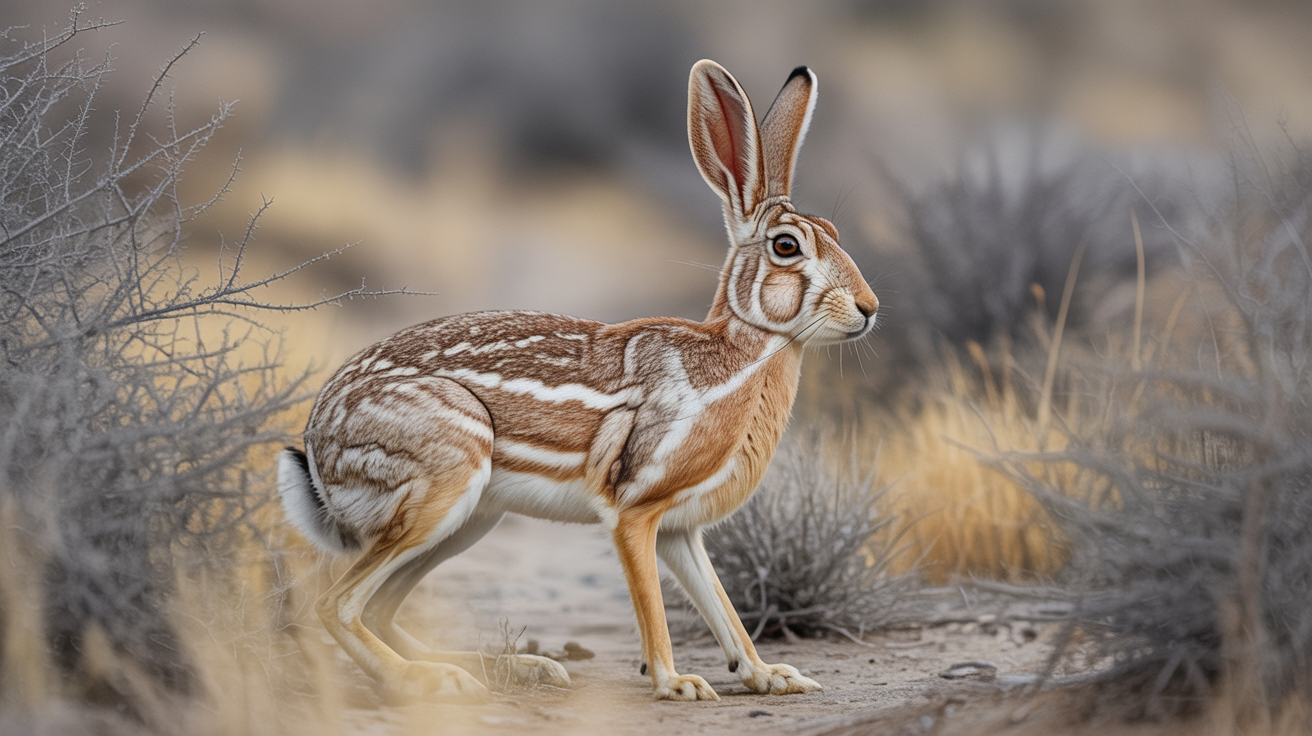
Antelope Jackrabbit
Lepus alleni
The Antelope Jackrabbit is a large hare native to the deserts and grasslands of northwestern Mexico and the southwestern United States. Recognized by its long, white-edged ears and strikingly white flanks, this jackrabbit is highly adapted to arid environments. It is known for its impressive running speed and agility, often leaping high into the air to evade predators. The Antelope Jackrabbit is primarily active during dusk and dawn and spends the hot daytime hours resting in shallow depressions it scrapes in the ground.

Appenzeller Sennenhund
Canis lupus familiaris
The Appenzeller Sennenhund is a medium-sized, tricolored Swiss mountain dog originally bred for herding and guarding livestock in the Appenzell region of Switzerland. Known for its lively and agile nature, this breed possesses a muscular build, a thick double coat, and a distinctive curled tail. Appenzeller Sennenhunds are highly intelligent, energetic, and loyal, making them excellent working dogs and devoted family companions. Their alertness and strong territorial instincts also make them effective watchdogs.
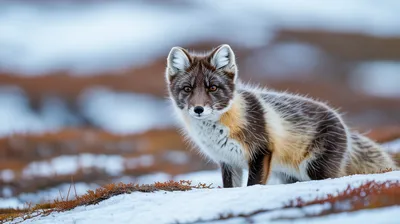
Arctic Fox
Vulpes lagopus
The Arctic Fox is a small, highly adapted mammal native to the Arctic regions of the Northern Hemisphere. It is renowned for its stunning white winter coat, which provides effective camouflage against the snow, and transitions to brown or gray during the summer months. The Arctic Fox is equipped with a compact body, short muzzle, and thick fur to conserve heat in harsh, freezing environments. It is a resourceful omnivore, capable of surviving on a wide variety of foods, and demonstrates remarkable endurance and adaptability in one of the planet's most extreme habitats.