

Search the encyclopedia
44 animals
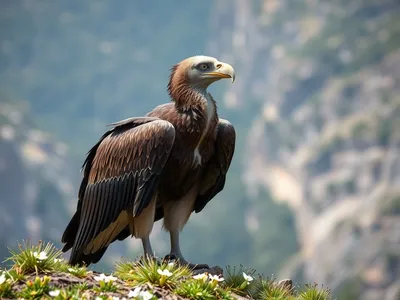
Andean Condor
Vultur gryphus
The Andean Condor is one of the world’s largest flying birds, renowned for its impressive wingspan and soaring ability. Native to the high mountains of South America, it is a symbol of power and freedom in Andean culture. This scavenger plays a vital ecological role by feeding on carrion, helping to keep its mountainous habitats clean. Despite its size and strength, the Andean Condor faces threats from habitat loss and poisoning, resulting in its Near Threatened status.
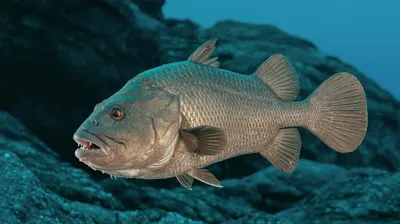
Atlantic Wolf Fish
Anarhichas lupus
The Atlantic wolf fish is a large, elongated marine fish known for its powerful jaws and prominent canine-like teeth, which it uses to crush hard-shelled prey such as sea urchins, crabs, and mollusks. This impressive predator inhabits the cold, rocky bottoms of the North Atlantic Ocean, often at depths ranging from 20 to 500 meters. Its thick, eel-like body and mottled coloration offer excellent camouflage among rocks and seaweed. The wolf fish is solitary and territorial, spending most of its life in a single den or crevice.
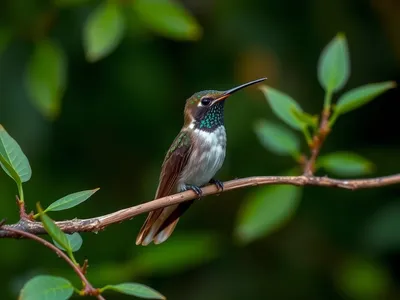
Bee Hummingbird
Mellisuga helenae
The Bee Hummingbird is the smallest bird in the world, measuring just about 5 to 6 centimeters in length and weighing less than 2 grams. Native to Cuba and the Isla de la Juventud, this tiny bird is renowned for its iridescent, vibrant plumage and rapid wingbeats, which can reach up to 80 flaps per second. Bee Hummingbirds feed primarily on nectar, playing a vital role in pollination, and can visit over 1,500 flowers in a single day. Despite their minute size, they are fiercely territorial and display remarkable agility in flight.
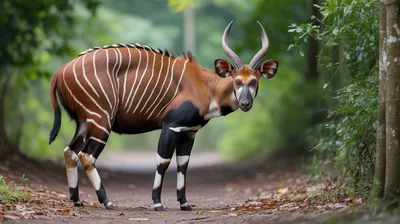
Bongo
Tragelaphus eurycerus
The bongo is a large, strikingly patterned antelope native to the dense forests of central and western Africa. It is easily recognized by its rich chestnut coat marked with vivid white stripes and long, spiraled horns present in both males and females. Bongos are shy, mostly nocturnal animals that prefer the concealment of thick vegetation and are rarely seen in the open. They play an important role in their ecosystem by aiding in seed dispersal through their browsing habits. Bongos are threatened by habitat loss and hunting, making them increasingly rare in the wild.

Brown Hyena
Parahyaena brunnea
The Brown Hyena is a medium-sized carnivorous mammal native to southern Africa, known for its shaggy, dark-brown coat and distinctive mane of longer, lighter hair around the neck and shoulders. Primarily nocturnal and highly secretive, the brown hyena is an expert scavenger, often traveling long distances in search of food. It lives in clans centered around complex social hierarchies, but individuals typically forage alone. Despite its fearsome reputation, the brown hyena rarely hunts large prey, instead relying on carrion and occasionally supplementing its diet with fruit and insects.

Bush Dog
Speothos venaticus
The Bush Dog is a small, elusive canid native to Central and South America, known for its short legs, webbed feet, and bear-like appearance. Its dense, water-resistant fur ranges from brown to reddish, aiding its adaptation to wet habitats such as rainforests and wetlands. Bush Dogs are highly social animals, living and hunting in packs to take down prey larger than themselves, including rodents and small ungulates. Despite their wide range, they are rarely seen due to their secretive nature and preference for dense cover. Habitat loss and fragmentation pose significant threats to their populations.
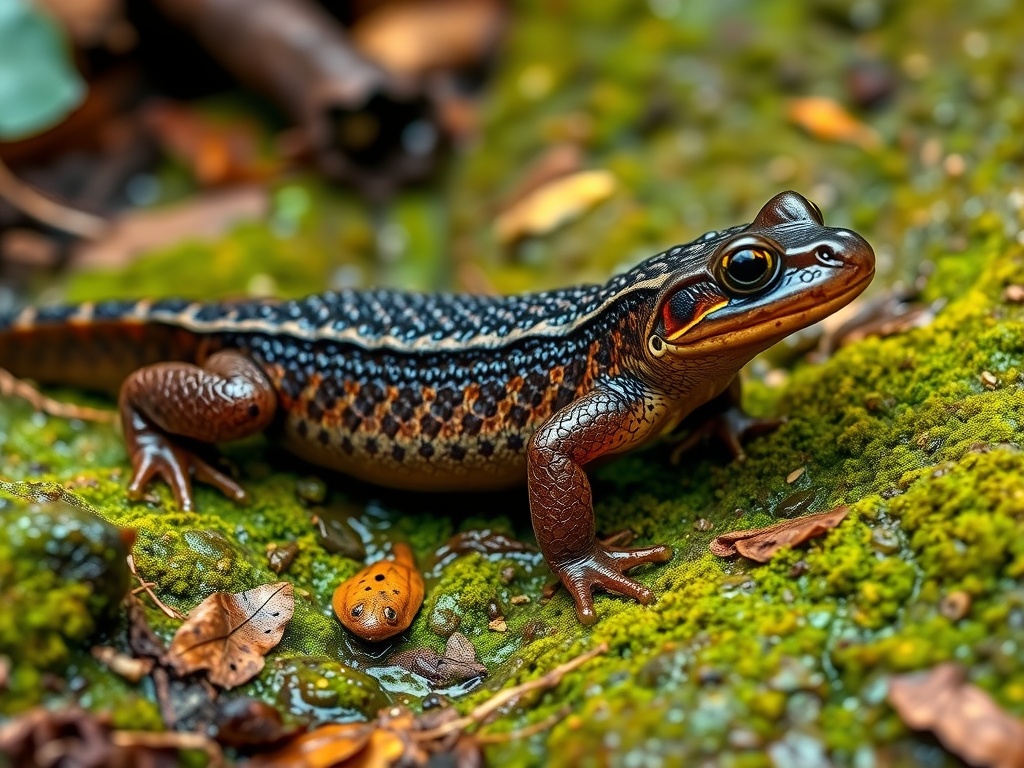
California Newt
Taricha torosa
The California newt is a medium-sized amphibian native to California, recognized by its rough, warty skin and striking orange to brown coloration. It inhabits moist woodlands, chaparral, and forested areas, especially near streams and ponds during the breeding season. The newt is well adapted to both terrestrial and aquatic environments and is known for its potent skin toxin, which deters most predators. During the dry season, it retreats to moist refuges, becoming terrestrial until the rainy months trigger its migration to breeding pools.
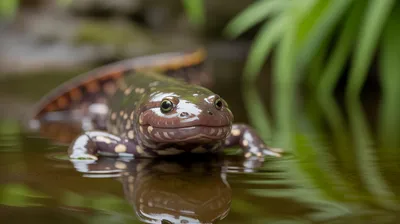
Coastal Giant Salamander
Dicamptodon tenebrosus
The Coastal Giant Salamander is the largest terrestrial salamander in North America, reaching lengths of up to 34 centimeters. It is notable for its robust body, broad head, and distinctive marbled or mottled brown and tan coloration. This species is semi-aquatic, spending its larval stage in cool, fast-flowing streams and transitioning to life on land as an adult, although some individuals remain aquatic for life. The Coastal Giant Salamander is found primarily in moist coniferous forests of the Pacific Northwest, where it hides under logs, rocks, and leaf litter.
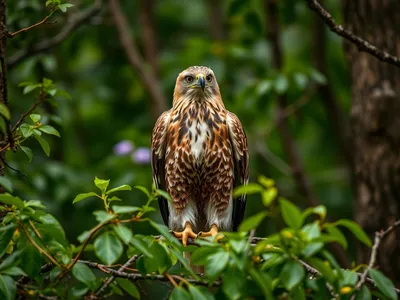
Crowned Eagle
Stephanoaetus coronatus
The Crowned Eagle is a powerful bird of prey native to sub-Saharan Africa, renowned for its striking crest and formidable hunting abilities. Sporting bold black-and-white plumage with a distinctive feathered crown, this eagle is one of the largest and most aggressive forest eagles in the world. It primarily inhabits dense forests and woodland areas, where it uses its strong talons and stealth to hunt medium-sized mammals, especially monkeys and small antelopes. Despite its prowess, habitat loss and human encroachment have led to a decline in its population in some regions.
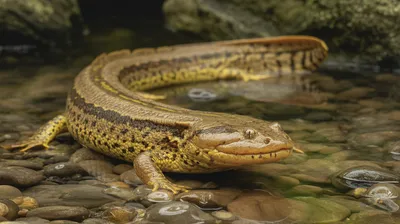
Eastern Hellbender
Cryptobranchus alleganiensis alleganiensis
The Eastern Hellbender is the largest aquatic salamander in North America, reaching lengths up to 29 inches. This secretive amphibian inhabits clean, fast-flowing streams and rivers, where it hides under large, flat rocks. Its slimy, flattened body and loose, frilled skin help with cutaneous respiration, as it absorbs oxygen directly through its skin. Hellbenders are highly sensitive to water pollution and habitat disturbance, making them important indicators of freshwater ecosystem health.
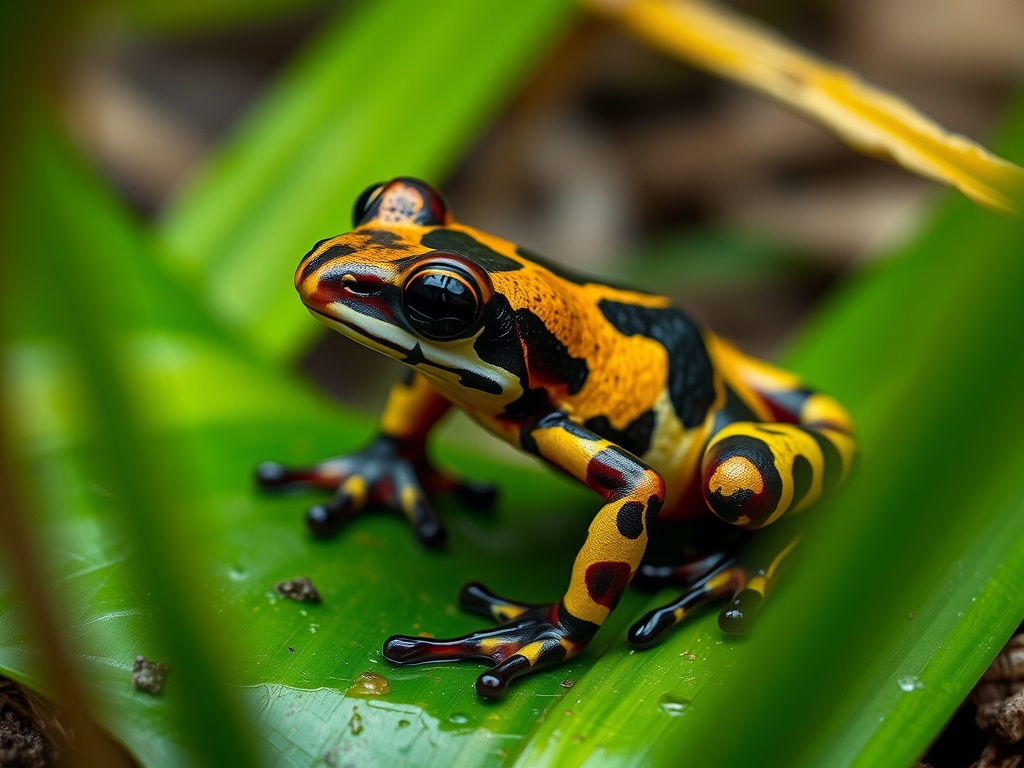
Ecuadorian Poison Frog
Ameerega bilinguis
The Ecuadorian Poison Frog is a small, brightly colored amphibian native to the humid lowland and foothill forests of Ecuador and northern Peru. It is known for its striking black body adorned with vibrant blue or green markings, which serve as a warning to potential predators about its toxicity. This diurnal frog is often found near streams and in leaf litter, where it hunts for small invertebrates. The species is notable for its parental care, with males transporting tadpoles to water after hatching.

Elegant Tern
Thalasseus elegans
The Elegant Tern is a striking seabird known for its slender build, long, orange bill, and graceful flight. Adults display pale gray upperparts, white underparts, and a shaggy black crest during the breeding season, giving them a distinctive and 'elegant' appearance. Found primarily along Pacific coasts, they nest in dense colonies on sandy islands and forage over coastal waters for small fish. Their courtship displays include elaborate aerial acrobatics and distinctive calls. Elegant Terns are highly social, often forming large flocks outside the breeding season.
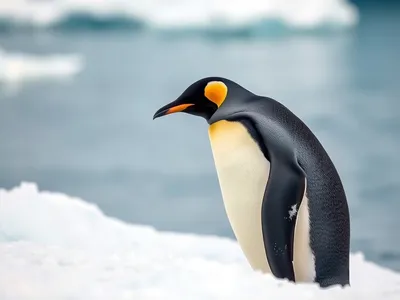
Emperor Penguin
Aptenodytes forsteri
The Emperor Penguin is the largest of all penguin species and is native to Antarctica. These flightless birds are renowned for their remarkable breeding cycle, enduring the continent’s harsh winter to incubate their eggs. Emperor Penguins have a striking appearance, with black heads, backs and wings, white bellies, and yellow-orange markings on their necks. They form large colonies on the sea ice, exhibiting fascinating social behaviors to survive extreme cold.
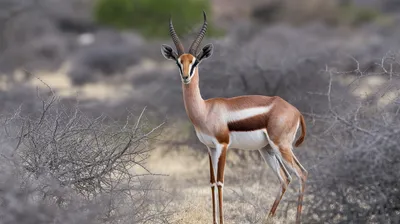
Gerenuk
Litocranius walleri
The gerenuk, also known as the giraffe gazelle, is a long-necked antelope native to the arid regions of East Africa. Distinguished by its slender body, extremely long neck, and limbs, the gerenuk can reach high branches and foliage that most other antelopes cannot access. It is well-adapted to dry environments and can stand upright on its hind legs to browse for leaves, shoots, and fruits. Gerenuks are typically solitary or found in small groups and are known for their alertness and graceful movements.
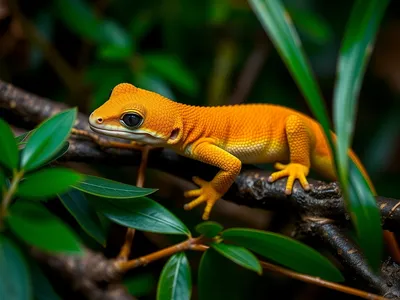
Golden Gecko
Gekko badenii
The Golden Gecko is a striking arboreal reptile native to the rainforests of Vietnam. It is well known for its vibrant golden-yellow coloration, which serves as camouflage among lichen and tree bark. Primarily nocturnal, this gecko is an agile climber, using its specialized toe pads to traverse vertical surfaces with ease. Golden Geckos are shy and secretive, often hiding in crevices or under loose bark during the day.
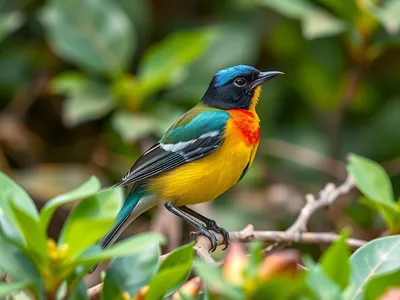
Gouldian Finch
Erythrura gouldiae
The Gouldian Finch, also known as the Lady Gouldian Finch or Rainbow Finch, is a strikingly colorful passerine bird native to northern Australia. It features a vibrant plumage with combinations of purple, yellow, green, red, and black, and is renowned for its three distinct head color morphs: red, black, and yellow. These small, social birds inhabit tropical savannas and open woodlands, often nesting in tree hollows near water sources. Due to habitat loss and other pressures, their wild populations have dramatically declined, making them vulnerable in the wild. In captivity, however, they are popular among aviculturists for their beauty and gentle temperament.
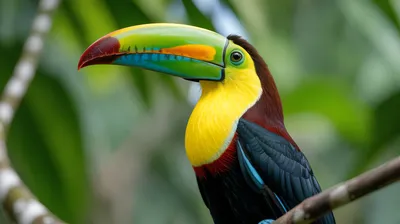
Green-billed Toucan
Ramphastos dicolorus
The Green-billed Toucan is a striking medium-sized toucan native to the Atlantic Forest of South America. It is easily identified by its predominantly black plumage, vivid yellow throat, and the characteristic pale green bill. This bird is highly social, often seen in small flocks, and plays a crucial ecological role in seed dispersal. Its loud, croaking calls can be heard echoing through dense forests, where it spends most of its time foraging in the canopy. Though adaptable, the species is increasingly threatened by habitat loss and fragmentation.
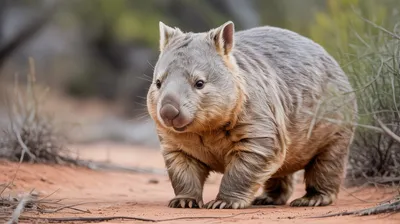
Hairy-nosed Wombat
Lasiorhinus
The hairy-nosed wombat is a robust, burrowing marsupial native to Australia, recognized for its distinctive hairy snout and strong, stocky build. There are two species: the Southern Hairy-nosed Wombat (Lasiorhinus latifrons) and the critically endangered Northern Hairy-nosed Wombat (Lasiorhinus krefftii), both adapted to arid and semi-arid environments. These wombats are nocturnal, spending daylight hours in elaborate burrow systems to escape the harsh sun. Their powerful claws and muscular bodies allow them to dig extensive tunnels, which also provide protection from predators. Despite their tough appearance, hairy-nosed wombats are gentle herbivores with specialized teeth for grinding tough grasses.
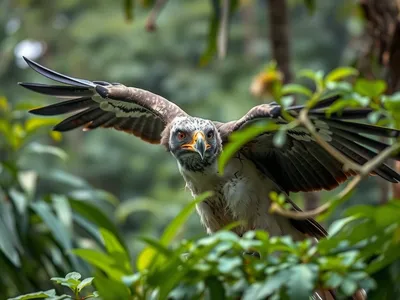
Harpy Eagle
Harpia harpyja
The Harpy Eagle is one of the largest and most powerful eagles in the world, easily recognized by its striking black and white plumage, expressive facial disk, and prominent feathered crest. Native to the tropical rainforests of Central and South America, it is a top predator, adept at hunting medium-sized mammals and birds. Harpy Eagles are solitary and require vast territories with mature forests to thrive, making them sensitive to habitat destruction. Their intimidating talons and remarkable strength allow them to capture prey as heavy as themselves, earning them a legendary status among raptors.

Inca Tern
Larosterna inca
The Inca Tern is a striking seabird known for its unique appearance, featuring a slate-gray body, bright red-orange beak and legs, and distinctive white mustachioed facial plumes. It is native to the Pacific coasts of Peru and Chile, where it inhabits rocky shorelines, cliffs, and offshore islands. The Inca Tern is highly agile in flight and skilled at catching fish near the ocean's surface. This bird is gregarious, often seen in large flocks, and is known for its noisy and social behavior. Its unusual plumage and charismatic presence make it one of the most recognizable terns in the world.
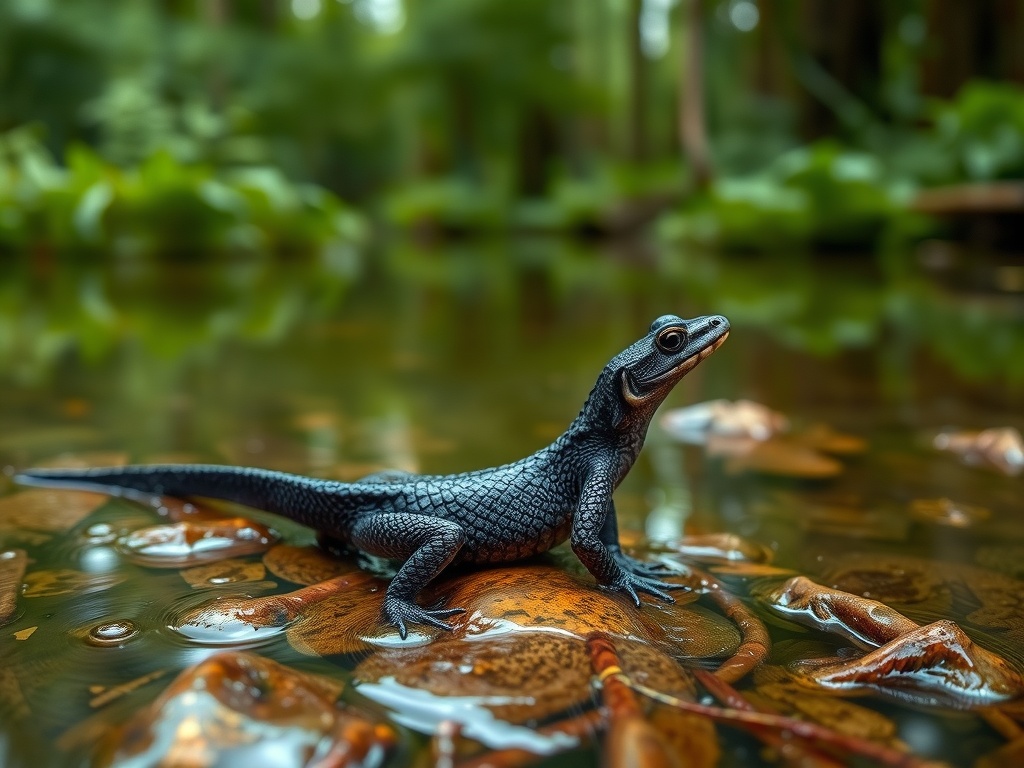
Italian Crested Newt
Triturus carnifex
The Italian Crested Newt is a large, semi-aquatic amphibian native primarily to Italy and parts of the Balkan Peninsula. Recognized by its robust body, dark marbled coloration, and the prominent jagged crest found on males during the breeding season, this species inhabits still or slow-moving freshwater bodies. It spends much of its life on land, seeking shelter in woodlands, meadows, or gardens, but returns to water each spring to breed. Italian Crested Newts are sensitive to environmental changes, making them important indicators of ecosystem health.
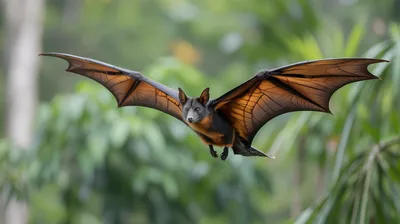
Large Flying Fox
Pteropus vampyrus
The Large Flying Fox, also known as the Malayan Flying Fox, is one of the largest bat species in the world, notable for its impressive wingspan that can reach up to 1.5 meters. Unlike many bats, it does not use echolocation but relies on its keen sense of sight and smell to locate food, primarily feeding on fruits, nectar, and flowers. These bats play a vital role in their ecosystems as important pollinators and seed dispersers in tropical forests. They roost communally in large colonies, often numbering in the thousands, and are most active at night when they forage for food.
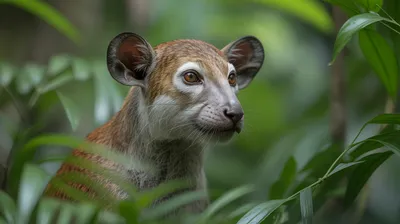
Linsang
Prionodon linsang / Prionodon pardicolor / Poiana richardsonii / Poiana leightoni
Linsangs are slender, agile carnivorous mammals that resemble cats or civets but belong to their own distinct families. There are four recognized species: two Asian linsangs (Prionodon linsang and Prionodon pardicolor) and two African linsangs (Poiana richardsonii and Poiana leightoni). Characterized by their elongated bodies, short legs, long tails, and striking patterns of spots and stripes, linsangs are nocturnal and arboreal hunters. They are highly elusive and rarely seen in the wild, spending much of their time in dense forests where they hunt small vertebrates and insects. Their secretive nature and remote habitats make them one of the lesser-known small carnivores.
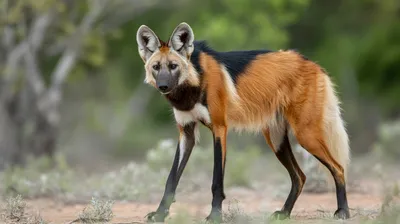
Maned Wolf
Chrysocyon brachyurus
The Maned Wolf is the largest canid of South America, renowned for its long legs and fox-like appearance, though it is neither a true wolf nor a fox. Its striking reddish coat and distinctive black mane, which can be raised in displays of aggression or excitement, make it easily recognizable. Adapted for life in tall grasslands, the Maned Wolf is a solitary and elusive animal, primarily active during twilight and nighttime hours. Unlike other large canids, it has a varied diet and plays an essential role in seed dispersal within its ecosystem.