
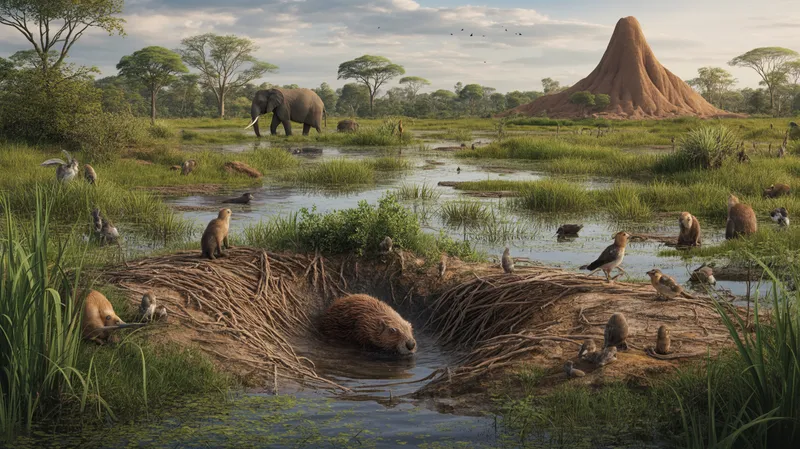
When we think of engineers, we might picture humans in hard hats and blueprints. But in the natural world, some of the most remarkable architects are animals. Beavers, termites, and elephants are master builders whose activities transform landscapes, create habitats for other species, and maintain the health and resilience of entire ecosystems. Understanding these ecosystem engineers not only deepens our appreciation for the wild but also inspires new approaches to conservation and habitat restoration—both vital for the future of biodiversity.
What Is an Ecosystem Engineer?
Scientists define ecosystem engineers as organisms that directly or indirectly influence the availability of resources to other species by causing physical state changes in biotic or abiotic materials. These changes can be as dramatic as building dams or as subtle as altering soil chemistry. By reshaping their environments, these animals help sustain the living web around them. Let’s explore how beavers, termites, and elephants act as nature’s architects.
Beavers: The Wetland Constructors
How Beavers Build
Beavers (genus Castor) are famous for their dam-building skills. Using trees, branches, mud, and stones, they construct dams across streams and rivers, creating ponds and wetlands. This activity is not just a survival strategy—it's a foundation for entire ecosystems. Recent studies have shown that beaver-created wetlands can store up to 30 times more water than streams without beavers, providing critical drought resilience in changing climates (Hood & Bayley, 2022).
Biodiversity Benefits
- Natural Flood Control: Beaver dams slow water flow, reducing downstream flooding and erosion.
- Habitat Creation: The ponds and wetlands support amphibians, fish, birds, and mammals, increasing local biodiversity.
- Water Purification: Wetlands filter sediment and pollutants, improving water quality for all creatures downstream.
- Carbon Storage: Wetlands trap organic matter, sequestering carbon and buffering climate change.
Beaver ponds often attract birds like the Superb Fairywren, which thrive in the dense vegetation around wetlands and benefit from insect abundance in these revitalized habitats.
Beaver Rewilding & Conservation
Many countries are reintroducing beavers as a form of natural ecosystem management. In the UK and parts of North America, beaver rewilding projects have led to rapid increases in wetland biodiversity and improved water management. These efforts underscore how animal architects can be powerful allies in ecological restoration.
Termites: Underground Builders and Soil Engineers
Termite Mounds—Complex Constructions
Termites, especially those in the genera Macrotermes and Odontotermes, construct towering mounds that can reach up to 8 meters in height. These mounds are marvels of natural engineering, featuring complex ventilation systems that regulate temperature and humidity, and intricate networks of tunnels and chambers for farming fungus and raising young.
Soil Health and Productivity
"Termites are the unsung heroes of the savanna, turning poor soils into fertile hotspots of life." — Dr. Kate Parr, Ecologist
- Soil Enrichment: Termite activity mixes organic matter into the soil, enhancing nutrient cycling and fertility.
- Water Infiltration: Their tunnels increase the soil’s ability to absorb and retain water, reducing runoff and drought impacts.
- Biodiversity Islands: The mounds themselves become microhabitats, supporting unique plants and animals not found elsewhere.
Interestingly, animals such as the Yellow Mongoose are known to make use of abandoned termite mounds as safe dens, taking advantage of the stable temperatures and protection from predators.
Termites and Climate Regulation
Recent research published in Science (2023) highlights the role of termites in climate resilience: termites help slow the decomposition of plant material during droughts, maintaining soil productivity even as rainfall patterns shift. This finding underscores the importance of protecting termite populations as climate change accelerates.
Elephants: The Giants Who Shape the Land
Landscape Architects
Elephants are sometimes called keystone species because their feeding, walking, and digging behaviors have outsized effects on their surroundings. African and Asian elephants knock down trees to feed on leaves and bark, opening up woodlands and creating grasslands. This habitat transformation benefits grazing animals and increases plant diversity.
- Water Creation: During dry seasons, elephants dig water holes in dry riverbeds, providing vital water sources for many species.
- Seed Dispersal: Elephants transport and disperse seeds over long distances in their dung, aiding forest regeneration.
- Habitat Diversity: By converting closed forests to savannas, elephants support a broader range of wildlife, including birds like the Northern Bald Ibis that rely on open, semi-arid habitats for foraging and nesting.
Elephants and Ecosystem Resilience
Recent GPS tracking studies have revealed that elephant movement patterns can predict the resilience of ecosystems to drought and fire. Where elephants roam, landscapes tend to recover more quickly from natural disturbances, showing the profound role these animals play in maintaining ecological balance.
Connections Across the Animal Kingdom
Nature’s architects rarely work alone. The structures and changes these animals create ripple through their habitats, providing opportunities for countless other species. For example, the Eurasian Eagle-owl often nests on cliffs and rocky outcrops, but also uses abandoned burrows or tree cavities in landscapes transformed by elephants and beavers. Similarly, the Bernese Mountain Dog, while a domestic companion today, shares a heritage with wild canids that rely on burrows, dens, and open spaces engineered by other animals.
Lessons for Conservation & Human Communities
Working with Nature, Not Against It
Modern conservation increasingly recognizes the value of ecosystem engineers. By protecting or reintroducing species like beavers and elephants, we can restore natural processes that benefit both wildlife and people. For example, beaver wetlands can reduce the risk of catastrophic flooding in human communities, while elephant-shaped savannas support sustainable ecotourism and agriculture.
Inspiration for Sustainable Living
Architects and engineers are studying termite mounds for innovations in passive cooling and ventilation, inspiring greener buildings. The interconnectedness seen in these animal-built habitats encourages us to design our own environments with nature in mind—prioritizing resilience, diversity, and coexistence.
What You Can Do
- Support wildlife-friendly land management and rewilding projects in your region.
- Choose products and foods that protect critical habitats.
- Educate others about the importance of ecosystem engineers and biodiversity.
- Volunteer with or donate to organizations working to conserve keystone species.
Looking Ahead: Protecting Nature’s Architects
The survival of beavers, termites, and elephants is closely tied to the health of our planet. Climate change, habitat loss, and human-wildlife conflict threaten these remarkable builders. By championing their protection, we safeguard the intricate web of life that depends on their architecture. As research continues to uncover the full impact of ecosystem engineers, it’s clear that working with nature’s architects is one of the most effective ways to ensure a thriving planet for generations to come.
Further Exploration
- Learn about other keystone species, like the Kakapo, and their unique roles in sensitive ecosystems.
- Discover how birds such as the Noisy Miner adapt to human-altered landscapes, offering lessons for urban biodiversity.