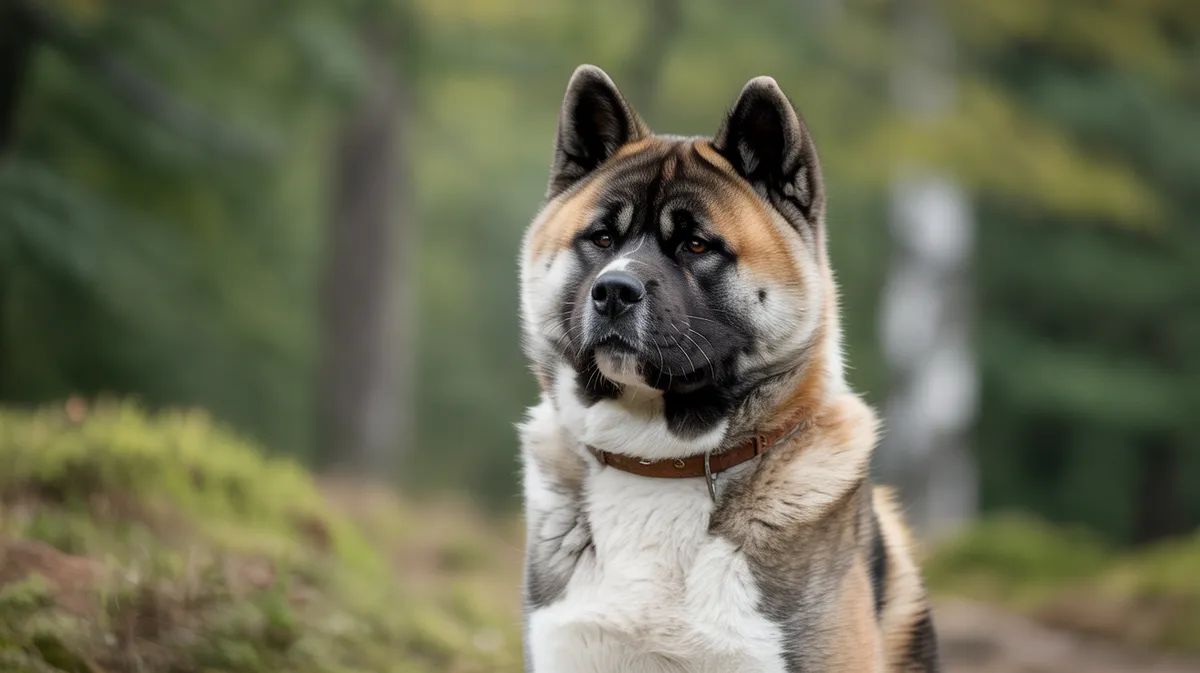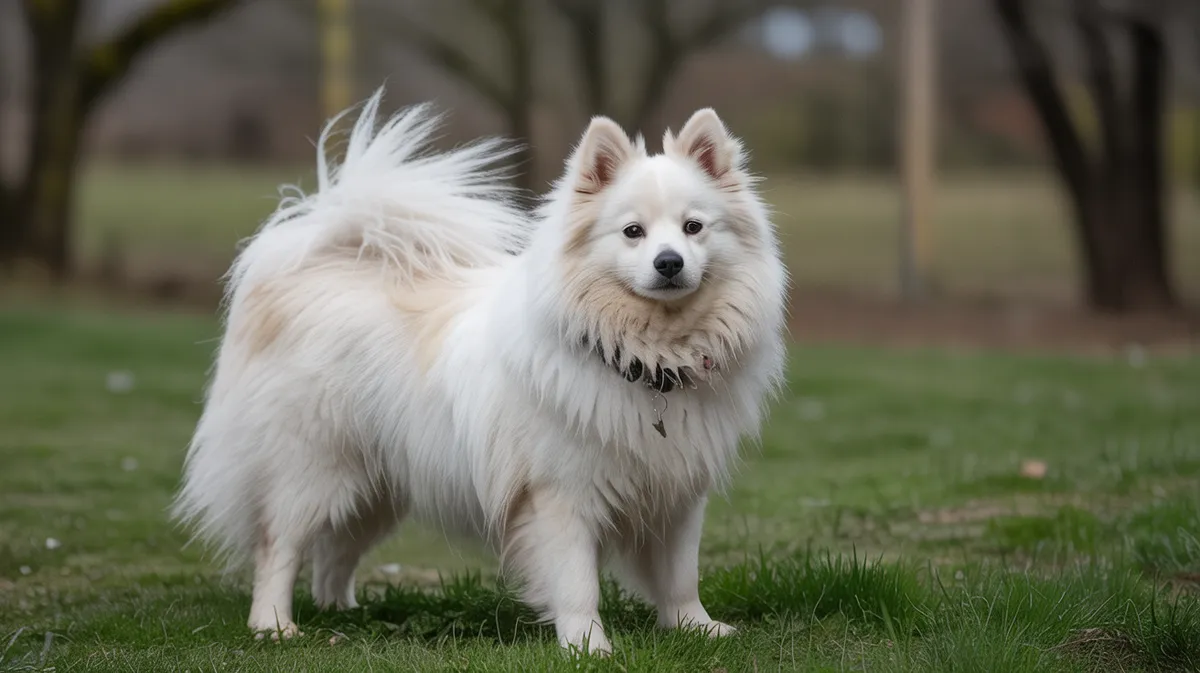
Alaskan Malamute vs Nova Scotia Duck Tolling Retriever
How does the Alaskan Malamute compare to the Nova Scotia Duck Tolling Retriever? They are both members of the Canidae family. Below we put their classification, habitat, diet, size, and conservation status side by side — and settle who would win in a fight.
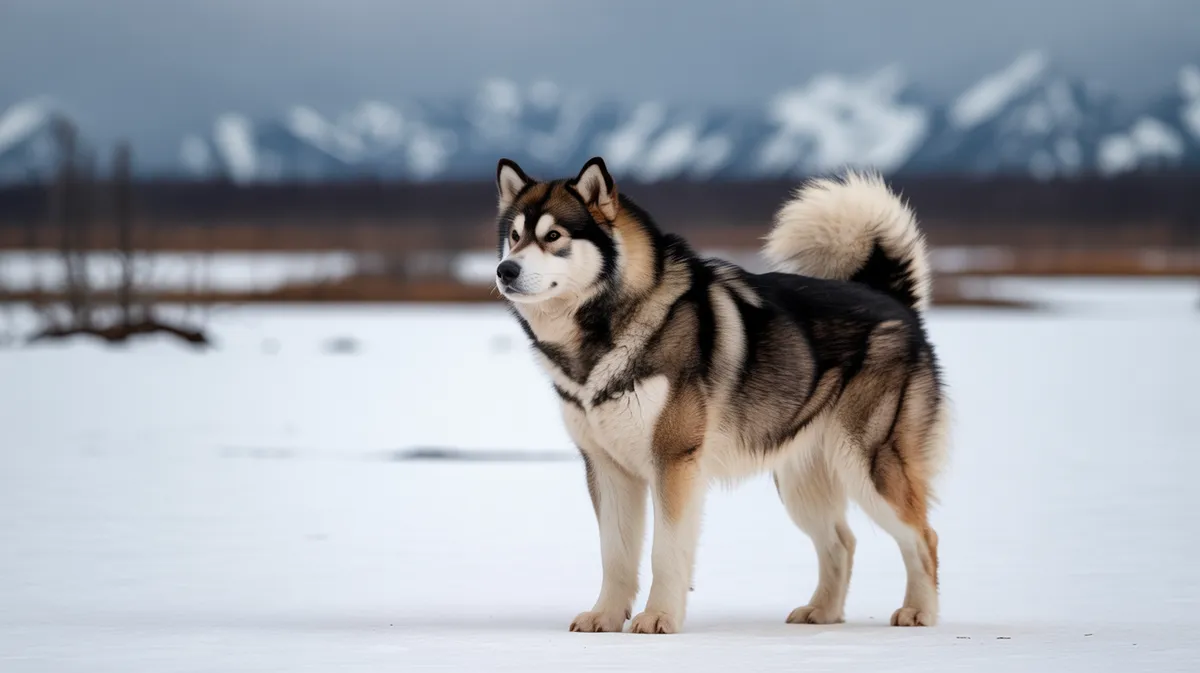

Side-by-side comparison
- Scientific name
- Canis lupus familiaris
- Canis lupus familiaris
- Classification
- Mammal
- Mammal
- Family
- Canidae
- Canidae
- Habitat
- Arctic and subarctic regions, domestic environments
- Wetlands, lakeshores, and forested areas near water
- Diet
- Omnivore
- Omnivore
- Conservation status
- Least Concern
- Least Concern
- Lifespan
- 10-14 years
- 12-14 years
- Weight
- 34–43 kg (75–95 lbs)
- 35-50 lbs (16-23 kg)
Alaskan Malamute vs Nova Scotia Duck Tolling Retriever: who would win?
Alaskan Malamute
34–43 kg (75–95 lbs)
Nova Scotia Duck Tolling Retriever
35-50 lbs (16-23 kg)
Too close to call speculative confidence
Alaskan Malamute and Nova Scotia Duck Tolling Retriever are closely matched on both size (34–43 kg (75–95 lbs) vs 35-50 lbs (16-23 kg)) and diet, so the outcome would come down to circumstance. In the wild these two rarely (if ever) meet — this is a what-if based on the size and diet we have on record, not a prediction.
Similarities
- Both are mammals.
- Both belong to the Canidae family.
- Both have a omnivore diet.
- Both are listed as Least Concern.
Differences
- Habitat: Arctic and subarctic regions, domestic environments vs Wetlands, lakeshores, and forested areas near water.
- Weight: 34–43 kg (75–95 lbs) vs 35-50 lbs (16-23 kg).
Alaskan Malamute vs Nova Scotia Duck Tolling Retriever: FAQ
Who would win in a fight, a Alaskan Malamute or a Nova Scotia Duck Tolling Retriever?
Too close to call. Alaskan Malamute and Nova Scotia Duck Tolling Retriever are closely matched on both size (34–43 kg (75–95 lbs) vs 35-50 lbs (16-23 kg)) and diet, so the outcome would come down to circumstance. In the wild these two rarely (if ever) meet — this is a what-if based on the size and diet we have on record, not a prediction.
What is the difference between a Alaskan Malamute and a Nova Scotia Duck Tolling Retriever?
Alaskan Malamute and Nova Scotia Duck Tolling Retriever differ in several ways — habitat: arctic and subarctic regions, domestic environments vs wetlands, lakeshores, and forested areas near water. weight: 34–43 kg (75–95 lbs) vs 35-50 lbs (16-23 kg).
Do Alaskan Malamute and Nova Scotia Duck Tolling Retriever live in the same habitat?
No — Alaskan Malamute lives in arctic and subarctic regions, domestic environments, while Nova Scotia Duck Tolling Retriever is found in wetlands, lakeshores, and forested areas near water.
What do Alaskan Malamute and Nova Scotia Duck Tolling Retriever eat?
Both Alaskan Malamute and Nova Scotia Duck Tolling Retriever have a omnivore diet.
Which is more endangered, the Alaskan Malamute or the Nova Scotia Duck Tolling Retriever?
Alaskan Malamute is listed as Least Concern, while Nova Scotia Duck Tolling Retriever is listed as Least Concern.
How big are Alaskan Malamute and Nova Scotia Duck Tolling Retriever?
Alaskan Malamute weighs around 34–43 kg (75–95 lbs), while Nova Scotia Duck Tolling Retriever weighs around 35-50 lbs (16-23 kg).
Full profile
Alaskan Malamute
Full profile
Nova Scotia Duck Tolling Retriever