
Greater Sage-Grouse — printable fact sheet
Free to print or save as PDF. Great for classrooms, homeschooling, and young explorers.
Creature Atlas
Animal Fact Sheet
Name: ____________________
Date: ____________________
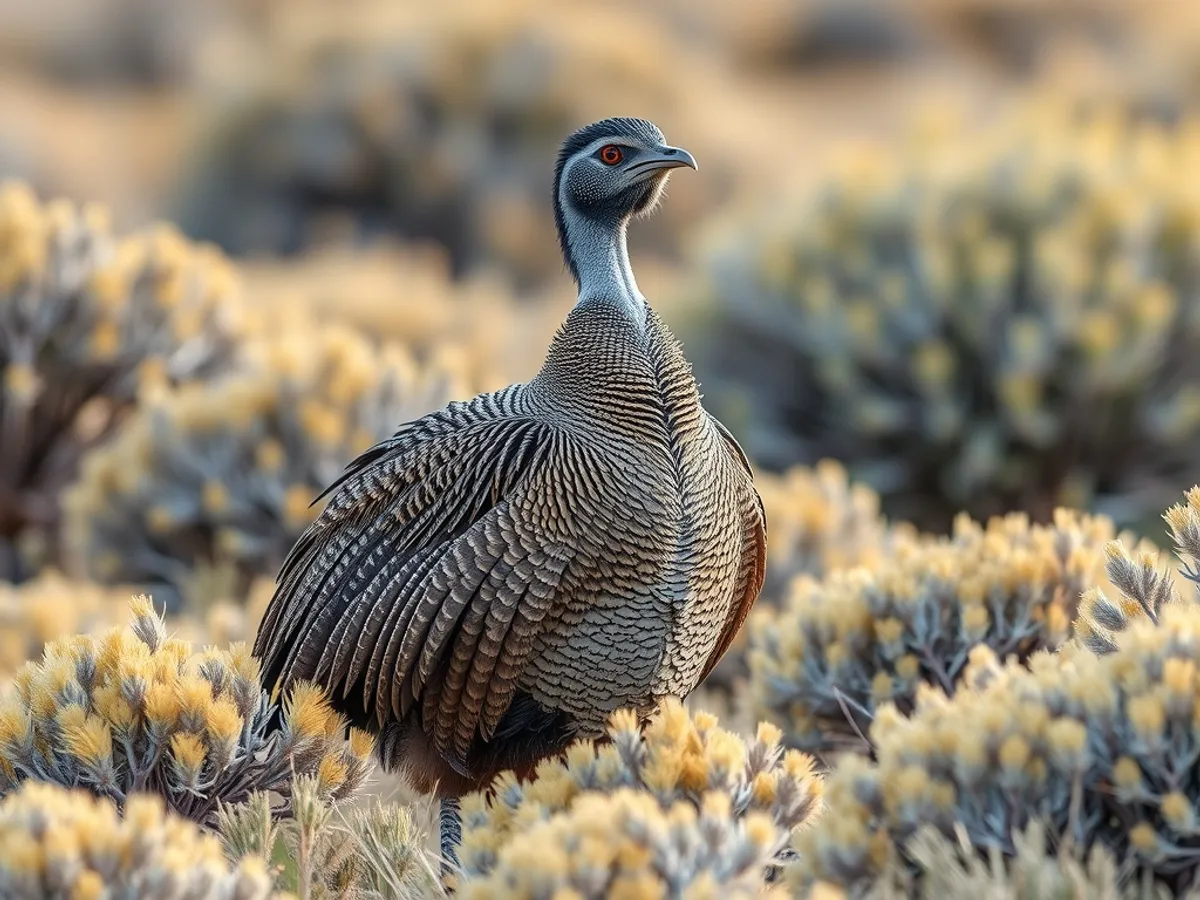
Greater Sage-Grouse
Centrocercus urophasianus
Centrocercus urophasianus is a sagebrush obligate: it eats sagebrush leaves through the entire winter, roosts under sagebrush, and nests under it, and it has no gizzard capable of grinding hard seeds, so it cannot switch to grain the way other grouse can. That single dependency …
Did you know?
- Despite their large size and elaborate displays, Greater Sage-Grouse are strong fliers and can travel over 80 km in a single day in search of suitable habitat.
- The male's air sacs are not in the throat but in the oesophagus, which he inflates with over a litre of air and then snaps against the chest to make the pop. Sage-grouse chicks need insects, not sagebrush, for their first weeks, so a good breeding year depends on forb-rich wet meadows that adults barely use. Leks are so traditional that some sites have been in continuous use for over a century, and birds return to them even after the surrounding habitat has been destroyed.
What I learned
Draw the greater sage-grouse
© Creature Atlas · www.creatureatlas.com · Free for classroom & personal use
Want the whole set?
Get printable fact-sheet packs, coloring pages, and classroom worksheet bundles for dozens of animals — ready to download and print.
Browse printable packsGet a free printable each week
Join the newsletter for a new Creature of the Week + printables.