
About the Black-winged Stilt
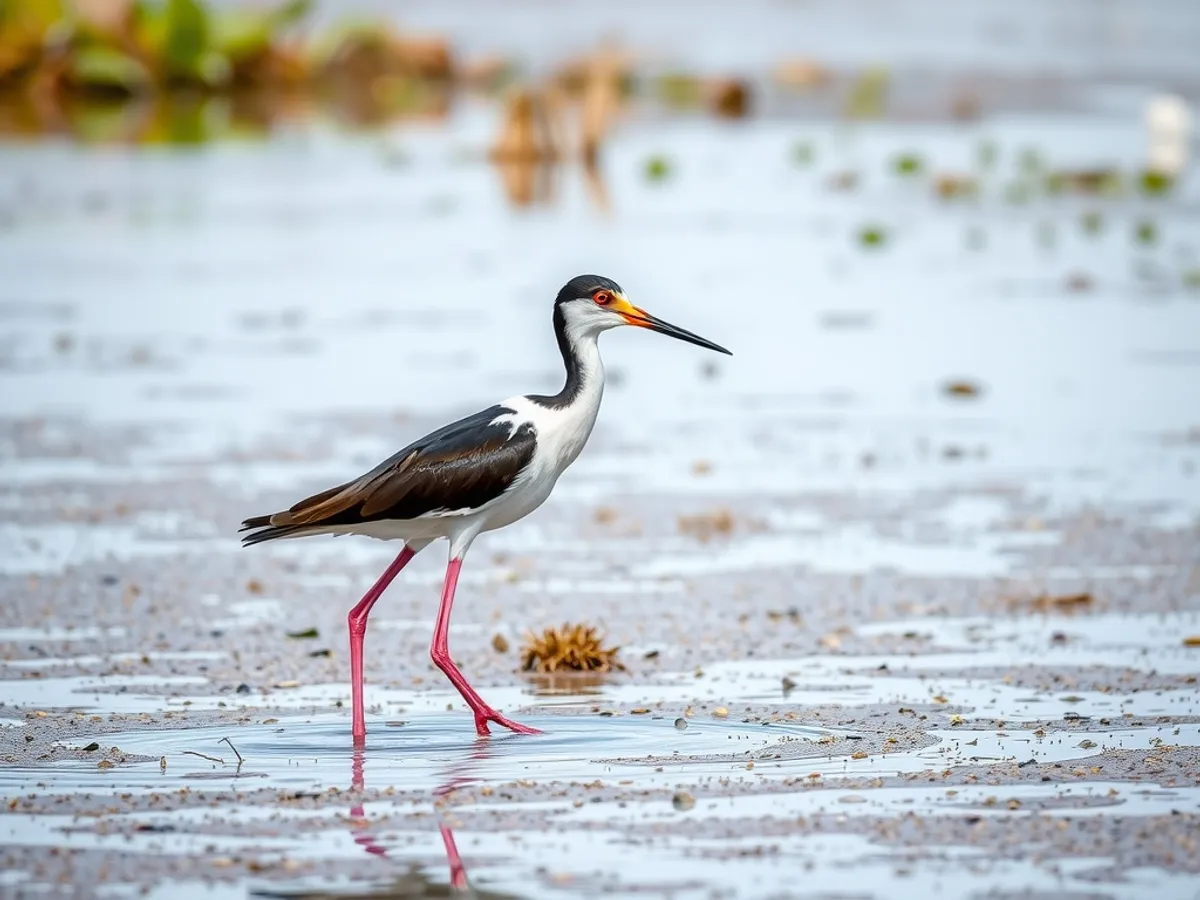
The Black-winged Stilt is a striking wader known for its long, slender pink legs and contrasting black-and-white plumage. It inhabits shallow wetlands, marshes, and saline lakes across Europe, Africa, Asia, and Australia. This bird feeds primarily on aquatic invertebrates, using its long bill to forage in mudflats and shallow waters. Black-winged Stilts are highly social, often seen in loose flocks, and their nests are typically placed on the ground near water. Their elegant appearance and distinctive calls make them a favorite among birdwatchers.
Fascinating facts
Extraordinary Legs
The Black-winged Stilt's legs can be longer than its entire body, allowing it to wade in deeper waters than most shorebirds.
Ground Nester
They build simple nests on the ground near water, often forming loose colonies with other waders.
Wide Range
This species has an extensive distribution, found on every continent except the Americas and Antarctica.
Detailed description
The Black-winged Stilt (Himantopus himantopus) is a medium-sized wader, notable for its exceptionally long, slender pink legs—among the longest relative to body size of any bird—which can measure up to 17–24 cm. Adults typically have a body length of 33–36 cm and a wingspan of 67–83 cm, weighing between 160–200 grams. The plumage is strikingly contrasted: the head, neck, and underparts are white, while the wings and back are glossy black; males often have a darker, more solid black mantle, while females and juveniles may show brownish tones. The bill is long, thin, and straight, adapted for probing in mud and shallow water. Black-winged Stilts are highly gregarious, often forming large flocks outside the breeding season, and are known for their loud, high-pitched 'kik-kik-kik' calls. They exhibit strong site fidelity, returning to traditional breeding and wintering areas annually. Their flight is buoyant and direct, with legs trailing conspicuously behind the body. During the breeding season, they display elaborate courtship rituals, including synchronized preening and mutual calling. This species is migratory in the northern parts of its range, wintering in sub-Saharan Africa, the Indian subcontinent, and Southeast Asia, while populations in tropical and subtropical regions may be resident or nomadic.
Did you know?
Despite their delicate appearance, Black-winged Stilts aggressively defend their nests by mobbing predators and using distraction displays.
Research & sources
Wikipedia summary
The black-winged stilt is a widely distributed, very long-legged wader in the avocet and stilt family Recurvirostridae. Its scientific name, Himantopus himantopus, is sometimes used to generalize a single, almost cosmopolitan species. Alternatively, it is restricted to the form that is widespread in Europe, Asia and Africa, which equals the nominate group of H. himantopus sensu lato. Meanwhile, the black-necked and white-backed stilts both inhabit the Americas; the pied stilt ranges from Australasia and New Zealand. Today, most sources accept between one and four actual species.
Behaviour & social structure
Black-winged Stilts are diurnal and spend much of their day foraging in shallow waters, often in groups. Their feeding technique involves wading slowly through water, using their long legs to access deeper areas than most waders. They pick prey from the surface or just below, primarily consuming aquatic insects, crustaceans, mollusks, and occasionally small fish and tadpoles. Socially, they are tolerant of conspecifics and often nest in loose colonies, which can provide some protection from predators. During the breeding season, they become territorial and aggressively defend nesting sites, performing distraction displays and mobbing intruders. Outside breeding, they roost communally, sometimes with other wader species. Their daily routine includes periods of feeding interspersed with preening, resting, and social interactions, especially during midday heat.
Reproduction & life cycle
Black-winged Stilts are seasonally monogamous, with pair bonds typically lasting for a single breeding season. Courtship involves ritualized displays such as mutual preening, calling, and synchronized movements. Breeding occurs from March to August in temperate zones, but timing varies with latitude and local conditions. Nests are shallow scrapes on bare ground or small islands, often lined with vegetation and situated near water. Clutch size is usually 3–5 eggs, which are pale buff with dark blotches. Both parents share incubation duties for 22–26 days. Chicks are precocial and leave the nest within a day of hatching, but remain under parental protection. Both adults tend the young, leading them to foraging areas and defending them vigorously against predators. Fledging occurs at 28–32 days post-hatching.
Adaptations & survival
The Black-winged Stilt's long legs enable it to forage in deeper water than most waders, reducing competition for food. Its slender, straight bill is specialized for picking small prey from the water surface and mud. The species' high-pitched alarm calls and aggressive nest defense behaviors are effective against a range of predators. Their cryptic eggs and precocial chicks enhance survival in open wetland habitats. Migratory populations exhibit strong navigational abilities, traveling thousands of kilometers between breeding and wintering grounds. Flexible breeding strategies, including the ability to re-nest after clutch loss, allow them to exploit variable wetland conditions.
Cultural significance
The Black-winged Stilt is admired in many cultures for its elegance and striking appearance, often symbolizing grace and balance. In Mediterranean folklore, it is sometimes associated with the arrival of spring and prosperity. The species features in local art and birdwatching tourism, particularly in Europe and Africa, where its conspicuous presence in wetlands makes it a flagship species for wetland conservation. There are no known traditional uses of the species in medicine or cuisine.
Recent research
Recent genetic studies have clarified the complex taxonomy of the Himantopus genus, suggesting that what was once considered a single cosmopolitan species may comprise several distinct species or subspecies. Ongoing research focuses on migratory connectivity using satellite tracking, revealing detailed migration routes and stopover sites. Studies on breeding ecology have examined the impacts of habitat modification and climate change on reproductive success. Behavioral research has documented sophisticated anti-predator strategies and social dynamics within colonies. Conservation projects in Europe and Asia are monitoring population trends and advocating for the protection and restoration of key wetland habitats.
Videos
Habitat
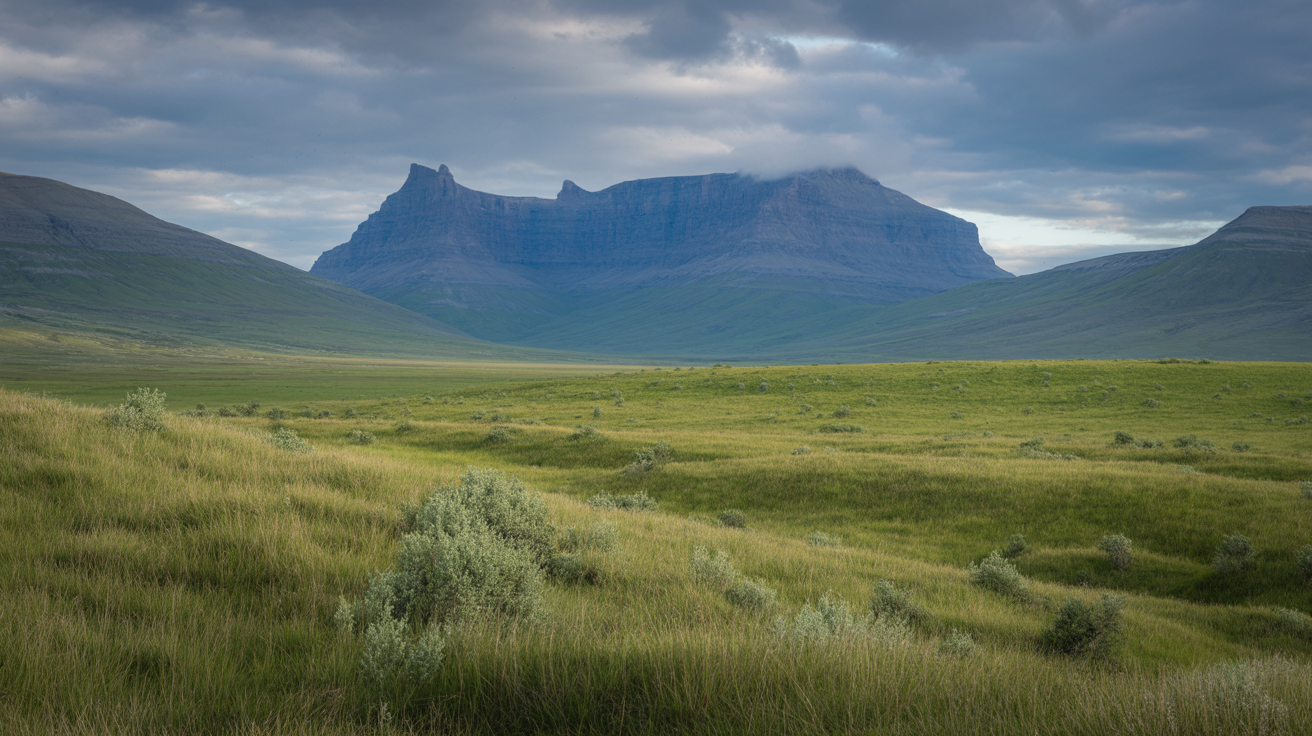
Wetlands and shallow freshwater or saline lakes

Conservation
The Black-winged Stilt is currently classified as Least Concern on the IUCN Red List.
Threats & challenges
While globally assessed as Least Concern, Black-winged Stilts face localized threats. Wetland drainage, habitat fragmentation, pollution (especially pesticides and heavy metals), and disturbance from human recreation and development are significant challenges. In some regions, egg predation by introduced mammals and birds, as well as nest flooding due to water management practices, affect breeding success. Climate change poses long-term risks by altering wetland hydrology and increasing the frequency of droughts. Despite these threats, the species' adaptability and wide distribution have maintained stable global populations, though some local declines are reported.
Taxonomy
Scientific name
Himantopus himantopus
- Kingdom
- Animalia
- Phylum
- Chordata
- Class
- Aves
- Order
- Charadriiformes
- Family
- Recurvirostridae
- Genus
- Himantopus
- Species
- himantopus
Where to see a black-winged stilt
1 zoo and aquarium in 1 country are recorded as keeping this species.
Community notes
Share your observations about the Black-winged Stilt.
No community notes yet. Be the first!
Discover more wildlife
More fascinating animals from the encyclopedia.