
About the Bonytail Chub
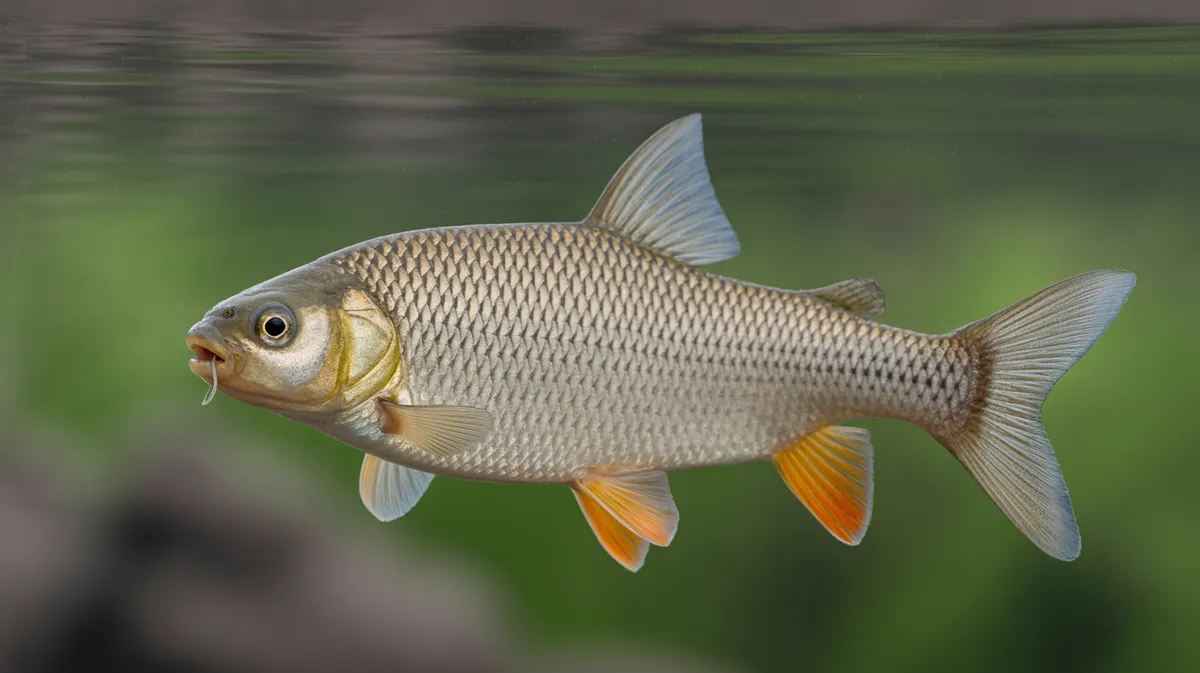
The Bonytail Chub is a rare freshwater fish endemic to the Colorado River Basin in the southwestern United States. It is easily recognized by its slender body, long bony tail base, and small head, adaptations suited for swift river currents. This species is highly specialized, historically thriving in large, turbulent river systems, but its populations have dramatically declined due to habitat modification and competition from invasive species. Today, the Bonytail Chub is considered one of the most endangered fish in North America and is the focus of extensive conservation and recovery efforts.
Fascinating facts
River Specialist
The Bonytail Chub is specially adapted to powerful, shifting river currents, which has made it vulnerable to habitat changes caused by dams and water diversion.
Long Lifespan
This species can live up to 40 years, a remarkable age for a freshwater fish in harsh desert river environments.
Conservation Focus
Intensive hatchery breeding and stocking programs are underway to prevent its extinction and restore wild populations.
Detailed description
The Bonytail Chub (Gila elegans) is a slender, elongate cyprinid fish, typically reaching adult lengths of 30–60 cm (12–24 in) and weights up to 1 kg (2.2 lbs), though most individuals are smaller. Its most distinctive feature is the extremely narrow, laterally compressed caudal peduncle (the 'bony tail'), which gives the species its common name and enhances its swimming efficiency in swift currents. The body is generally gray to olive dorsally, fading to silvery sides and a whitish belly, with a small, conical head and terminal mouth adapted for omnivorous feeding. Fins are relatively long and pointed, aiding maneuverability in turbulent water. The species is highly adapted to large, dynamic river systems, often inhabiting deep channels, eddies, and backwaters. Bonytail Chub are generally solitary but may form loose aggregations, especially during spawning periods. Their lifespan can exceed 40 years, with slow growth and late sexual maturity (typically 4–7 years). They exhibit high site fidelity, often returning to the same spawning grounds annually. The species' morphology and physiology reflect evolutionary specialization for survival in the historically unpredictable, sediment-rich, and seasonally variable flows of the pre-dam Colorado River.
Did you know?
The Bonytail Chub's natural populations are so depleted that there are fewer than a few hundred individuals left in the wild, making them almost extinct outside of conservation programs.
Research & sources
Wikipedia summary
The bonytail chub or bonytail is a species of freshwater ray-finned fish belonging to the family Leuciscidae, which includes the daces, chubs, Eurasian minnows and related species. This fish is native to the Colorado River basin of Arizona, California, Colorado, Nevada, New Mexico, Utah and Wyoming in the southwestern United States; it has been extirpated from the part of the basin in Mexico. It was once abundant and widespread in the basin, its numbers and range have declined to the point where it has been listed as endangered since 1980 (ESA) and 1986 (IUCN), a fate shared by the other large Colorado basin endemic fish species like the Colorado pikeminnow, humpback chub, and razorback sucker. It is now the rarest of the endemic big-river fishes of the Colorado River. There are 20 species in the genus Gila, seven of which are found in Arizona.
Behaviour & social structure
Bonytail Chub are primarily crepuscular, being most active during dawn and dusk. They are opportunistic omnivores, feeding on a variety of aquatic and terrestrial insects, zooplankton, algae, detritus, and occasionally small fish or crustaceans. Foraging occurs both in the water column and along the substrate, with individuals using their streamlined bodies to maneuver efficiently in strong currents. Social interactions are generally limited outside of the breeding season, as adults are largely solitary. Juveniles may form small schools for protection. Bonytail Chub exhibit strong homing behavior, often migrating considerable distances to reach preferred spawning or feeding sites. During periods of high river flow, they may seek refuge in backwaters or flooded side channels.
Reproduction & life cycle
Spawning typically occurs from late spring to early summer (May–July), triggered by rising water temperatures (16–22°C/61–72°F) and increased river flows. Bonytail Chub are broadcast spawners: females release adhesive eggs over gravel or cobble substrates in shallow, flowing water, while males simultaneously release milt for external fertilization. There is no nest building or parental care; eggs are left to develop independently. Fecundity is relatively high, with large females producing several thousand eggs per season. Incubation lasts 3–7 days depending on temperature, after which larvae drift downstream to nursery habitats such as backwaters and slow-moving side channels. Juvenile survival is highly dependent on the availability of suitable rearing habitats, which have been greatly reduced by river regulation.
Adaptations & survival
The Bonytail Chub exhibits several key adaptations for life in large, dynamic river systems. Its narrow caudal peduncle and deeply forked tail provide powerful propulsion and agility in fast currents. The streamlined, laterally compressed body reduces drag, while the small head and subterminal mouth facilitate feeding on a variety of food sources. Physiologically, the species is tolerant of wide fluctuations in temperature, turbidity, and dissolved oxygen—traits essential for survival in the historically variable Colorado River. Its long lifespan and delayed maturity are evolutionary responses to unpredictable recruitment opportunities in a highly variable environment. Behavioral adaptations include seasonal migrations and the use of floodplain habitats during high flows.
Cultural significance
The Bonytail Chub holds significance as a symbol of the unique biodiversity of the Colorado River and the ecological consequences of large-scale river modification in the American Southwest. While not widely featured in indigenous mythology or traditional fisheries, it has become an emblematic species for conservation efforts in the region. Its plight has raised public awareness about the impacts of water management and invasive species on native aquatic fauna, and it is frequently cited in environmental policy discussions and educational programs related to river restoration and endangered species recovery.
Recent research
Recent research has focused on refining captive breeding and reintroduction techniques, including genetic management to maintain diversity and maximize fitness of hatchery-reared fish. Studies have examined habitat preferences, movement patterns using radio telemetry, and the effects of flow regulation on spawning success. Ongoing work is investigating the potential for habitat restoration, such as the creation of artificial backwaters and managed floodplain inundation, to enhance recruitment. Genetic analyses have confirmed the distinctiveness of Gila elegans among Colorado River basin cyprinids, supporting its conservation priority. Long-term monitoring programs are tracking population trends and evaluating the effectiveness of management interventions.
Videos
Habitat
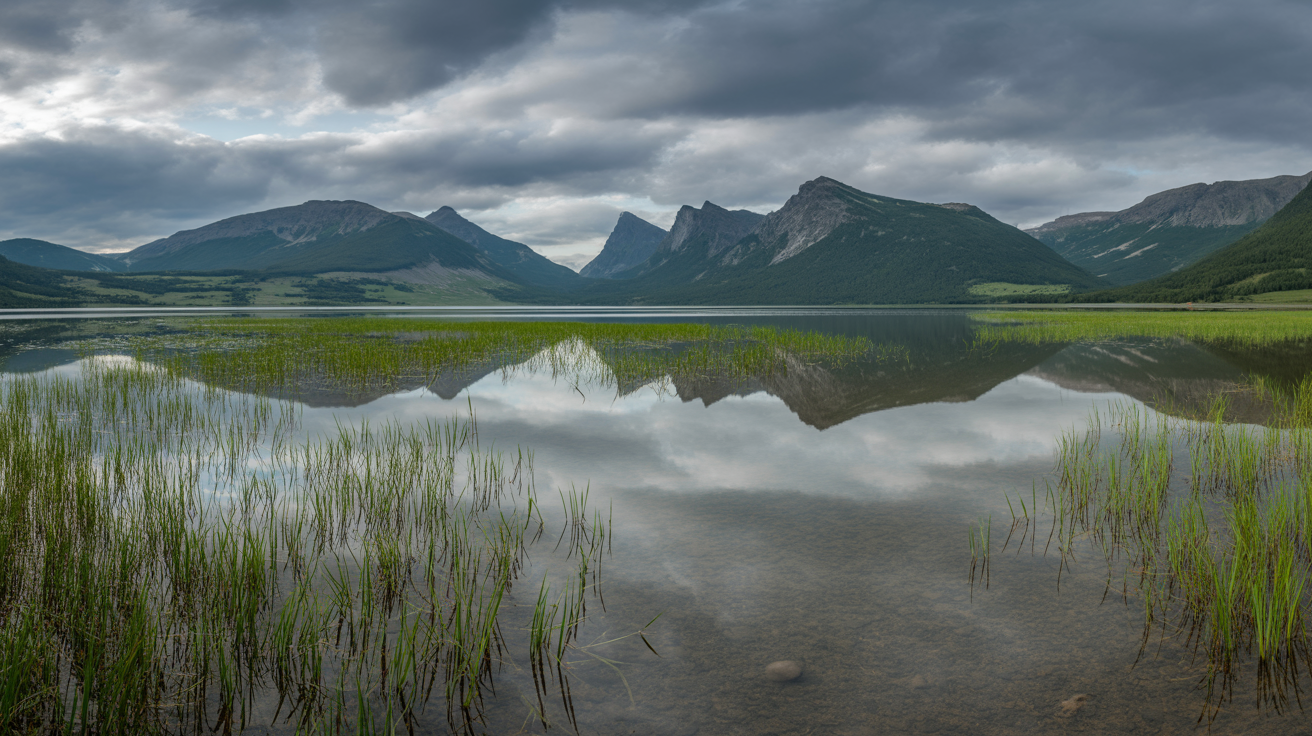
Large, fast-flowing rivers with deep channels and backwaters
Conservation
The Bonytail Chub is currently classified as Critically Endangered on the IUCN Red List.
Threats & challenges
Major threats to the Bonytail Chub include habitat loss and fragmentation due to dam construction, water diversion, and river channelization, which have drastically altered the flow regime and reduced the availability of spawning and nursery habitats. Invasive species, particularly non-native predatory fishes such as smallmouth bass and channel catfish, compete with or prey upon Bonytail Chub at all life stages. Altered sediment regimes and reduced seasonal flooding have further degraded critical habitats. The species' low reproductive rate and late maturity make population recovery slow and vulnerable to stochastic events. Despite extensive hatchery propagation and reintroduction efforts, wild populations remain critically low, with most extant individuals found in isolated reaches of the upper Colorado River basin.
Taxonomy
Scientific name
Gila elegans
- Kingdom
- Animalia
- Phylum
- Chordata
- Class
- Actinopterygii
- Order
- Cypriniformes
- Family
- Cyprinidae
- Genus
- Gila
- Species
- elegans
Community notes
Share your observations about the Bonytail Chub.
No community notes yet. Be the first!
Discover more wildlife
More fascinating animals from the encyclopedia.