

Fish
248 species in the encyclopedia
Gilled aquatic vertebrates with fins — the largest and most ancient group of vertebrates.
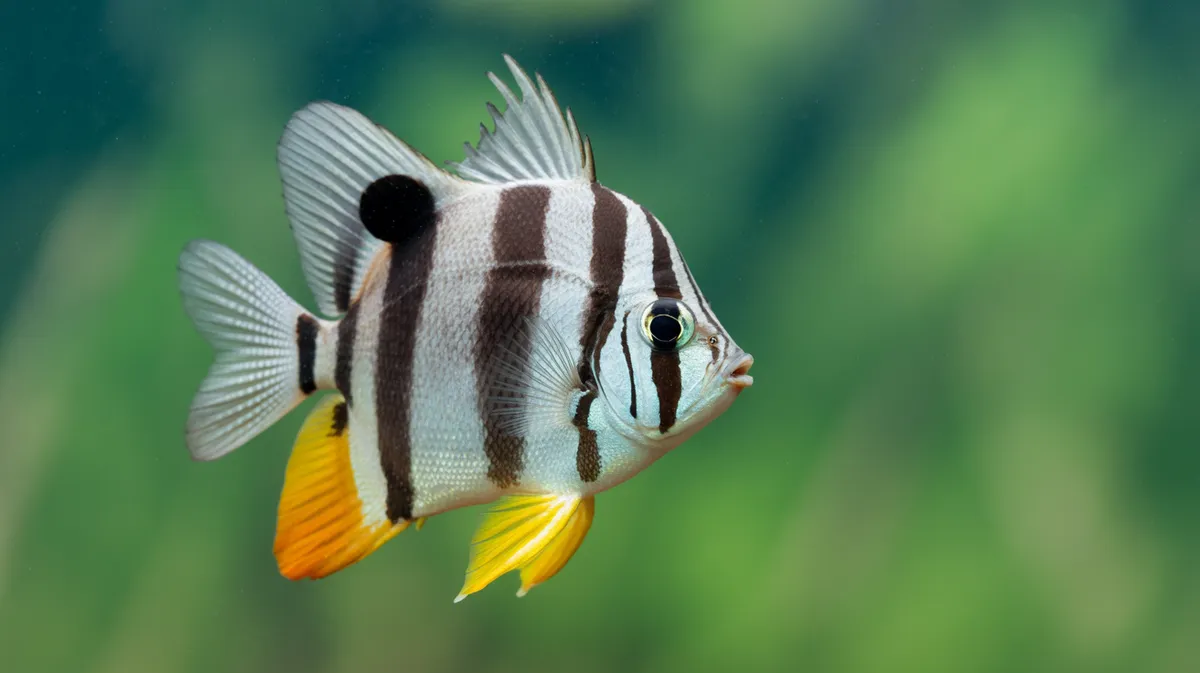
African Butterflyfish
Pantodon buchholzi
The African Butterflyfish is a distinctive freshwater fish known for its broad, wing-like pectoral fins and surface-dwelling lifestyle. Native to slow-moving rivers and swamps of West and Central Africa, this fish is specially adapted for life at the water's surface, where it hunts insects and small invertebrates. Its flattened body and upturned mouth allow it to capture prey efficiently, while its camouflage helps avoid predators. African Butterflyfish are popular in the aquarium trade due to their unique appearance and fascinating behaviors.
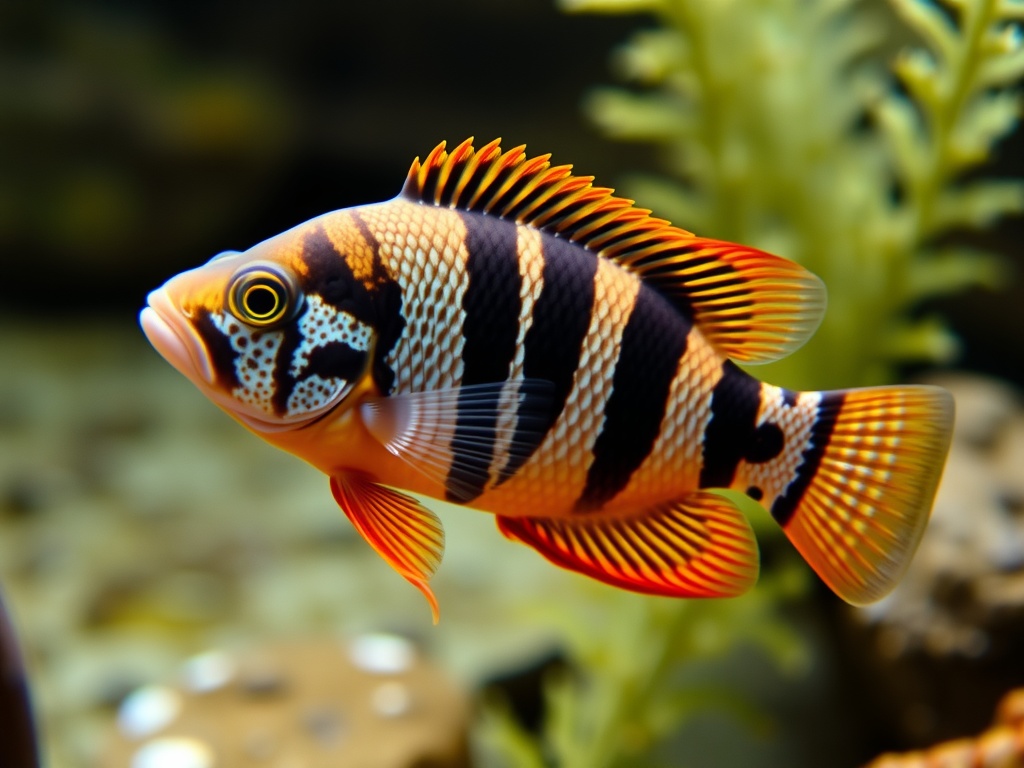
African cichlid
Various (notably Pseudotropheus zebra, Haplochromis burtoni, and others)
African cichlids are a diverse group of freshwater fish native primarily to the Great Rift Valley lakes of East Africa, especially Lakes Malawi, Tanganyika, and Victoria. They are renowned for their vivid coloration, complex social behaviors, and remarkable adaptability, with hundreds of species exhibiting a wide range of shapes and sizes. African cichlids are popular in the aquarium trade due to their striking appearance and active personalities, but they require specialized care. Their rapid speciation and ecological diversity make them a key subject in evolutionary biology studies. These fish play important roles in their native ecosystems, contributing to the unique biodiversity of African freshwater habitats.
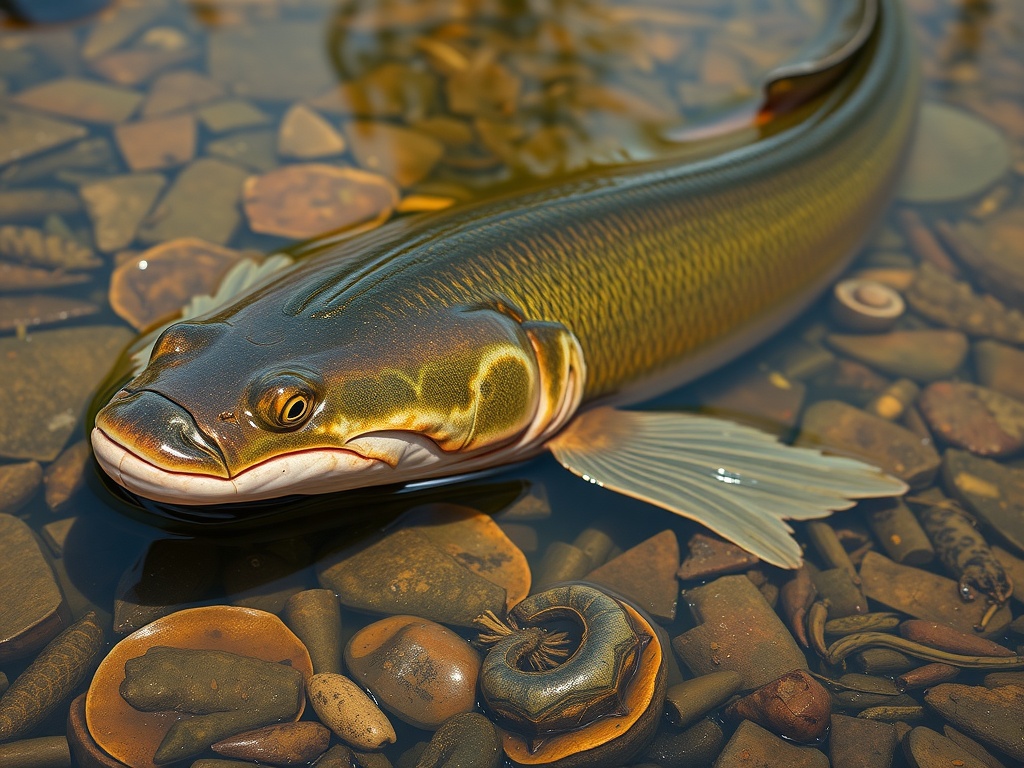
African lungfish
Protopterus annectens
An African lungfish will drown if you hold it underwater. Its gills are vestigial and it must surface to fill a pair of true lungs — an obligate air-breather among fish. When its swamp dries, it burrows into the mud, secretes a mucus cocoon that hardens around it leaving a breathing tube to the surface, converts its ammonia waste into far less toxic urea, and drops its metabolism as much as sixtyfold. In that state it can wait out drought for months, and there are records of individuals reviving after several years. Its heart has a partly divided atrium and a spiral valve in the outflow tract, keeping oxygenated and deoxygenated blood partly separate — an arrangement much closer to an amphibian's than to a typical fish's. The thin, filamentous pelvic fins are not decorative: laboratory work has shown Protopterus lifting its body off the bottom and "walking" on them with alternating strides, which reframes how tetrapod-style locomotion could have begun in water rather than on land. Lungfish are lobe-finned, and are more closely related to you than to a salmon.
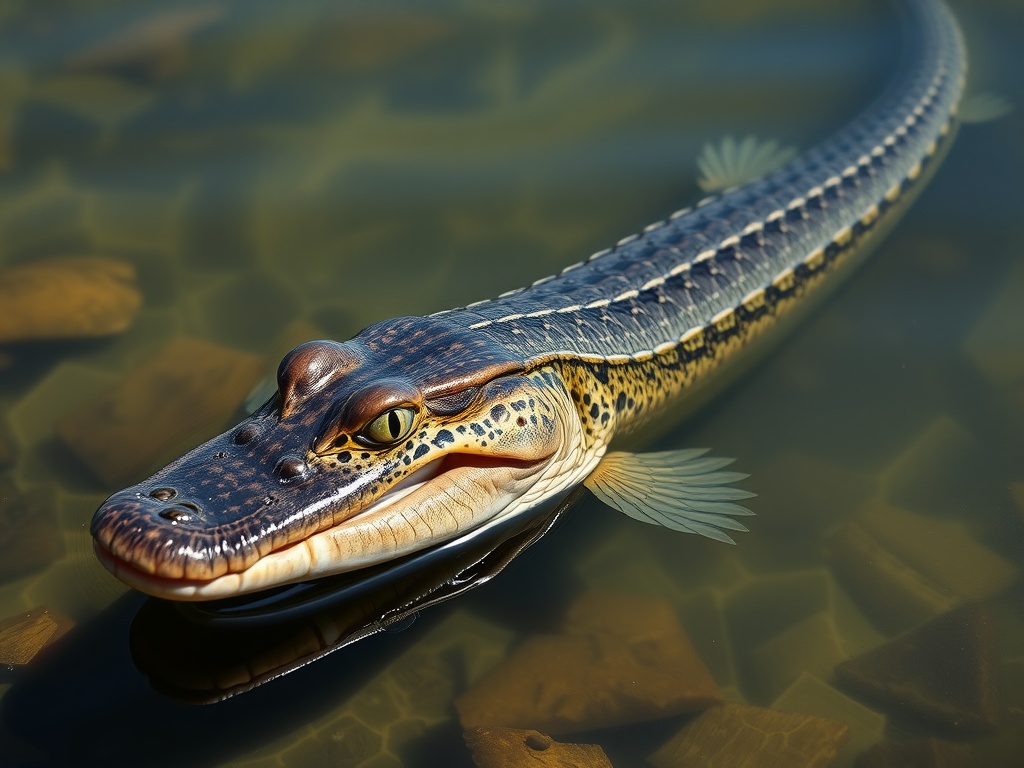
Alligator gar
Atractosteus spatula
The alligator gar is the largest fish that lives its whole life in fresh water in North America, reaching 2.5 m and over 130 kg, and it is armoured in a way no bony fish alive today matches. Its scales are ganoid: diamond-shaped, coated in a hard enamel-like layer of ganoine over a tough bony base, and interlocked into a lattice that behaves like chainmail — Native peoples used gar scales as arrowheads and gar hide as a covering for ploughs and shields. It breathes air through a vascularised swim bladder, which lets it hold on in the hot, oxygen-starved backwaters and oxbows where most predators suffocate. For most of the twentieth century it was branded a "trash fish" and deliberately culled by state agencies, which shot and netted them to protect sport fisheries; that view has reversed, and it is now valued as a native apex predator with a genuine appetite for invasive carp. It is also slow to recover from any of this: females may not spawn until around age ten and can live past fifty.
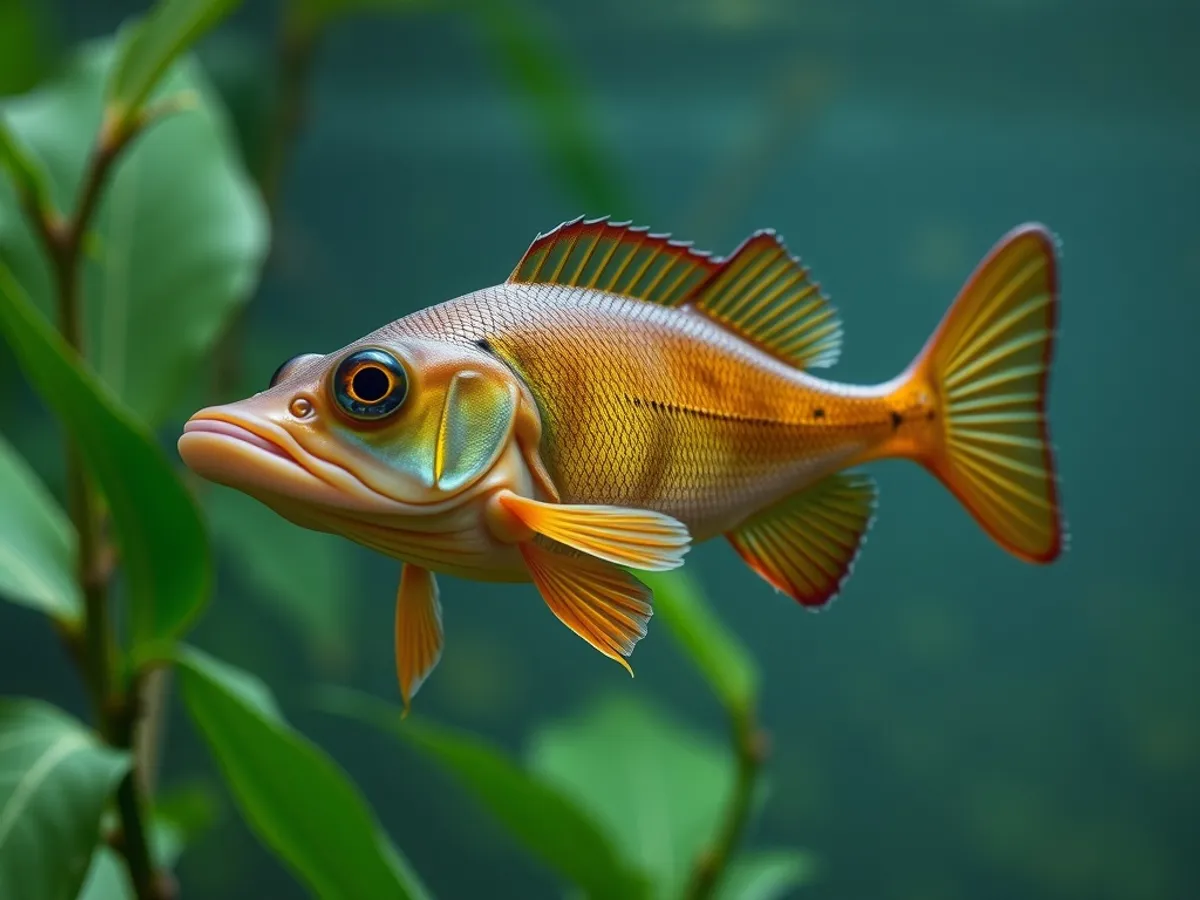
Amazon Leaf Fish
Monocirrhus polyacanthus
The Amazon Leaf Fish is a remarkable freshwater species native to the slow-moving streams and flooded forests of the Amazon Basin. This fish is famed for its extraordinary camouflage, mimicking a dead leaf in both appearance and movement to ambush unsuspecting prey. With a laterally flattened body, protruding lower jaw, and mottled brown coloration, it can remain motionless for long periods, blending seamlessly into its environment. Its feeding technique is highly specialized, using a large, extendable mouth to rapidly engulf small fish and invertebrates.
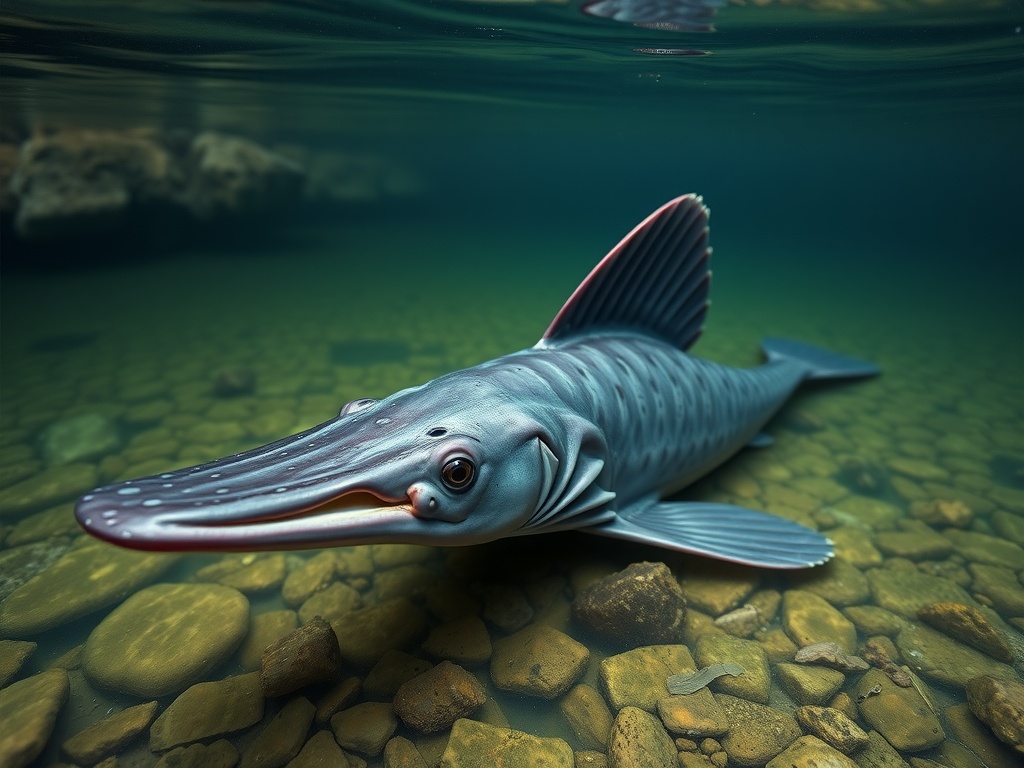
American Paddlefish
Polyodon spathula
The American Paddlefish is a large, ancient freshwater fish known for its long, paddle-shaped snout, called a rostrum, which can be up to one-third of its body length. It inhabits slow-moving waters of large rivers and reservoirs in the Mississippi River basin of North America. Paddlefish are filter feeders, primarily consuming zooplankton by swimming with their mouths open. This species is highly adapted to sensing electrical fields in the water with electroreceptors on its rostrum. Due to habitat fragmentation, overfishing, and pollution, American Paddlefish populations have declined in recent decades.
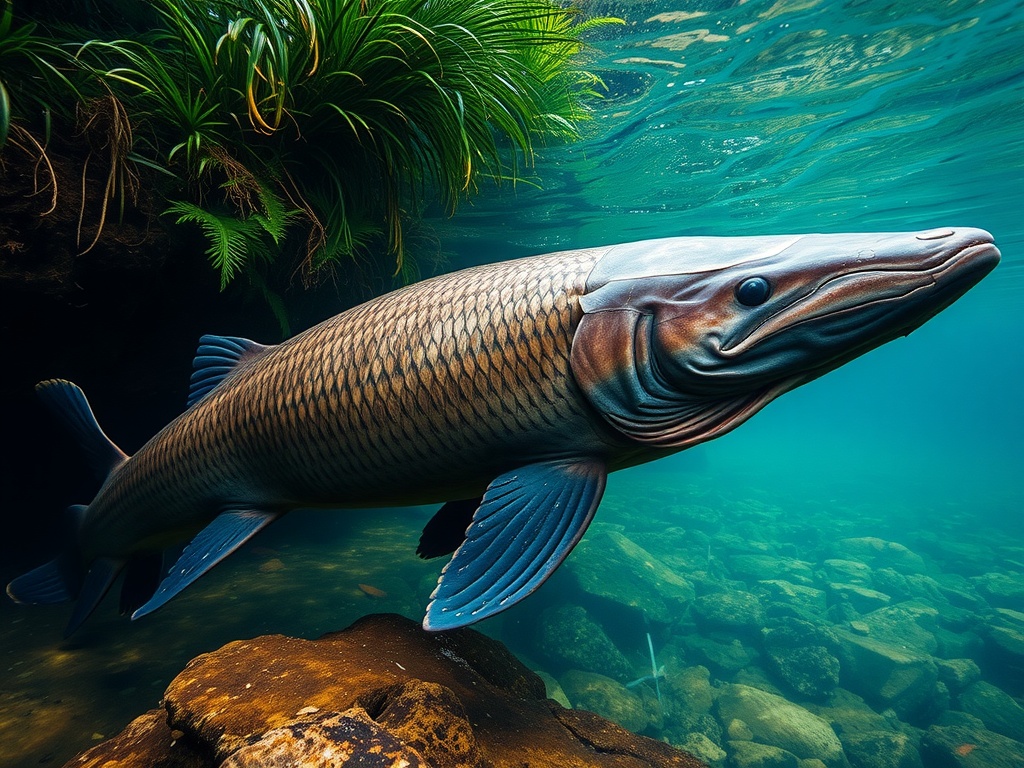
Arapaima
Arapaima gigas
The arapaima is an air-breather that will drown if it cannot reach the surface: its swim bladder is lined with lung-like tissue and it must gulp air roughly every five to twenty minutes, an adaptation to the oxygen-starved, seasonally stagnant floodwaters of the Amazon. That single fact reshaped both its ecology and its fate — because it must surface, fishermen can count it, and because it must surface, it can be harpooned. Its scales are a materials-science celebrity: a hard, mineralised outer layer sits over a tough, corrugated inner layer of collagen fibres arranged in a twisting Bouligand structure, so a crack that starts in the brittle shell is deflected and dissipated rather than propagating. Piranha teeth cannot get through them, and engineers have copied the design for flexible body armour. Adults reach 3 m and 200 kg. Males guard the young in a shoal beneath them, and a gland on the head releases a pheromone-rich secretion that the fry actively feed on and follow.
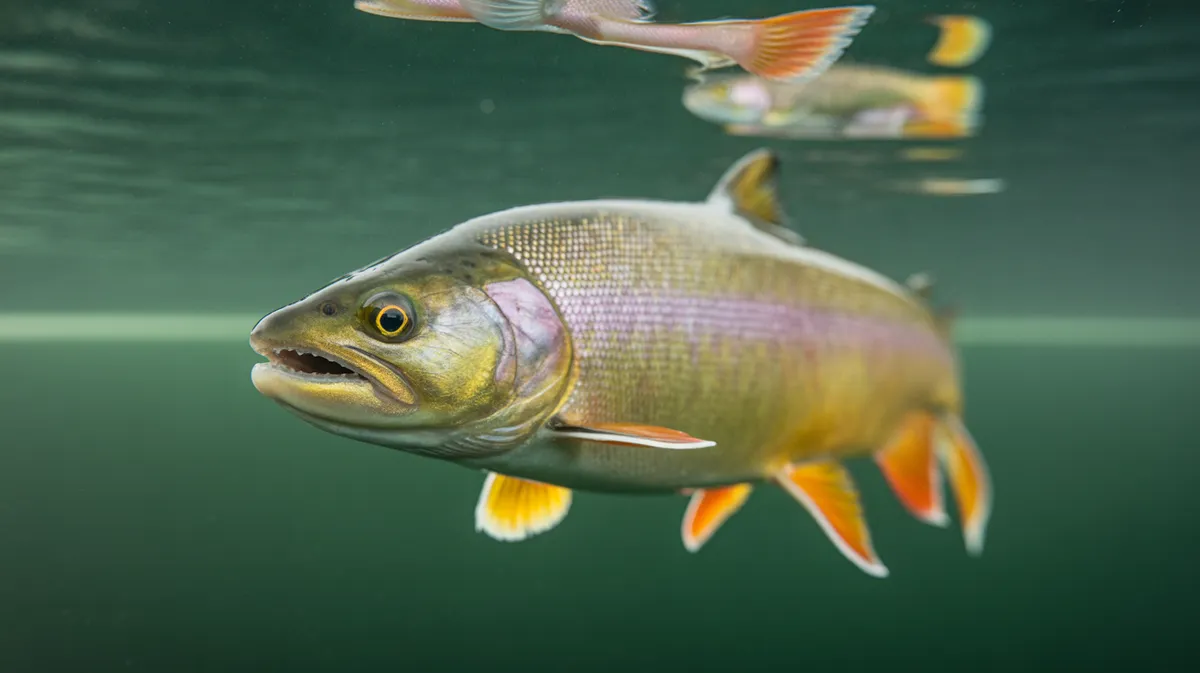
Arctic char
Salvelinus alpinus
The Arctic char is the northernmost freshwater fish in the world, living in lakes above 80 degrees north where the ice never entirely leaves and the growing season is a few weeks long. It is also one of the most variable vertebrates known. A single lake can hold several distinct forms — a small bottom-feeding dwarf, a large fish-eating morph, a plankton-feeder — that differ in shape, size and jaw structure and that breed separately from one another. Thingvallavatn in Iceland, with four coexisting morphs, is a textbook case in the study of how species can split without any physical barrier between them. Some populations run to sea and back like salmon; others are landlocked, and those can grow with glacial slowness and live for forty years. It spawns in autumn or winter, often under ice, which for a fish is a very odd time to breed and only makes sense in water this cold. The spawning colours are extraordinary: the belly turns deep orange to blood-red, and the leading edges of the fins go white.
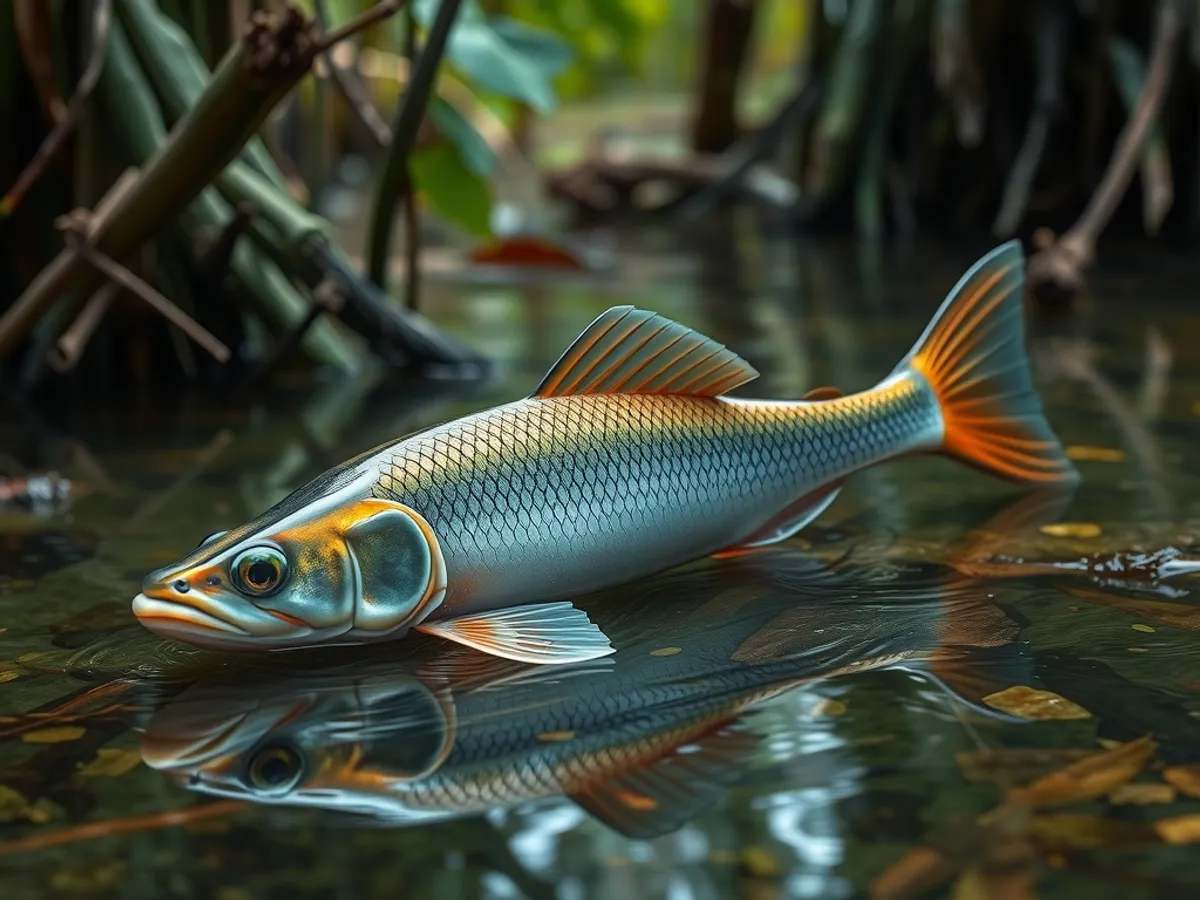
Asian arowana
Scleropages formosus
The Asian arowana is the most expensive aquarium fish in the world, and the reason is entirely cultural rather than biological: its large metallic scales, barbels and sinuous swimming resemble a Chinese dragon, and it is prized in Chinese communities as a bringer of wealth and a deflector of bad luck. Red-toned specimens have changed hands for tens of thousands of dollars. Listed on CITES Appendix I since 1975, it can legally cross borders only from registered captive-breeding farms, and individual fish are microchipped and issued certificates — a paperwork regime that looks more like the diamond trade than the pet trade. Biologically it is a surface predator with an upturned, drawbridge mouth, and it can launch itself well clear of the water to snatch insects and even small birds from overhanging branches, which is why it is called the water monkey. The male is a mouthbrooder, carrying eggs and then free-swimming fry inside his mouth for weeks and releasing them to feed.
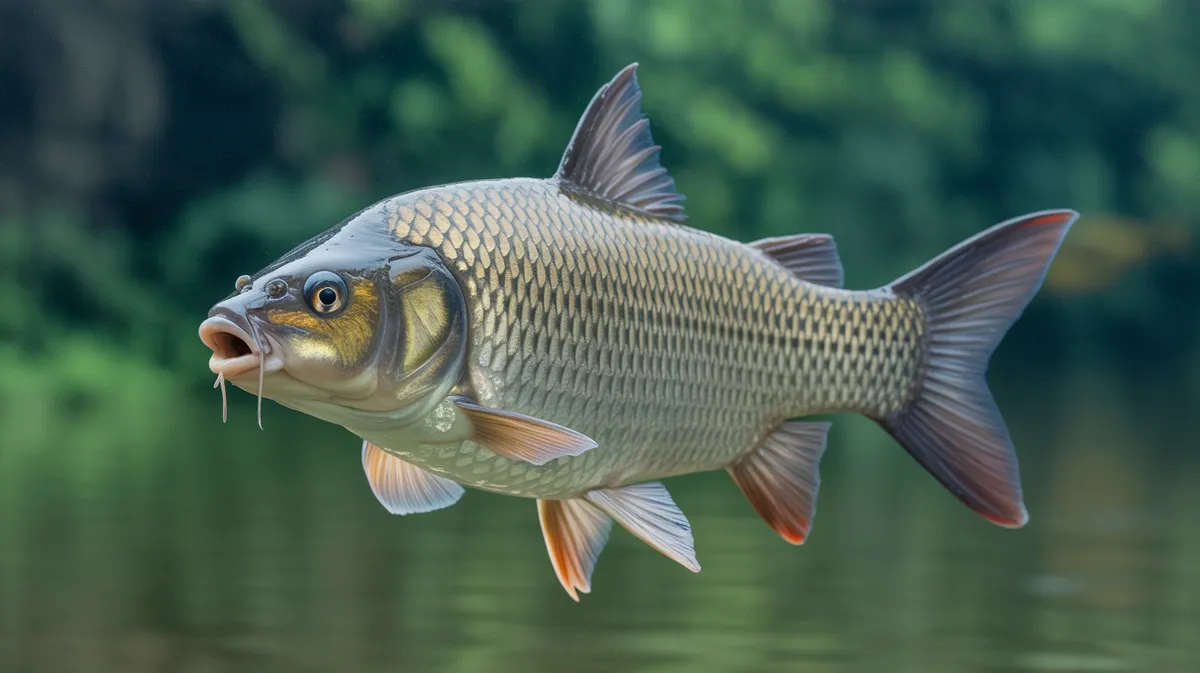
Asian Carp
Hypophthalmichthys molitrix, Hypophthalmichthys nobilis, Ctenopharyngodon idella, Mylopharyngodon piceus
Asian carp refers collectively to several species of freshwater fish native to East Asia, including the silver carp, bighead carp, grass carp, and black carp. These fish are known for their rapid growth rates and high reproductive capacity, making them highly invasive when introduced to non-native environments. Asian carp have become a significant concern in North America, where they disrupt local ecosystems by outcompeting native fish for food and habitat. They are filter feeders, consuming vast amounts of plankton, which can lead to reduced biodiversity in affected waterways. Asian carp are also notable for their tendency to leap out of the water when startled, posing risks to boaters.
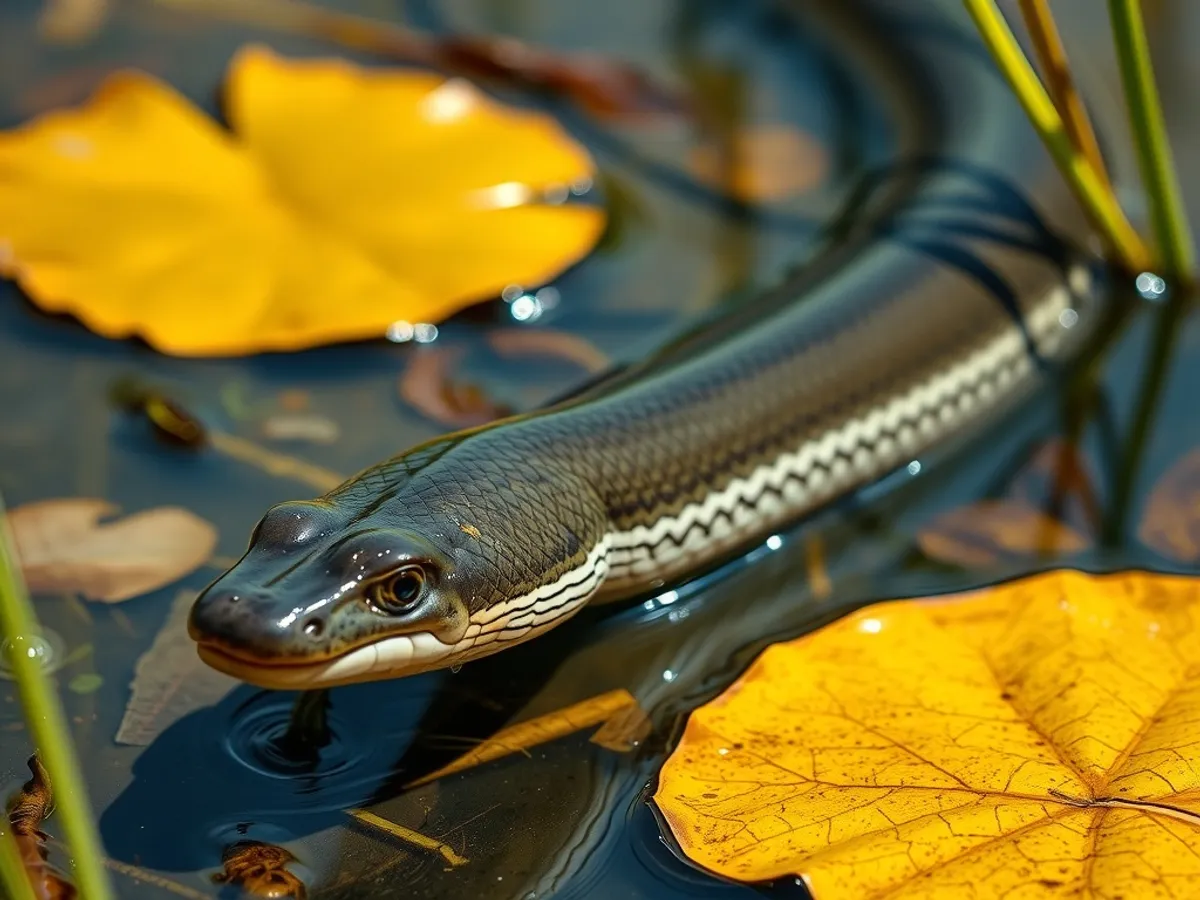
Asian swamp eel
Monopterus albus
The Asian swamp eel is a slender, elongated fish native to East and Southeast Asia, recognized for its snake-like appearance and adaptability to various freshwater habitats. Unlike true eels, it lacks scales and pectoral fins, and has a pointed snout with a small mouth. This species is highly tolerant of low-oxygen environments, often surfacing to breathe air. Asian swamp eels are nocturnal and can survive out of water for extended periods by burrowing into moist soil. Their ability to rapidly colonize new habitats has made them an invasive species in some regions outside their native range.
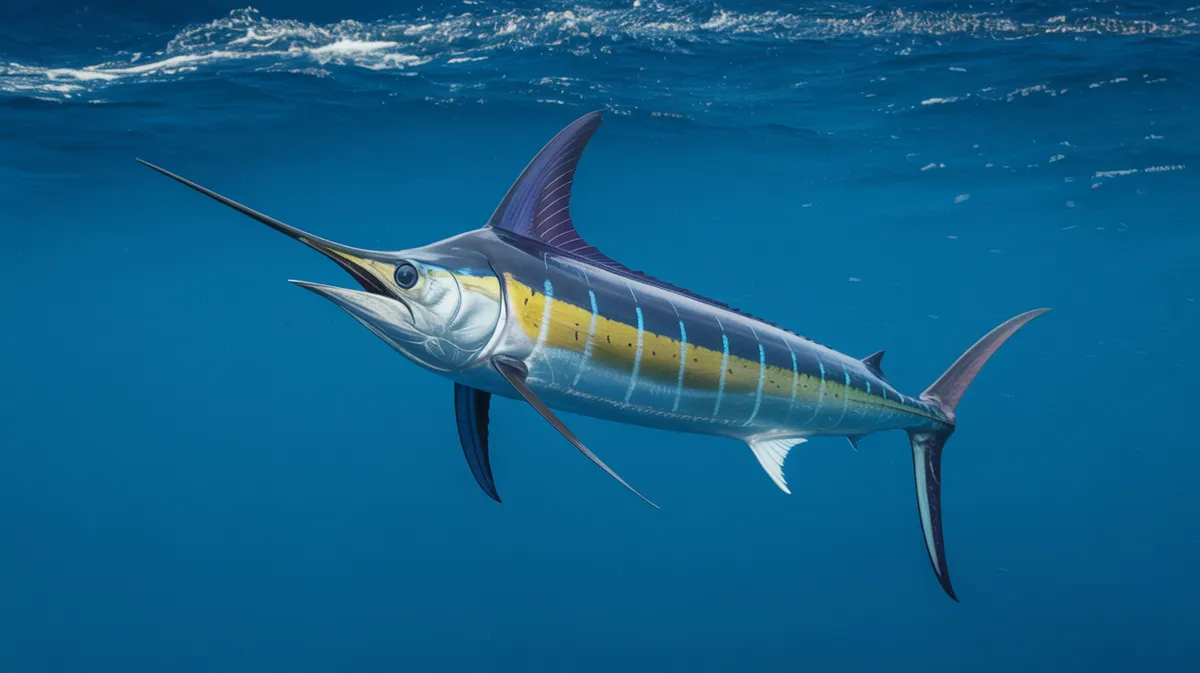
Atlantic Blue Marlin
Makaira nigricans
The Atlantic Blue Marlin is one of the largest and most powerful fish in the ocean, renowned for its elongated bill and vibrant cobalt-blue coloration. Found throughout the tropical and subtropical waters of the Atlantic Ocean, this majestic predator is a prized catch among sport fishers due to its incredible speed and acrobatic leaps. Blue marlins are solitary hunters, using their sharp bills to slash through schools of fish with precision. Females are notably larger than males, and the species plays a vital role in maintaining the balance of open-ocean ecosystems.
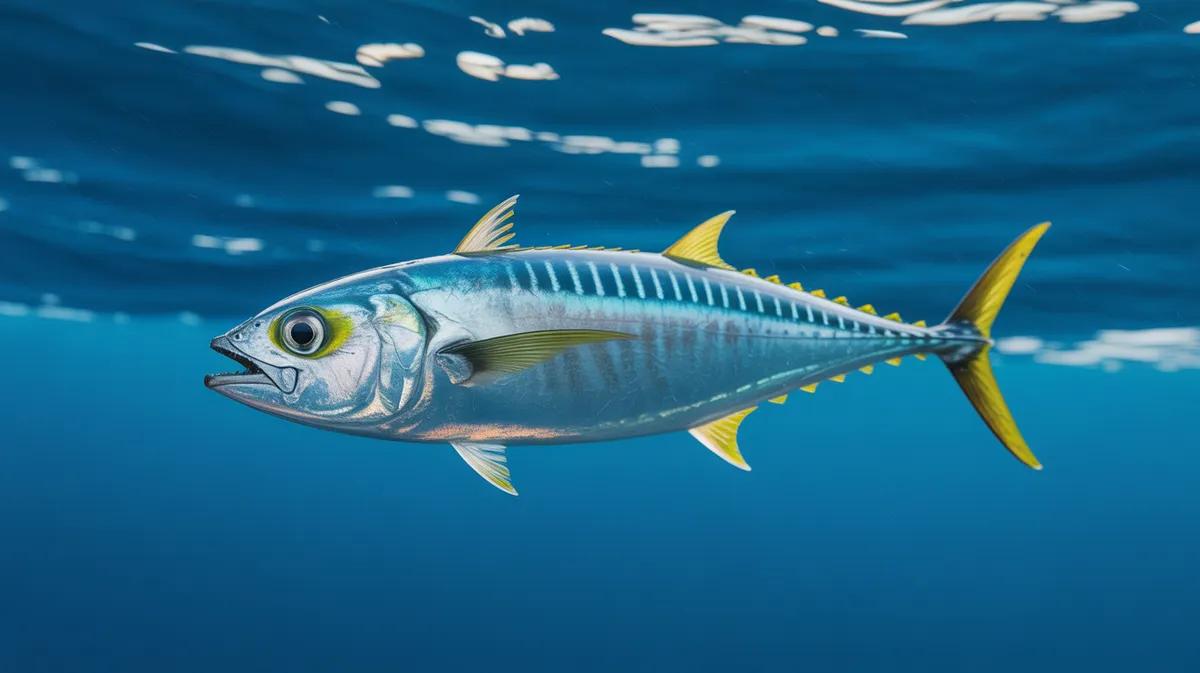
Atlantic Bonito
Sarda sarda
The Atlantic Bonito is a fast-swimming, predatory fish found in the warm and temperate waters of the Atlantic Ocean and the Mediterranean Sea. Recognized by its streamlined, torpedo-shaped body and distinct dark, diagonal stripes along its back, this fish is often mistaken for tuna due to its similar body shape. Atlantic Bonitos are known for their speed and agility, making them popular among sport fishers. Typically traveling in schools, they are vital predators in their ecosystem, feeding primarily on smaller fish and invertebrates.
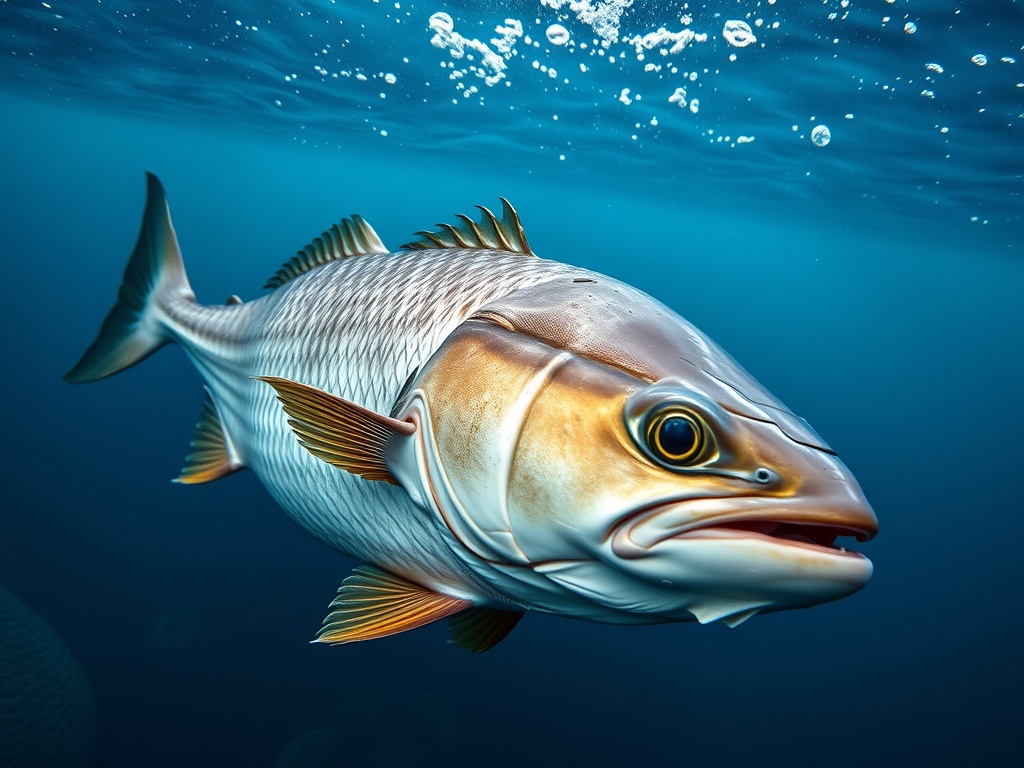
Atlantic cod
Gadus morhua
Atlantic cod is the fish that built empires and then supplied the twentieth century's most notorious fisheries collapse. Basque and Portuguese boats were working the Newfoundland banks before Cabot formally "discovered" them, and salt cod fed European navies, plantations and armies for four centuries. Then, in July 1992, Canada closed the northern cod fishery outright, throwing roughly 30,000 people out of work in a single announcement; the stock, which had already fallen by more than 95 percent, has still not properly recovered more than three decades later. Cod are astonishingly fecund — a large female can release several million eggs in a season — which is exactly why nobody believed they could be fished out. Fishing also changed the fish itself: by removing the biggest, oldest, latest-maturing individuals for decades, it selected for cod that mature younger and smaller, an evolutionary shift that makes recovery harder. Northern cod carry antifreeze glycoproteins in the blood, letting them work water below the normal freezing point of their body fluids.
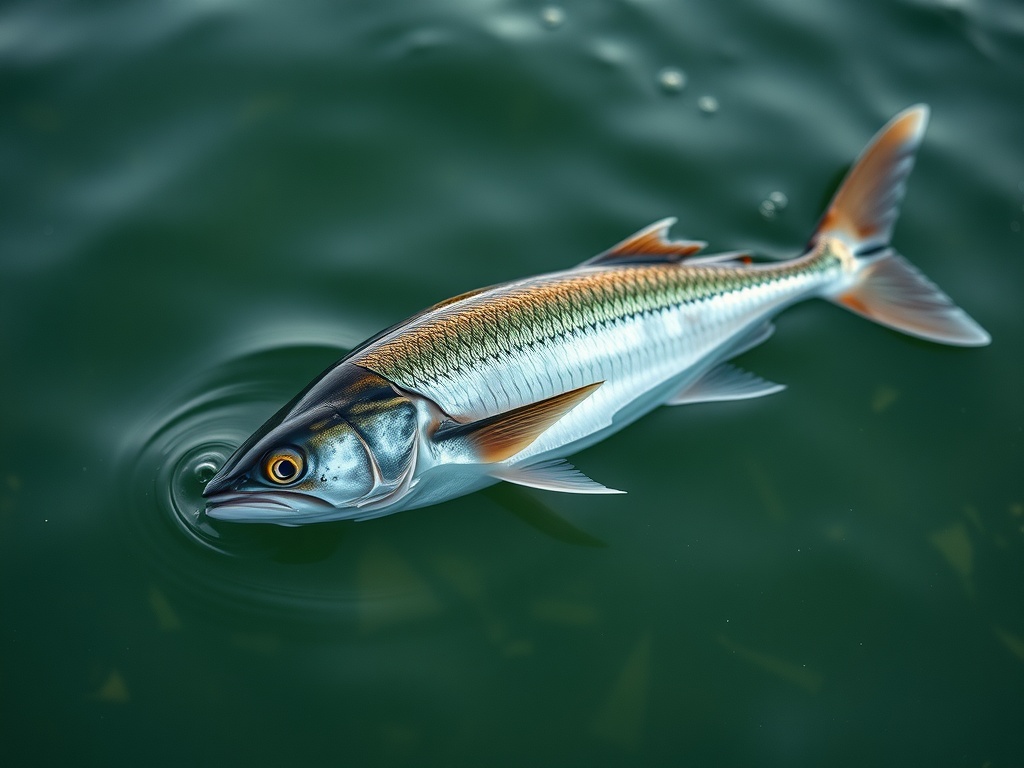
Atlantic herring
Clupea harengus
The Atlantic herring is a small, silvery fish found in the temperate waters of the North Atlantic Ocean. Known for forming enormous schools, these fish can number in the billions and play a crucial role in marine food webs. Atlantic herring are swift swimmers and feed primarily on plankton, using their finely spaced gill rakers to filter tiny prey from the water. They are an economically vital species, supporting large commercial fisheries for centuries. Their lifecycle includes spawning in coastal areas and migrating vast distances in search of food and suitable breeding grounds.
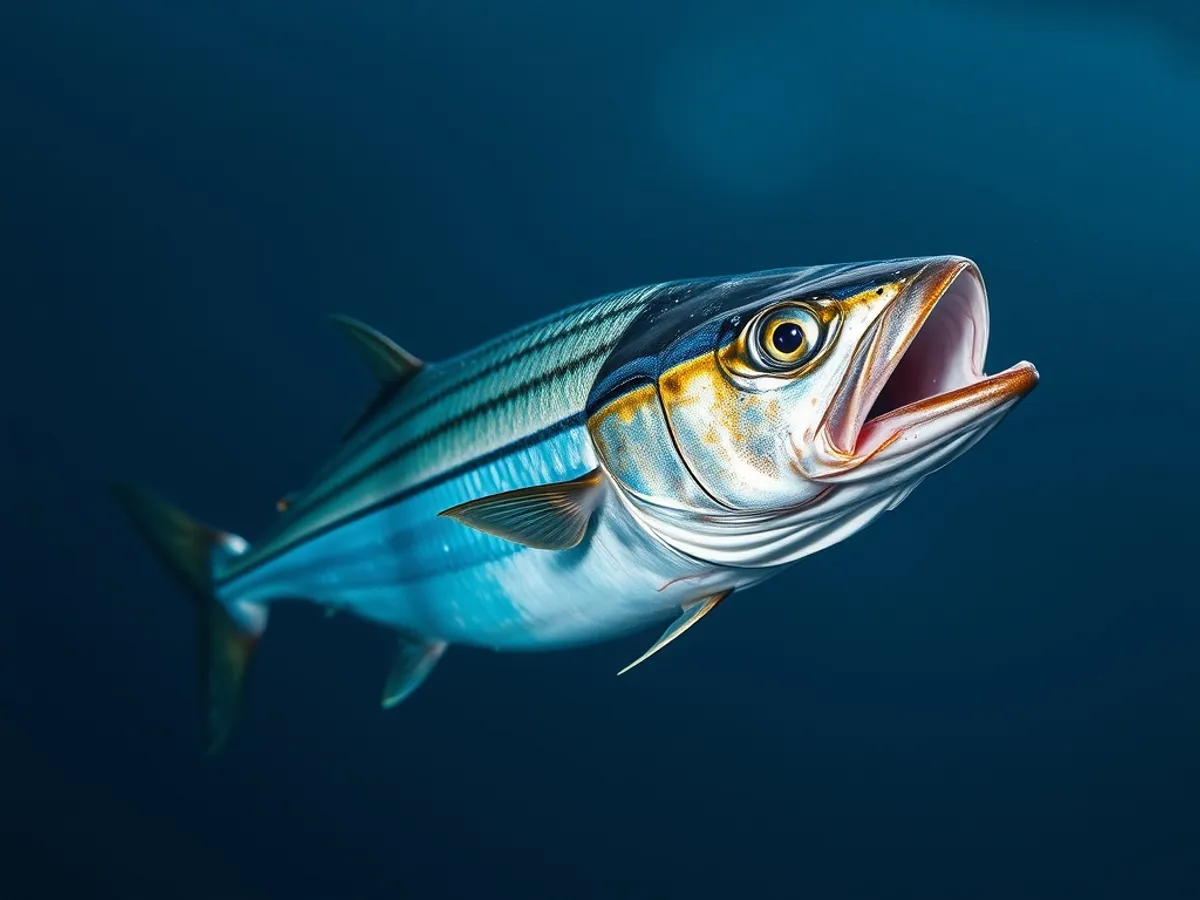
Atlantic mackerel
Scomber scombrus
The Atlantic mackerel is a sleek, fast-swimming fish known for its iridescent blue-green back marked with wavy black lines and silvery flanks. Found in large schools, this species inhabits the temperate waters of the North Atlantic Ocean, migrating seasonally in search of food and spawning grounds. Atlantic mackerel are important both ecologically, as a prey species for larger predators, and economically, as a popular target for commercial and recreational fisheries. Their streamlined bodies and forked tails make them powerful swimmers, capable of quick bursts of speed.
Atlantic sailfish
Istiophorus albicans
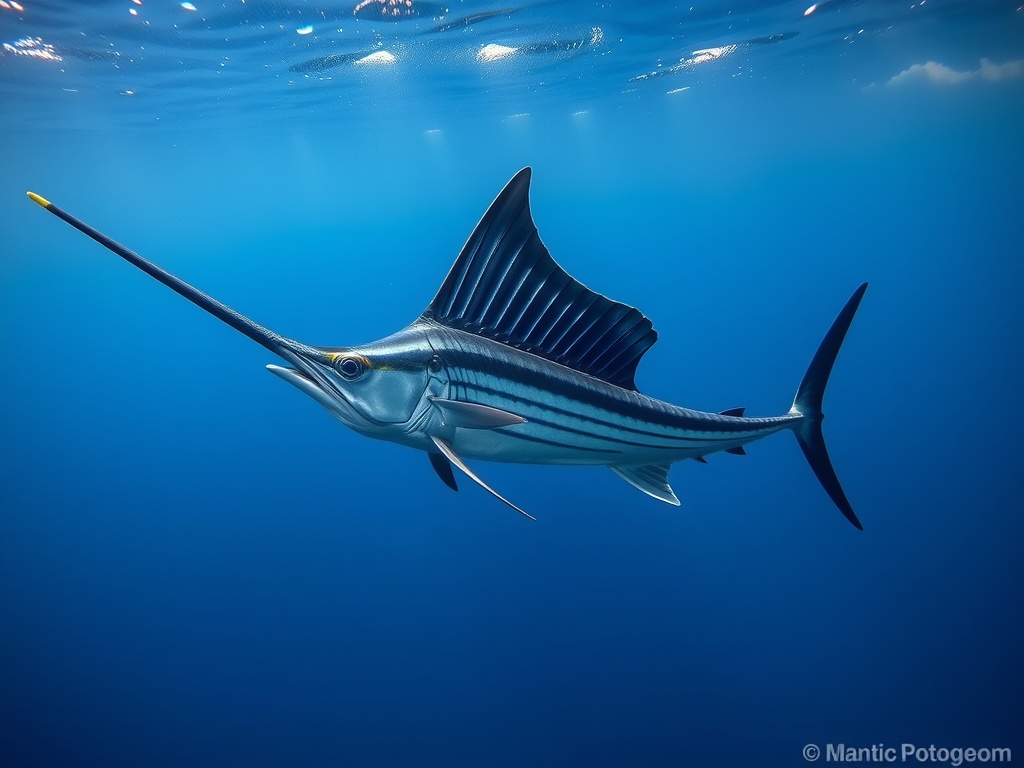
The Atlantic sailfish is a large, predatory fish known for its striking dorsal fin, or 'sail', and its elongated, spear-like bill. Recognized for its incredible speed, it is often cited as one of the fastest fish in the ocean, capable of bursts up to 68 miles per hour (110 km/h). This agile predator primarily occupies warm and temperate waters of the Atlantic Ocean, preying on schools of smaller fish such as sardines and mackerel. Its distinctive sail is thought to help herd prey and may also play a role in communication and temperature regulation.
Atlantic salmon
Salmo salar
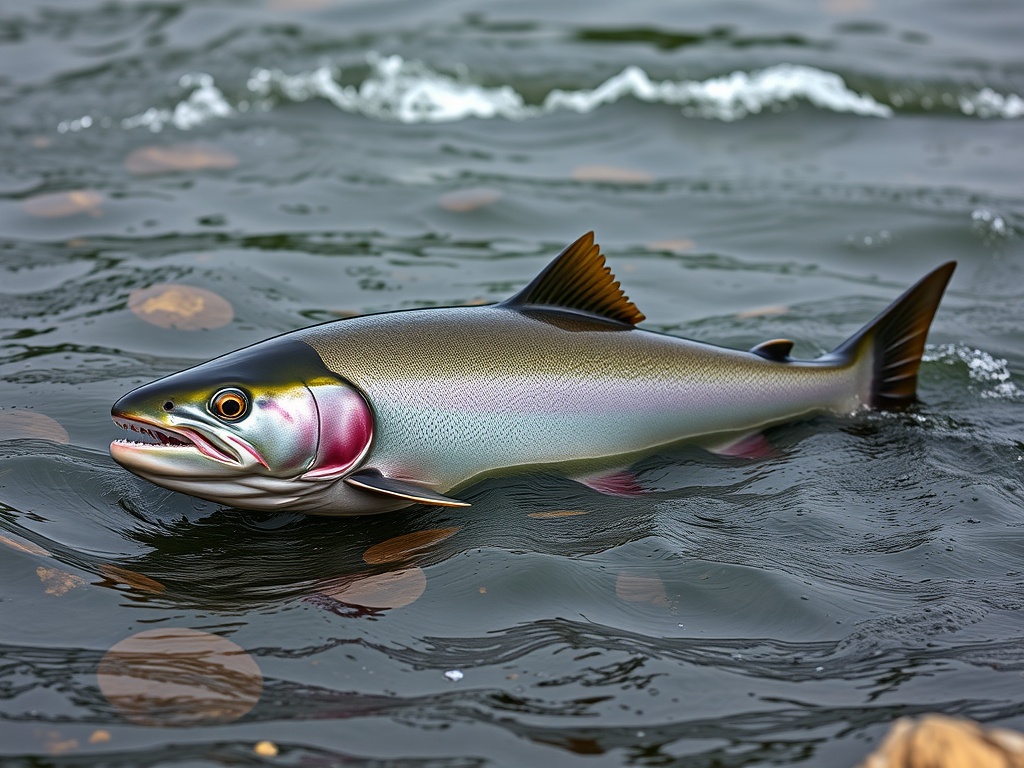
Atlantic salmon breaks the rule everyone learns from Pacific salmon: it does not have to die after spawning. A spent fish, called a kelt, can drop back to sea, feed, recondition and return to spawn again, and repeat spawners — usually large females — are disproportionately valuable to a population. The migration involves a full physiological rebuild. A parr living in fresh water turns into a smolt: it silvers, its gill cells switch from retaining salt to excreting it, its kidneys change function, and its behaviour flips from territorial to schooling, all within weeks. It finds its way home with what appears to be a magnetic map for the ocean crossing, then switches to olfaction, homing on the specific chemical signature of the stream it was imprinted on as a juvenile. Small male parr that never went to sea at all can sneak into a redd and fertilise eggs while a large sea-run male is fighting off rivals — and in some rivers those tiny males fertilise a serious share of the eggs.
Atlantic spadefish
Chaetodipterus faber
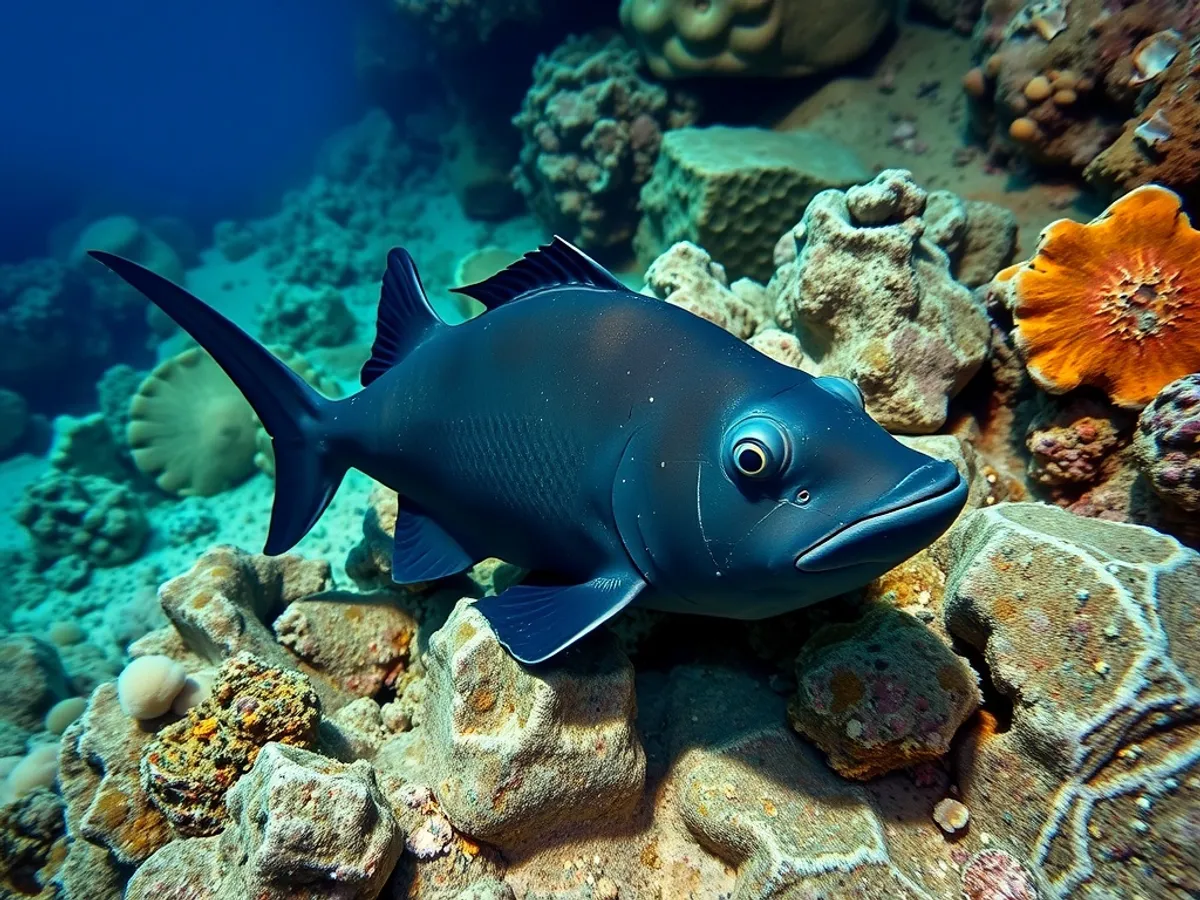
The Atlantic spadefish is a striking, disc-shaped marine fish recognized for its silvery body adorned with bold, vertical black bands. Commonly found in large schools, it frequents coastal waters, shipwrecks, reefs, and piers along the western Atlantic Ocean. Juveniles often mimic dead leaves as camouflage, while adults are active swimmers that can be seen gliding gracefully through the water. This species is highly adaptable and social, contributing to its abundance in suitable habitats.
Atlantic sturgeon
Acipenser oxyrinchus
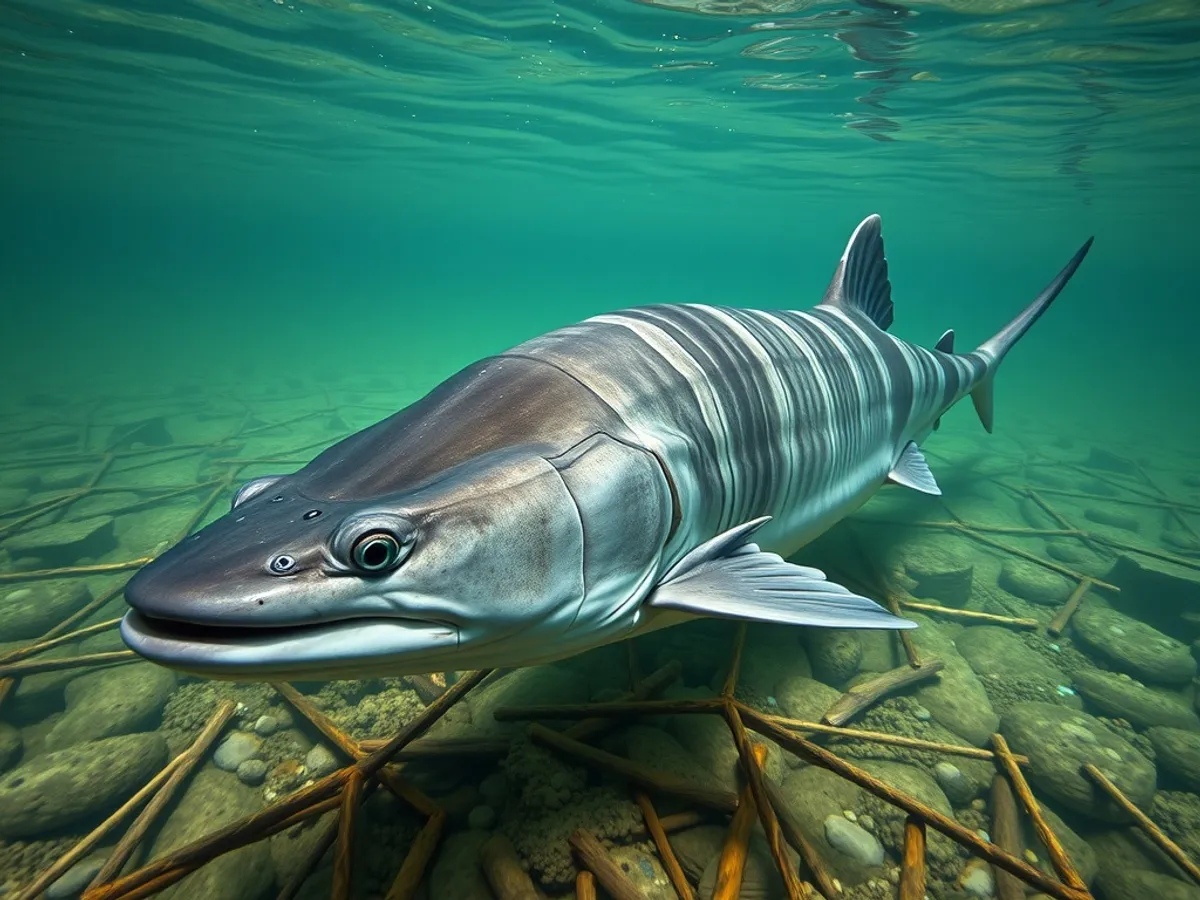
The Atlantic sturgeon is armoured with bony scutes rather than scales, has a skeleton that is largely cartilage, and finds its food without ever seeing it. Four barbels drag along the bottom, and the underside of the long snout is studded with ampullae — electroreceptors that detect the faint electrical fields of buried worms and crustaceans — after which the toothless mouth extends downward as a tube and vacuums them up. Anadromous like salmon, it runs up rivers to spawn, but it plays a much slower game: females may not mature until somewhere between seven and thirty years old depending on latitude, and then spawn only once every two to five years. That reproductive schedule is what makes them so easy to destroy. In the 1880s a caviar rush on the Delaware River made the Atlantic sturgeon a "black gold" fishery, and the population was gutted within a generation. Fish reach 4 m and can live sixty years, and they leap clear of the water for reasons still argued over — group cohesion is the leading hypothesis.
Atlantic Tarpon
Megalops atlanticus
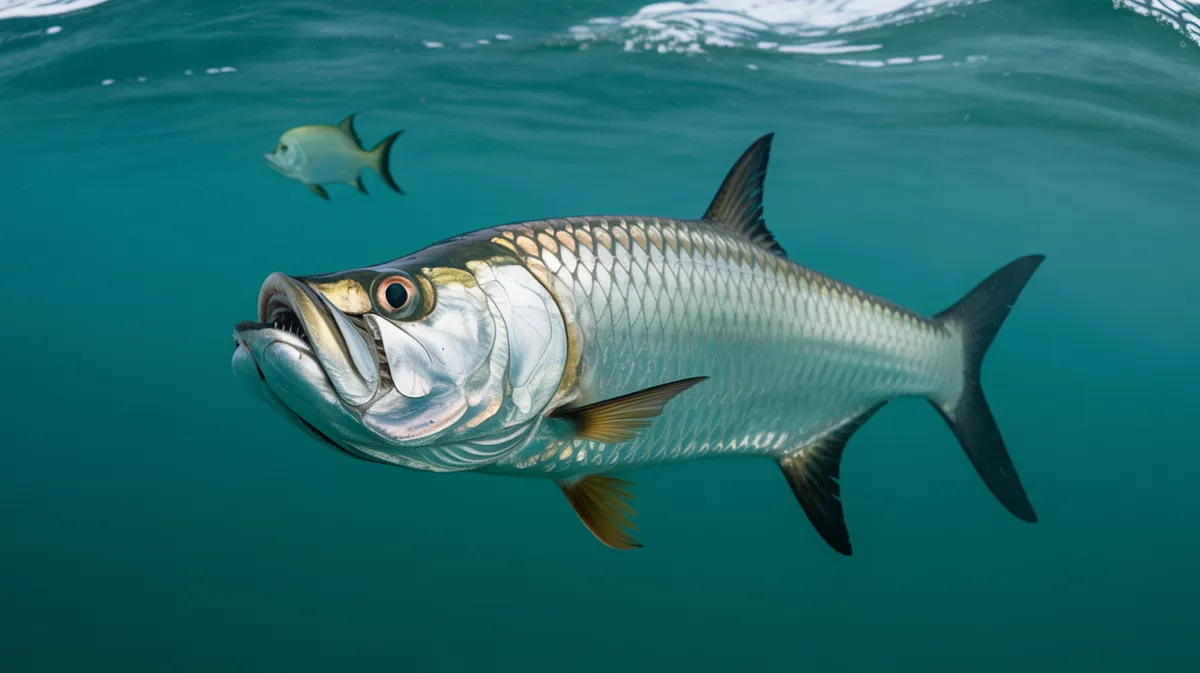
The tarpon is a large silver fish that breathes air. Its swim bladder connects to the oesophagus and is lined with spongy, alveolar-like tissue, so the fish gulps at the surface — anglers call it "rolling" — and can extract oxygen directly. This is not a curiosity: it is what lets juvenile tarpon survive in stagnant, near-anoxic mangrove pools and ditches where no predator can follow them, and those foul backwaters are the species' nursery. It is an ancient fish in a very literal sense: the larva is a leptocephalus, a transparent, ribbon-like, leaf-shaped creature almost identical to an eel's, marking tarpon as members of the Elopomorpha, a lineage that split off near the base of the modern bony fish. Adults exceed 2 m and 100 kg, live 50 to 80 years, and spawn offshore around new and full moons, with the ribbon larvae drifting back into the estuaries. Its mouth is a bony, unyielding bucket, which is why anglers lose most of the fish they hook.
Atlantic wolffish
Anarhichas lupus
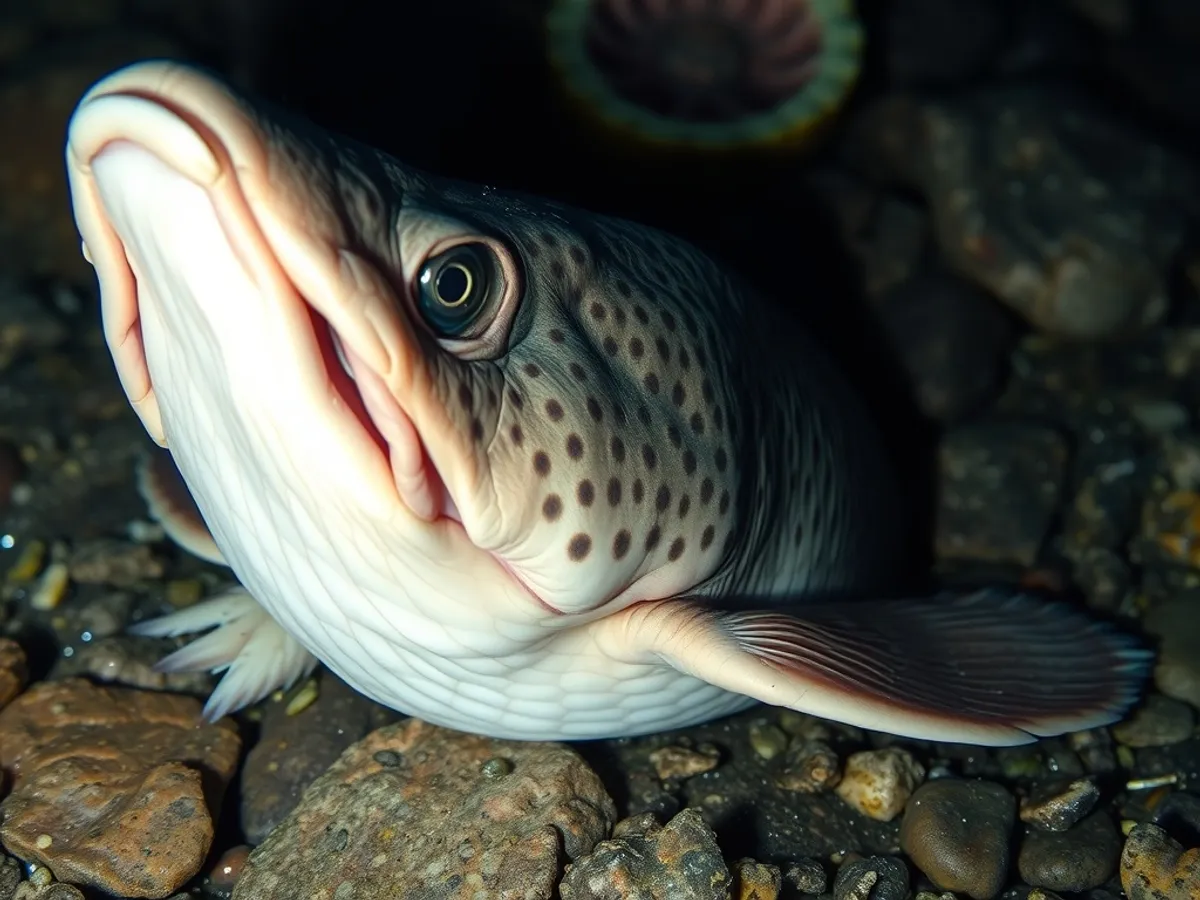
The Atlantic wolffish has a face like a nightmare for a good reason: it eats sea urchins, whelks, hermit crabs and scallops, and it needs to break them. Conical fangs at the front seize and wrench prey off the rock, and behind them, on the palate and in the throat, sit blunt crushing molars and bony plates that mill the shell to gravel. Those teeth wear out. Every year the wolffish sheds and regrows the entire set, and during the regrowth period it essentially stops feeding. It lives in cold, rocky North Atlantic dens, produces its own antifreeze glycoproteins, and does something almost no other bony fish of the region does: fertilisation is internal, and the male then guards the large clumped egg mass — sometimes for four months or more — fanning it and driving off intruders. That combination of a slow reproductive cycle, dependence on structured rocky bottom, and a habit of sitting still in a den made it catastrophically vulnerable to bottom trawling, which both kills the fish as bycatch and bulldozes its habitat.
Australian Lungfish
Neoceratodus forsteri
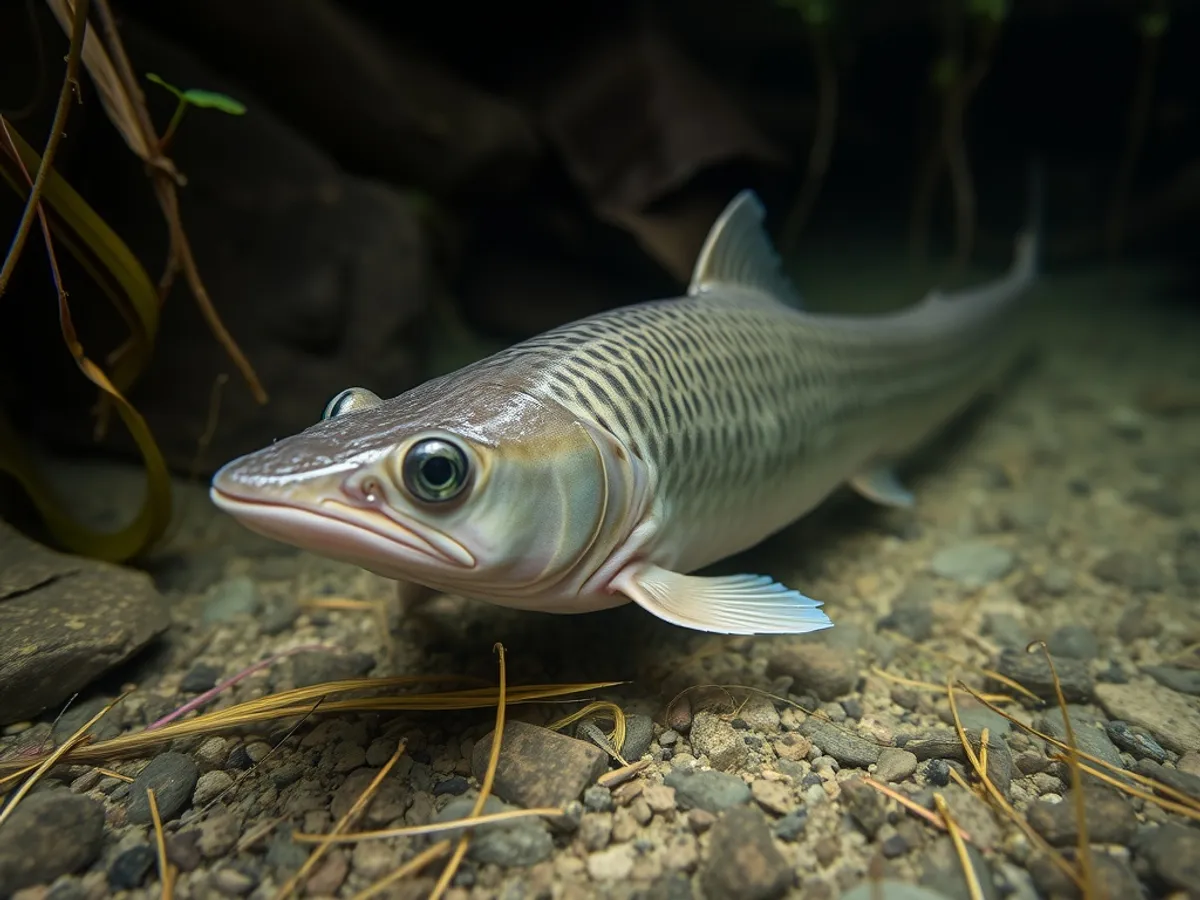
The Australian lungfish is the most conservative of the six surviving lungfish species and the least like the popular image of one. It has a single lung, not the paired lungs of the African and South American species, and it does not aestivate: it cannot survive being dried out, and it uses its gills as a matter of course, rising to gulp air only when the water goes stagnant or when it is exerting itself. Its fins are the point. They are thick, fleshy, flipper-like lobes on bony supports, and the fish walks on them along the river bottom in a slow diagonal gait — a living demonstration of the kind of limb from which tetrapod legs were built. It is native only to a handful of Queensland rivers, chiefly the Burnett and Mary, and fossils essentially indistinguishable from it are around 100 million years old. When its genome was sequenced in 2021 it was the largest animal genome assembled to that date, and it confirmed decisively that lungfish, not coelacanths, are the closest living fish relatives of all land vertebrates.
Bala shark
Balantiocheilos melanopterus
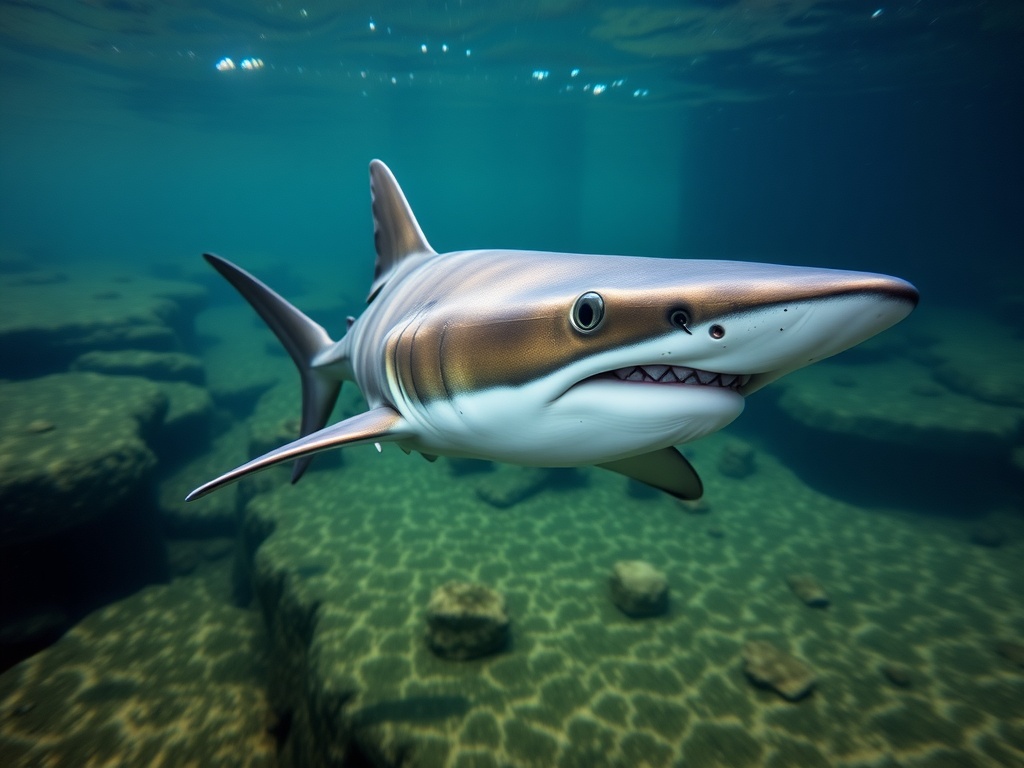
The Bala shark, also known as the tricolor shark or silver shark, is a striking freshwater fish native to Southeast Asia. With its torpedo-shaped body, large eyes, and distinctive black-edged fins, it is often mistaken for a true shark, though it belongs to the minnow family. Bala sharks are active, social swimmers that can grow quite large, making them a popular but challenging choice for home aquariums. In the wild, they inhabit fast-flowing rivers and lakes, but their populations have declined due to overfishing and habitat loss.