
About the Giant African Millipede
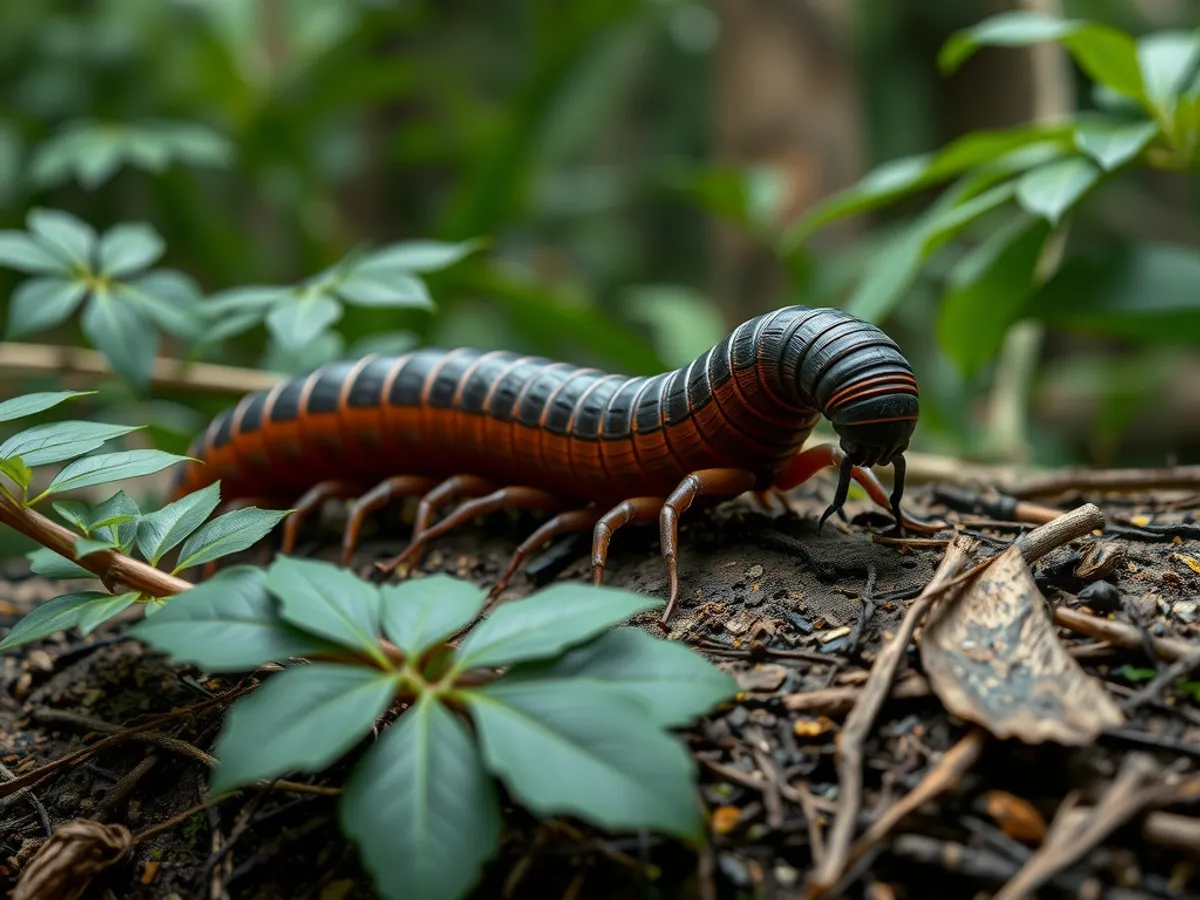
The Giant African Millipede is one of the largest millipede species in the world, reaching lengths up to 33 centimeters (13 inches). This invertebrate is characterized by its long, cylindrical body with up to 400 legs, a shiny black or dark brown exoskeleton, and a slow, undulating movement. Native to the rainforests and moist environments of East Africa, it plays a crucial role in breaking down decaying plant matter and recycling nutrients. Despite its intimidating appearance, the Giant African Millipede is harmless to humans and relies on chemical defenses to deter predators.
Fascinating facts
Hundreds of Legs
A single Giant African Millipede can have up to 400 legs, although the actual number varies with age and molting cycles.
Nature’s Recycler
They play an essential ecological role by breaking down leaf litter and dead plant material, enriching the soil.
Defensive Spiral
When threatened, the millipede curls into a spiral shape to protect its vulnerable underside and head.
Detailed description
The Giant African Millipede (Archispirostreptus gigas) is the largest extant millipede species, with adults typically reaching lengths of 25–33.5 cm (10–13.2 in) and circumferences up to 67 mm (2.6 in). Its robust, cylindrical body is composed of up to 400 segments, each bearing two pairs of legs, though the average adult has around 256 legs due to variation in molting and segment development. The exoskeleton is smooth, glossy, and dark brown to black, providing both camouflage and protection from desiccation. The head features short, segmented antennae used for tactile and chemical sensing, and simple ocelli (eye spots) that detect light but do not form images. The mouthparts are adapted for scraping and consuming decaying plant matter, making this species a key detritivore in its ecosystem. Movement is characterized by a slow, wave-like motion of the legs, which allows for efficient navigation through leaf litter and soil. Archispirostreptus gigas possesses defensive glands (ozadenes) along its body that secrete a mildly toxic, foul-smelling liquid containing benzoquinones to deter predators. This species is primarily nocturnal, emerging at night to feed and avoid desiccation. Lifespans in the wild can reach 5–7 years, with some individuals in captivity living up to 10 years under optimal conditions.
Did you know?
Giant African Millipedes can regenerate lost legs during molting, a process that occurs multiple times throughout their life.
Research & sources
Wikipedia summary
Archispirostreptus gigas, known as the giant African millipede, shongololo or Bongololo, is the largest extant species of millipede, growing up to 33.5 centimetres (13.2 in) in length, 67 millimetres (2.6 in) in circumference. It has approximately 256 legs, although the number of legs changes with each molting so it can vary according to each individual.
Behaviour & social structure
Giant African Millipedes are solitary and non-aggressive, spending most of their time burrowing or hiding under logs and leaf litter to maintain moisture and avoid predation. Their feeding behavior is strictly detritivorous, consuming decomposing plant material, fallen fruit, and occasionally fungi, which they process with the aid of symbiotic gut bacteria. They exhibit thigmotaxis, preferring to remain in contact with surfaces for protection. During the day, they remain hidden in moist microhabitats, becoming active at dusk to forage. When threatened, they coil into a tight spiral to protect their vulnerable ventral side and may secrete defensive chemicals. Social interactions are limited, primarily occurring during the breeding season when individuals may aggregate in favorable microhabitats. Cannibalism is rare but may occur under extreme food scarcity.
Reproduction & life cycle
Reproduction in Archispirostreptus gigas is seasonal, often triggered by increased humidity at the onset of the rainy season. Courtship involves the male aligning his body alongside the female and using modified legs (gonopods) to transfer spermatophores to the female’s genital opening. Copulation can last several hours. Females lay clutches of 100–300 eggs in small, underground chambers constructed from soil and fecal matter, which provide protection and humidity. Incubation lasts approximately 3–4 weeks, after which juveniles emerge as miniature versions of adults with fewer segments and legs. There is no parental care post-oviposition. Juveniles undergo multiple molts (anamorphosis), adding body segments and legs with each molt until reaching maturity at 2–3 years of age.
Adaptations & survival
Key adaptations include a highly calcified exoskeleton that reduces water loss and provides defense against predators. The secretion of benzoquinones from ozadenes is an effective chemical deterrent against ants, birds, and small mammals. Their nocturnal and burrowing habits minimize exposure to desiccation and predation. The ability to coil tightly protects vital organs and reduces the exposed surface area. Symbiotic gut microbiota enable efficient breakdown of lignocellulosic plant matter, allowing exploitation of nutrient-poor detritus. Sensory adaptations include sensitive antennae for detecting chemical cues and vibrations in the environment.
Cultural significance
Giant African Millipedes are known as 'shongololo' or 'bongololo' in various African languages, and feature in local folklore as symbols of rain and fertility due to their emergence during wet seasons. In some communities, they are used in traditional medicine or as educational tools to teach about decomposition and soil health. Their unique appearance and gentle nature have made them popular in the exotic pet trade and in public education programs at zoos and museums. They are not considered pests and are generally viewed with curiosity and respect.
Recent research
Recent research has focused on the chemical composition of millipede defensive secretions and their potential antimicrobial properties. Studies of gut microbiota have revealed complex symbiotic relationships that facilitate lignin and cellulose digestion, with implications for understanding soil nutrient cycling. Genetic studies are ongoing to clarify phylogenetic relationships within Spirostreptidae and to explore the evolutionary origins of gigantism in millipedes. Ongoing ecological research monitors the impact of habitat fragmentation and climate change on population dynamics. Captive breeding programs have provided insights into developmental biology and molting cycles.
Videos
Habitat
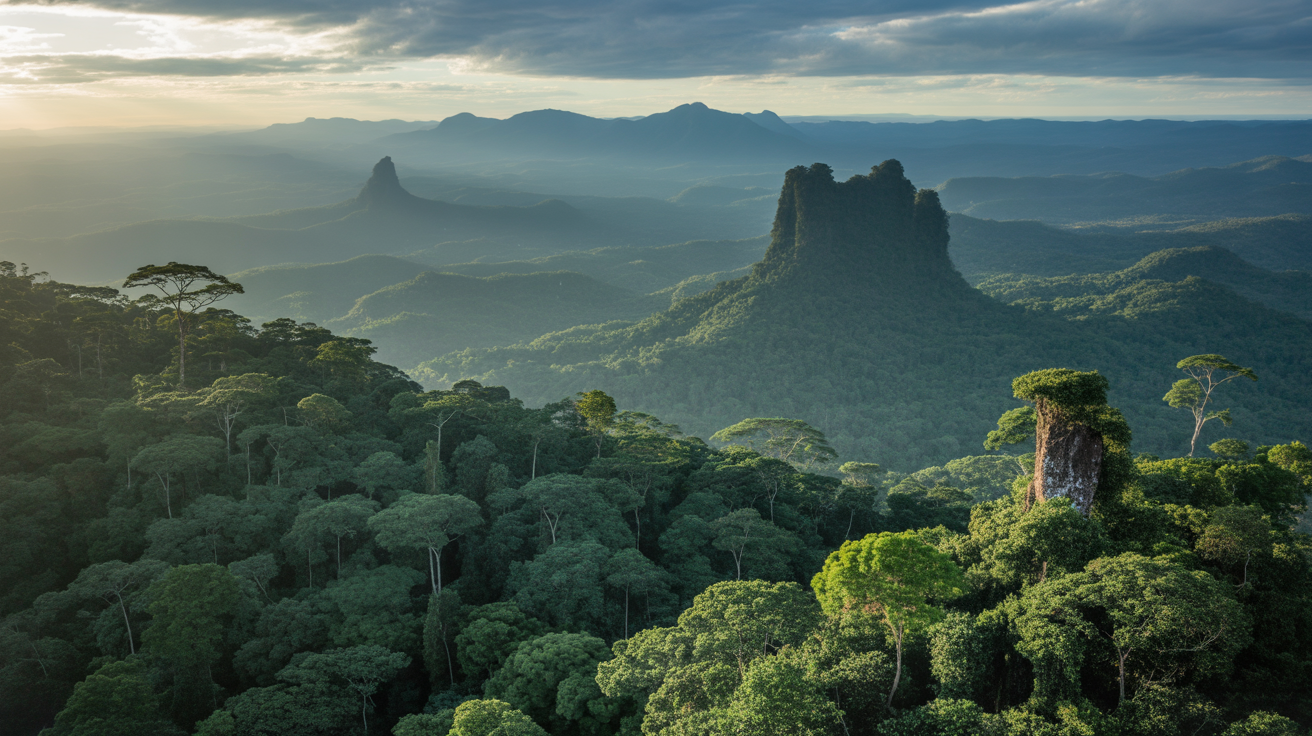
Rainforest

Conservation
The Giant African Millipede is currently classified as Least Concern on the IUCN Red List.
Threats & challenges
While currently listed as Least Concern by the IUCN, Archispirostreptus gigas faces localized threats from habitat destruction due to deforestation, agricultural expansion, and urbanization in East Africa. Collection for the exotic pet trade has increased, but wild populations remain stable in most regions. Pesticide use and soil pollution pose additional risks, particularly to juvenile survival. Climate change, resulting in altered rainfall patterns and increased drought, may impact suitable habitat availability in the future. Conservation efforts focus on habitat preservation and sustainable collection practices.
Taxonomy
Scientific name
Archispirostreptus gigas
- Kingdom
- Animalia
- Phylum
- Arthropoda
- Class
- Diplopoda
- Order
- Spirostreptida
- Family
- Spirostreptidae
- Genus
- Archispirostreptus
- Species
- gigas
Where to see a giant african millipede
9 zoos and aquariums in 3 countries are recorded as keeping this species.
 Belfast Zoo🇬🇧 Belfast, United Kingdom
 Santa Barbara Zoological Gardens🇺🇸 Santa Barbara, United States
 National Zoological Park🇺🇸 Washington, United States
 Oakland Zoo🇺🇸 United States
- 🦁Topeka Zoo🇺🇸 Topeka, United States
Community notes
Share your observations about the Giant African Millipede.
No community notes yet. Be the first!
Discover more wildlife
More fascinating animals from the encyclopedia.