
Invertebrates
333 species in the encyclopedia
Animals without a backbone — from insects and spiders to molluscs and crustaceans.
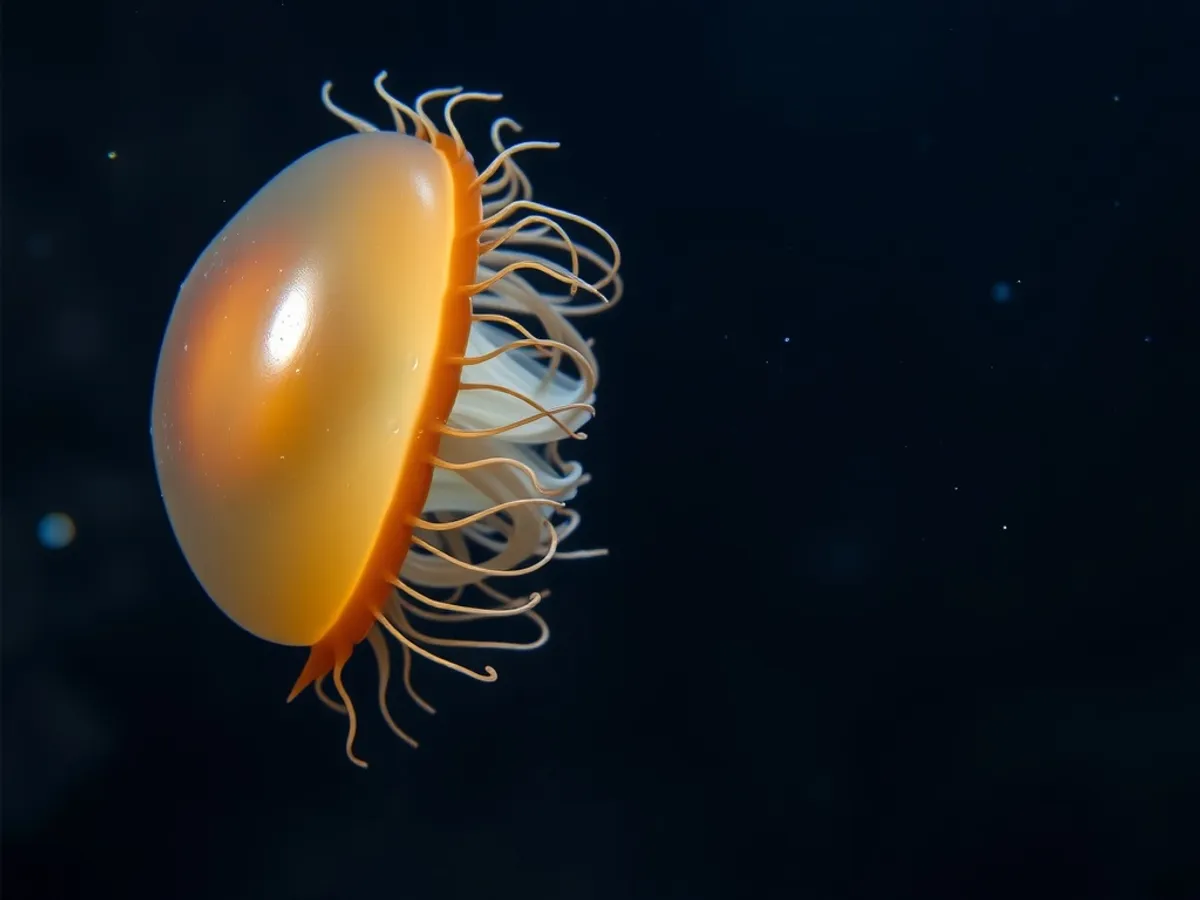
Abyssal Comb Jelly
Bathocyroe fosteri
The Abyssal Comb Jelly, Bathocyroe fosteri, is a translucent, deep-sea ctenophore notable for its delicate, balloon-like body and shimmering rows of cilia used for locomotion. Found at great oceanic depths, this invertebrate often drifts in the midwater column, capturing small prey with its lobes. Its bioluminescent capabilities create mesmerizing light displays, which may serve as camouflage or to deter predators. Despite its fragile appearance, the Abyssal Comb Jelly is well-adapted to the extreme pressure and darkness of the deep sea.
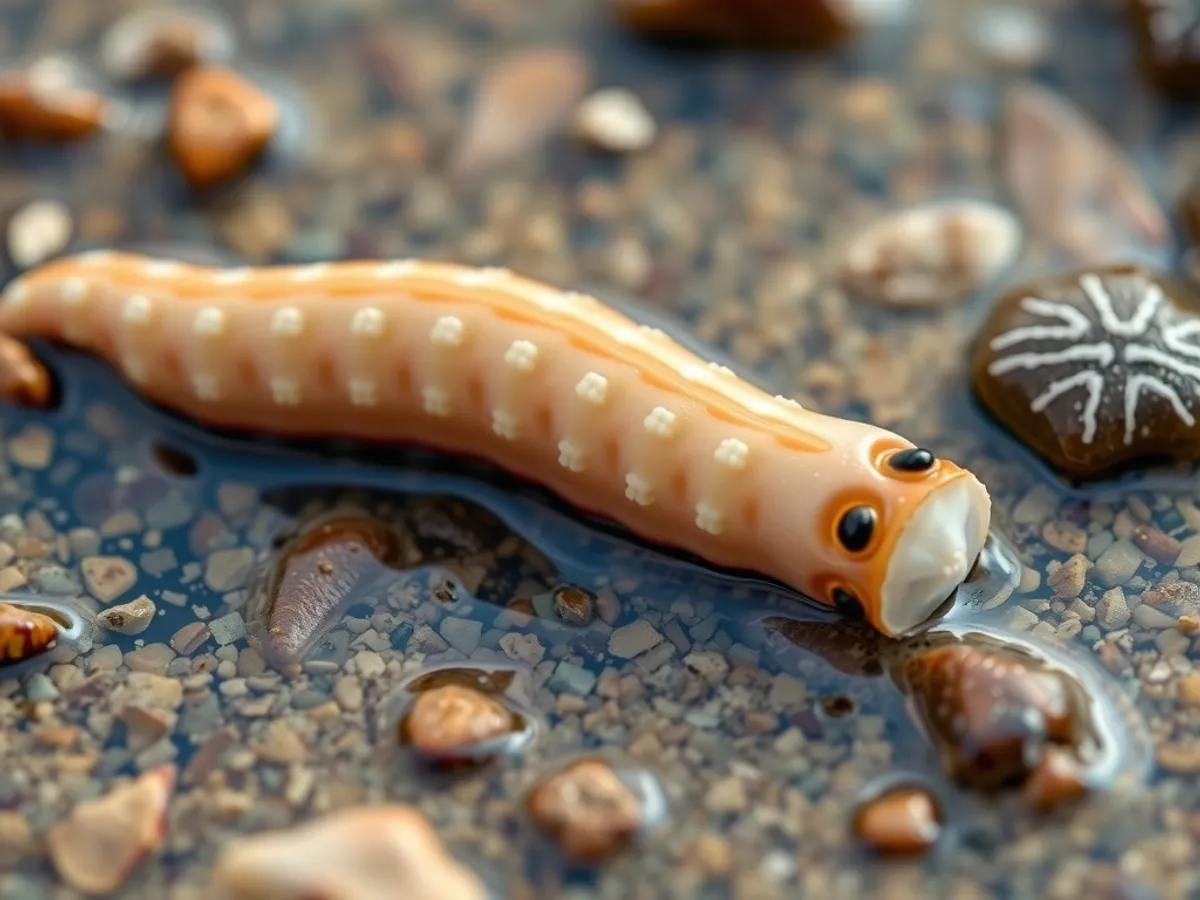
Acorn Worm
Saccoglossus kowalevskii
Acorn worms are soft-bodied, burrowing marine invertebrates belonging to the class Enteropneusta. They are named for the acorn-like appearance of their proboscis, which is used for digging and feeding. Acorn worms play an important role in marine ecosystems by aerating sediments and recycling nutrients. These animals are considered evolutionary significant as they share characteristics with both vertebrates and invertebrates, offering insight into early deuterostome evolution.
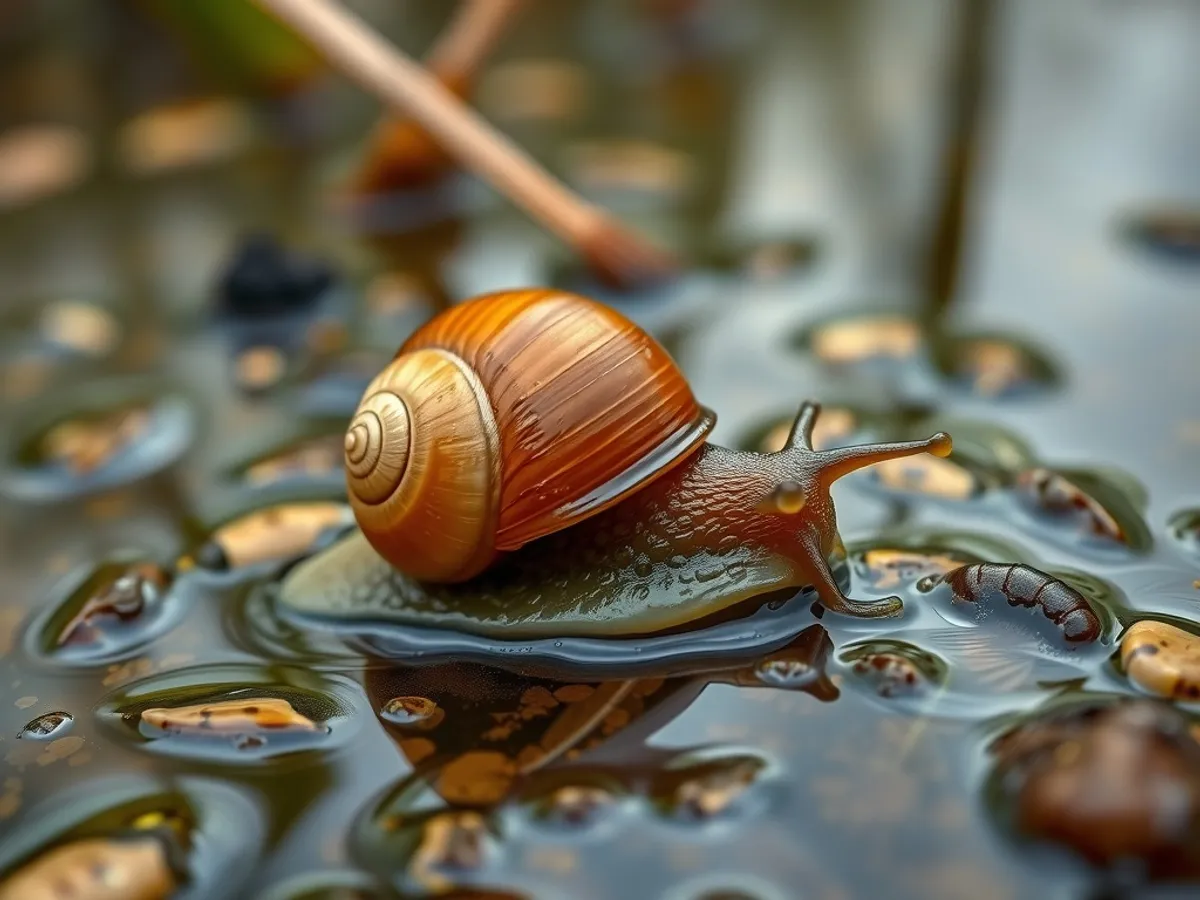
Amber Snail
Succinea putris
The Amber Snail is a small terrestrial gastropod mollusk recognized for its translucent, amber-colored shell. It is most commonly found in moist habitats near freshwater sources such as streams, rivers, and marshes. The snail prefers environments with abundant vegetation, where it feeds primarily on decaying plant matter and algae. Amber Snails play a role in nutrient cycling within wetland ecosystems and serve as prey for a variety of birds, amphibians, and insects.
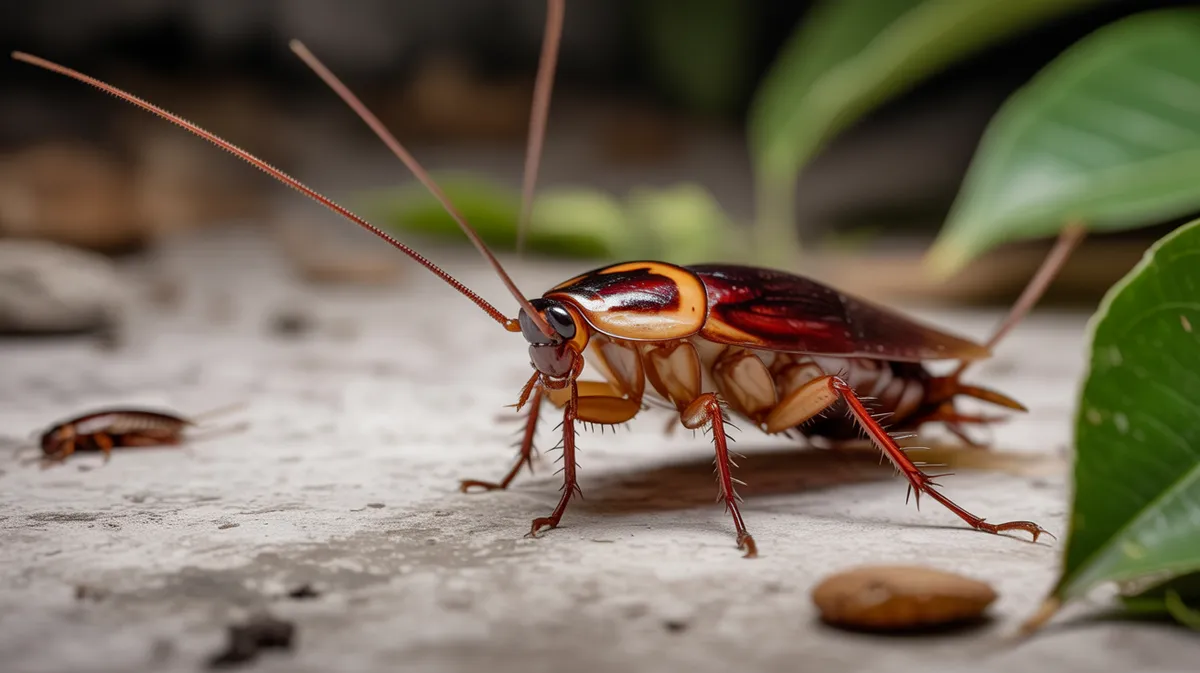
American cockroach
Periplaneta americana
The American cockroach is one of the largest and most common cockroach species found worldwide, particularly in warm and humid environments. Recognizable by its reddish-brown color and yellowish figure-eight pattern on the back of its head, this insect is highly adaptable and thrives in both natural and human-inhabited environments. Despite its name, the American cockroach is believed to have originated in Africa and was introduced to the Americas in the 17th century. It is an omnivorous scavenger, feeding on a wide variety of decaying organic matter, and is known for its rapid movements and impressive resilience.
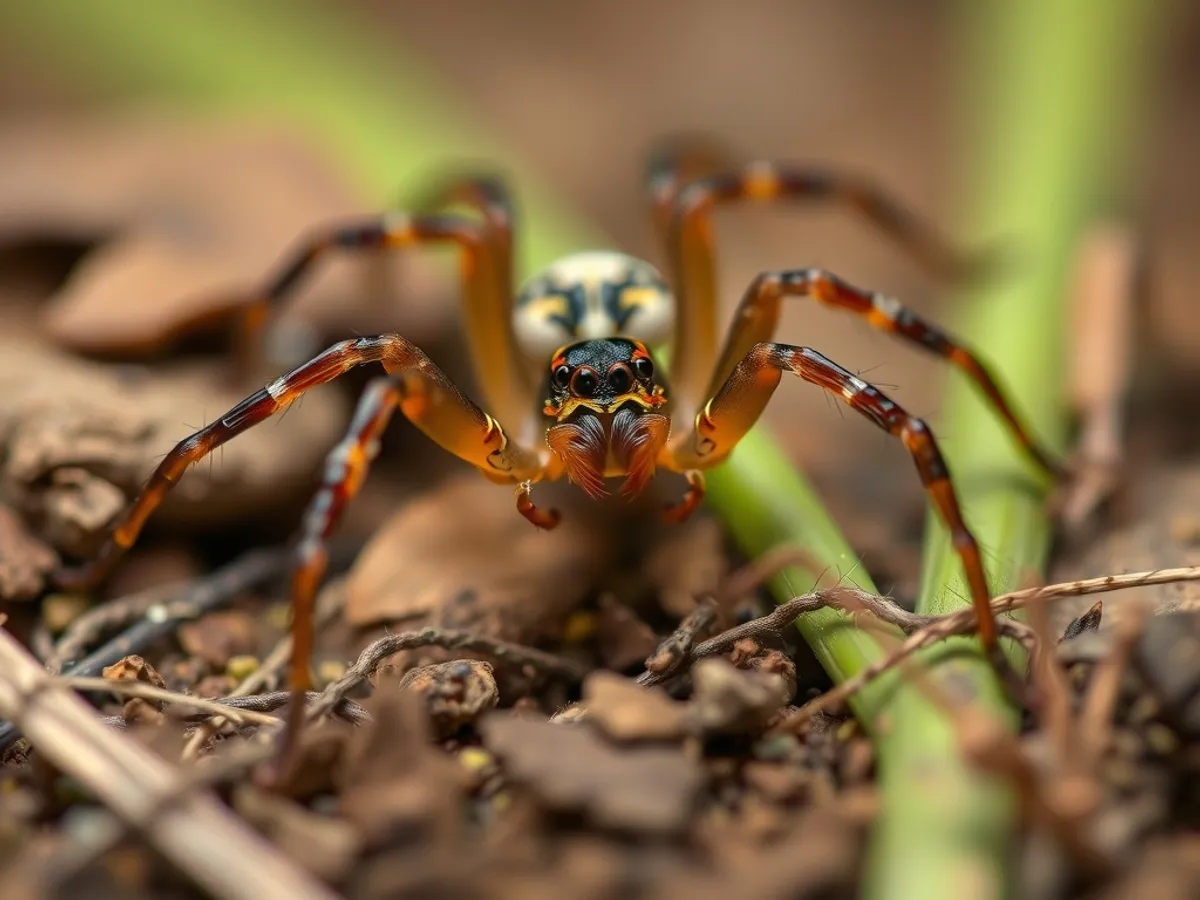
Ant-mimicking Spider
Myrmarachne formicaria
The ant-mimicking spider is a remarkable arachnid known for its striking resemblance to ants, both in appearance and behavior. This mimicry helps protect the spider from predators that typically avoid ants due to their aggressive nature and chemical defenses. Found in various regions across Europe and Asia, ant-mimicking spiders are agile hunters that rely on their speed and keen vision. They use their front pair of legs to imitate antennae, further enhancing their ant-like disguise.
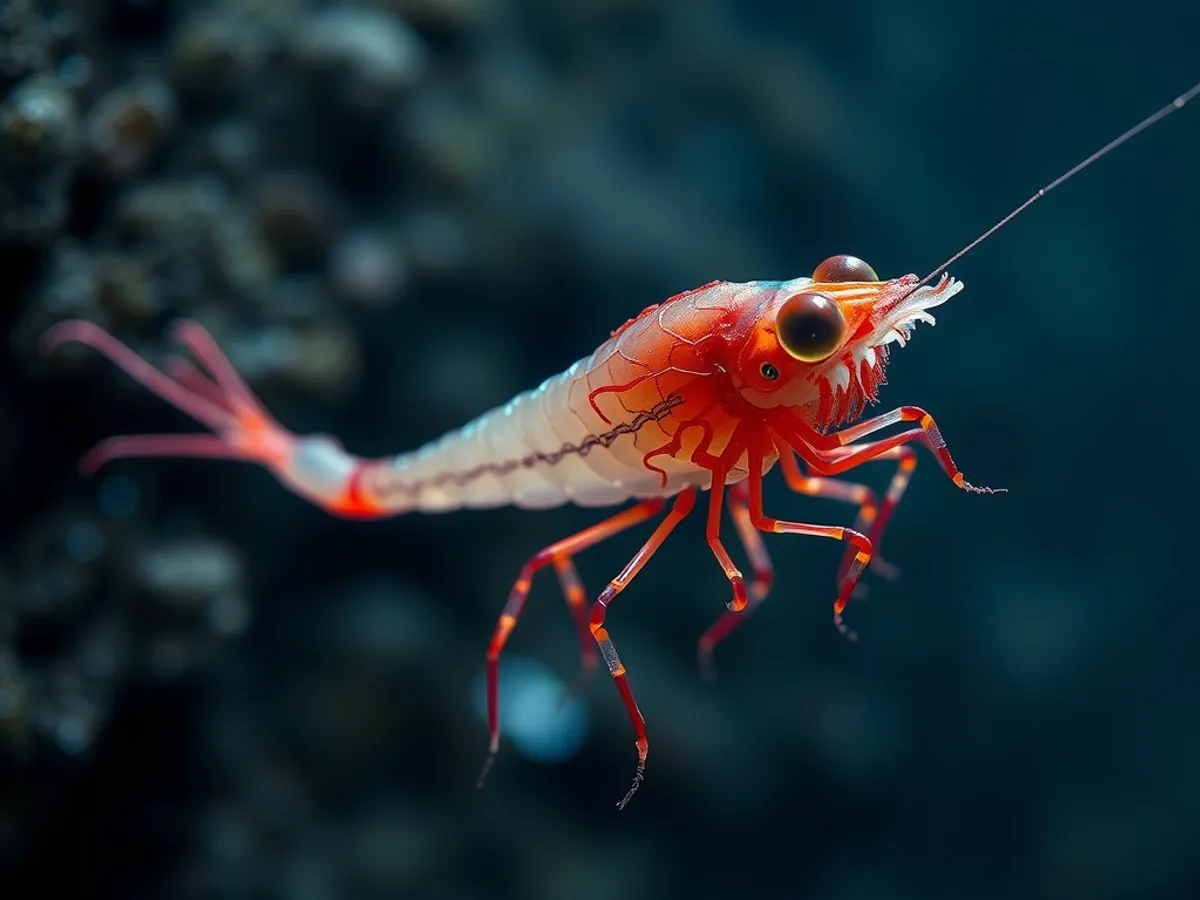
Antarctic Krill
Euphausia superba
Antarctic krill may be the most abundant single wild animal species on Earth by biomass: estimates put the standing stock in the hundreds of millions of tonnes, comparable to or exceeding the mass of all humans. They form swarms so dense — up to tens of thousands of animals per cubic metre — that they are visible from the air as reddish stains under the sea, and whole ecosystems from whales to penguins to crabeater seals rest on them. In winter they graze algae from the underside of sea ice, combing it off with rake-like thoracic legs, which is why the loss of winter ice is an existential threat to them. Their strangest ability is shrinking: a starving krill will moult into a smaller body, running its own growth backwards, and can do this repeatedly through a dark winter — extremely unusual among animals, and it means body size is a poor guide to age. They live five or six years, carry light-producing photophores, and migrate vertically hundreds of metres each day.
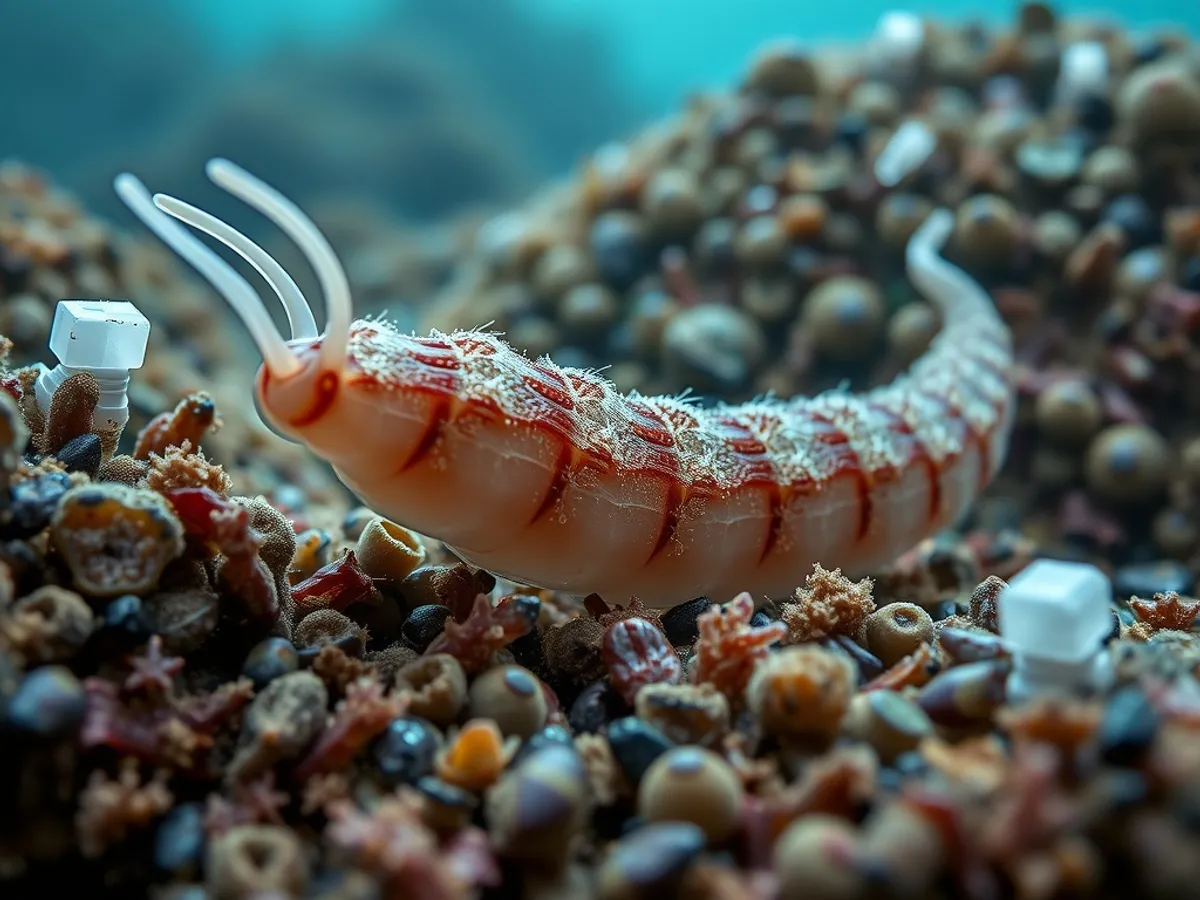
Antarctic scale worm
Eulagisca gigantea
The Antarctic scale worm is a large, predatory polychaete worm found in the frigid waters surrounding Antarctica. Recognizable by its broad, flattened body covered with overlapping scales (elytra), this worm can reach lengths of up to 20 centimeters. Its impressive jaws and iridescent, segmented appearance make it a striking resident of the deep Antarctic seafloor. This invertebrate is a fierce predator, preying on other marine invertebrates in one of the most extreme environments on Earth.
Antlion
Myrmeleon formicarius
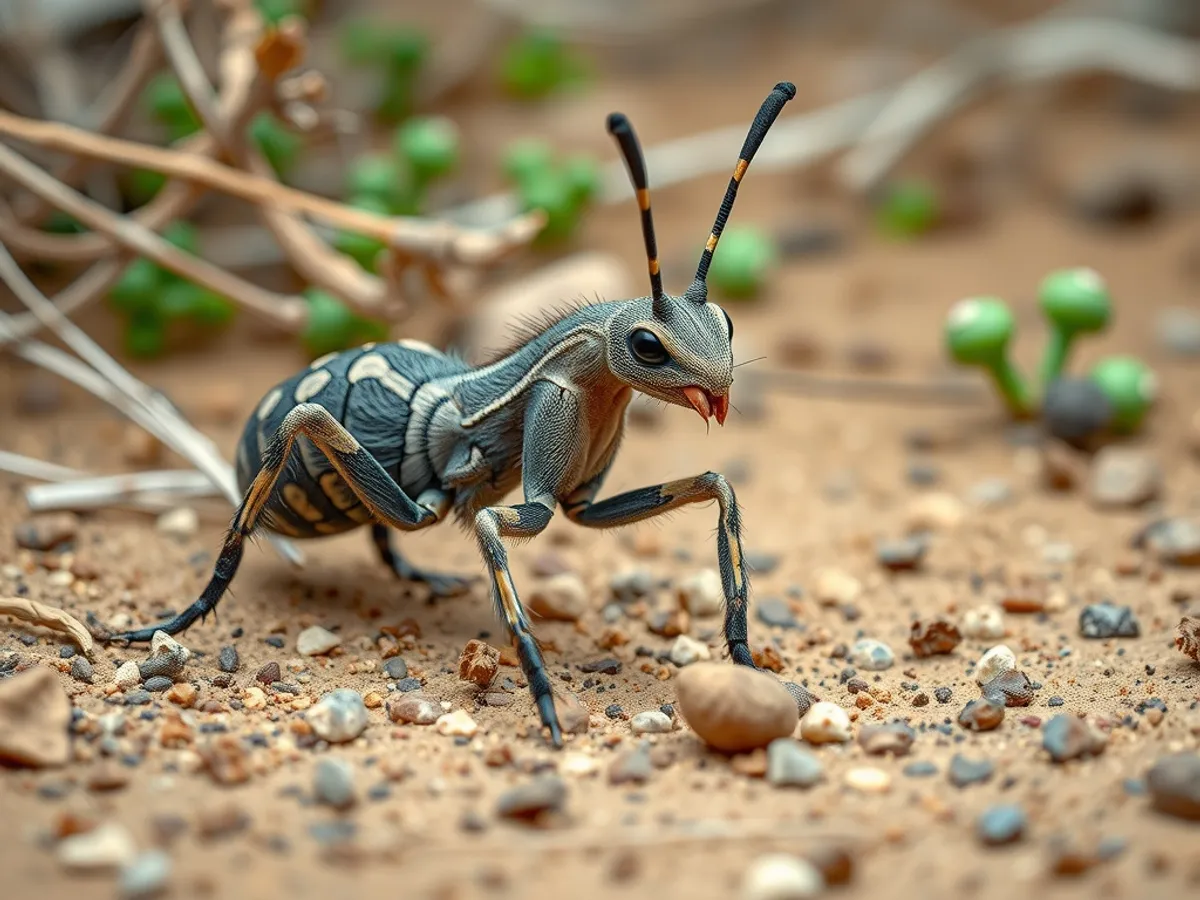
The famous conical sand pit is only half the story: most antlion species never build one at all, and simply lurk in litter or sand as ambushers. In the pit-building genera, the larva digs by spiralling backwards, flicking sand out with its head, and forms a cone at precisely the angle of repose — the steepest slope loose sand can hold — so any insect stepping in triggers a small avalanche. The larva, buried at the bottom, then flicks jets of sand upward to knock the prey down. Its jaws are hollow grooves rather than chewing tools: they inject paralysing venom and digestive enzymes, and the antlion drinks the liquefied insect out. Most remarkably, the larva has no functional anus. Waste accumulates in the gut for the whole of larval life, sometimes for years, and is finally voided as a single meconium pellet at the end of metamorphosis. Adults look like frail damselflies but can be told apart at once by their short, clubbed antennae.
Apple Snail
Pomacea canaliculata
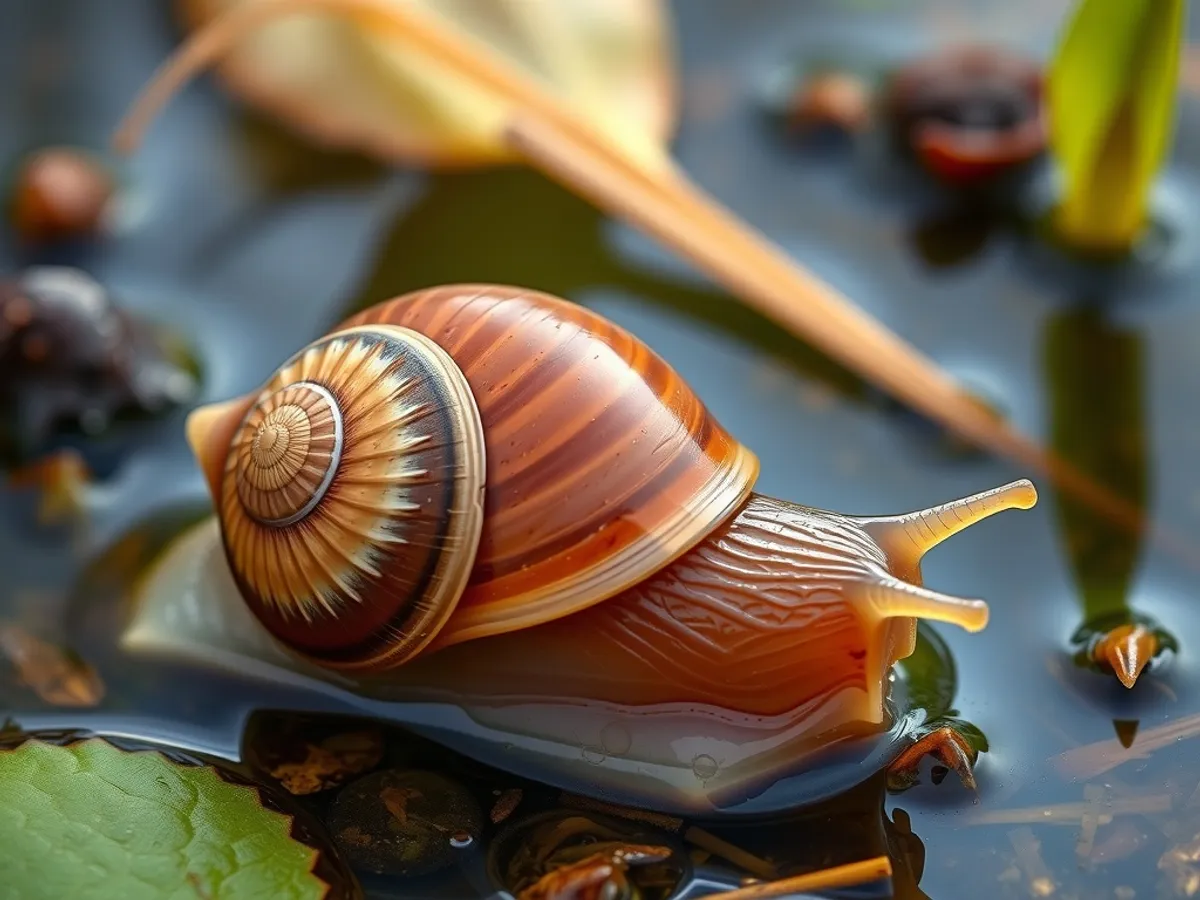
The Apple Snail is a large freshwater gastropod known for its rounded shell, which can range in color from golden yellow to dark brown. Native to South America, this snail is highly adaptable and has been introduced to many regions worldwide, often becoming an invasive species. Apple Snails are equipped with both gills and lungs, allowing them to survive in oxygen-poor waters and even on land for short periods. Their voracious appetite for aquatic plants can have significant impacts on local ecosystems and agriculture, particularly rice paddies.
Argentine ant
Linepithema humile
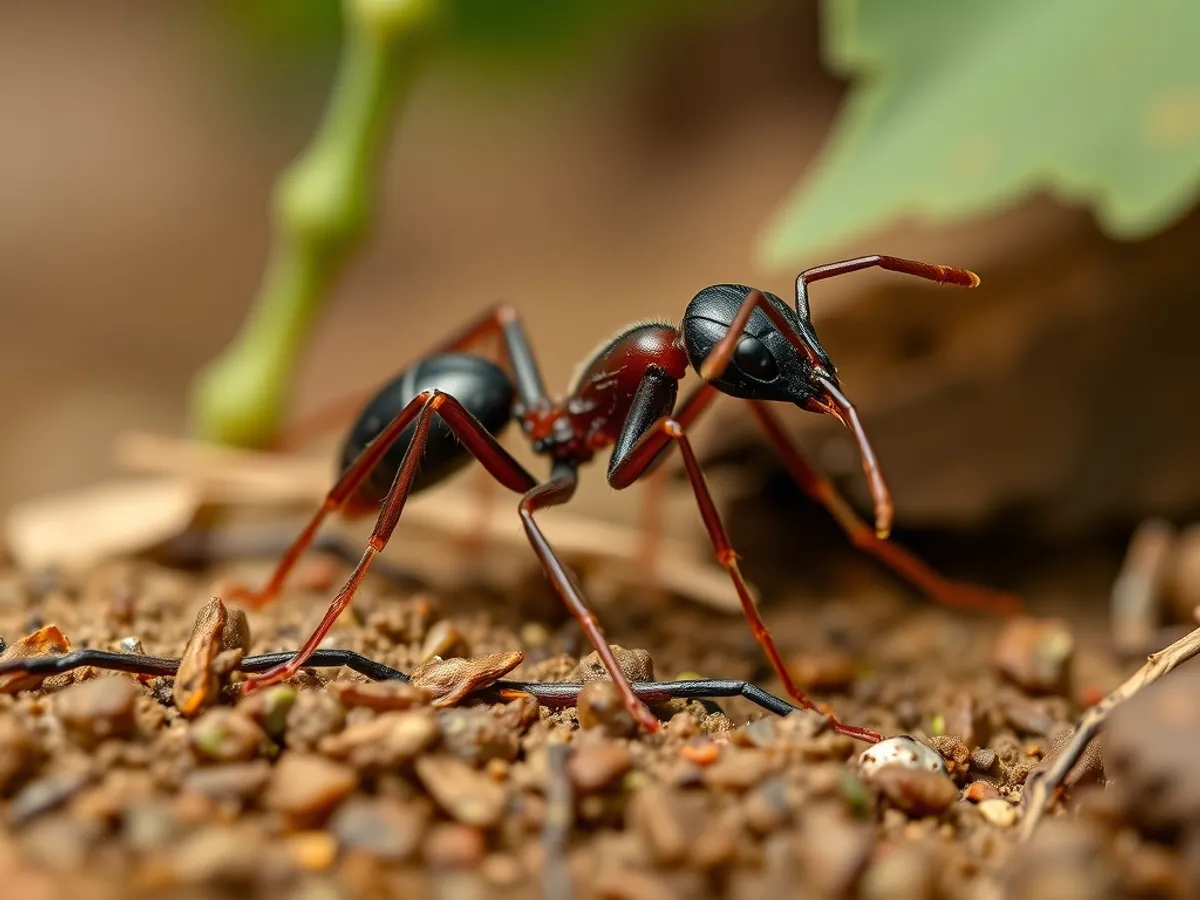
The Argentine ant is a small, light to dark brown ant species native to South America but now found on every continent except Antarctica. It is renowned for forming massive supercolonies, sometimes spanning hundreds of kilometers, due to its lack of aggression toward other colonies of the same species. Argentine ants are highly adaptable, thriving in urban, agricultural, and natural environments where they can outcompete native ant species. Their invasive nature has made them a significant ecological and agricultural pest in many regions. Despite their tiny size, their cooperative behavior and resourcefulness make them one of the most successful invasive insects globally.
Asian Giant Hornet
Vespa mandarinia
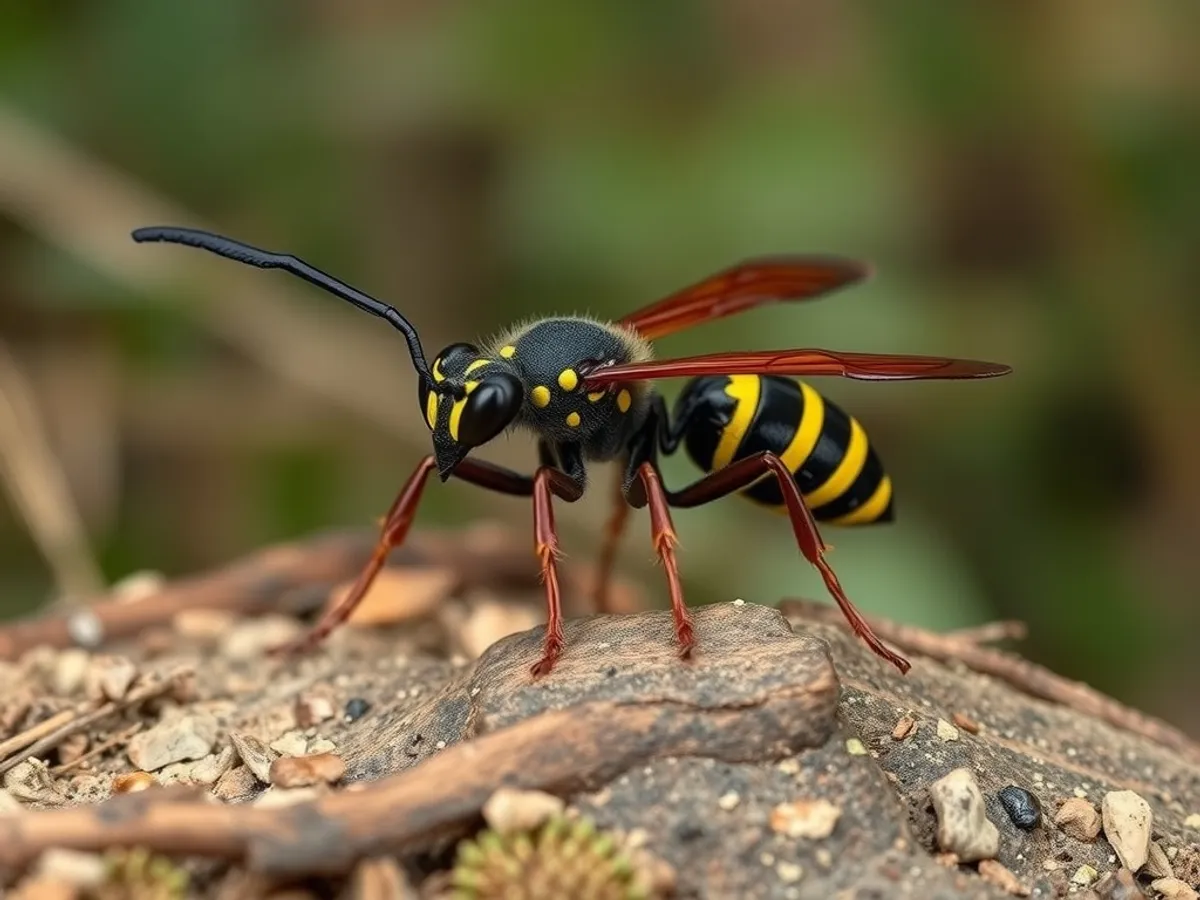
The Asian giant hornet is the largest hornet on Earth, and its reputation rests on what a few dozen of them can do to a beehive. A scout marks a colony with a pheromone, and the raiding party that follows does not sting the bees — it decapitates them, working through a hive of tens of thousands in a matter of hours, then carries the brood home to feed its own young. European honeybees, which never evolved alongside it, have no answer at all. Japanese honeybees do. When a scout is detected, hundreds of bees engulf it in a ball and vibrate their flight muscles, driving the temperature inside the ball above the hornet's tolerance while their own runs just below it, and raising the carbon dioxide at the same time — the combination kills the hornet without a single sting being used. Its own sting is long enough to penetrate beekeeping suits and the venom is potent, though the danger to people has been widely exaggerated.
Assassin Bug
Reduviidae
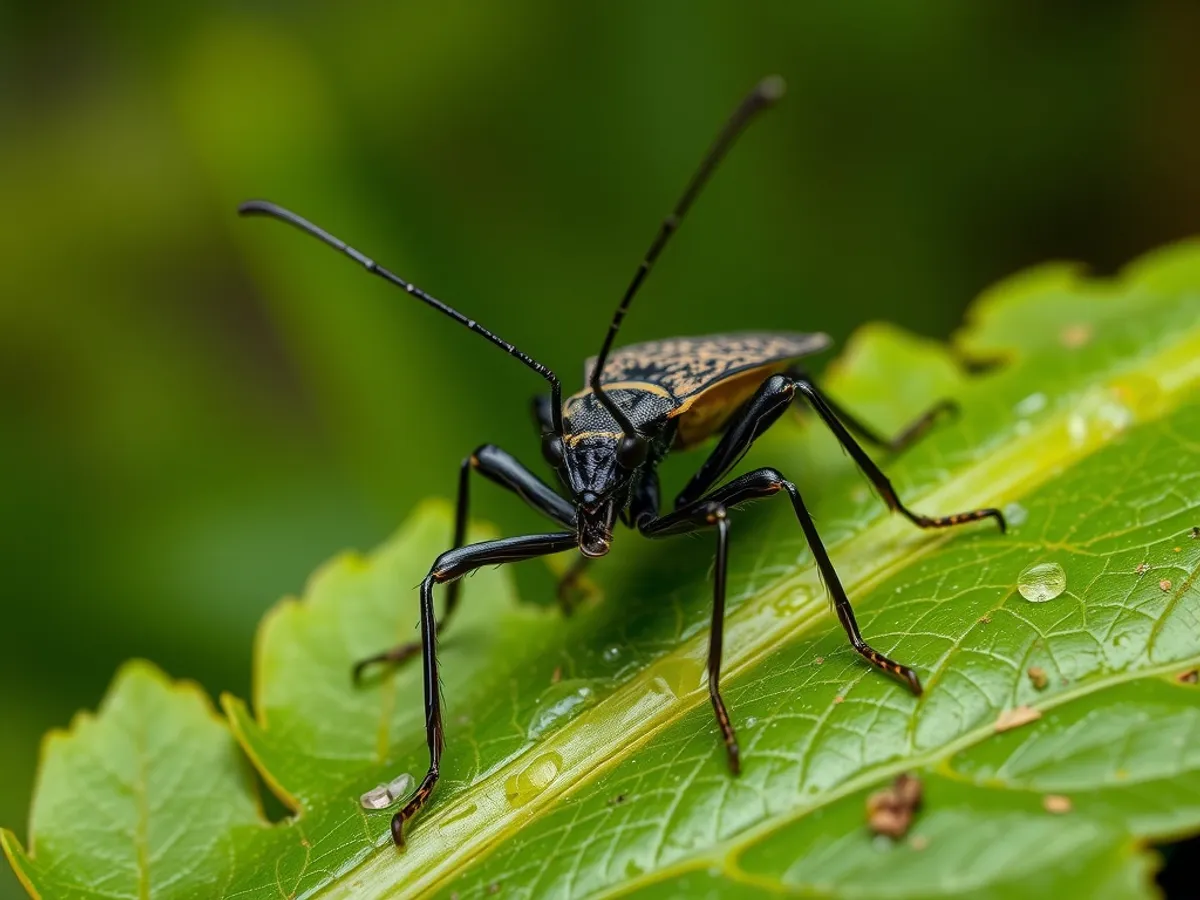
Assassin bugs are a diverse group of predatory insects known for their elongated bodies, narrow heads, and distinctive curved mouthparts used for piercing and injecting venom into prey. These bugs inhabit various environments across the world, from forests and grasslands to gardens and even inside homes. Their predatory nature helps control populations of other insects, making them important contributors to natural pest regulation. While most species are harmless to humans, some, like the kissing bug, can transmit diseases such as Chagas disease.
Atlantic blue crab
Callinectes sapidus
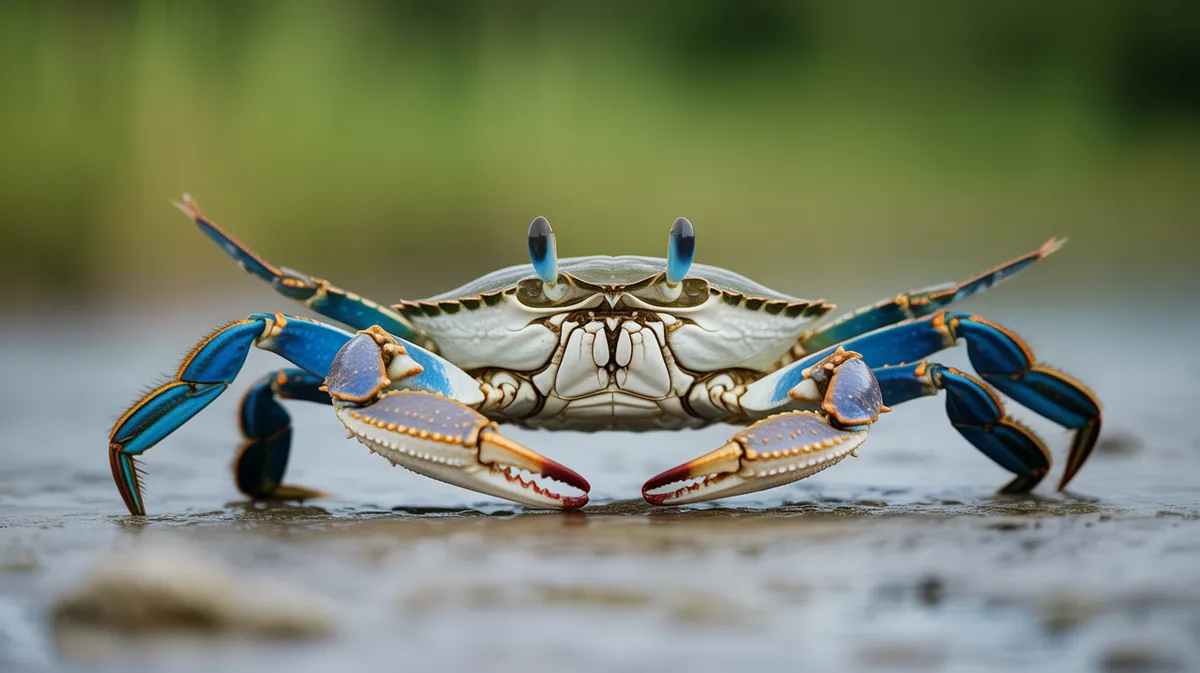
The Atlantic blue crab is a vibrant crustacean easily recognized by its brilliant blue claws and olive-green shell. Native to the western Atlantic Ocean and the Gulf of Mexico, it thrives in estuarine and coastal habitats. Blue crabs are highly adaptable, living in both salty and brackish waters, and play an essential role in their ecosystems as both predator and prey. Highly valued as a seafood delicacy, their populations are closely monitored due to intensive fishing and habitat changes.
Atlantic Horseshoe Crab
Limulus polyphemus
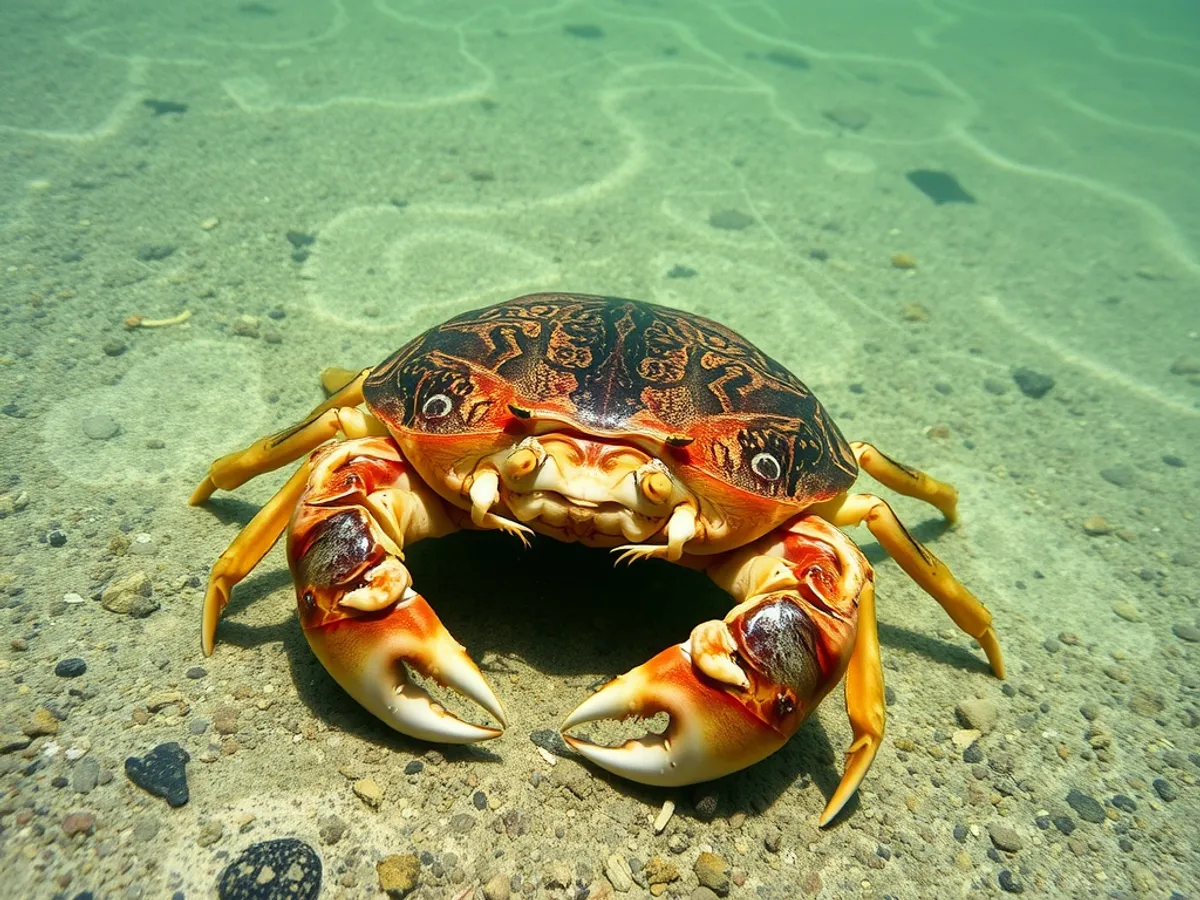
The horseshoe crab is not a crab. It is closer to spiders and scorpions than to anything crustacean, and its body plan has run essentially unchanged for something like four hundred and fifty million years — it was old before the dinosaurs. Its blood is blue, because it carries oxygen with copper rather than iron, and it contains cells of extraordinary usefulness: they clot violently in the presence of bacterial endotoxin, in quantities almost too small to measure. That reaction was turned into a test, and it is now the global standard for checking that vaccines, injectable drugs and implanted devices are free of contamination — which means that essentially every injection given to a human being has been screened using the blood of this animal. Hundreds of thousands are caught each year, bled, and returned to the sea, a practice that is now under pressure as synthetic alternatives are developed. It has ten eyes, and every spring it comes ashore in huge numbers to spawn, feeding the shorebirds that time their migration to arrive exactly then.
Atlantic mole crab
Emerita talpoida
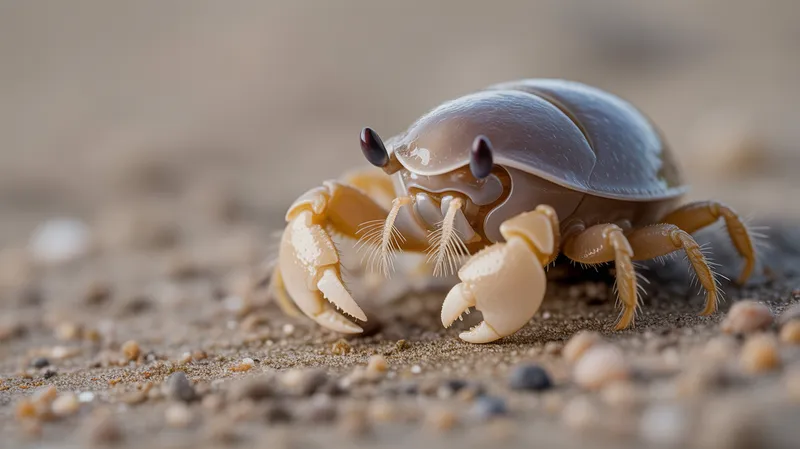
The Atlantic mole crab is a small, burrowing crustacean commonly found along sandy beaches of the western Atlantic Ocean. Recognizable by its oval, domed body and lack of claws, this crab is an expert at digging backward into the sand, where it spends most of its life. It filters plankton and organic matter from the water using its feathery antennae, emerging at the edge of the surf to feed and reproduce. The species is vital to coastal ecosystems, serving as both prey for shorebirds and fish and as a key player in nutrient cycling.
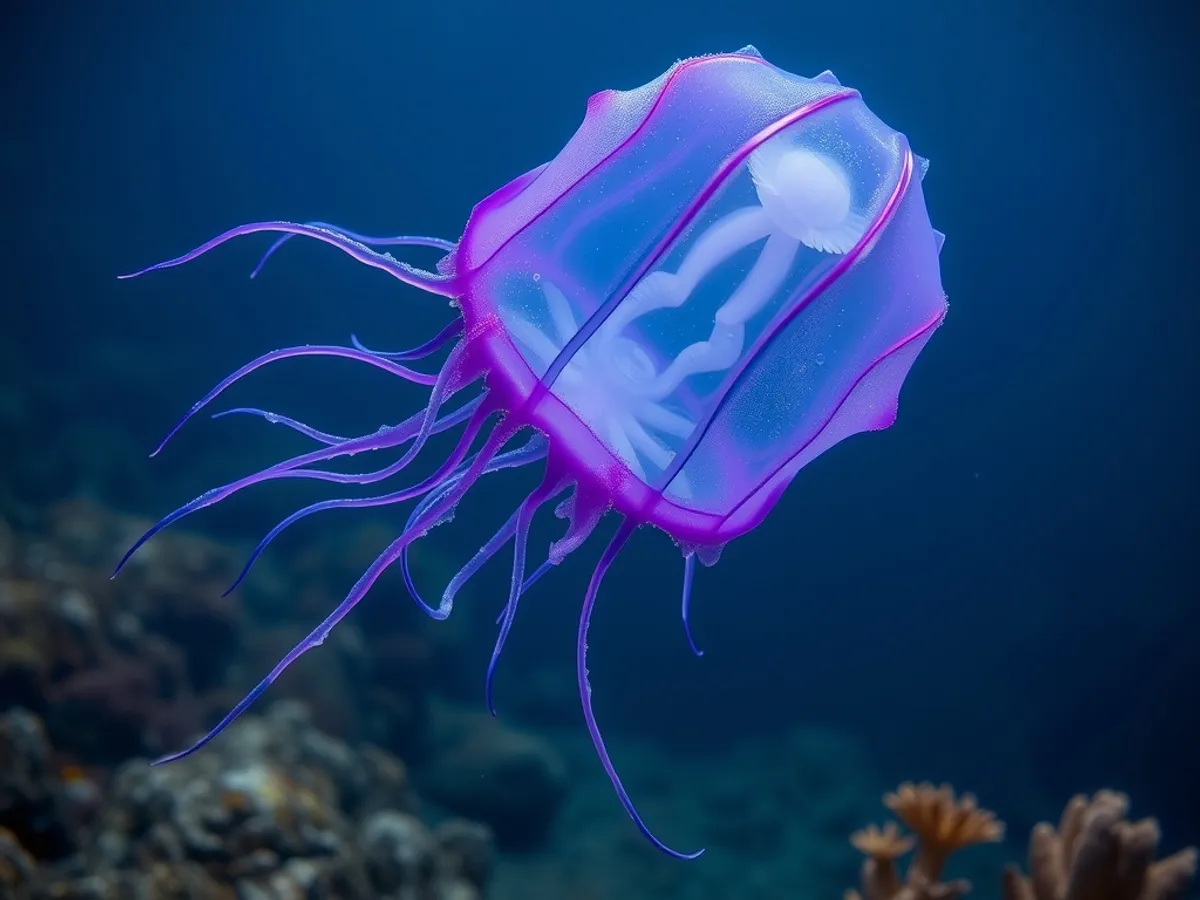
Atlantic Portuguese Man o' War
Physalia physalis
The Portuguese man o' war is not a jellyfish, and more surprisingly it is not really an individual animal at all. It is a siphonophore: a floating colony of specialised bodies called zooids, each descended from the same larva, each genetically identical, and each so specialised that none can survive alone. One zooid becomes the gas-filled float; others form the stinging tentacles; others digest; others reproduce. It is a single organism assembled out of animals that have each surrendered the ability to be one. It cannot swim. The float acts as a sail, and because it is set at an angle — and because individuals come in left-handed and right-handed forms — a population will be pushed by the same wind in two diverging directions, so a single storm can never strand all of them. Its tentacles trail many metres below, and the sting is severe, delivered by cells that fire on contact and remain dangerous long after the animal has washed up dead on a beach.
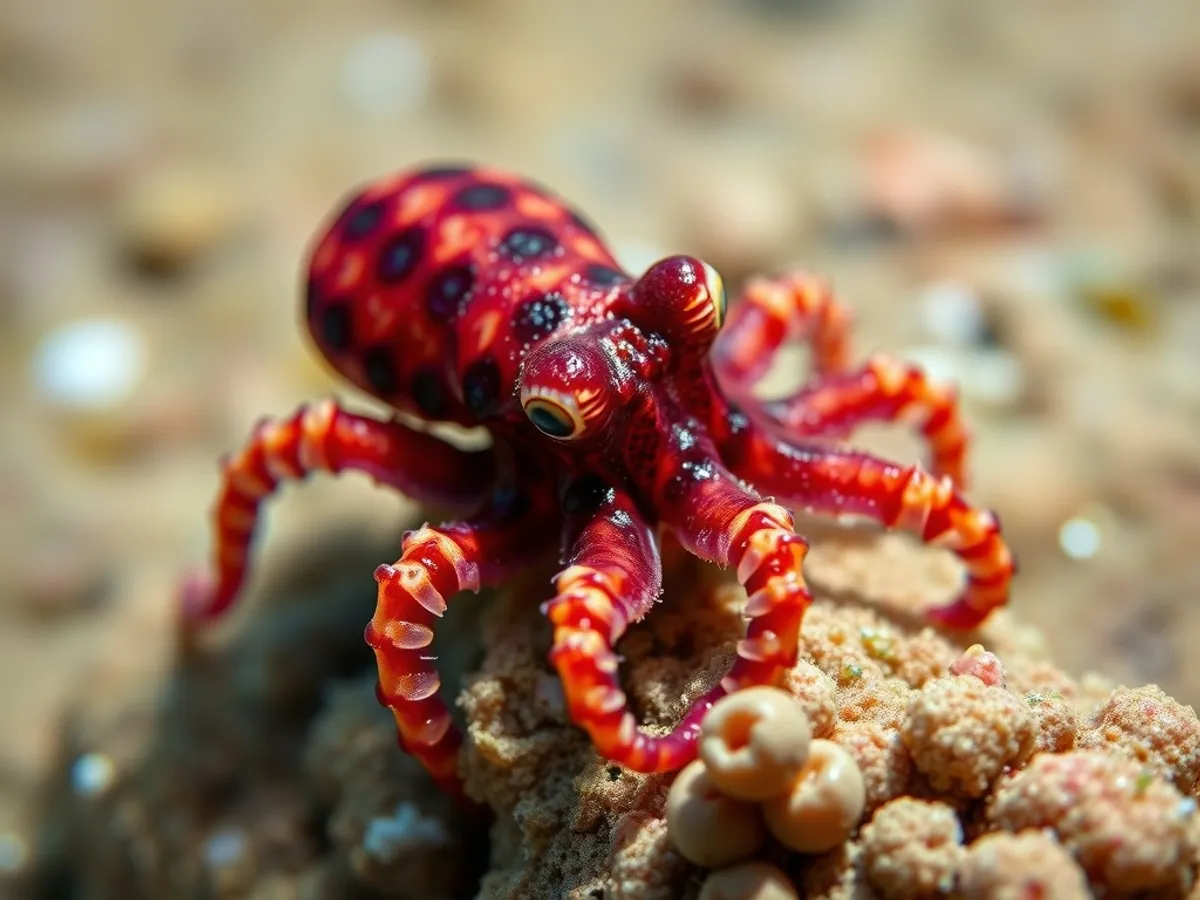
Atlantic Pygmy Octopus
Octopus joubini
The Atlantic Pygmy Octopus is a small, secretive cephalopod found in shallow coastal waters of the western Atlantic Ocean, particularly in the Caribbean and Gulf of Mexico. Typically measuring no more than 12 centimeters in arm span, this octopus is renowned for its agility, intelligence, and remarkable ability to camouflage among rocks, shells, and sea grass. It spends much of its time hidden during the day, becoming more active at night to hunt small crustaceans and mollusks. Its short lifespan and cryptic behavior make it a rarely observed but fascinating inhabitant of tropical marine ecosystems.
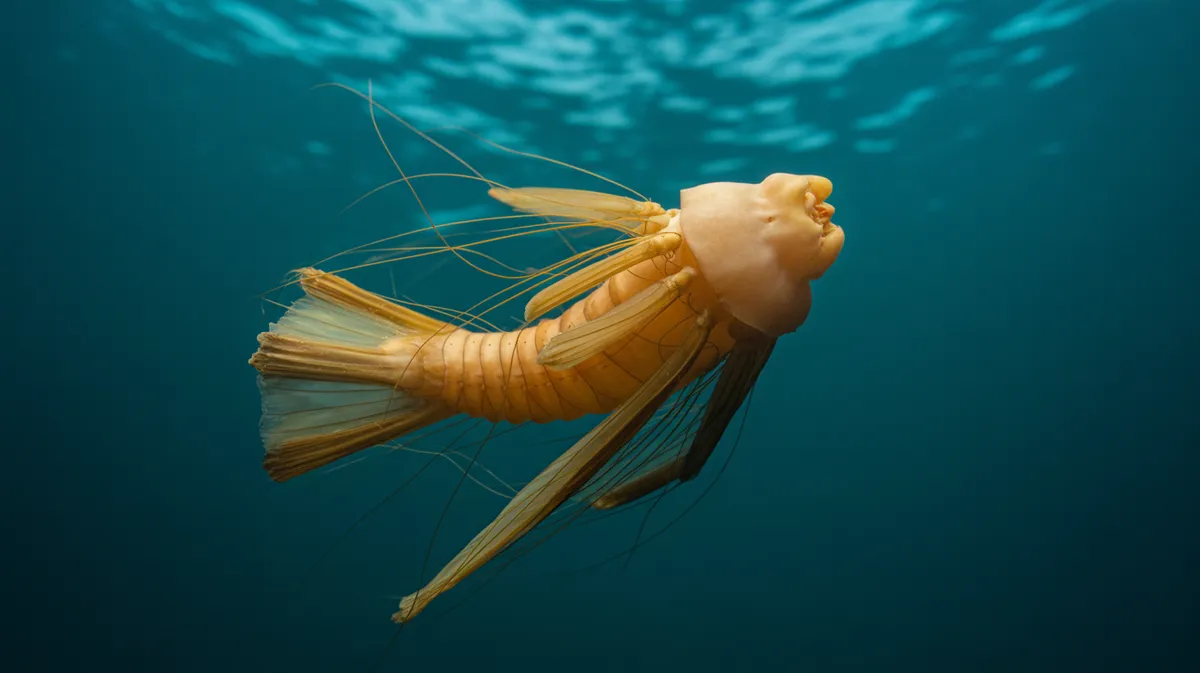
Atlantic sea nettle
Chrysaora quinquecirrha
The Atlantic sea nettle is a species of jellyfish commonly found along the Atlantic and Gulf coasts of the United States. Recognized by its translucent, bell-shaped body with distinctive long, trailing tentacles and often with reddish or brown stripes, it can deliver a mild to moderate sting to humans. This invertebrate plays a vital ecological role, preying on plankton, small fish, and other jellyfish, while also serving as prey for sea turtles and larger fish. The Atlantic sea nettle is often found in bays, estuaries, and coastal waters, where it drifts with the currents in search of food. It is a common sight during the warmer months and is known for its seasonal population booms.
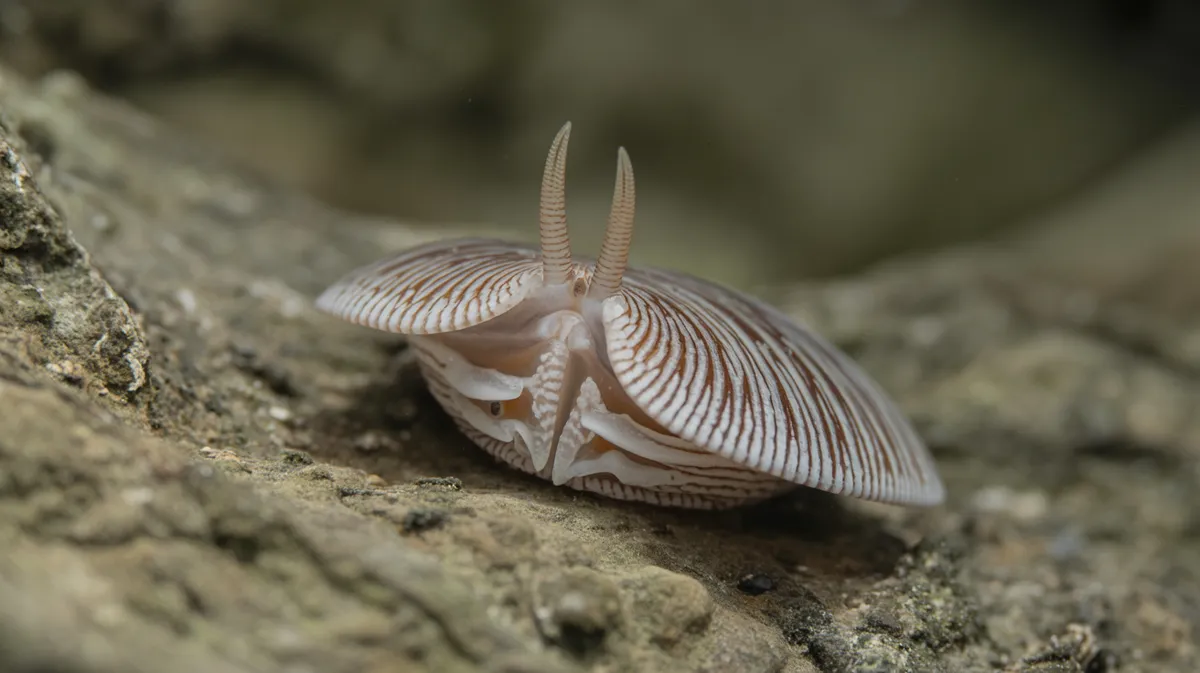
Atlantic slipper limpet
Crepidula fornicata
The Atlantic slipper limpet is a small marine mollusk recognized by its distinctively shaped shell, which resembles a slipper or a boat. This invertebrate typically forms stacked chains of individuals, with the largest female at the bottom and smaller males on top. Originally native to the east coast of North America, it has since become widespread in European waters due to shipping and aquaculture. The species is known for its remarkable ability to change sex during its life, transitioning from male to female as it matures.
Atlas Beetle
Chalcosoma atlas
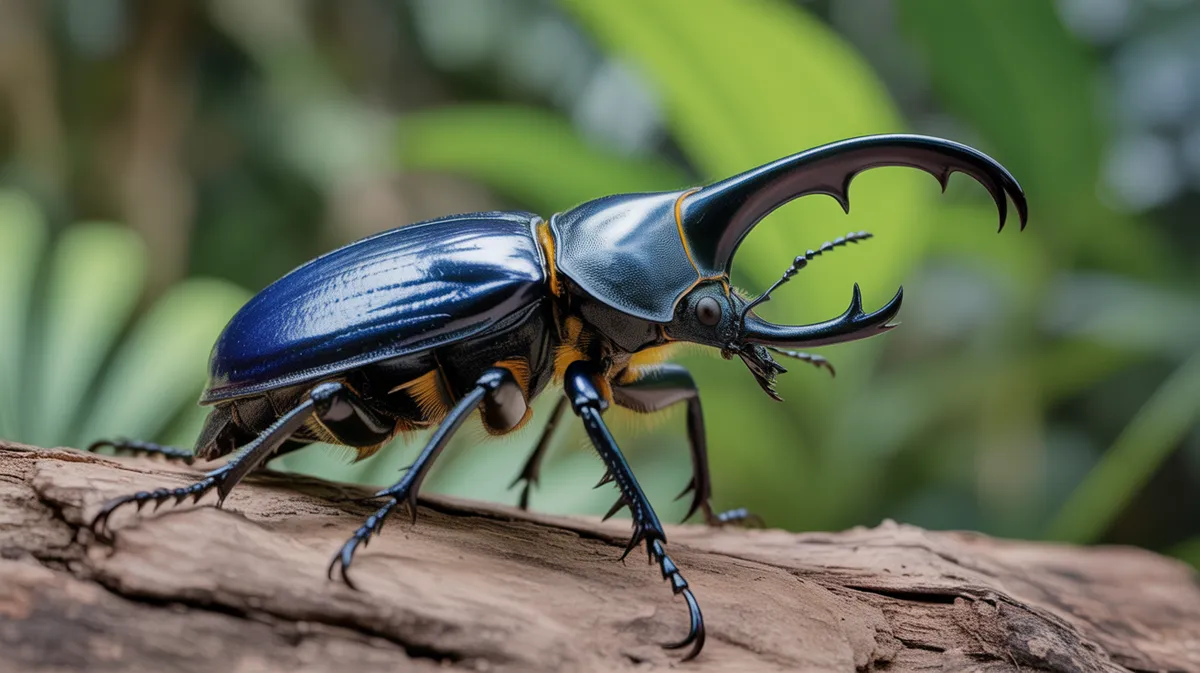
The Atlas Beetle is one of the largest and most impressive beetles in the world, recognized for its three prominent horns on males. Native to the tropical forests of Southeast Asia, this beetle is a member of the rhinoceros beetle group and exhibits strong sexual dimorphism, with males being much larger and more heavily armored than females. The Atlas Beetle spends the majority of its life as a larva, feeding on decaying wood, before emerging as an adult to search for mates. Adult beetles are known for their strength, capable of lifting objects up to several times their own body weight.
Atlas Moth
Attacus atlas
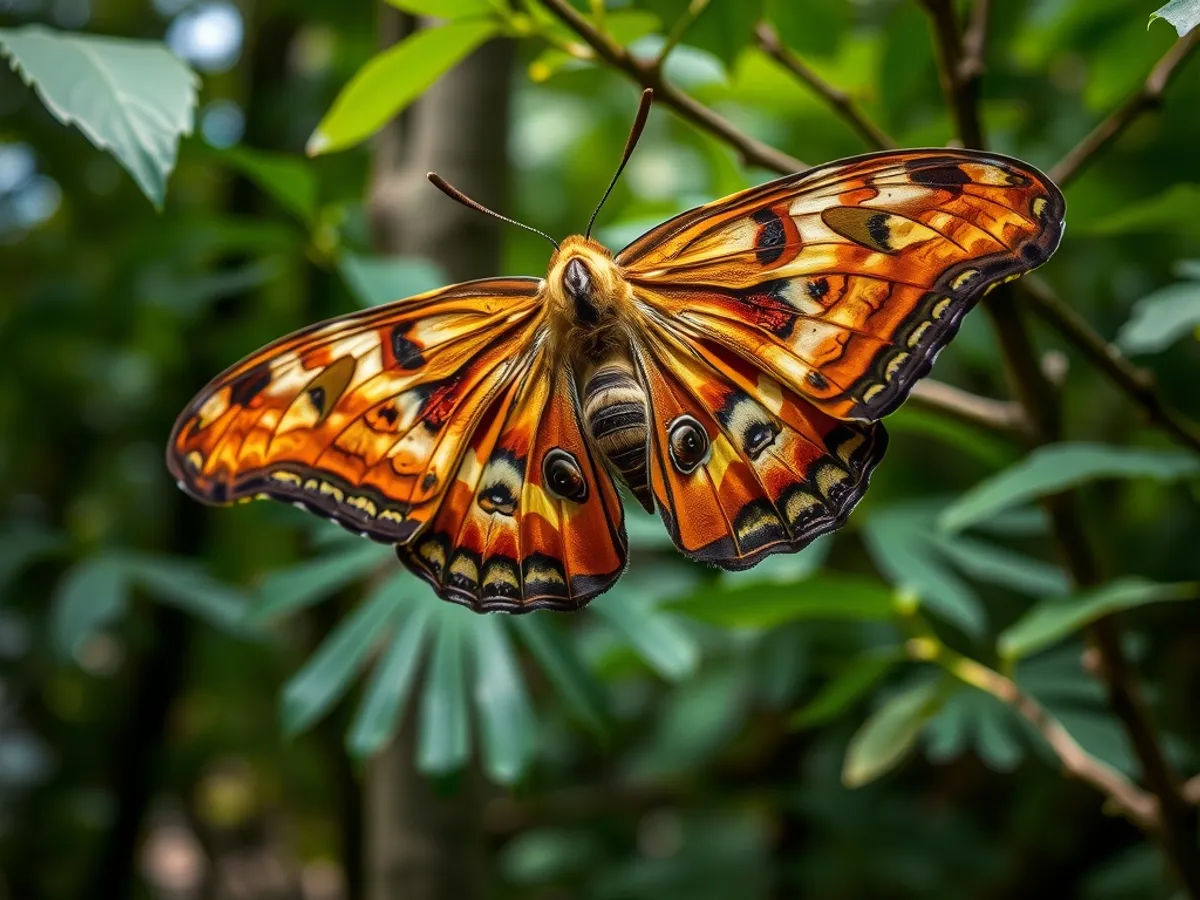
The atlas moth is among the largest insects in the world by wing area — and the adult has no functional mouth. It cannot eat. It emerges from the cocoon carrying every calorie it will ever have, banked as fat during its caterpillar stage, and it spends the week or two it has left doing one thing: finding a mate. The division of labour is total. The female barely moves, releasing pheromones and waiting; the male flies, sometimes for kilometres, guided by vast feathered antennae sensitive enough to detect a few molecules of her scent on the night air. The wingtips are the moth's other famous feature: each is patterned to resemble the head of a snake, complete with a suggestion of an eye and scales, and a disturbed moth will drop to the ground and slowly writhe its wings to sell the illusion. Its cocoon produces a coarse, durable silk called fagara, which is harvested commercially.
Australian Peacock Spider
Maratus volans
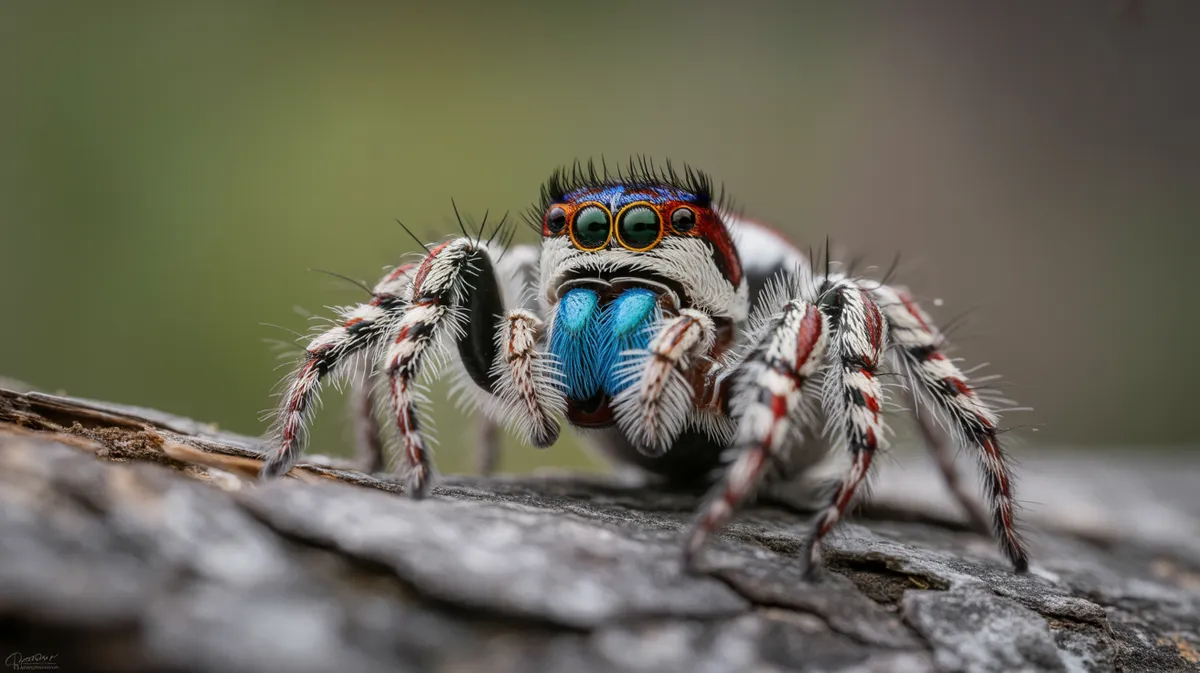
Peacock spiders are jumping spiders about 4 to 5 mm long — small enough to sit comfortably on a fingernail — that perform one of the most elaborate courtship displays of any animal. The male raises a flap on his abdomen like a fan and vibrates his legs and body while shuffling side to side, and he is not only being seen: he is also drumming, sending substrate-borne vibration songs through the leaf litter that the female detects through her legs. Colour and sound have to work together, and a male who gets it wrong is frequently eaten. The colour itself is a physics exhibit. The blues are structural, produced by three-dimensional nanoscale gratings rather than pigment, and the black regions are "super black": microscopic lens-and-brush structures on the scales trap light and reflect as little as half a percent of it, which makes the adjacent colours look far more saturated by contrast — the same trick used by birds of paradise. More than a hundred species are known, most described in the last fifteen years.
Aye-aye Leech
Chtonobdella ayeaye
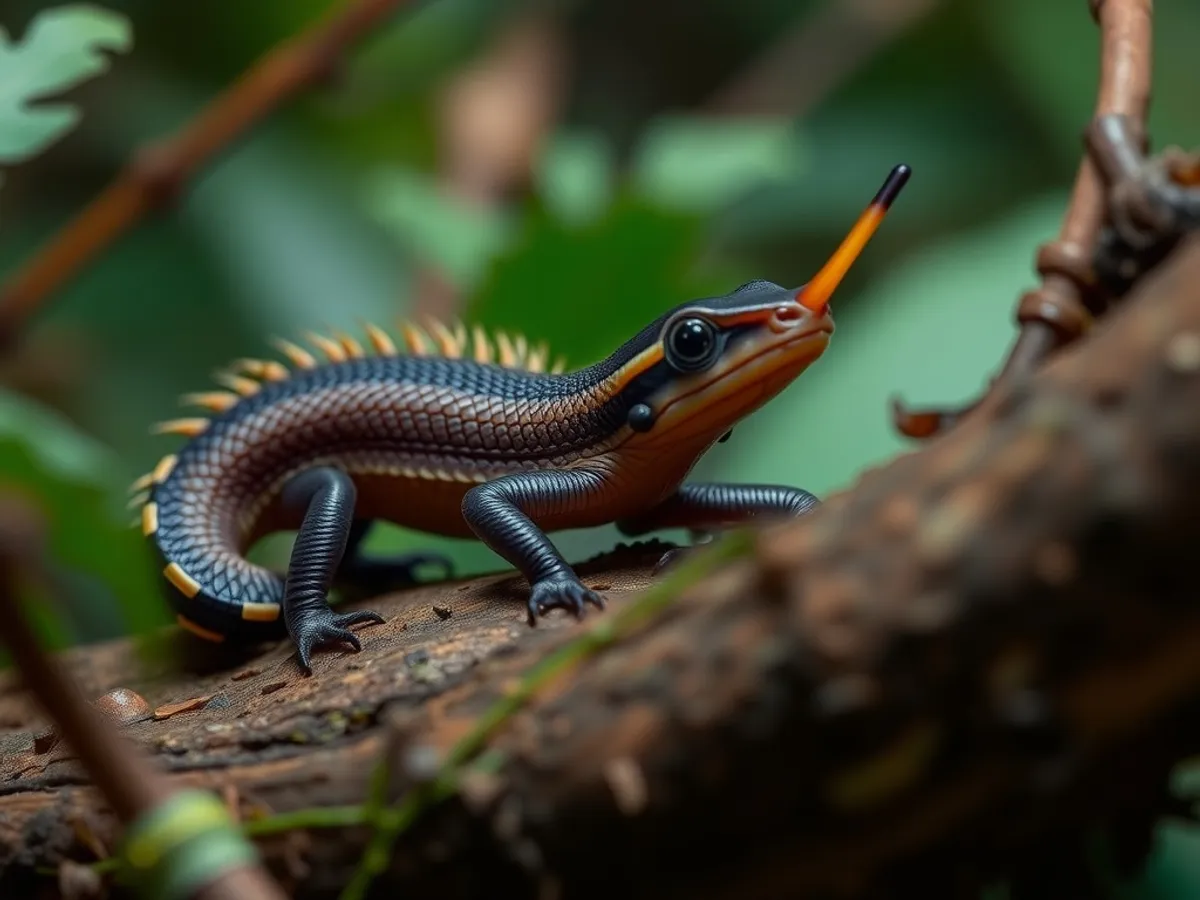
The Aye-aye leech (Chtonobdella ayeaye) is a rare terrestrial blood-feeding leech discovered in the rainforests of Madagascar. This unique invertebrate is notable for its association with the aye-aye lemur, from which it is believed to commonly feed. Unlike many aquatic leeches, the Aye-aye leech has adapted to a primarily arboreal and terrestrial lifestyle, using its muscular body to move through leaf litter and up trees. Its presence is considered an indicator of healthy, undisturbed rainforest ecosystems.
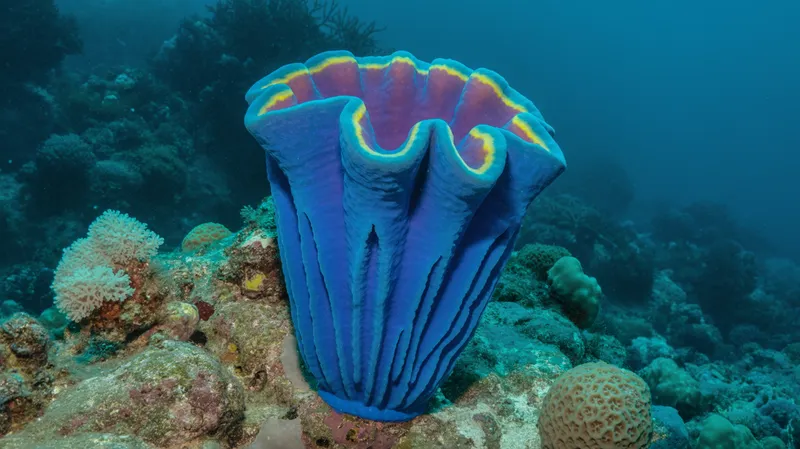
Azure Vase Sponge
Callyspongia plicifera
The Azure Vase Sponge is a strikingly beautiful marine invertebrate recognized for its vibrant purple to blue coloration and elegant vase-like shape. Native to the coral reefs of the Caribbean Sea and western Atlantic Ocean, this sponge can grow up to 27 centimeters tall and 13 centimeters wide. It provides habitat and shelter for a variety of small marine organisms, contributing to the overall biodiversity of reef ecosystems. The porous body allows efficient water filtration, playing a crucial ecological role by cleaning the surrounding water.