
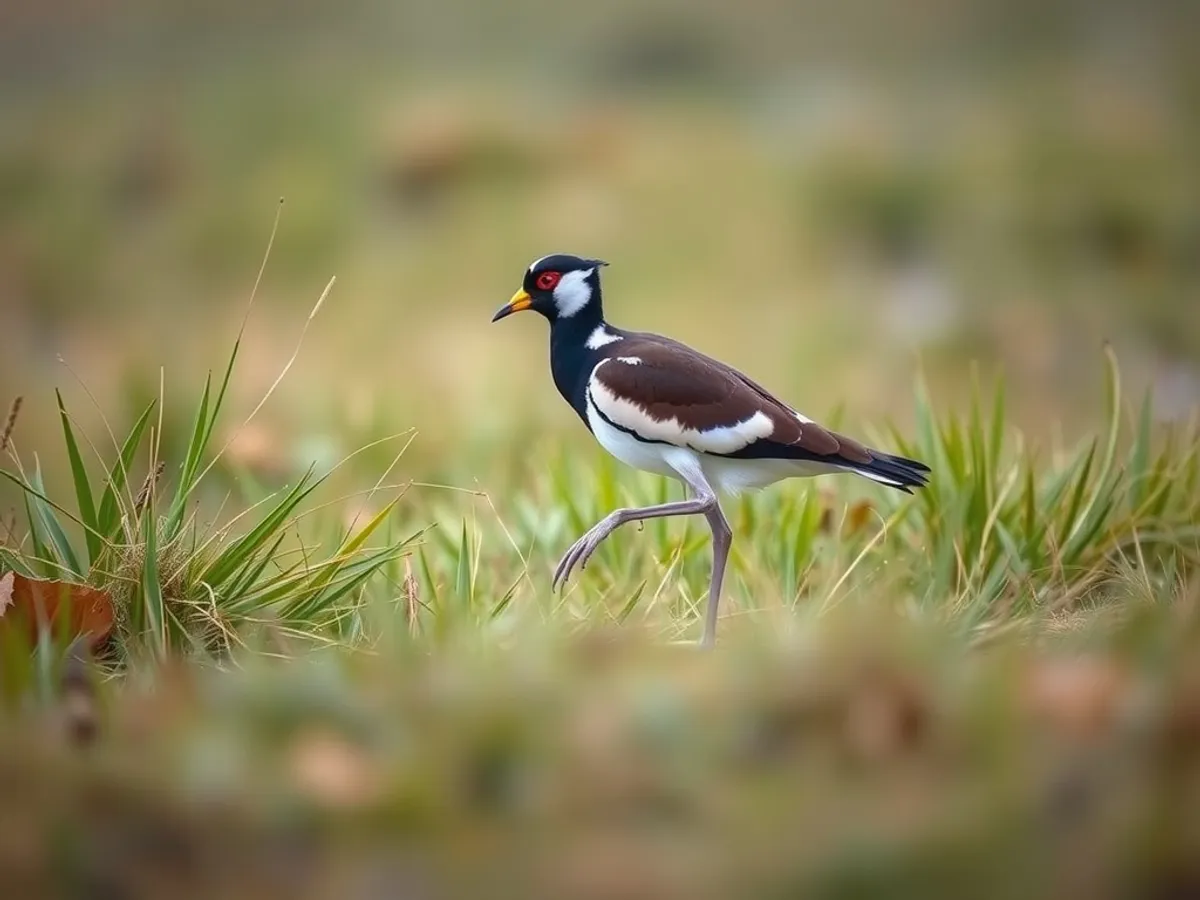
About the Northern Lapwing
The Northern Lapwing is a striking wader, known for its iridescent green and purple plumage, distinctive black crest, and broad, rounded wings. This medium-sized bird is commonly found in open farmlands, marshes, and grasslands across Europe and Asia. Lapwings are famous for their tumbling flight displays and loud, peewit-like calls, which also inspired their nickname, 'Peewit.' During winter, many populations migrate to milder regions, forming large flocks. Their numbers have declined in parts of their range due to agricultural changes and habitat loss.
Fascinating facts
Remarkable Camouflage
Lapwing eggs blend seamlessly into their surroundings, making them nearly invisible to predators and people.
Distinctive Call
Their 'peewit' call is instantly recognizable and often heard during their acrobatic flight displays.
Long-distance Migrant
Many Northern Lapwings travel hundreds to thousands of kilometers between breeding and wintering grounds each year.
Detailed description
The Northern Lapwing (Vanellus vanellus) is a medium-sized wader, measuring 28–31 cm in length with a wingspan of 67–72 cm and weighing 128–330 grams. It is instantly recognizable by its long, wispy black crest, broad rounded wings, and striking plumage: the upperparts shimmer with iridescent green and purple, contrasting with a white face and belly, black breast, and dark throat. The species exhibits sexual monomorphism, with males and females appearing similar, though males tend to have longer crests and more pronounced facial markings. In flight, the lapwing's slow, deep wingbeats and tumbling aerial displays are distinctive, especially during the breeding season. The bird's legs are relatively short and pinkish, adapted for walking through wet grasslands and shallow water. Its bill is short and slender, suited for probing soil and mud for invertebrates. The species is highly vocal, producing a variety of calls, most notably the onomatopoeic 'peewit' that gives rise to its common name. Outside the breeding season, Northern Lapwings are highly gregarious, forming flocks that can number in the thousands, especially during migration or on wintering grounds. Their plumage provides excellent camouflage when nesting on the ground, and both sexes participate in distraction displays to deter predators from nests.
Did you know?
The Northern Lapwing's beautiful metallic plumage is not caused by pigments but by microscopic structures in the feathers that reflect light.
Research & sources
Wikipedia summary
The northern lapwing, also known as the peewit or pewit, tuit or tewit, green plover, or pyewipe or just lapwing, is a bird in the lapwing subfamily. It is common through temperate Eurosiberia.
Behaviour & social structure
Northern Lapwings are primarily crepuscular, with peak foraging activity at dawn and dusk, though they may feed throughout the day in cooler weather. Their diet is omnivorous, consisting mainly of earthworms, insects, spiders, and other invertebrates, but also seeds and plant material, especially in winter. They forage by walking slowly and using a characteristic foot-trembling behavior to disturb prey from the soil. Socially, lapwings are territorial during the breeding season, with males defending nesting sites through aerial displays and aggressive posturing. Outside of breeding, they are highly social, forming large flocks that provide safety in numbers and facilitate information sharing about food sources. Lapwings are known for their elaborate distraction displays, such as feigning injury, to lure predators away from nests or chicks. Roosting occurs in open fields or mudflats, often communally.
Reproduction & life cycle
Breeding occurs from March to July, with timing varying by latitude. Northern Lapwings are monogamous within a breeding season, though occasional polygyny is observed. Males establish territories and perform dramatic aerial displays, including tumbling flights and loud calls, to attract females. Nests are shallow scrapes in open ground, often sparsely lined with vegetation. The typical clutch consists of 3–4 olive-brown, blotched eggs. Incubation lasts 24–31 days, shared by both sexes but predominantly by the female. Chicks are precocial, leaving the nest within hours of hatching and feeding themselves, though both parents guard and brood them. Fledging occurs at 35–40 days. Lapwings may re-nest if early clutches are lost, and double brooding is rare but possible in favorable conditions.
Adaptations & survival
Northern Lapwings possess several adaptations for open-country living. Their cryptic plumage and ground-nesting habits reduce predation risk. The long crest and bold wing patterns are used in visual displays for mate attraction and territorial defense. Their broad, rounded wings enable agile, acrobatic flight, useful for both display and predator evasion. The species' flexible diet and foraging techniques, including foot-trembling and surface pecking, allow exploitation of a range of habitats and food sources. Behavioral adaptations such as group living outside the breeding season enhance predator detection and foraging efficiency. Their ability to undertake long-distance migrations, sometimes exceeding 2,000 km, allows them to exploit seasonal resources across a vast range.
Cultural significance
The Northern Lapwing holds considerable cultural significance across its range. In European folklore, it is often associated with spring and renewal, as its return marks the end of winter. Its distinctive call and flight displays have inspired poetry, art, and local names in many languages. Historically, lapwing eggs were considered a delicacy in Britain and parts of Europe, leading to regulated collection in the 19th and early 20th centuries. The bird features in the folklore of the Netherlands, where the first lapwing egg of the year is celebrated as a symbol of fertility and good fortune. Its declining numbers have made it a flagship species for wetland conservation in several countries.
Recent research
Recent research has focused on the impacts of agricultural practices and climate change on lapwing breeding success, with studies demonstrating the importance of traditional, low-intensity farming for sustaining populations. GPS and geolocator tracking have revealed complex migration routes, with some birds wintering as far south as North Africa and the Middle East. Genetic studies indicate low differentiation across the range, supporting the view of a single, widespread species. Ongoing research is investigating the effectiveness of agri-environment schemes and predator management in reversing population declines. Behavioral studies continue to explore the evolution of the species' unique aerial displays and anti-predator tactics.
Videos
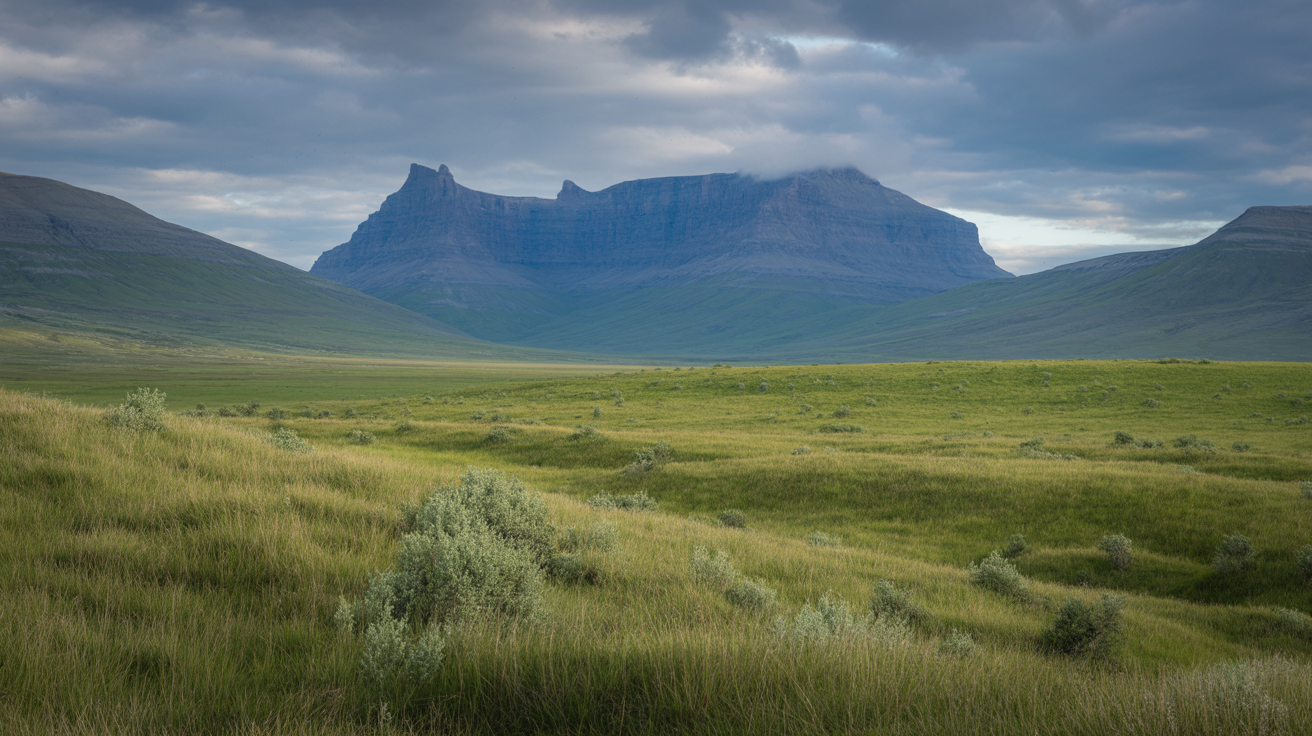
Habitat
Wet grasslands and farmlands
Conservation
The Northern Lapwing is currently classified as Near Threatened on the IUCN Red List.
Threats & challenges
The Northern Lapwing has experienced significant population declines, particularly in Western Europe, due to agricultural intensification, wetland drainage, and changes in land use that reduce suitable nesting and foraging habitats. The shift to autumn-sown crops and increased use of pesticides have reduced food availability and increased nest destruction during farming operations. Climate change poses additional threats through altered rainfall patterns affecting breeding habitats. Predation by mammals and corvids, especially in fragmented landscapes, further impacts breeding success. As a result, the species is classified as Near Threatened by the IUCN, with ongoing declines in several regions despite some local conservation efforts such as agri-environment schemes and habitat restoration.
Taxonomy
Scientific name
Vanellus vanellus
- Kingdom
- Animalia
- Phylum
- Chordata
- Class
- Aves
- Order
- Charadriiformes
- Family
- Charadriidae
- Genus
- Vanellus
- Species
- vanellus
Community notes
Share your observations about the Northern Lapwing.
No community notes yet. Be the first!
Discover more wildlife
More fascinating animals from the encyclopedia.