
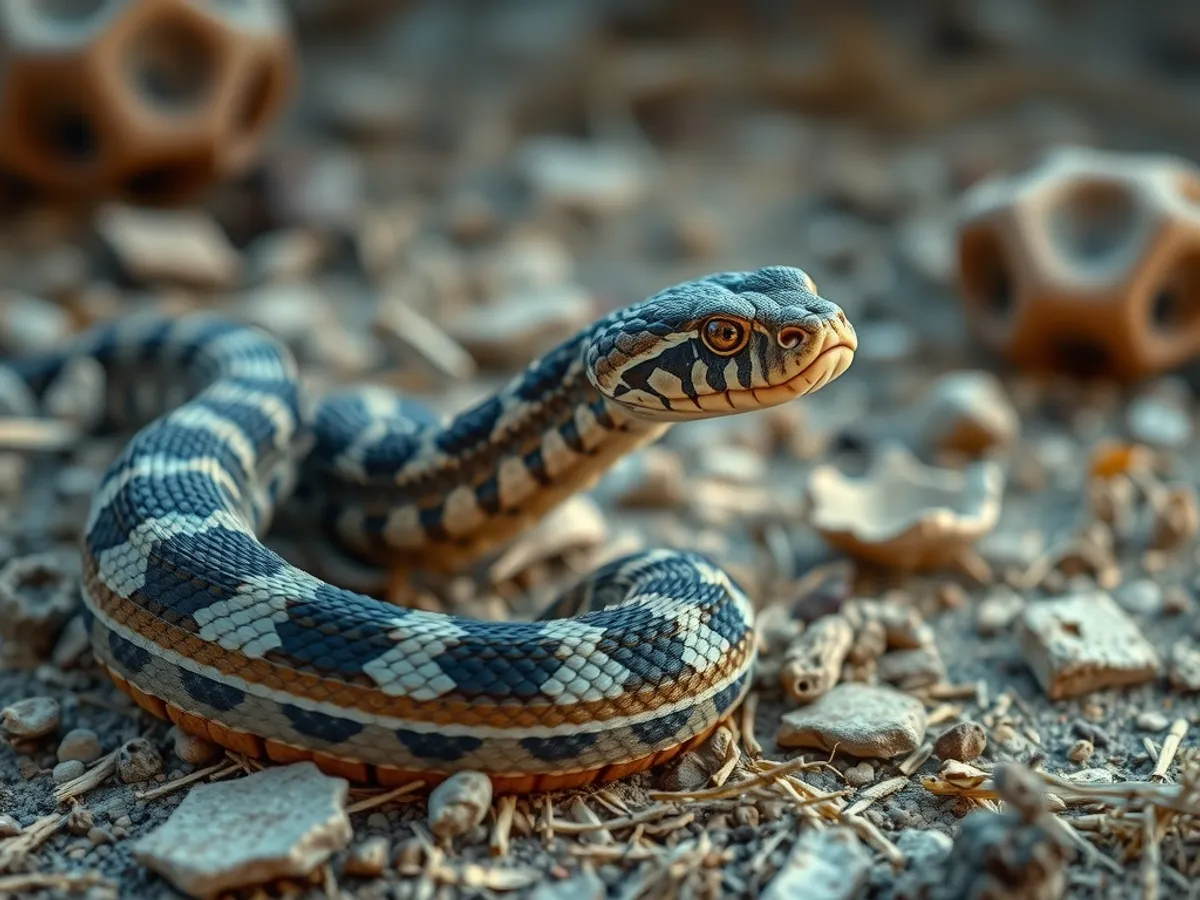
About the Sidewinder Rattlesnake
The Sidewinder Rattlesnake is a small, venomous pit viper native to the arid deserts of the southwestern United States and northwestern Mexico. Famous for its unique sideways locomotion, the sidewinder moves efficiently across loose sand, leaving distinctive J-shaped tracks. It is a nocturnal hunter, preying on small mammals, lizards, and birds, and relies on its cryptic coloration to blend with its sandy environment. Despite its venomous bite, the sidewinder is generally not aggressive and uses its rattle as a warning to potential threats.
Fascinating facts
Sidewinding Motion
The sidewinder rattlesnake moves in a sideways, looping motion that allows it to travel quickly and efficiently over loose sand while minimizing contact with the hot surface.
Desert Specialist
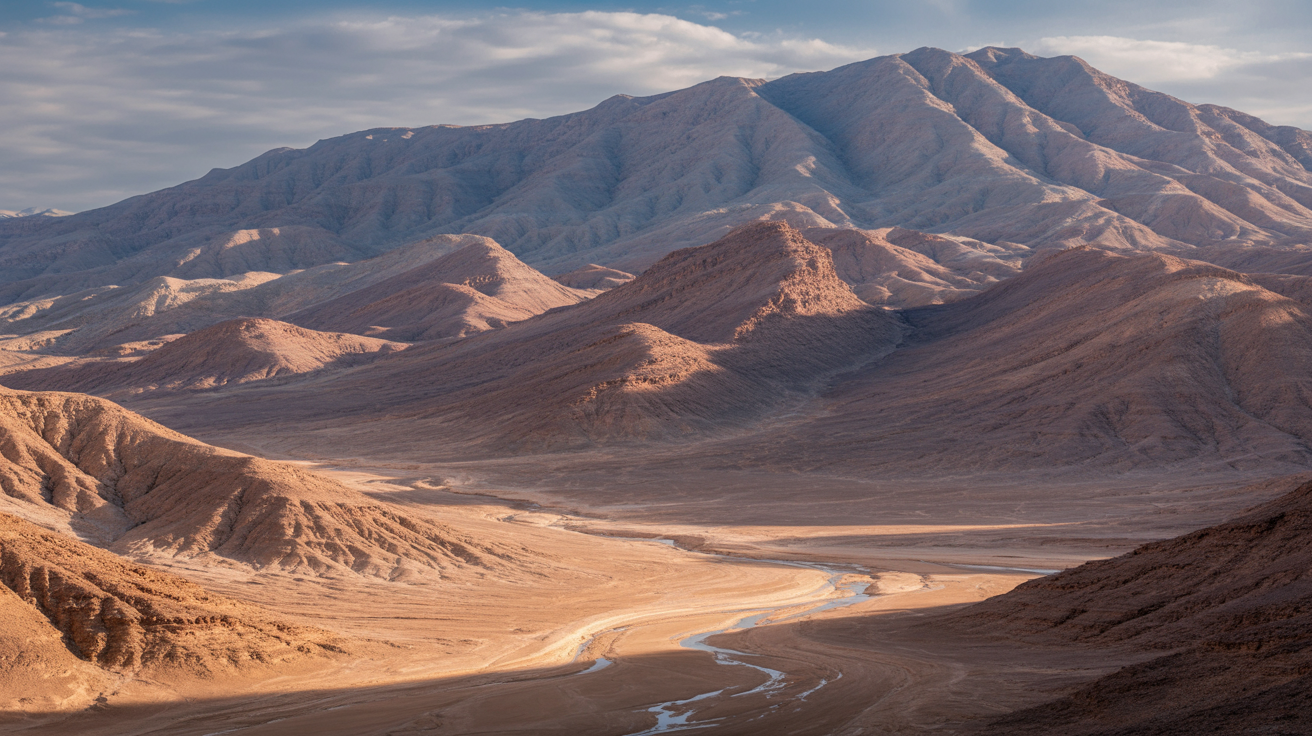
This species is specially adapted to dry, sandy habitats and is most commonly found in the Mojave, Sonoran, and Colorado deserts.
Warning Rattle
Like other rattlesnakes, the sidewinder uses its tail rattle to warn predators and large animals, reducing the chances of a dangerous encounter.
Detailed description
The Sidewinder Rattlesnake (Crotalus cerastes) is a small to medium-sized pit viper, typically measuring 45–80 cm (18–31 in) in length, with females generally smaller than males. Its most distinctive feature is the supraocular 'horns'—raised scales above each eye—which may help shade the eyes from harsh desert sunlight and protect them from sand. The body is stout, with a pale tan, gray, or pinkish coloration patterned with darker dorsal blotches, providing excellent camouflage against sandy substrates. The head is broad and triangular, housing heat-sensitive loreal pits between the eyes and nostrils, used to detect warm-blooded prey. The tail ends in a keratinous rattle, which is vibrated as a warning signal. Sidewinders are primarily nocturnal or crepuscular, avoiding daytime heat by sheltering in burrows or under vegetation. Their unique sidewinding locomotion enables rapid, energy-efficient movement across loose sand, minimizing contact with the hot surface. This species is solitary outside of the breeding season and exhibits ambush predation, lying in wait for prey to approach. Sidewinders are viviparous, giving birth to live young, and have a lifespan in the wild estimated at 10–15 years.
Did you know?
The sidewinder's unique movement reduces the amount of its body touching the hot sand, helping to keep it cool in extreme desert temperatures.
Research & sources
Behaviour & social structure
Sidewinders are most active during the cooler hours of dusk, night, and early morning, especially in the hottest months. During the day, they seek refuge in rodent burrows or beneath surface debris to avoid extreme temperatures. Their hunting strategy is primarily ambush-based; they coil partially buried in sand near animal trails, waiting motionless for prey such as kangaroo rats, lizards, and small birds. They strike rapidly with venomous fangs, subduing prey with a potent hemotoxic venom. Juvenile sidewinders often use caudal luring, wiggling their tails to mimic insects and attract lizard prey. Social interactions are minimal, though males may engage in ritualized combat during the breeding season. The rattle is used defensively to warn off potential predators, including humans and larger mammals. Sidewinders are generally non-aggressive and will attempt to flee or hide before resorting to biting.
Reproduction & life cycle
Breeding occurs in spring (March–May), with some populations also mating in late summer or early fall. Males locate receptive females by following pheromone trails and may compete for access through combat dances. Females are ovoviviparous, retaining eggs internally until live young are born, typically in late summer (July–September) after a gestation period of 2.5–3.5 months. Litters usually consist of 5–18 neonates, each about 15–20 cm (6–8 in) long at birth. Newborns are independent from birth, receiving no parental care, and disperse quickly to avoid predation. Females may breed annually or biennially, depending on food availability and environmental conditions.
Adaptations & survival
The sidewinder's most remarkable adaptation is its sidewinding locomotion, which allows it to move efficiently over loose, shifting sand while minimizing contact with the hot surface, thus reducing heat gain and risk of burns. The supraocular horns may protect the eyes from sand and sun. Cryptic coloration and patterning provide camouflage against predators and prey. Heat-sensing pits enable detection of endothermic prey even in complete darkness. The rattle serves as an aposematic signal, warning larger animals of its venomous capabilities. Physiologically, sidewinders can tolerate significant dehydration and have efficient kidneys to conserve water. Their venom is specialized for rapid immobilization of small, fast-moving prey.
Cultural significance
While not as prominent in folklore as some other rattlesnakes, sidewinders have been noted in Native American traditions, often symbolizing agility, stealth, and survival in harsh environments. Their unique movement has inspired technological research in robotics and biomimicry. In some regions, they are featured in educational programs to promote awareness of desert ecology and snake safety. There is little evidence of traditional medicinal or ritual use, but their striking appearance and behavior have made them a subject of fascination and study.
Recent research
Recent research has focused on the biomechanics of sidewinding locomotion, revealing that the movement is highly efficient and has inspired the design of snake-like robots for search-and-rescue missions. Studies on venom composition have identified unique proteins with potential biomedical applications. Ongoing ecological research is examining the impacts of climate change and habitat fragmentation on sidewinder populations. Genetic studies have clarified the relationships among the three recognized subspecies (C. c. cerastes, C. c. laterorepens, and C. c. cercobombus), supporting their adaptation to different desert regions.
Sources
Crotalus cerastes (Sidewinder): Natural History and Ecology
Campbell, J.A. & Lamar, W.W. (2004)
scientificSidewinding with minimal slip: Snake and robot ascent of sandy slopes
Marvi, H. et al. (2014)
scientificVideos
Habitat
Desert
Conservation
The Sidewinder Rattlesnake is currently classified as Least Concern on the IUCN Red List.
Threats & challenges
Currently classified as Least Concern by the IUCN, the sidewinder faces localized threats from habitat loss due to urban development, off-road vehicle activity, and agricultural expansion. Road mortality and illegal collection for the pet trade also pose risks. Climate change may alter desert habitats, potentially affecting prey availability and suitable shelter sites. Despite these challenges, populations remain stable across much of their range, partly due to their adaptability and the relative inaccessibility of their desert habitats.
Taxonomy
Scientific name
Crotalus cerastes
- Kingdom
- Animalia
- Phylum
- Chordata
- Class
- Reptilia
- Order
- Squamata
- Family
- Viperidae
- Genus
- Crotalus
- Species
- cerastes
Community notes
Share your observations about the Sidewinder Rattlesnake.
No community notes yet. Be the first!
Discover more wildlife
More fascinating animals from the encyclopedia.