
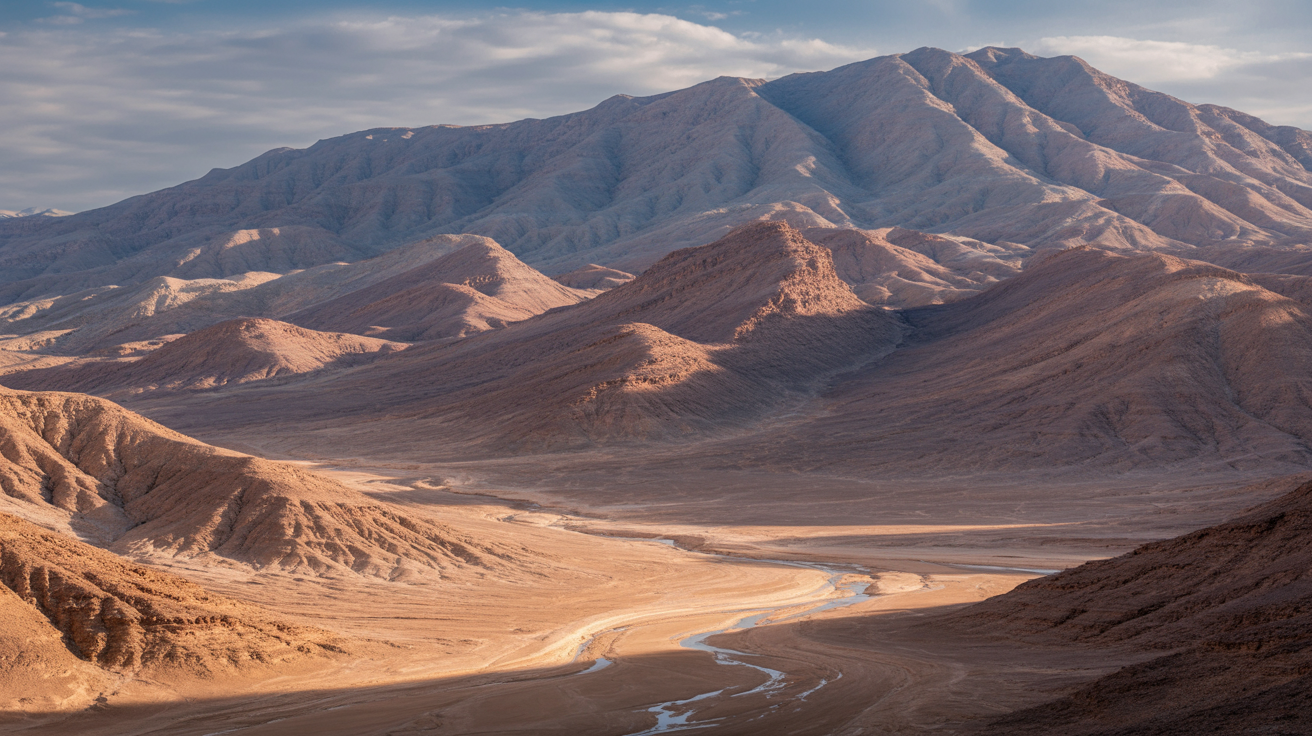
Desert
Arid lands with minimal rainfall, extreme temperatures, and specialized wildlife adapted to harsh conditions.
Animals of the Desert
Species recorded in this habitat.
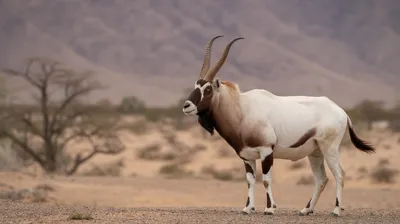
Addax
Addax nasomaculatus
The addax is a desert antelope so committed to aridity that a wild individual may never drink standing water in its life, extracting all it needs from desert grasses, acacia and the dew that condenses on plants before dawn. Its kidneys concentrate urine to a syrup and it feeds mainly at night, when the sparse Sahelian vegetation has reabsorbed the most moisture. The coat performs a seasonal trick: greyish-brown for winter warmth, then bleaching to near-white in summer to reflect the sun. Broad, splayed hooves with flattened soles spread its weight across soft dunes where a hard-hoofed antelope would sink. That same dune-adapted build makes the addax a poor sprinter over firm ground, and this is precisely what destroyed it — once hunters had four-wheel-drive vehicles, an animal that could outlast a lion could not outrun a truck. Both sexes carry spiralling horns of two to three twists, up to about 80 cm long. Today it is one of the most endangered large mammals on Earth, with a wild population in the Termit and Tin Toumma region of Niger that has at times been counted in the dozens.
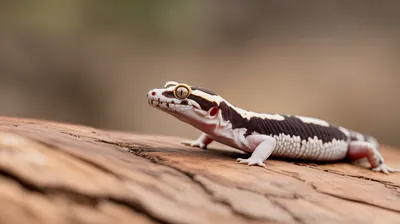
African Fat-tailed Gecko
Hemitheconyx caudicinctus
The African Fat-tailed Gecko is a medium-sized, nocturnal lizard native to West Africa. Recognized for its distinctive broad tail, which stores fat as an energy reserve, this gecko displays earthy color patterns with bold stripes or bands. It prefers arid to semi-arid environments, often sheltering under rocks or in burrows to avoid the harshest heat. Calm and docile, the African Fat-tailed Gecko is a popular choice for reptile enthusiasts due to its manageable size and hardy nature.
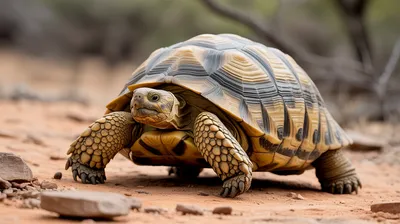
African Pancake Tortoise
Malacochersus tornieri
The pancake tortoise abandoned the one thing tortoises are famous for: armour. Its shell is flat, thin and riddled with large fenestrations — genuine holes in the underlying bone — so the whole carapace flexes like a stiff leather pad. Squeezed into a crack in a granite kopje, the tortoise inflates its lungs and braces outward with its legs, wedging itself so firmly that a predator cannot extract it; the flexible shell lets it exploit crevices far too narrow for a domed tortoise. It does not withdraw and sit tight, because it cannot — instead it is the fastest tortoise known, and will simply run for the nearest rock and disappear. The low mass that comes with a hollow shell also means that, unlike a heavy domed species, a flipped pancake tortoise can right itself with a flick of the neck and leg. It lives on rocky outcrops in Kenya and Tanzania, lays a single egg at a time several times a year, and was moved to CITES Appendix I in 2019 after collectors stripped whole kopjes for the pet trade.
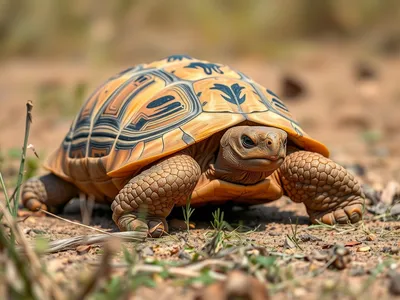
African Spurred Tortoise
Centrochelys sulcata
The sulcata is the largest mainland tortoise on Earth — outweighed only by the island giants of Aldabra and Galapagos — and it can pass 100 kg. It survives the Sahel by engineering its own climate: it excavates burrows that can run 3 m deep and over 10 m long, where humidity stays high and temperature stable, and it aestivates through the worst of the dry season inside. Those burrows are a keystone resource, sheltering rodents, snakes, lizards and invertebrates that would otherwise cook. The tortoise stores water in an enlarged bladder and reabsorbs it as needed, which is why it can go months without drinking, feeding on dry grasses that most herbivores cannot digest. The "spurs" of its name are the conical, horny scales on the back of each thigh. Its size is also its tragedy in captivity: sold as a hatchling the size of a golf ball, it grows into a burrowing, fence-flattening animal that outlives its owner, and reptile rescues across the United States are permanently overwhelmed with abandoned adults.
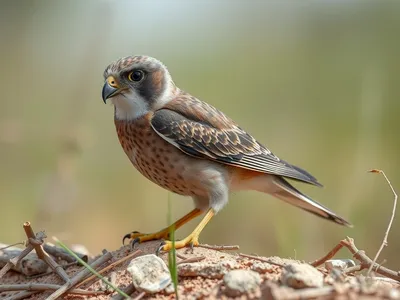
American Kestrel
Falco sparverius
The American kestrel is North America's smallest falcon, roughly the mass of a mourning dove, and it is also one of the very few raptors where you can sex a bird instantly by colour: males have slate-blue wings and a rufous back, females are rufous all over and barred. Most birds of prey give no such visual cue, and kestrels show the difference from the nestling stage. On the back of its head are two black false eyespots, widely interpreted as a deterrent to attacks from behind by larger raptors — a small predator's bluff. It hunts by hovering into the wind with the head locked absolutely still, then dropping onto grasshoppers, voles and lizards, and it caches surplus prey in fence posts, grass clumps and cavities to eat later. It cannot excavate a nest hole itself and depends on woodpecker cavities and natural hollows, which is why it takes readily to nest boxes. Despite all this adaptability, the species has lost something like half its North American population since 1970, and the cause is still not settled.
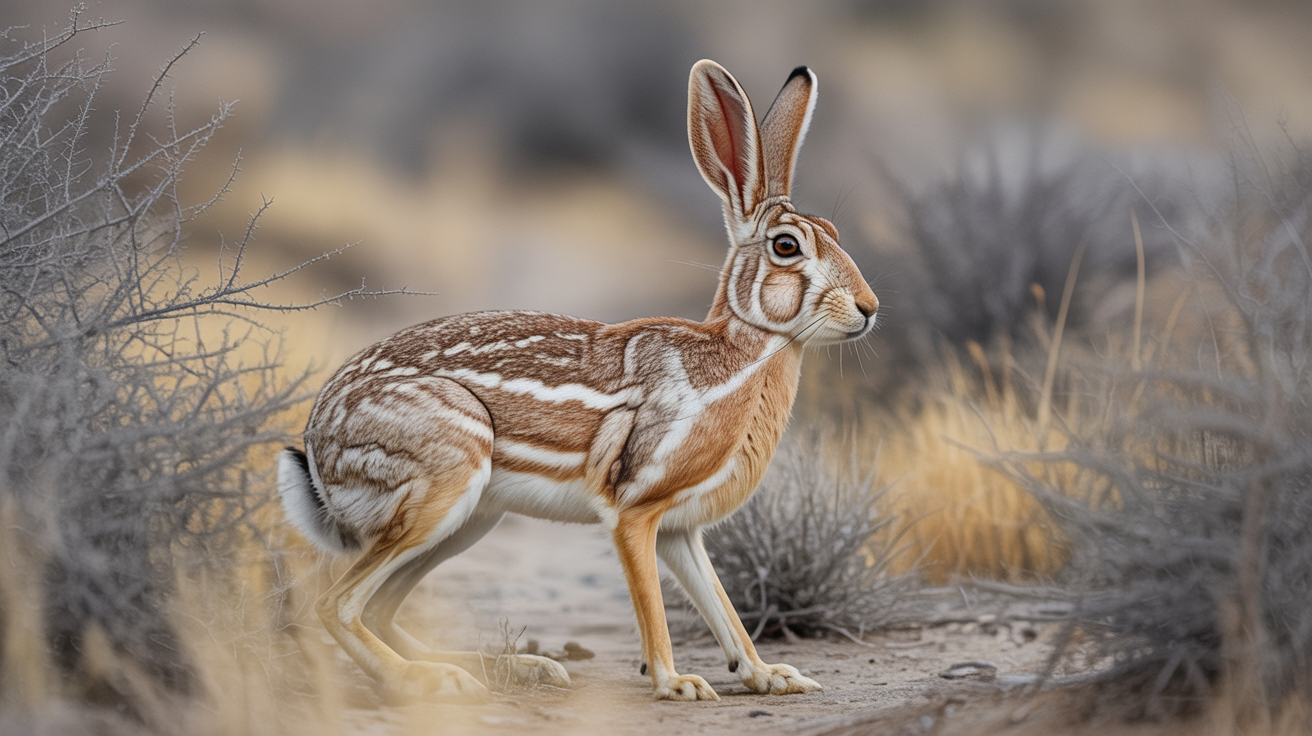
Antelope Jackrabbit
Lepus alleni
The antelope jackrabbit is a hare, not a rabbit, and the distinction is not pedantry: its young are born fully furred with their eyes open, able to run within hours, and there is no burrow anywhere in the story. It lives in the Sonoran Desert, where the problem is not finding food but shedding heat, and it solves that with the largest ears of any North American hare — up to 20 cm, thin, and richly vascularised. By dilating those vessels and holding the ears up into the shade or a breeze, it radiates heat straight into the air, which is a large part of why it can survive a desert summer without ever drinking; the rest of its water comes from cactus, mesquite and grasses. Its name comes from an evasion tactic: as it runs, it flashes a white patch on the flank facing the predator, and can shift the white from one side to the other as it changes direction, in the way a pronghorn flashes its rump. It bounds at over 45 km/h with long, high leaps that let it look back over the brush.
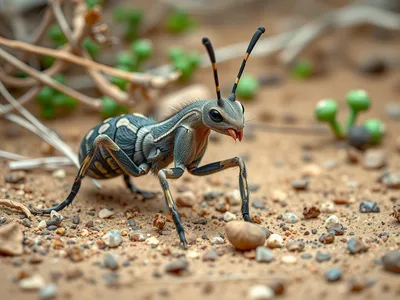
Antlion
Myrmeleon formicarius
The famous conical sand pit is only half the story: most antlion species never build one at all, and simply lurk in litter or sand as ambushers. In the pit-building genera, the larva digs by spiralling backwards, flicking sand out with its head, and forms a cone at precisely the angle of repose — the steepest slope loose sand can hold — so any insect stepping in triggers a small avalanche. The larva, buried at the bottom, then flicks jets of sand upward to knock the prey down. Its jaws are hollow grooves rather than chewing tools: they inject paralysing venom and digestive enzymes, and the antlion drinks the liquefied insect out. Most remarkably, the larva has no functional anus. Waste accumulates in the gut for the whole of larval life, sometimes for years, and is finally voided as a single meconium pellet at the end of metamorphosis. Adults look like frail damselflies but can be told apart at once by their short, clubbed antennae.
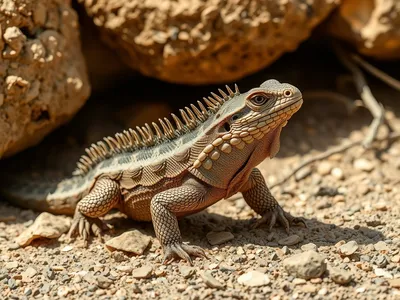
Armadillo girdled lizard
Ouroborus cataphractus
The armadillo girdled lizard defends itself exactly the way its namesake does. Threatened, it takes its own tail in its mouth and curls into a tight ring, turning the soft belly inward and presenting nothing but a wall of heavy, spined scales — an armoured doughnut that a predator can get no purchase on and cannot easily swallow. It lives in the rocky, arid scrub of western South Africa, sheltering in cracks in sandstone outcrops, and unusually for a lizard it is social: groups of up to several dozen share the same crevices. That sociality is precisely why it has become such a target for the illegal pet trade, since an entire colony can be taken at once by cracking open a single rock. It is unusual in another way too — it gives birth to live young, one or two at a time, rather than laying eggs, and females have been recorded feeding their offspring, which is close to unheard of among lizards. It reproduces very slowly and is now protected.
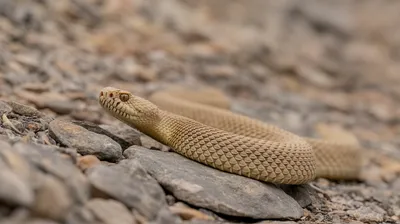
Aruba Island Rattlesnake
Crotalus unicolor
The Aruba Island Rattlesnake is a highly endangered pit viper species endemic to the island of Aruba in the southern Caribbean. It has a light brown or grayish coloration with faint, diamond-shaped patterns that help it blend into the arid, rocky hillsides where it lives. Adapted to a desert-like environment, this snake is primarily nocturnal, emerging at dusk to hunt small mammals, birds, and lizards. With a calm disposition compared to other rattlesnakes, it is rarely encountered by humans and plays a vital role in its ecosystem as both predator and prey.
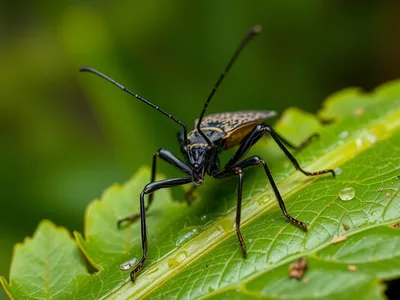
Assassin Bug
Reduviidae
Assassin bugs are a diverse group of predatory insects known for their elongated bodies, narrow heads, and distinctive curved mouthparts used for piercing and injecting venom into prey. These bugs inhabit various environments across the world, from forests and grasslands to gardens and even inside homes. Their predatory nature helps control populations of other insects, making them important contributors to natural pest regulation. While most species are harmless to humans, some, like the kissing bug, can transmit diseases such as Chagas disease.
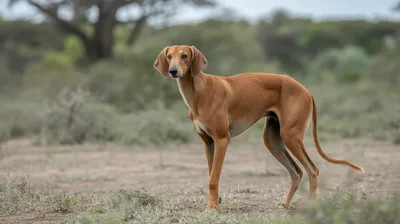
Azawakh
Canis lupus familiaris
The Azawakh is an elegant and slender sighthound breed originating from the Sahel region of West Africa, notably among the Tuareg, Fula, and other nomadic tribes. Bred primarily for hunting and guarding, Azawakhs are known for their remarkable speed, endurance, and keen eyesight. They possess a short, fine coat and a lean, muscular build, enabling them to thrive in the extreme heat and arid conditions of the Sahara and sub-Saharan savannas. Despite their somewhat reserved nature with strangers, Azawakhs are deeply affectionate and loyal to their human families.
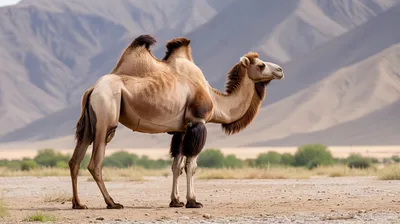
Bactrian Camel
Camelus bactrianus
The two humps of a Bactrian camel are fat, not water — a strategic decision to store the body's insulation in two lumps on the back rather than spread beneath the skin, so that the rest of the body can radiate heat freely. A well-fed camel's humps stand firm; a starved one's flop over. The camel's water tricks are elsewhere. It can lose up to about 30 percent of its body water, a level that would kill most mammals through blood thickening, because its red blood cells are oval rather than round and unusually elastic — they resist rupturing when the animal rehydrates and can swell enormously. That is what lets a camel drink over 100 litres in a few minutes without its cells bursting. Nostrils close against blowing sand, double rows of eyelashes screen the eyes, and the woolly winter coat sheds in great hanging sheets in spring. The domestic Bactrian is common, but the wild Bactrian camel is now recognised as a separate species with only around a thousand individuals left in the Gobi.
Other habitats
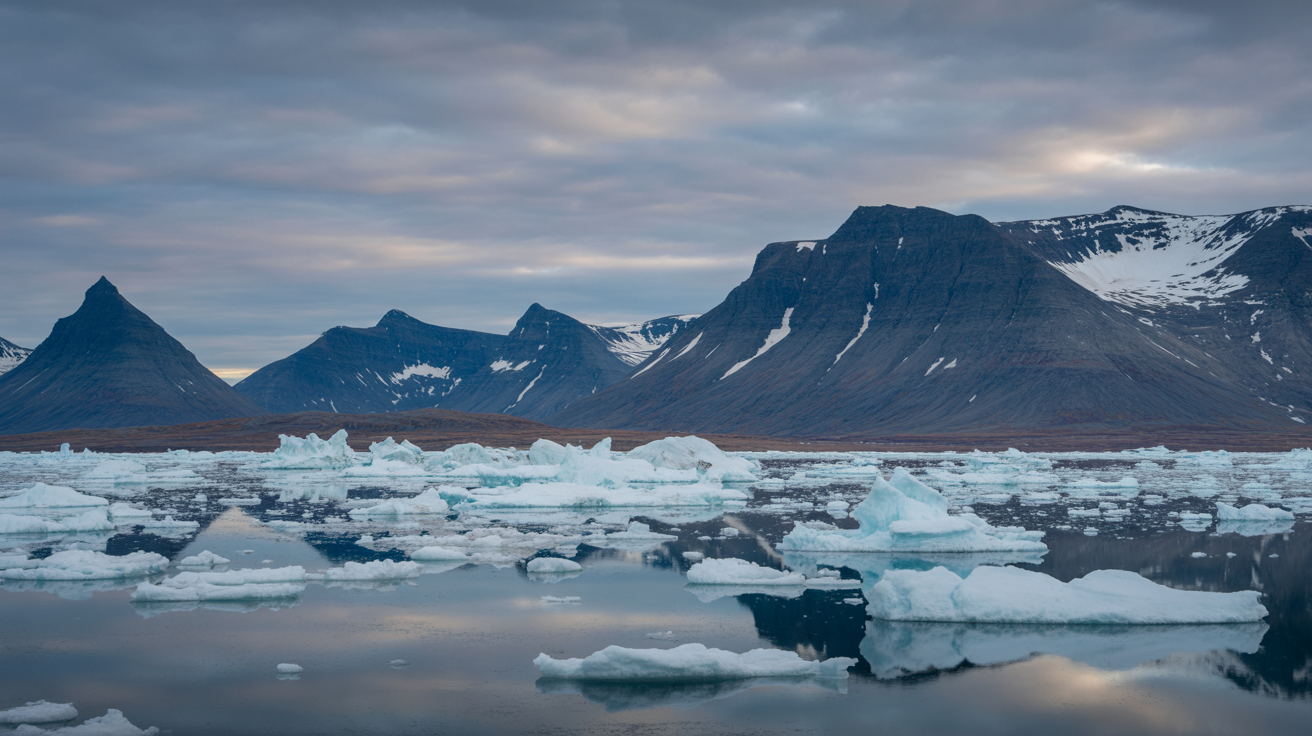 Polar Regions
Arctic
Cold, frozen landscapes around the North Pole with specialized wildlife adapted to extreme cold.
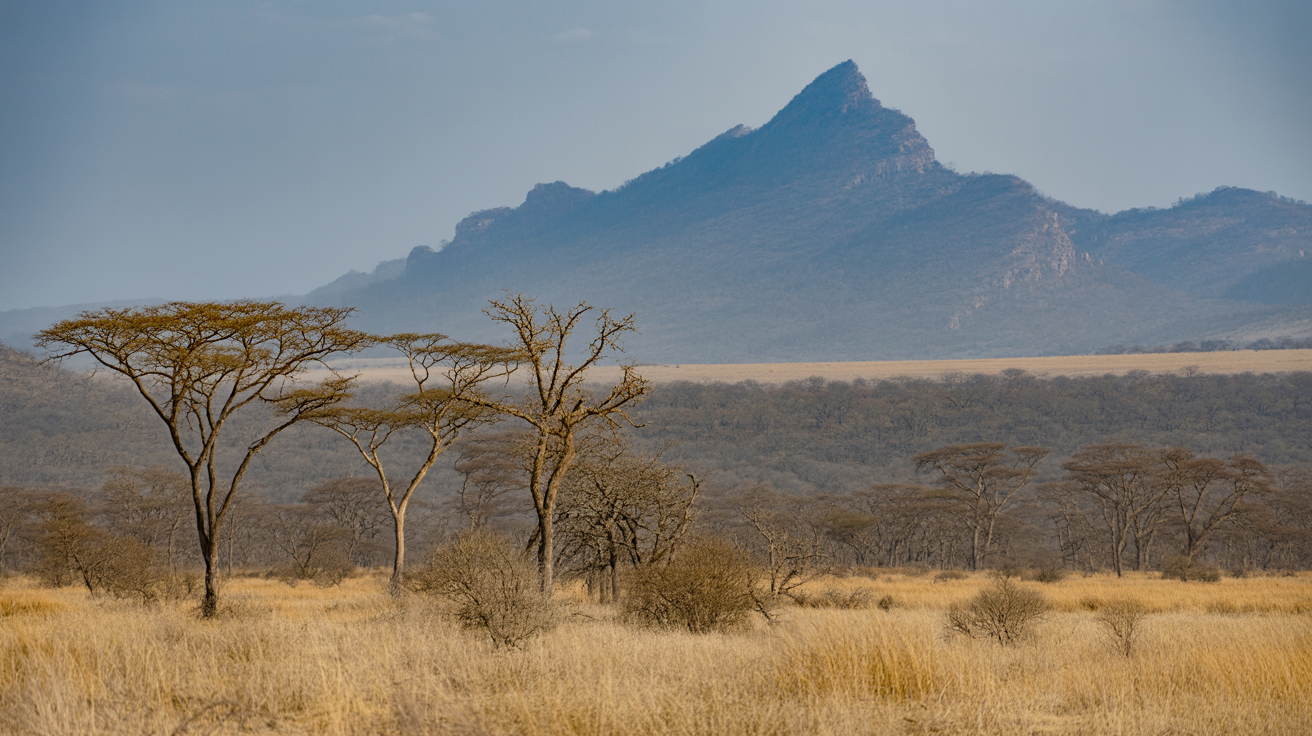 Africa
Savanna
Grasslands with scattered trees, characterized by seasonal rainfall and home to diverse grazing animals and predators.
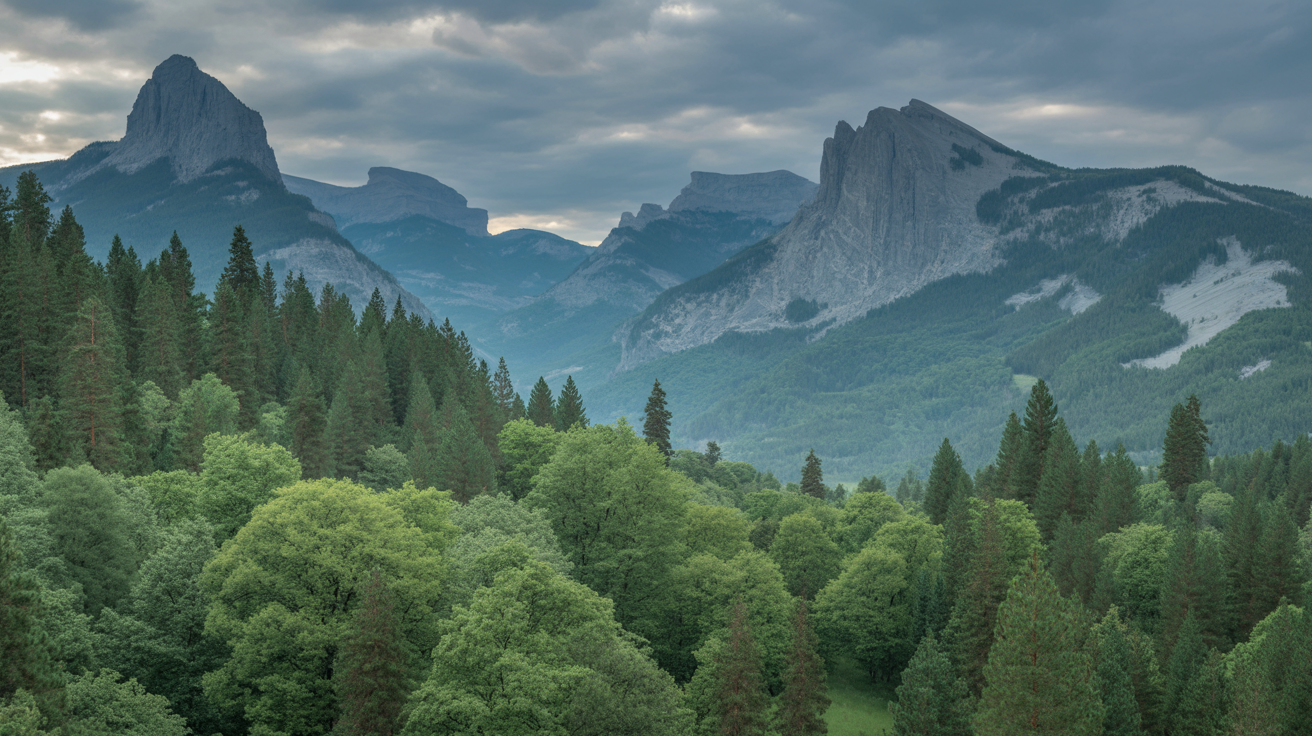 Global
Forest
Wooded areas with significant tree cover and diverse plant and animal communities.
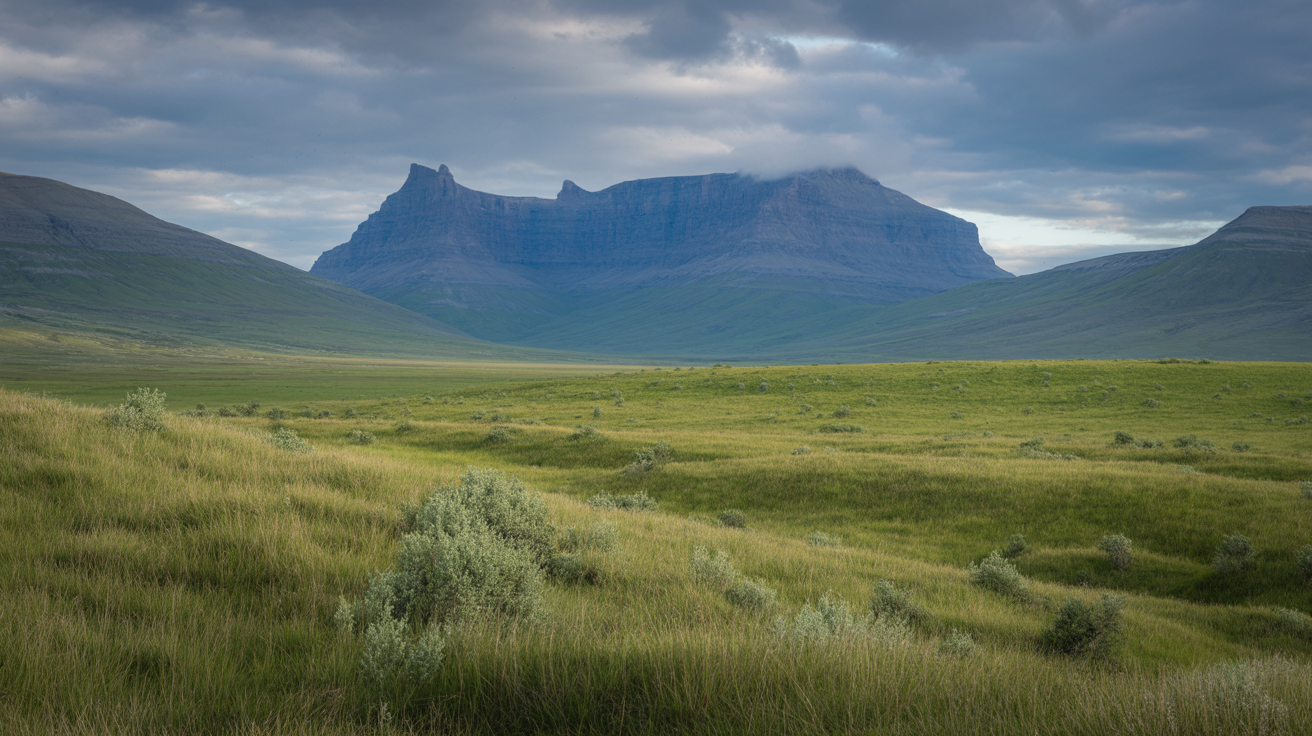 Various Continental Regions
Grassland
Open areas dominated by grasses rather than trees, supporting numerous herbivores and their predators.
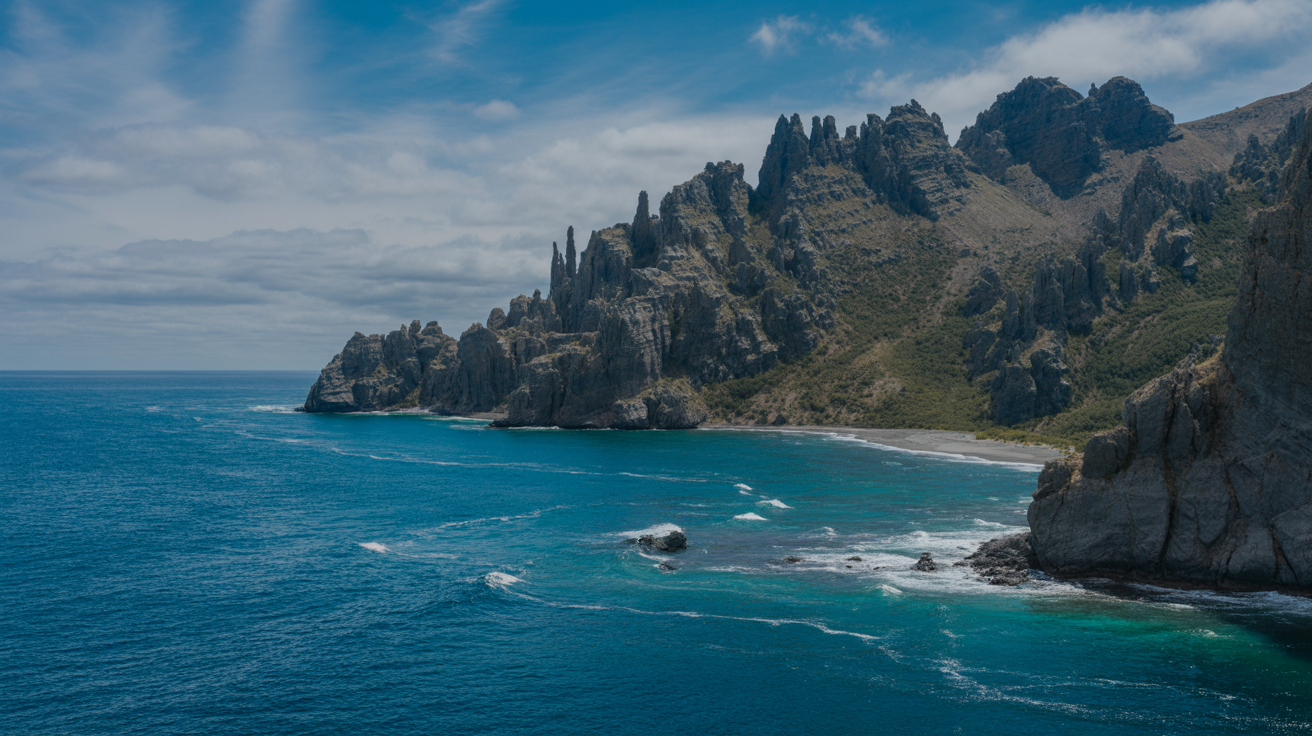 Global Waters
Ocean
Saltwater environments covering more than 70% of the Earth's surface, home to a vast variety of marine life.
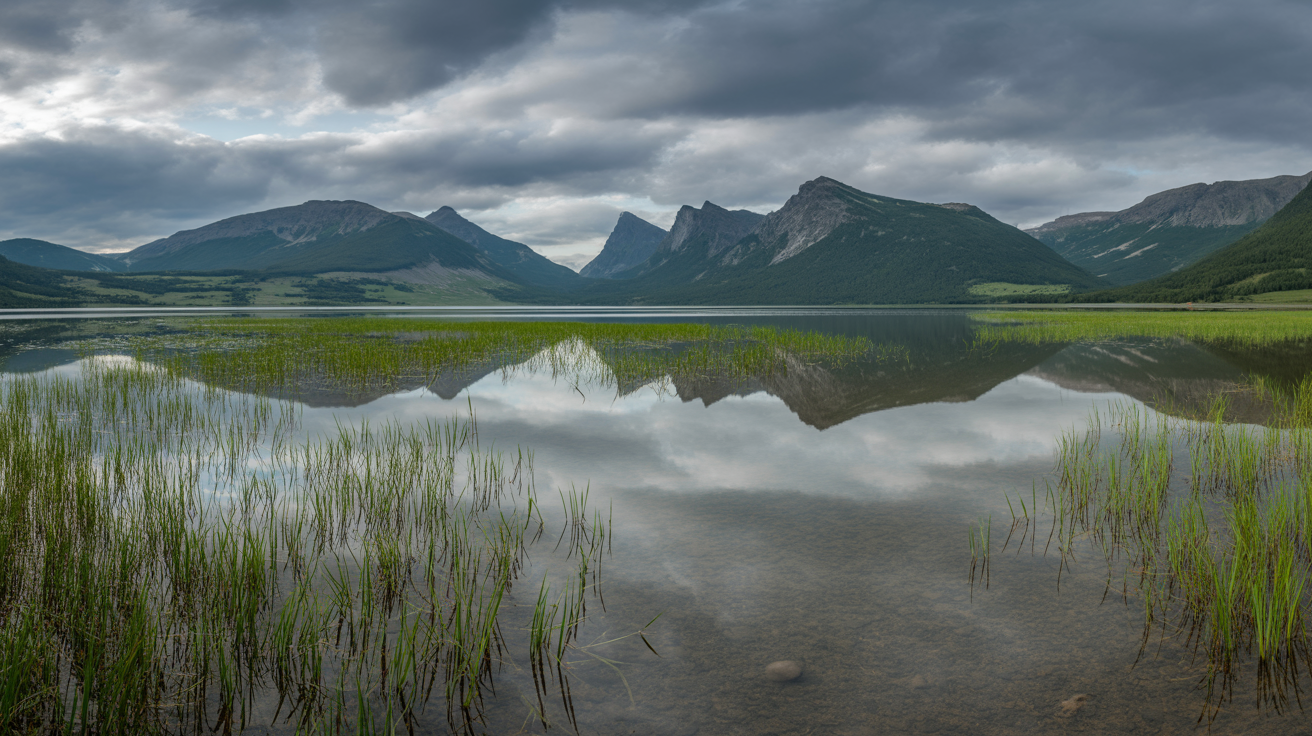 Global
Freshwater
Lakes, rivers, and wetlands with diverse aquatic ecosystems.