
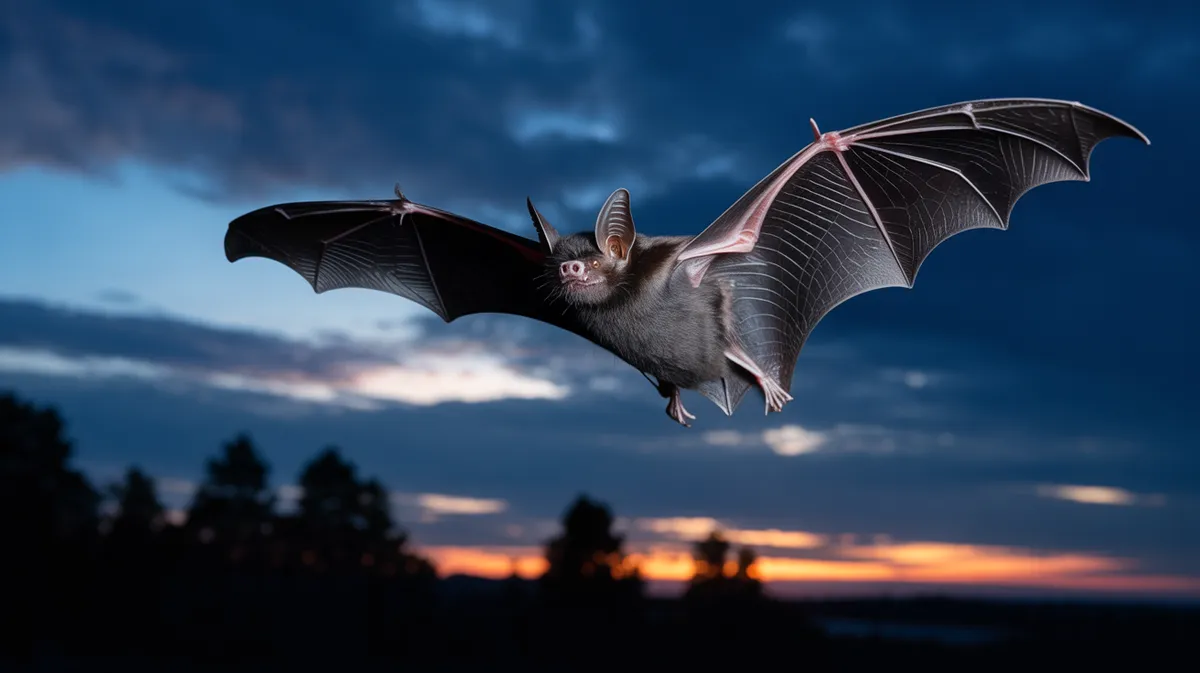
Bats might be the most unfairly maligned animals alive. They've been branded as blind, blood-sucking, disease-ridden flying rodents that get tangled in your hair — and almost every word of that is wrong. This entry in our Animal Myths, Debunked series sets the record straight on the planet's only flying mammals.
Far from being pests, bats are pollinators, pest-controllers, and seed-spreaders worth billions to agriculture. Here are seven myths to retire for good. See also what we got wrong about wolves and spiders.
Myth 1: Bats are blind
"Blind as a bat" is one of the most repeated — and most wrong — animal sayings.
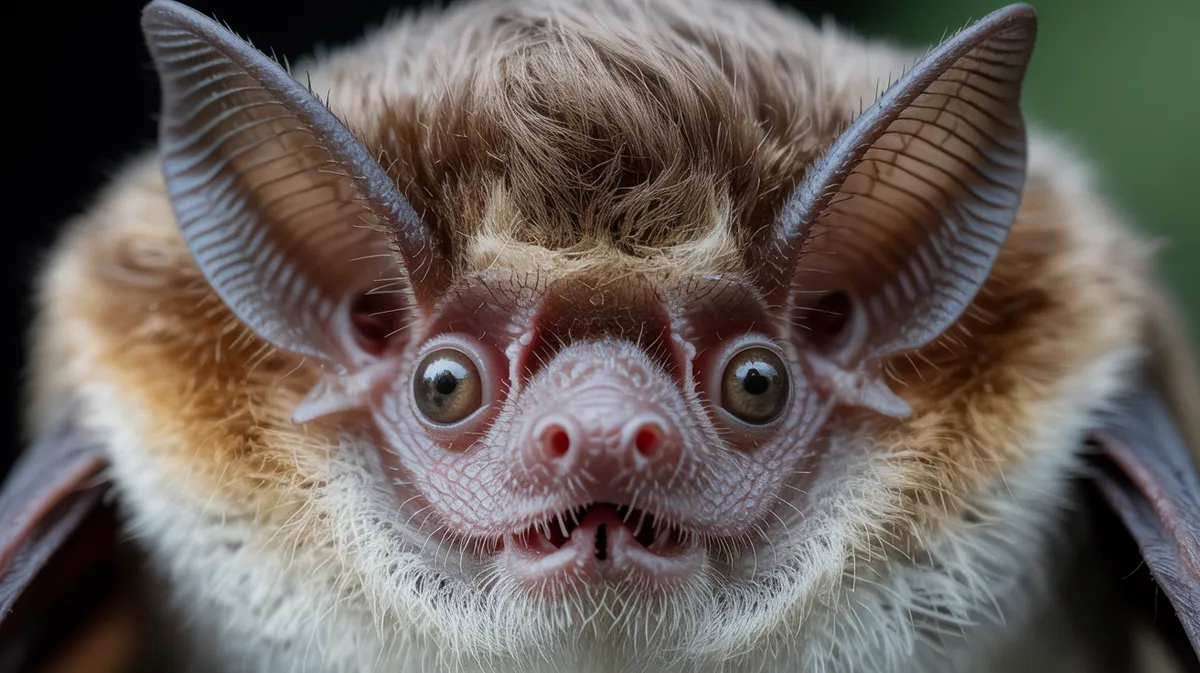
Every bat species can see, and many see very well, including in low light. Echolocation is a brilliant add-on for hunting insects in total darkness, not a replacement for eyes.
Some fruit bats do not echolocate at all and navigate entirely by sight using large, sharp eyes. Researchers have even found that certain bats can see ultraviolet light — something humans cannot do.
Myth 2: Bats will get tangled in your hair
Generations have been told to cover their heads around bats. It's nonsense.
Bats are extraordinarily precise fliers that can snatch a mosquito out of the air using echolocation. The last thing they want is to fly into a human — they're swerving around you, not at you.
The myth likely began because insect-hunting bats sometimes swoop close to people to grab the mosquitoes our warm bodies attract. They are chasing dinner near your head, not aiming for it.
Myth 3: All bats drink blood
Thanks to vampire legends, many people picture every bat as a blood-sucker.
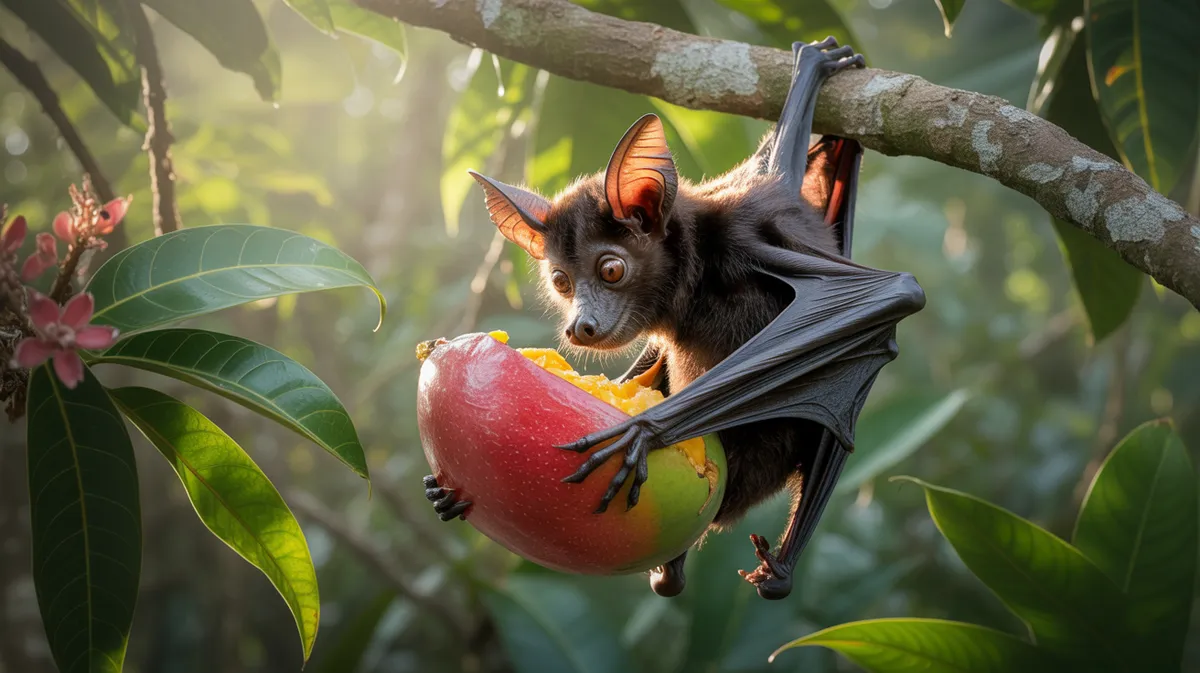
Of more than 1,400 bat species, just three feed on blood — and they live in Latin America, mostly lapping (not sucking) small amounts from livestock. The overwhelming majority eat insects, fruit, or nectar.
Even vampire bats turn out to be gentle and deeply social — they will share regurgitated meals with hungry roost-mates that failed to feed, one of the clearest cases of food-sharing reciprocity known in mammals.
Myth 4: Bats are flying rodents
With their small size and furry bodies, bats are often dismissed as "flying mice."
They aren't rodents at all. Bats form their own order, Chiroptera, and are more closely related to primates than to mice. Unlike rodents, they breed slowly — usually one pup a year.
Bats can also live astonishingly long for their size, with some small species surviving 30 years or more — far outlasting any mouse. That slow pace of life is exactly why bat populations are so vulnerable to disturbance.
Myth 5: All bats carry rabies and will infect you
The fear that every bat is a rabies bomb keeps people terrified of them.
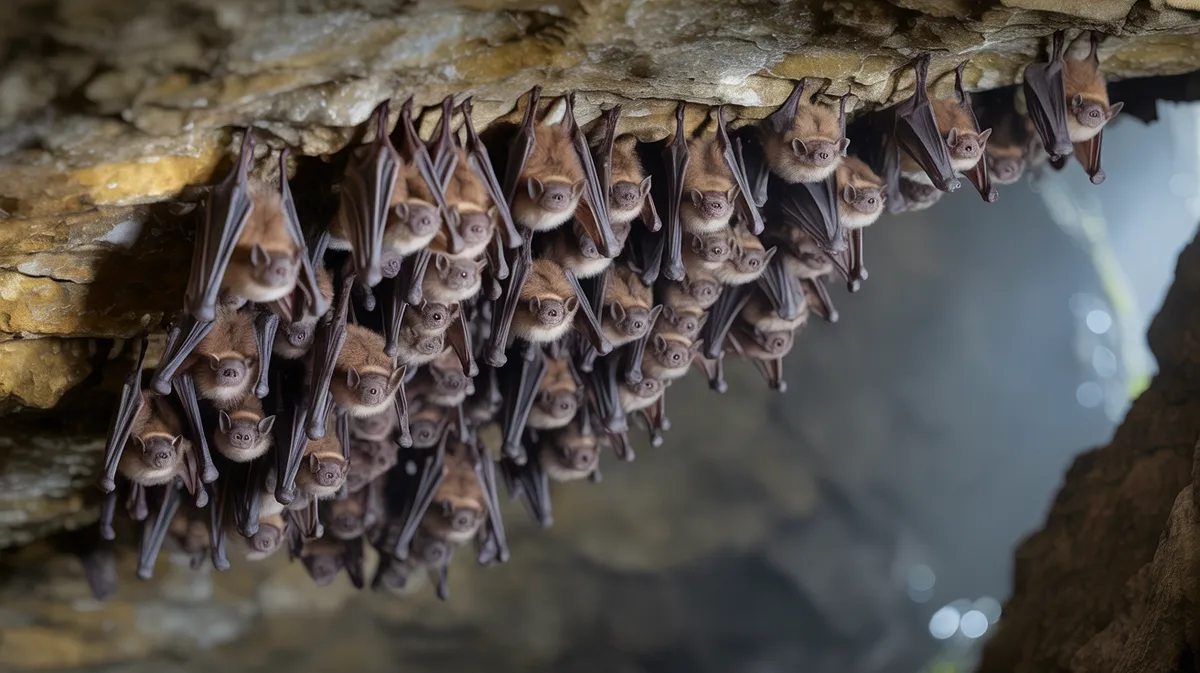
In reality only a small percentage carry rabies, and they won't seek you out. The sensible rule is simply never to handle a wild bat with bare hands — the same caution you'd use with any wild animal.
Healthy bats actively avoid people, so a bat found on the ground or flying by day may be sick and should never be touched. Reporting it to wildlife authorities is far safer for you and kinder to the bat.
Myth 6: Bats are useless pests
Because they're nocturnal and rarely seen, bats are easy to dismiss as good for nothing.
The opposite is true. Insect-eating bats devour billions of crop pests every night, saving farmers enormous sums, while fruit and nectar bats pollinate and disperse the seeds of countless plants — including wild bananas, agave, and many rainforest trees.
A single little brown bat can eat its own body weight in insects in one night, and one famous Texas cave colony is estimated to consume around 100 tonnes of insects nightly. Tequila itself depends on bats, the main pollinators of the agave plant.
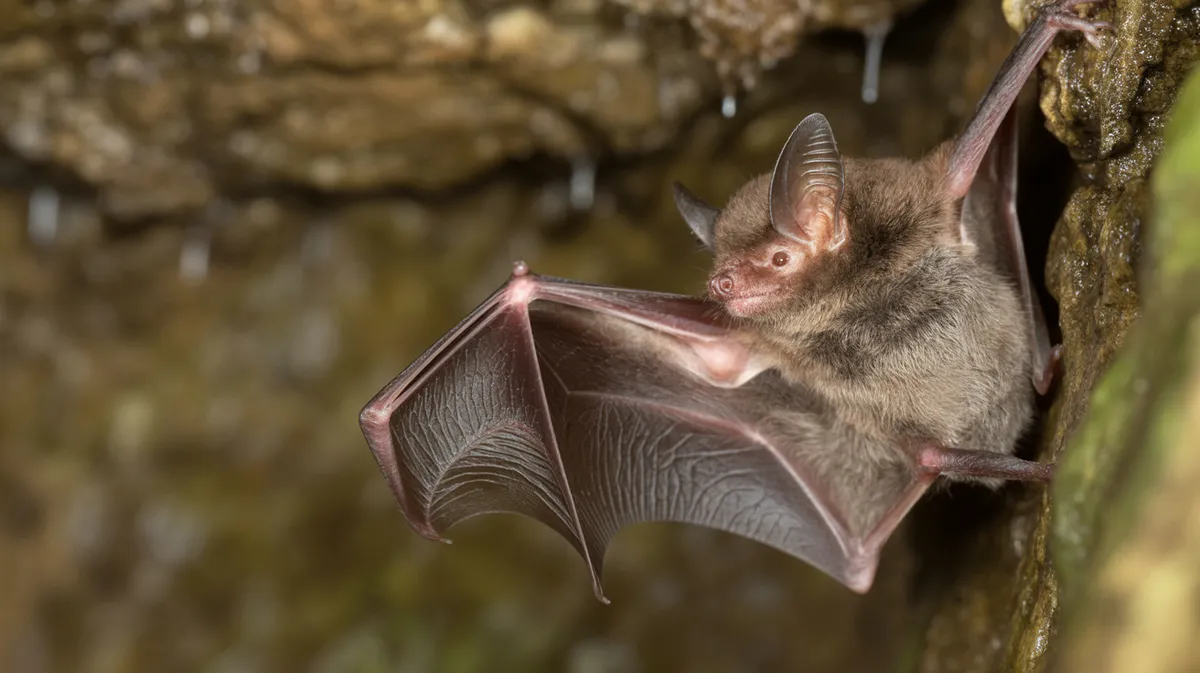
Myth 7: Bats are dirty
The association with dark caves makes people assume bats are filthy.
In fact bats are fastidious groomers, spending a good part of their waking hours cleaning their fur and wings — behaviour much like a cat's careful grooming.
Their roosts can look and smell messy, but the bats themselves keep impeccably clean wings and fur — essential for healthy flight. A grounded, scruffy-looking bat is usually a sick one, not a typical one.
Three more myths, quickly
"Bats are a kind of bird" — They are mammals — furry, warm-blooded, giving birth to live young and feeding them milk. They are simply the only mammals capable of true flight.
"Bats cannot walk" — Most are awkward on the ground, but vampire bats are agile runners, and can even leap into the air from a standing start.
"One bat in the house means an infestation" — Usually it is a single lost animal that blundered in. The humane fix is to open a window at dusk and let it leave on its own.
Why bats get such a bad reputation
Bats suffer from a perfect storm of bad PR: they're nocturnal, they roost in spooky places, and they star in vampire stories. Look past the folklore and you find gentle, clever, ecologically vital animals we'd be far worse off without.
Frequently asked questions
Are bats actually blind? No. All bats can see, and many have excellent vision; echolocation simply helps them hunt in the dark.
Do most bats drink blood? No — only three of 1,400+ species do, and they live in Latin America.
Are bats rodents? No. They belong to their own order, Chiroptera, and are more closely related to primates than to rodents.
How long do bats live? Surprisingly long. Some small species reach 30 years or more, far outliving rodents of a similar size.
Do bats hibernate? Many temperate species do, roosting through winter. Disturbing them burns the fat reserves they need to survive until spring.
Are bats good for the garden? Very. A single bat can eat hundreds of insects an hour, including mosquitoes and crop pests.
Should I put up a bat box? It is one of the simplest ways to help, especially where old trees and roof spaces have been lost.
Continue the series with 7 myths about spiders, debunked, or revisit 7 myths about wolves.