
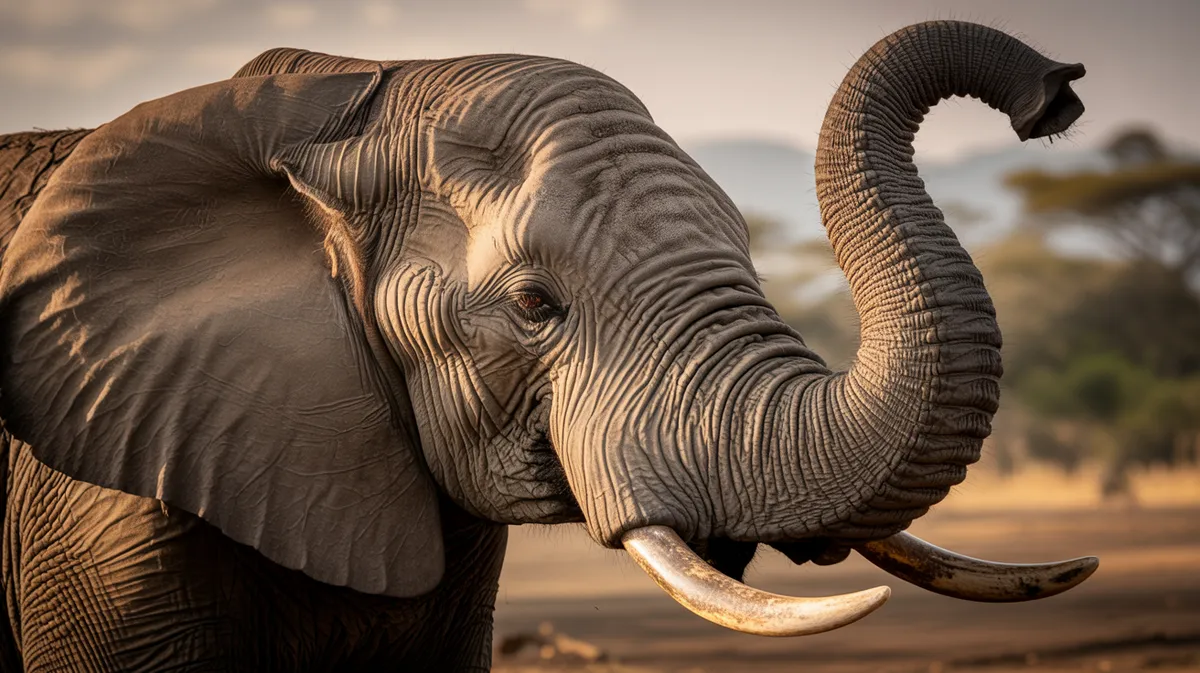
Elephants are some of the most beloved animals on Earth, and also some of the most mythologized. They're said to be terrified of mice, to never forget, and to march off to secret graveyards to die. The reality is more grounded but no less amazing. This entry in our Animal Myths, Debunked series separates the folklore from the facts about the largest land animals alive.
From their astonishing trunks to their genuine grief, real elephants are remarkable enough without the tall tales. Here are seven myths to retire — and when you're done, see what we got wrong about kangaroos and skunks.
Myth 1: Elephants are afraid of mice
The cartoon image of an elephant panicking at a tiny mouse is centuries old.
Tests don't support it. Elephants can be startled by sudden movement near their feet — a scurrying mouse, a rabbit, or a blowing leaf alike — but there's no special terror of mice.
With poor close-up eyesight, an elephant simply reacts to anything that darts unexpectedly underfoot, not to the mouse itself.
Some researchers think the panic in old stories came from elephants reacting to the squeak or sudden scurry, not the mouse itself — any small surprise underfoot will do.
Myth 2: Elephants never forget
"An elephant never forgets" is one of the most repeated animal sayings.
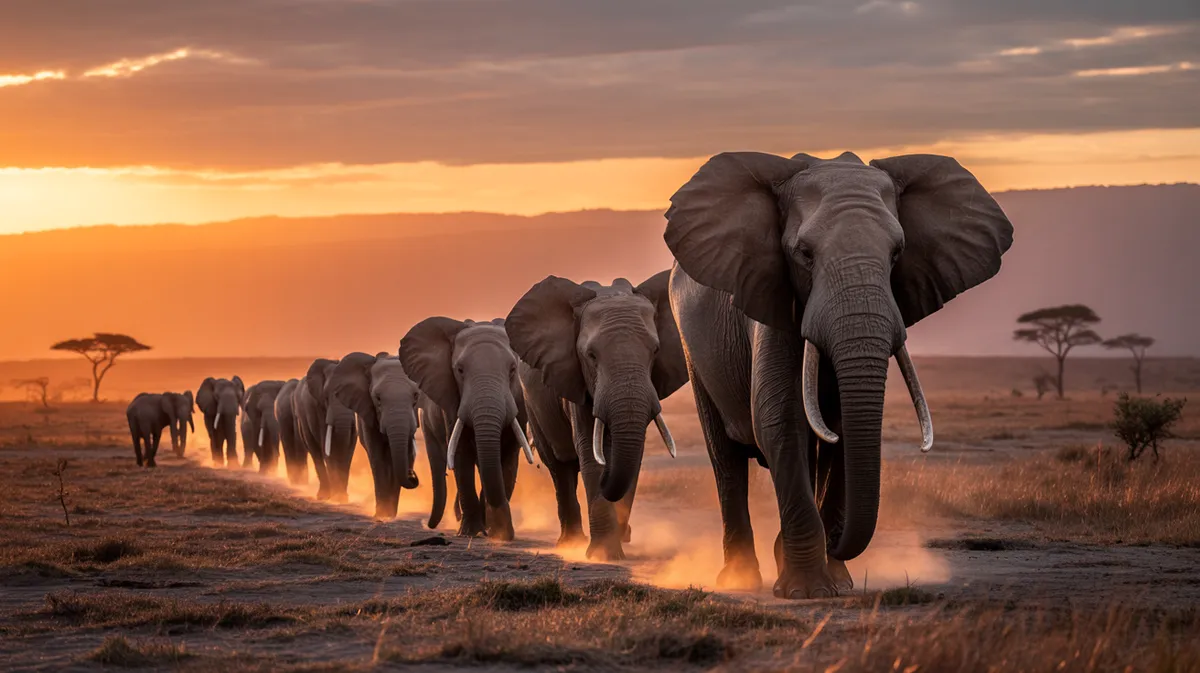
It's an exaggeration built on a real foundation. Elephants do have outstanding long-term memories — matriarchs recall distant water sources during droughts and recognise individuals after decades apart.
They don't literally remember everything forever, but their memory is genuinely exceptional and central to how herds survive.
That memory is also social: elephants recognise the calls and even the bones of long-lost herd members, a recall that can span 50 years or more.
Myth 3: Elephants go to special graveyards to die
Legend says aging elephants trek to a secret graveyard to die among the bones of their ancestors.
No such graveyards exist. Clusters of elephant bones usually mark a place where many animals died over time near a dwindling waterhole or during a drought.
Elephants do show striking interest in their dead — gently touching and lingering over bones — but the romantic graveyard is a myth.
They will, however, revisit and gently handle the remains of dead relatives for years, a behaviour that looks strikingly like mourning.
Myth 4: Elephants drink through their trunks
It looks like an elephant sips water straight up its trunk like a straw.
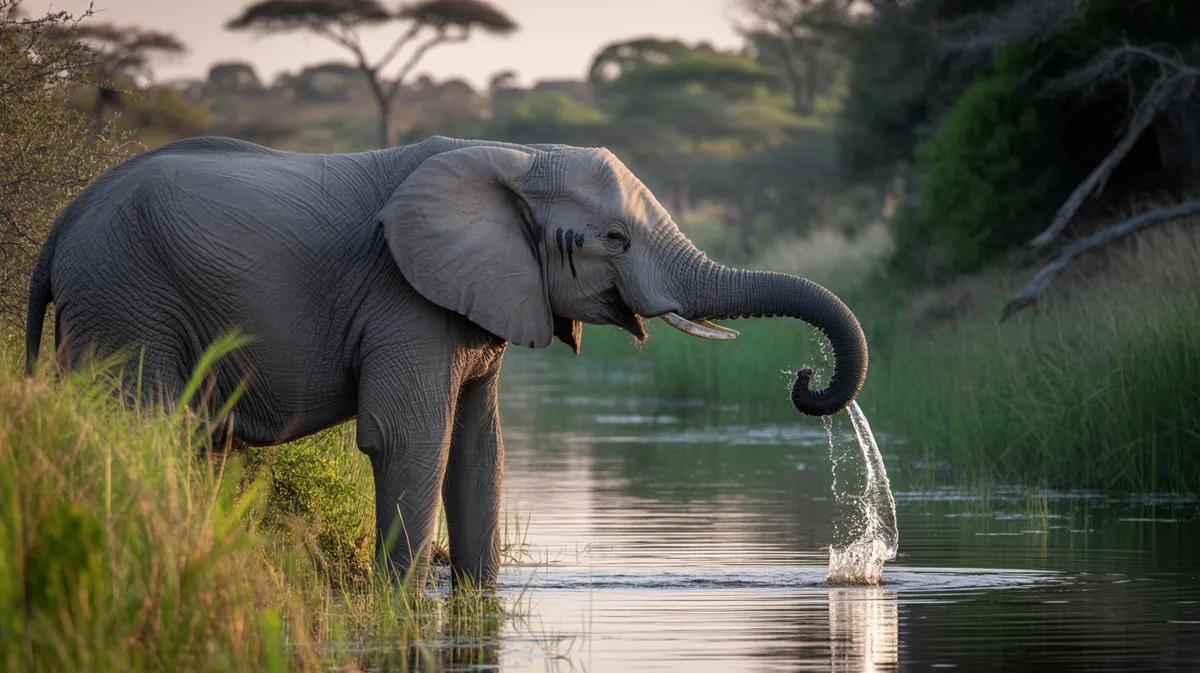
The trunk isn't a drinking tube to the mouth or lungs. An elephant draws water partway up the trunk, then curls it round and squirts the water into its mouth.
Sucking it all the way down would be like us inhaling a drink — the trunk is a tool for delivering water, not swallowing it.
A thirsty elephant can hold several litres in its trunk at once before tipping it into its mouth — an efficient built-in bucket rather than a straw.
Myth 5: An elephant's trunk is just a big nose
We tend to think of the trunk as simply an oversized nose.
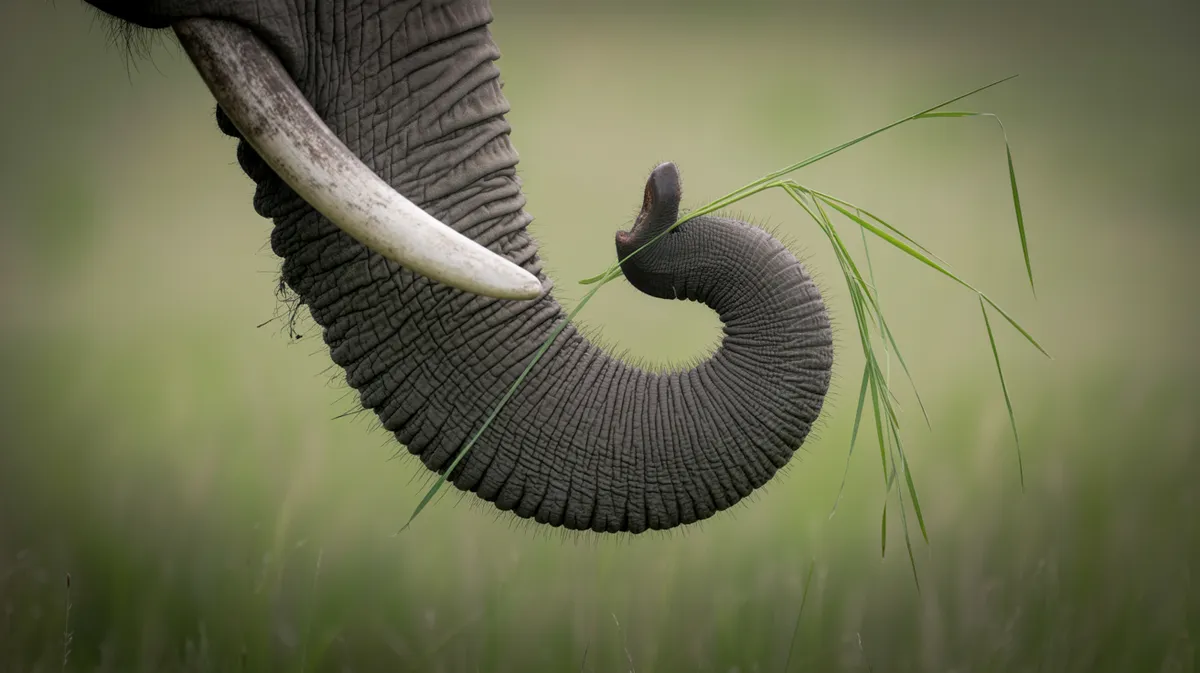
It's a fusion of the nose and upper lip containing an estimated 40,000 muscles, making it one of the most versatile organs in nature.
With it an elephant can uproot a tree or pick up a single blade of grass, smell water miles away, trumpet, and even snorkel while swimming.
The very tip is so sensitive and precise that an elephant can pick up something as small as a single seed, yet the whole trunk can lift a few hundred kilograms.
Myth 6: Elephants can jump
Given their power, you might assume elephants can leap or at least hop.
Elephants are the only mammal that genuinely can't jump — they always keep at least one foot on the ground.
Their immense weight and column-like legs are built for support and steady, surprisingly quiet walking, not for launching off the ground; even so, they can move at around 25 km/h.
Their walk is also eerily quiet for their size, cushioned by fatty pads in the feet that let several tonnes move almost silently.
Myth 7: Removed tusks grow back
Some assume an elephant's tusks regrow like fingernails after they're taken.
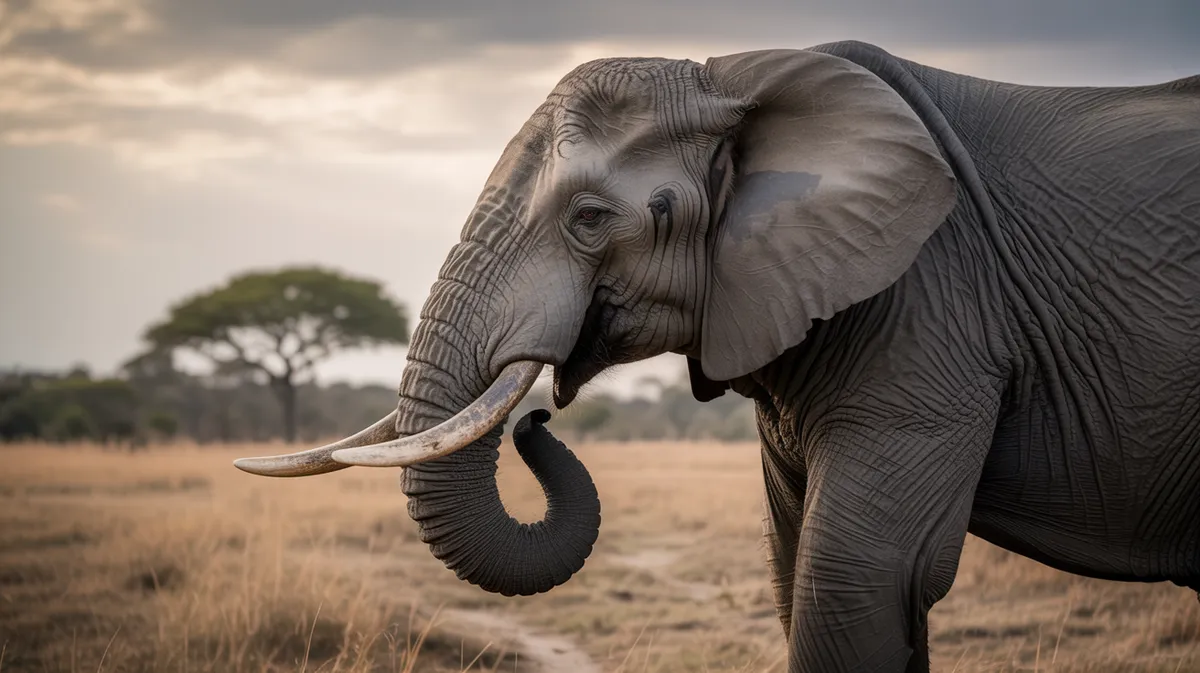
Tusks are actually elongated incisor teeth, rooted deep in the skull, and once removed at the root they're gone for good.
That permanence is part of what makes the ivory trade so devastating — poaching for tusks kills the animal and erases something it can never replace.
Because tusks keep growing throughout life, the biggest "tuskers" are usually old animals — which is tragically why poaching strikes hardest at the most magnificent individuals.
Three more myths, quickly
"Elephants are afraid of bees" — This one is actually true. Elephants genuinely avoid bees, and farmers now use "beehive fences" to keep them out of crops without harming them.
"Their skin is thick and insensitive" — It reaches around 3 cm thick in places, yet it is remarkably sensitive — an elephant can feel a fly landing on it.
"Elephants only trumpet" — Trumpeting is the headline, but most elephant communication is in low rumbles, much of it in infrasound below the range of human hearing.
Why elephants are even better than the legends
Strip away the graveyards and the mouse-fear, and elephants are still extraordinary: deeply intelligent, emotional, tool-wielding giants with the most remarkable nose on the planet. The truth honours them more than the myths ever did.
Frequently asked questions
Are elephants afraid of mice? Not specifically — they're startled by sudden movement underfoot, mouse or not.
Do elephants really never forget? It's exaggerated, but their long-term memory is genuinely exceptional.
Can elephants jump? No — they're the only mammal that can't, always keeping a foot on the ground.
How long do elephants live? Around 60 to 70 years, a lifespan broadly comparable to our own.
Why do elephants flap their ears? Mainly to cool down. The ears are packed with blood vessels and work as enormous radiators.
Do elephants sleep standing up? They can, but they also lie down — and they sleep only a few hours a day.
Are elephants endangered? African forest elephants are critically endangered, and both African savanna and Asian elephants are threatened.
Next in the series: Australia's iconic hoppers — 7 myths about kangaroos, and the misunderstood striped sprayer in 7 myths about skunks, debunked.