

Frogs and toads have hopped through human folklore for centuries, picking up a remarkable number of falsehoods along the way. They supposedly give you warts, are all poisonous, and will happily sit in a pot of slowly boiling water. None of that holds up. This entry in our Animal Myths, Debunked series sets the record straight on these vital, deeply underrated amphibians.
Frogs are bioindicators whose health signals the health of whole ecosystems, and they deserve far better than their slimy reputation. Here are seven myths to leave in the pond — and when you're done, see what we got wrong about rats and pigeons.
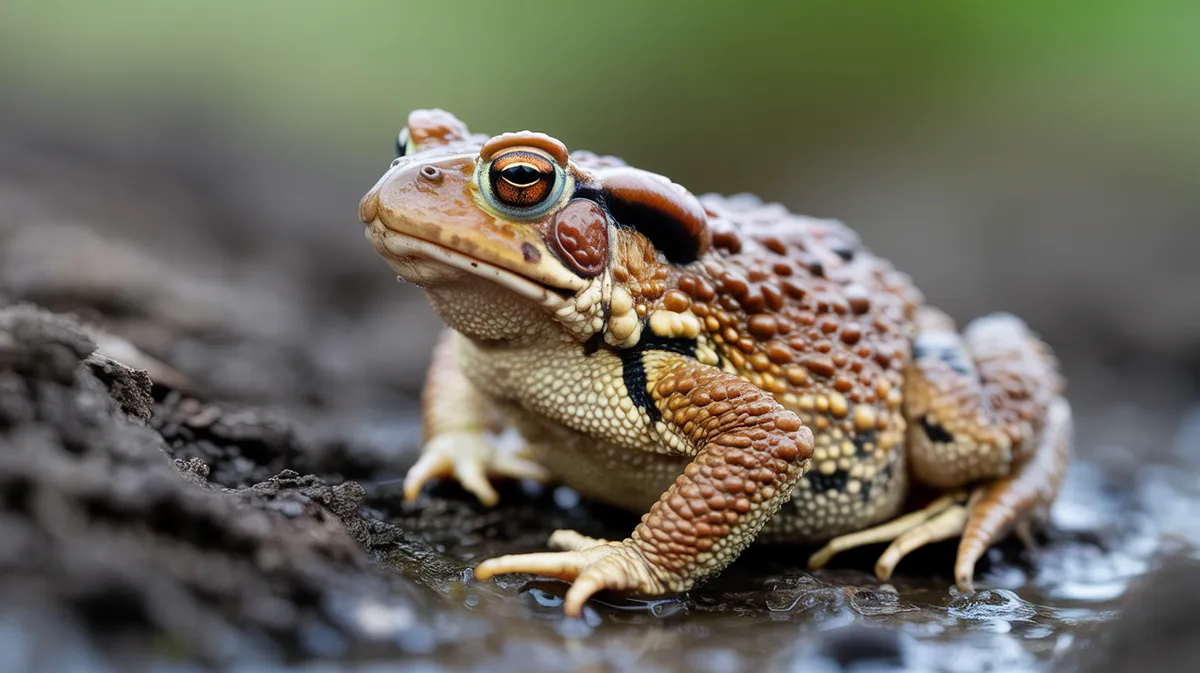
Myth 1: Touching a frog or toad gives you warts
Generations of children have been warned that handling a toad will leave them covered in warts. It's one of the most enduring amphibian myths there is.
Warts are caused by human papillomavirus, a virus that only humans carry — a frog has absolutely nothing to do with it. The bumps on a toad's back are glands, not warts, and they aren't contagious.
You should still wash your hands after handling one, since some species secrete mild irritants, but you will never catch warts from a toad.
If anything, you are the bigger risk to the frog — the oils and soaps on human hands can harm its delicate skin, which is why biologists wet their hands before handling one.
Myth 2: All frogs and toads are poisonous
Because a few famous frogs are deadly, people often assume every one is dangerous to touch.
In reality the vast majority are harmless. Some species, like the brilliantly coloured poison dart frogs, do carry powerful toxins, but most frogs are perfectly safe to be near and pose no threat at all.
Even the toxic species are only dangerous if their secretions get into your mouth, eyes, or a cut — not from a simple touch.
Frogs that truly are toxic advertise it with bright warning colours, so a drab brown frog in your garden is almost certainly harmless.
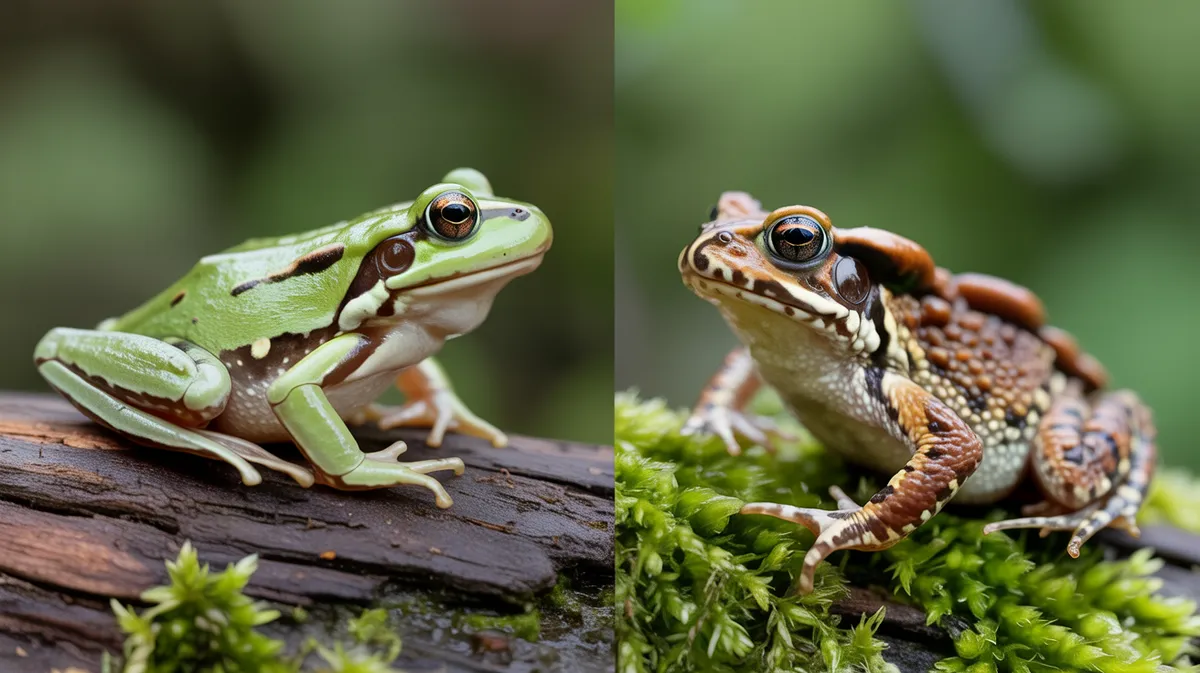
Myth 3: Frogs and toads are completely different animals
We tend to file frogs and toads into two neat, separate boxes.
Biologically, that line doesn't exist: all toads are actually a type of frog. "Toad" is just an informal label for frogs with dry, warty skin and short legs built for walking rather than leaping.
So every toad is a frog, but not every frog is called a toad — the distinction is about lifestyle and looks, not a real taxonomic divide.
Toads tend to have drier, bumpier skin and shorter legs built for plodding, while sleeker frogs are made to leap — but both sit in the same amphibian order.
Myth 4: Frogs drink water through their mouths
It seems obvious that an animal in water must drink the way we do.
Frogs almost never drink with their mouths. Instead they absorb water directly through their skin, especially a specialised "drinking patch" on the underside of the belly and thighs.
That permeable skin is also their weakness — it readily absorbs pollutants too, which is exactly why frogs are such sensitive indicators of environmental health.
Some desert frogs take this further, soaking up overnight dew through their skin to survive in places that barely ever see rain.

Myth 5: A frog will let itself be boiled alive if the water heats slowly
The "boiling frog" is one of the most quoted metaphors in business and politics.
As actual biology, it's false. A real frog will notice the rising temperature and try to escape the water long before it gets dangerously hot — it doesn't sit there obliviously cooking.
The story persists because it's a useful metaphor for ignoring gradual change, but no frog behaves that way.
Experiments as far back as the 19th century showed frogs leaping straight out of heating water; the metaphor stuck only because it is catchy, not because it is true.
Myth 6: "Raining frogs" is pure superstition
Tales of frogs falling from the sky sound like folklore or biblical legend.
Yet it genuinely happens on rare occasions. Powerful waterspouts and tornadoes can suck up frogs (and fish) from ponds and carry them for miles before dropping them, sometimes over a town.
So this is the rare "myth" that turns out to be real — just with a perfectly natural, if dramatic, weather explanation.
Records of these strange falls go back thousands of years and once led people to blame the gods — when the real culprit was simply a passing storm.

Myth 7: Frogs are slimy and good for nothing
The damp, glistening look of a frog reads to many people as slimy and a little gross.
Frog skin isn't slime but a thin layer of protective mucus that keeps the animal moist and helps it breathe. Frogs are also ecological workhorses, eating vast numbers of insect pests and serving as a key food source for countless other animals.
Their skin secretions have even inspired new medicines, from painkillers to antibiotics — not bad for an animal written off as gross.
Because they breathe partly through that skin, frogs are also early-warning systems for pollution, often vanishing first when an environment turns toxic.
Three more myths, quickly
"All frogs croak" — In most species only the males call, and some frogs are effectively silent, signalling instead by waving a foot or drumming a vibration.
"A tadpole is just a small frog" — It is a radically different animal — gilled, tailed, and often vegetarian. Metamorphosis rebuilds it almost from scratch into the adult.
"Frogs are always found near water" — Many live high in trees, and some desert frogs burrow underground and wait years for a rare downpour before emerging to breed.
Why frogs deserve a closer look
Frogs are gentle, fascinating, and ecologically essential, yet they're vanishing worldwide at alarming rates. Trading the old myths for a little understanding is the first step toward protecting them.
Frequently asked questions
Can you get warts from frogs or toads? No — warts come from a human virus. Toad "warts" are glands and aren't contagious.
Are all frogs poisonous? No. Most are harmless; only some species, like poison dart frogs, carry real toxins.
Is the boiling-frog story true? No — a real frog would try to escape the water as it heated up.
Next in the series: the rodent everyone loves to hate — 7 myths about rats, and the much-maligned city bird in 7 myths about pigeons, debunked.