
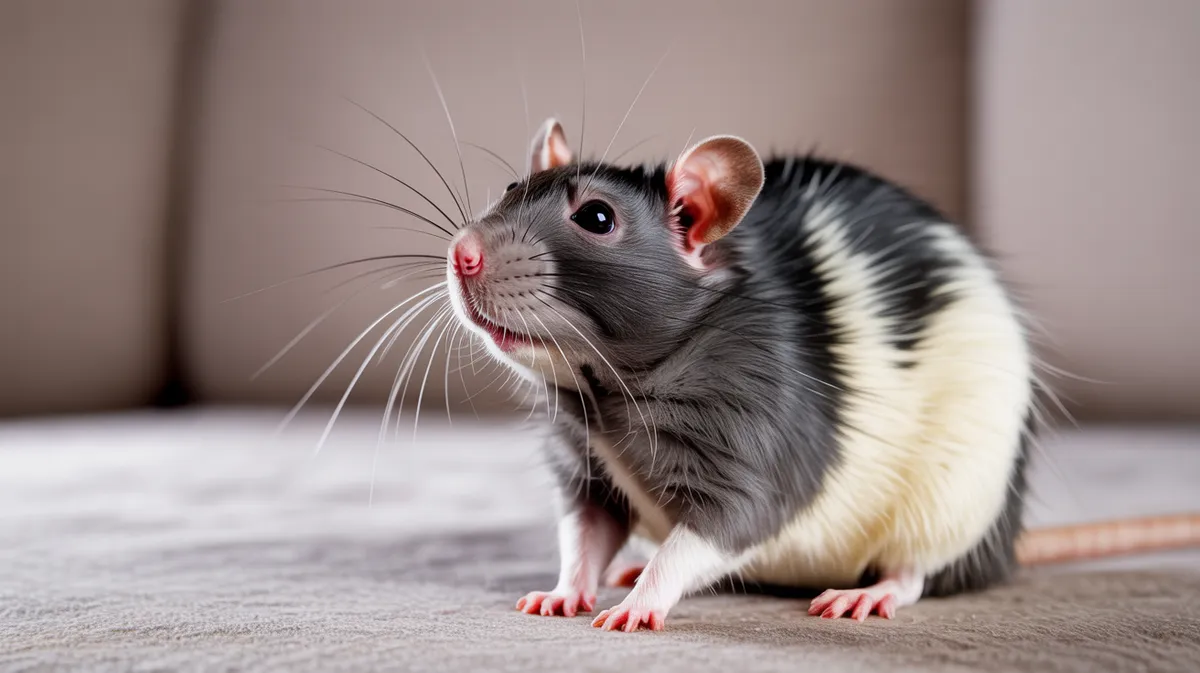
Few animals are as despised as the rat — blamed for the Black Death, branded as filthy, and dismissed as vermin. The reality is startlingly different: rats are clean, intelligent, social animals, and even their most infamous crime may not be their fault. This entry in our Animal Myths, Debunked series gives the rat a long-overdue fair hearing.
From meticulous grooming to genuine empathy, rats keep surprising the scientists who study them. Here are seven myths to put to rest. See also frogs and pigeons in the series.

Myth 1: Rats caused the Black Death
For centuries rats have shouldered the blame for the deadliest pandemic in history.
Modern research increasingly disputes that story. Studies of how fast the plague spread suggest it moved largely through human fleas and lice, person to person — far faster than slow-moving rat populations could explain.
Rats may have played some role, but pinning the entire Black Death on them looks more and more like a centuries-old scapegoating.
Some outbreaks even struck regions with very few black rats at all — another clue that humans, not rodents, were the main carriers.
Myth 2: Rats are dirty
The word "rat" practically means filth in everyday speech.
In fact rats are fastidious groomers that spend a large share of their waking hours cleaning themselves and their companions — by some measures even more than cats do.
Wild rats look grubby because of where they're forced to live, not because they are inherently unclean animals.
Rats keep their living spaces tidy too, often setting aside separate areas for sleeping and for waste.

Myth 3: Rats are dumb
"Lab rat" is often used to suggest something mindless and replaceable.
Yet rats are genuinely intelligent. They navigate complex mazes, learn tricks, and have demonstrated metacognition — an apparent awareness of what they do and don't know.
They also show empathy: rats will free a trapped companion even when there's no reward, and will share food with a hungry cage-mate.
They can even learn to play hide-and-seek and will leap with joy — emitting tiny ultrasonic "laughter" — when gently tickled.
Myth 4: Rats are aggressive and will attack people
Horror stories paint rats as vicious creatures eager to bite.
Rats are actually timid and would much rather flee than fight. Bites are rare and almost always defensive, happening when a rat is cornered or handled roughly.
A wild rat's whole strategy is to avoid being noticed, not to confront something thousands of times its size.
Domesticated rats are so gentle they are used as therapy animals and trained to sniff out landmines and even diagnose disease.
Myth 5: Rats can collapse their skeletons to fit anywhere
A popular claim holds that rats have no real bones, or can "liquefy" their skeletons to squeeze through tiny gaps.
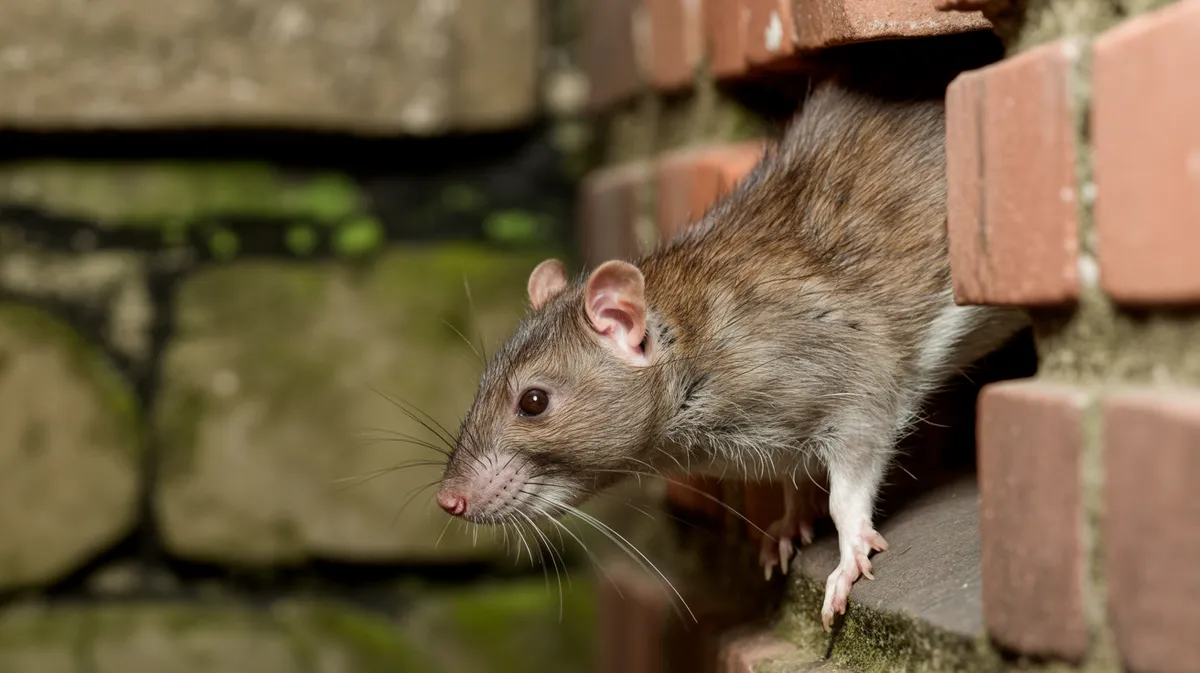
They have a complete, normal skeleton. What lets them through small holes is their flexible body and the lack of a rigid collarbone, so they can flatten and wriggle through any gap their skull can pass.
It's impressive contortion, not boneless magic — if the head fits, the rat usually follows.
The rule of thumb is simple: if a rat can fit its head through a gap — roughly the size of a coin — the rest of its flexible body will follow.
Myth 6: Rats love cheese above all else
From cartoons to mousetraps, cheese is the rat's supposed favourite food.
Rats will eat cheese, but it's far from their first choice. They generally prefer grains, seeds, and sweet, sugary foods, and strong-smelling cheese can even put some of them off.
The cheese-baited trap is more cultural cliché than rodent science.
In the wild a rat's diet leans heavily on grains and fruit, making a lump of cheese an occasional snack rather than a craving.
Myth 7: Pet rats are just tamed sewer rats
People often assume a pet rat is the same disease-ridden animal they'd find in an alley.
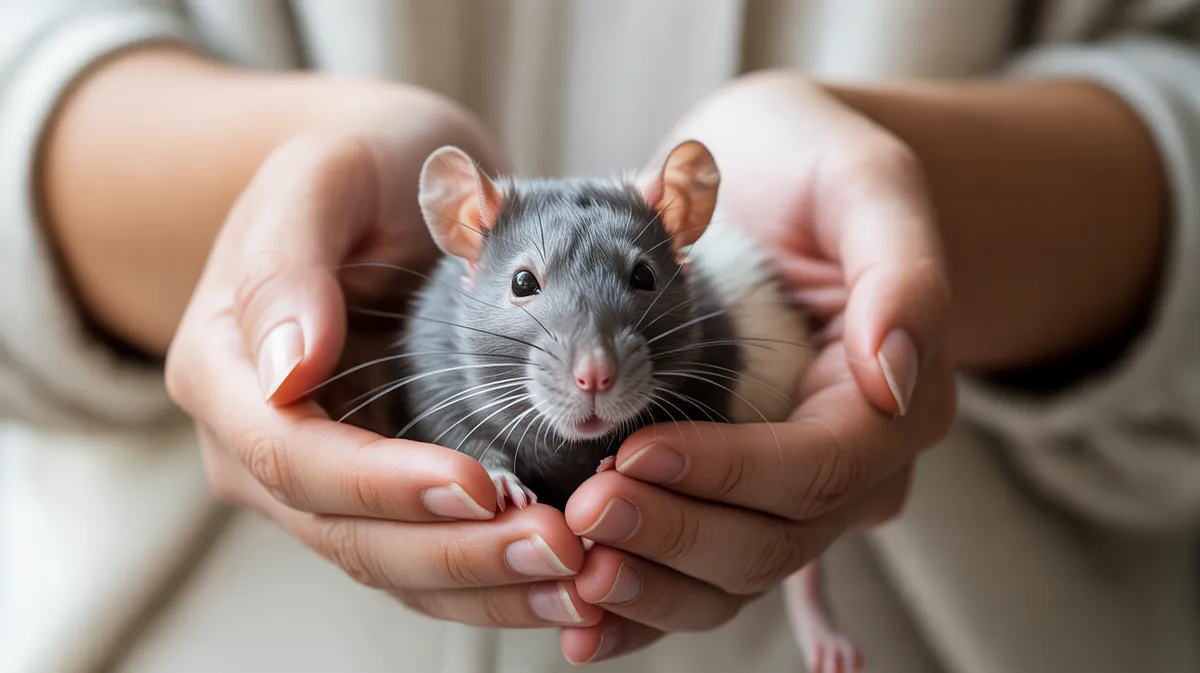
Domestic "fancy" rats have been bred for generations to be docile, healthy, and friendly, much as dogs were bred from wolves.
Clean, affectionate, and clever, they bond with their owners, learn their names, and make genuinely rewarding pets.
Generations of selective breeding have made fancy rats calmer and healthier than their wild cousins, and they come in a whole rainbow of coat colours.
Three more myths, quickly
"Rats are blind" — Their eyesight is genuinely poor, but they are not blind. They simply lean far more on whiskers, smell, and hearing to read the world.
"Rats can gnaw through anything, even steel" — Their incisors handle wood, plastic, aluminium, and even soft concrete — but hardened steel defeats them. The "chews through anything" line is an exaggeration.
"Rats bite people in their sleep" — Vanishingly rare. A wild rat's entire strategy is to avoid being noticed by something thousands of times its size.
Why rats are so misjudged
Centuries of association with filth and disease have buried the truth about rats: they're clean, smart, social, and even empathetic. Look past the reputation and the rat becomes one of the animal kingdom's great underdogs.
Frequently asked questions
Did rats really cause the Black Death? Probably not alone — research suggests human fleas and lice spread it far faster than rats could.
Are rats dirty? No — they're meticulous groomers that clean themselves constantly.
Do rats love cheese? Not especially. They prefer grains and sweet foods; the cheese link is a cartoon cliché.
How long do rats live? Usually only two to three years, even as pets — which is part of why wild populations rebound so quickly.
Are pet rats safe around children? Yes, with supervision. Fancy rats are gentle, sociable, and very rarely bite.
Do pet rats need company? Absolutely. They are highly social and suffer if kept alone, so they should always be kept in pairs or groups.
Can rats swim? Extremely well. They are strong swimmers and can tread water for long periods.
Continue with 7 myths about pigeons, debunked, or revisit 7 myths about frogs.