
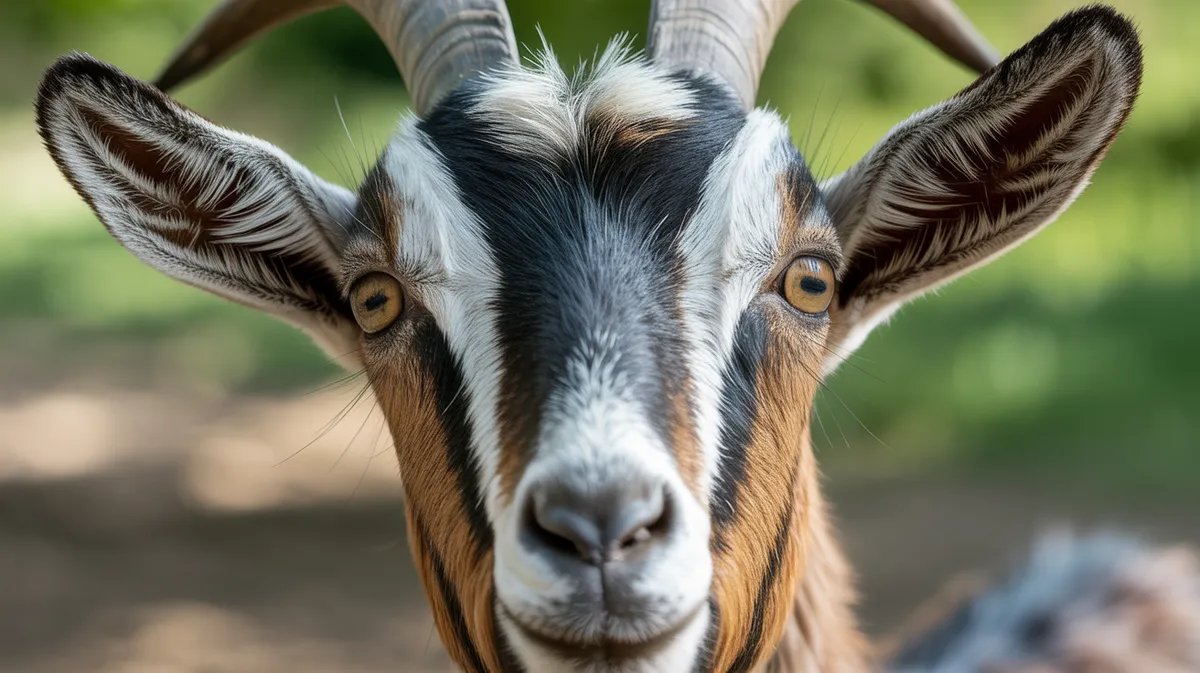
Goats have shared our farms for 10,000 years, and in all that time we've built up a surprising pile of nonsense about them. They supposedly eat tin cans, faint from fright, and are stubborn to the point of stupidity. The truth is that goats are clever, curious, picky, and genuinely affectionate. This entry in our Animal Myths, Debunked series gives one of humanity's oldest companions a fair hearing.
Behind the cartoon image is an animal that solves puzzles, reads human faces, and sees the world through some of the strangest eyes in the barnyard. Here are seven myths to retire — and when you're done, see what we got wrong about moths and vultures.
Myth 1: Goats eat anything, including tin cans
The classic cartoon goat happily chomps a tin can, and the image has stuck for generations.
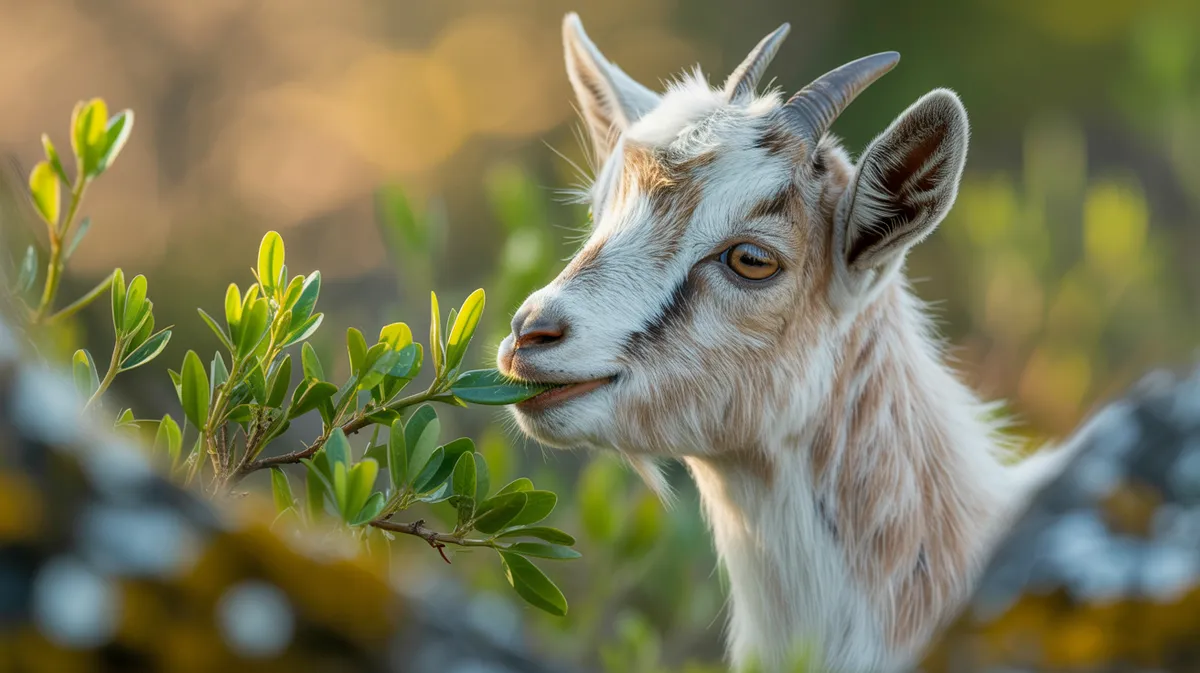
Goats are actually surprisingly picky eaters with sensitive lips they use to explore the world, much as we use our hands. What looks like eating a can is usually a goat nibbling the paper label and its tasty glue, not the metal itself.
In reality goats reject food that's dirty or spoiled and prefer fresh leaves, shrubs, and grain — they're investigators, not garbage disposals.
That sensitive, almost prehensile upper lip is so dexterous a goat can pluck a single leaf from a thorny branch without getting pricked.
Myth 2: "Fainting goats" actually faint
Videos of goats keeling over stiff-legged when startled have made "fainting goats" internet famous.
They never actually faint or lose consciousness. These animals have a harmless inherited condition called myotonia congenita, which briefly stiffens their muscles when they're startled, so they topple over fully awake and aware.
Seconds later the muscles relax and the goat strolls off, no harm done — it's a quirk of the muscles, not the brain.
Because the trait is harmless, farmers historically kept fainting goats among flocks of sheep — a startled goat would topple and be taken, supposedly letting the pricier sheep escape predators.
Myth 3: Goats have creepy eyes for no reason
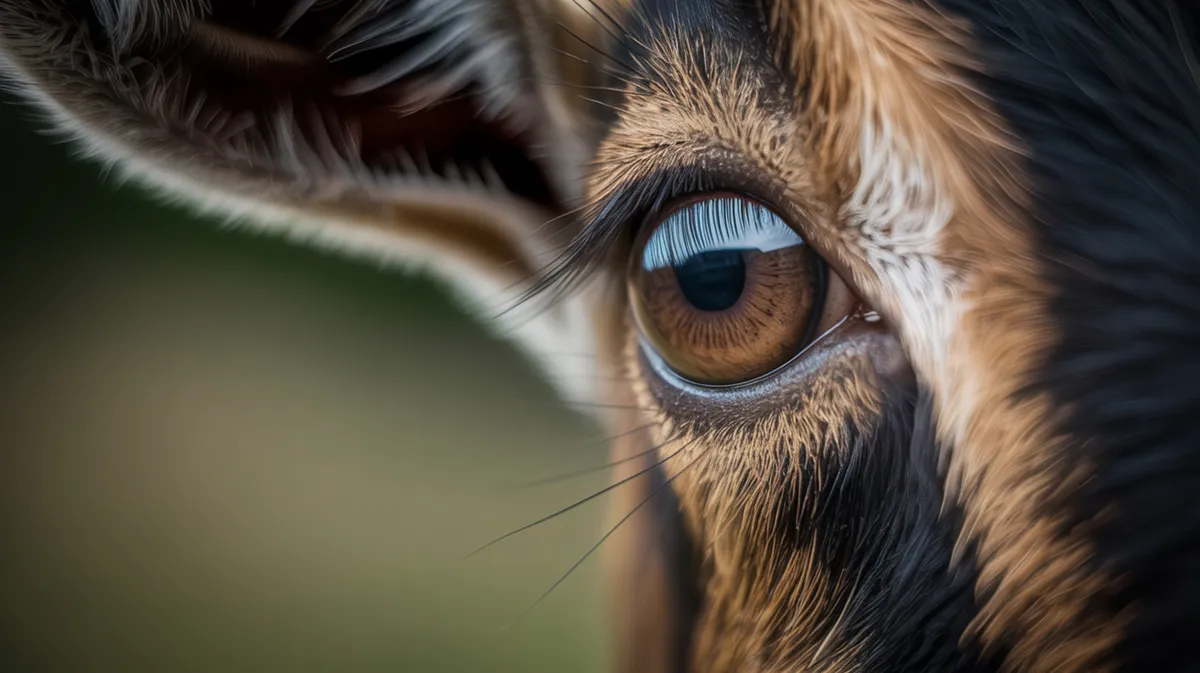
A goat's horizontal, rectangular pupils strike many people as eerie or even sinister.
Those bizarre pupils are brilliant engineering. They give goats a panoramic field of view of around 320 to 340 degrees, letting them scan almost all the way around for predators without moving their heads.
Even better, the pupils rotate to stay level with the horizon as the goat lowers its head to graze — keeping that wide danger-spotting view locked in at all times.
Many grazing animals share this horizontal-pupil design, but goats show it off especially clearly, the dark slot rotating eerily as the head tips down to feed.
Myth 4: Goats are dumb
Their antics make goats look like lovable simpletons.
In fact goats are impressively intelligent. They solve mechanical puzzles to get food, remember the solutions for years, and navigate complex social hierarchies within the herd.
Studies have even shown that goats, like dogs, will look to a nearby human for help when they're stuck — a sign of real social intelligence we once thought only pets possessed.
Goats also recognise the faces and even the voices of their herd-mates, and they prefer the sound of a happy human voice to an angry one.
Myth 5: Goats and sheep are basically the same
Both are woolly-ish farm animals, so the two get lumped together constantly.
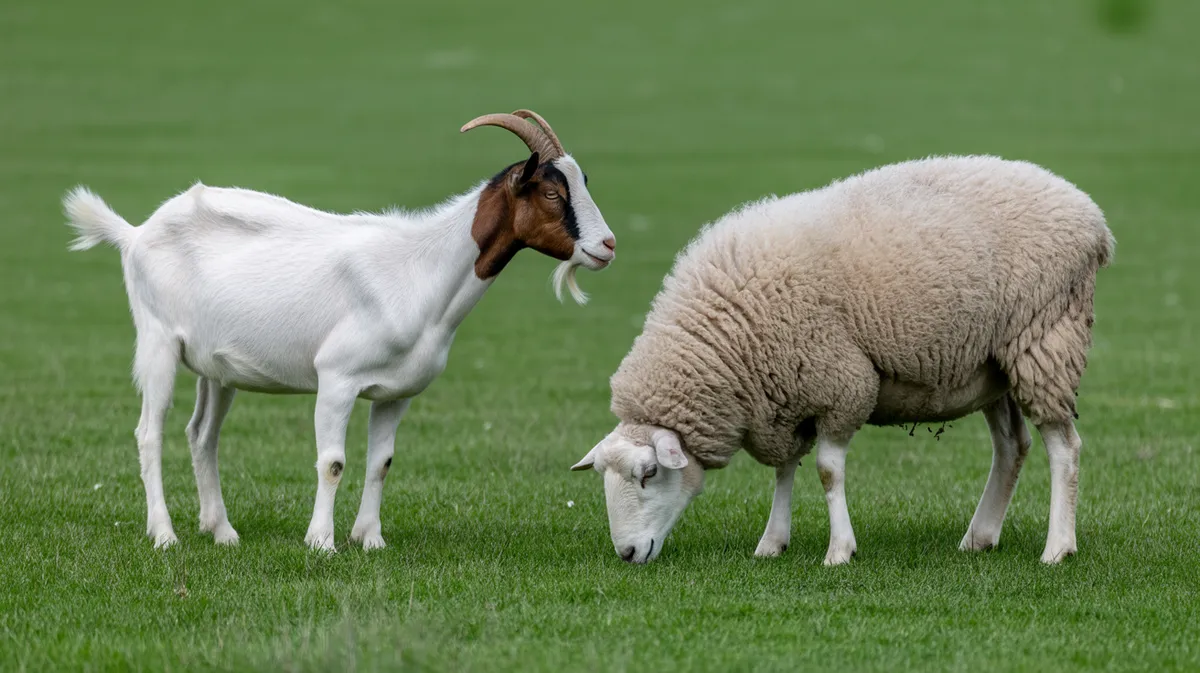
They're genuinely different species with different lifestyles. Goats are browsers that lift their heads to nibble shrubs and leaves, while sheep are grazers that keep their heads down in the grass.
You can even tell them apart by their tails — a goat's usually points up, a sheep's hangs down — and the two have different numbers of chromosomes, so they rarely produce viable offspring together.
Their diets reflect the split, too: sheep thrive on grassy pasture, while goats need varied browse and will strip a hedgerow bare given the chance.
Myth 6: A buck smells bad because goats are dirty
The strong odour of a male goat gets blamed on filthiness.
That powerful smell is entirely deliberate. During the breeding season bucks produce a potent musk — and even spray their own urine on themselves — specifically to advertise their virility to females.
Females, far from being repelled, are actually drawn to it. It's cologne, not grime, and the rest of the year bucks smell much like any other goat.
The musk comes from scent glands near the horns and surges in autumn, which is why a buck can smell mild for much of the year and overpowering during the rut.
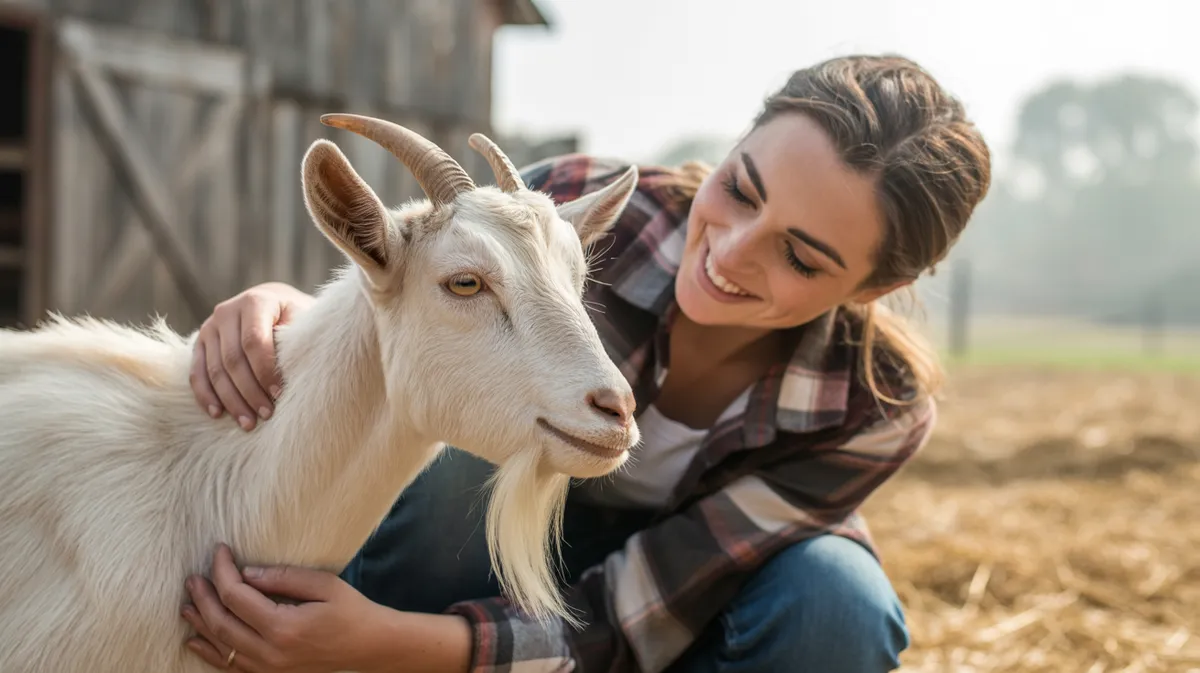
Myth 7: Goats are stubborn and aggressive
"Stubborn as a goat" frames them as difficult and bad-tempered.
What reads as stubbornness is usually intelligence and independence — a goat that won't do something often has a sensible reason, like sensing danger or distrusting unfamiliar footing.
Well-treated goats are friendly, curious, and affectionate, forming real bonds with their keepers and happily seeking out human company.
Goats are also famous escape artists, and much of their "misbehaviour" is simply boredom — a curious, intelligent animal hunting for something to do.
Three more myths, quickly
"Goats cannot swim" — Most can, though they would much rather not. They are climbers first, and some will scale near-vertical rock faces and even trees.
"Goat milk is basically cow's milk" — Its fat globules are smaller and it is naturally homogenised, which is a large part of why many people find it easier to digest.
"Goats have no memory" — They remember how to solve mechanical puzzles for years afterwards, and they recognise both herd-mates and familiar humans by face and by voice.
Why goats are so misjudged
Centuries of cartoons turned a clever, sensitive, picky animal into a tin-can-eating buffoon. Spend time with real goats and you find inquisitive, social companions that have earned their 10,000 years at our side.
Frequently asked questions
Do goats really eat tin cans? No — they're picky eaters who nibble paper labels and glue, not the metal.
Do fainting goats actually faint? No. Their muscles briefly stiffen from a harmless condition; they stay fully conscious.
Are goats and sheep the same? No — different species. Goats browse with heads up; sheep graze with heads down, and their tails point opposite ways.
Next in the series: the misunderstood night-fliers — 7 myths about moths, and nature's clean-up crew in 7 myths about vultures, debunked.