
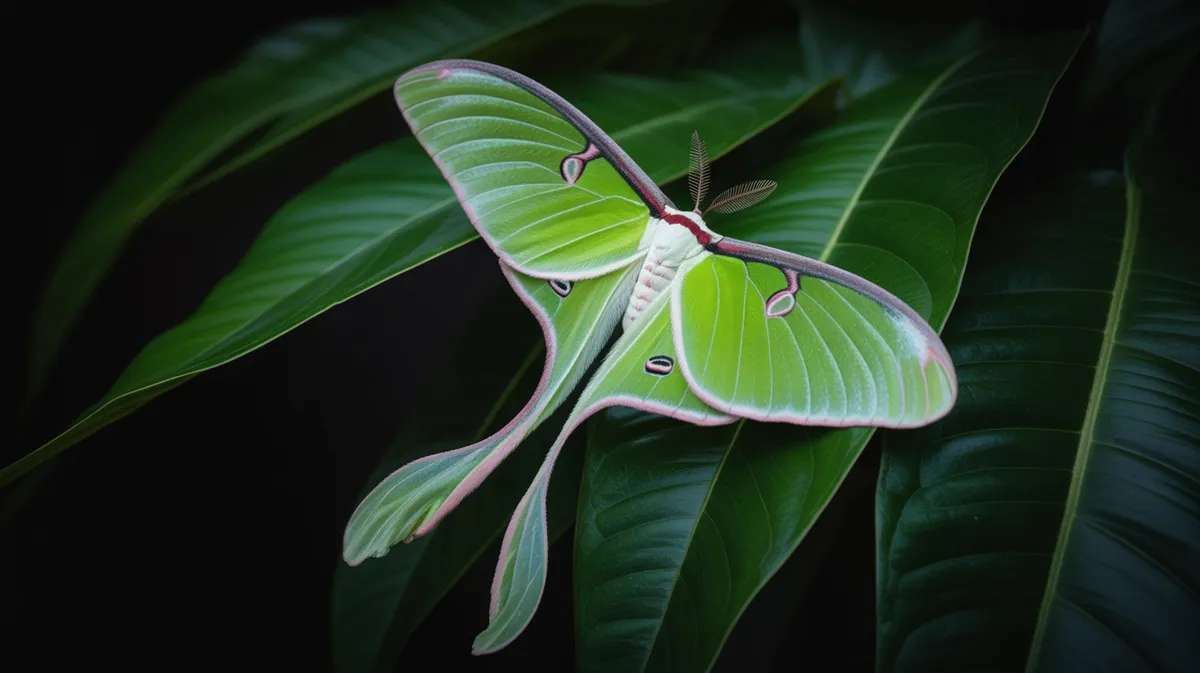
Moths are the butterflies' overlooked cousins — dismissed as drab, clothes-munching pests hopelessly drawn to your porch light. Almost none of that survives a closer look. Moths are wildly diverse, mostly harmless, and quietly doing essential work after dark. This entry in our Animal Myths, Debunked series turns the light on one of the most underrated insect groups on Earth.
With around 160,000 species, moths vastly outnumber butterflies and include some of the most spectacular insects alive. Here are seven myths to clear up. See also goats and vultures in the series.
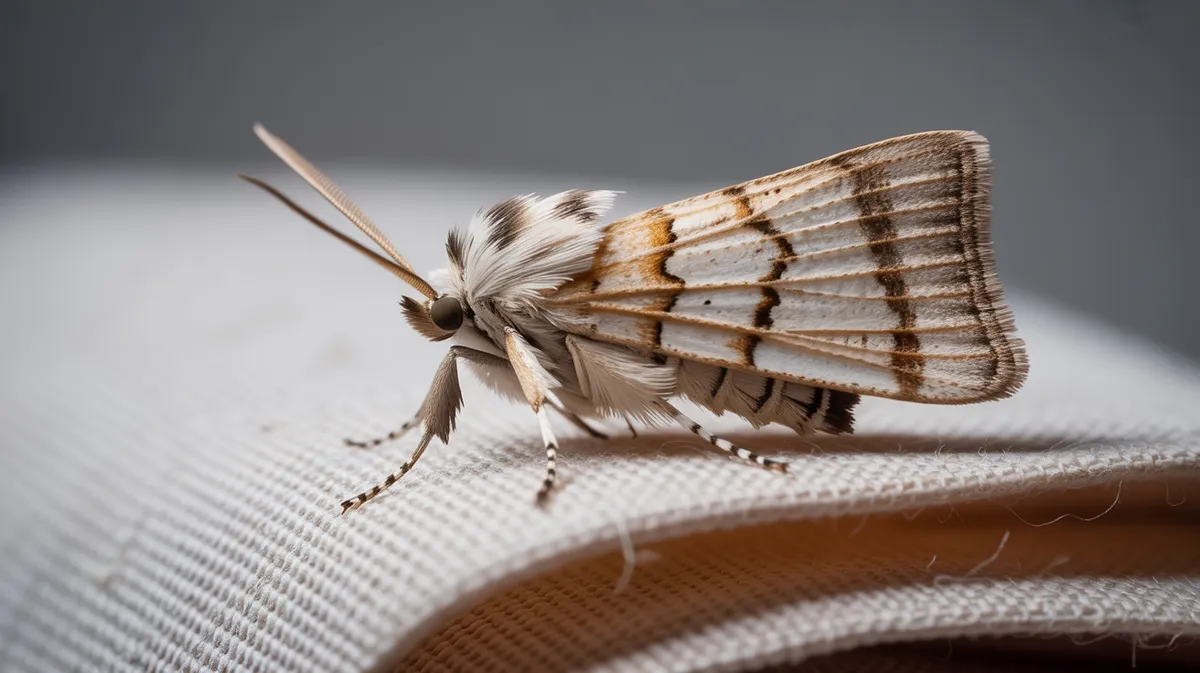
Myth 1: All moths eat your clothes
Open a wardrobe, spot a moth, and the panic about ruined sweaters begins.
Yet of those 160,000 species, only a tiny handful — chiefly the webbing clothes moth — have larvae that eat fabric, and it's the caterpillars, not the adults, doing the damage.
The overwhelming majority of moths have no interest in your closet at all; many adult moths can't even eat, surviving only days on energy stored as caterpillars.
Poor storage, not the moths themselves, usually invites trouble: clean, well-aired clothes are rarely touched, since the larvae feed on the sweat and oils left in worn fabric.
Myth 2: Moths are attracted to light
It looks obvious: moths love light and fly straight to it.
The real story is stranger. Moths aren't drawn to light so much as disoriented by it — for millions of years they navigated by keeping a constant angle to the distant moon, and an artificial bulb scrambles that system.
Recent research suggests they actually try to keep their backs to the light, which sends them spiralling around a lamp rather than happily approaching it.
This is why moths tend to settle and circle a bulb rather than dive into it — and why bright outdoor lighting can quietly drain local moth populations by trapping them all night.
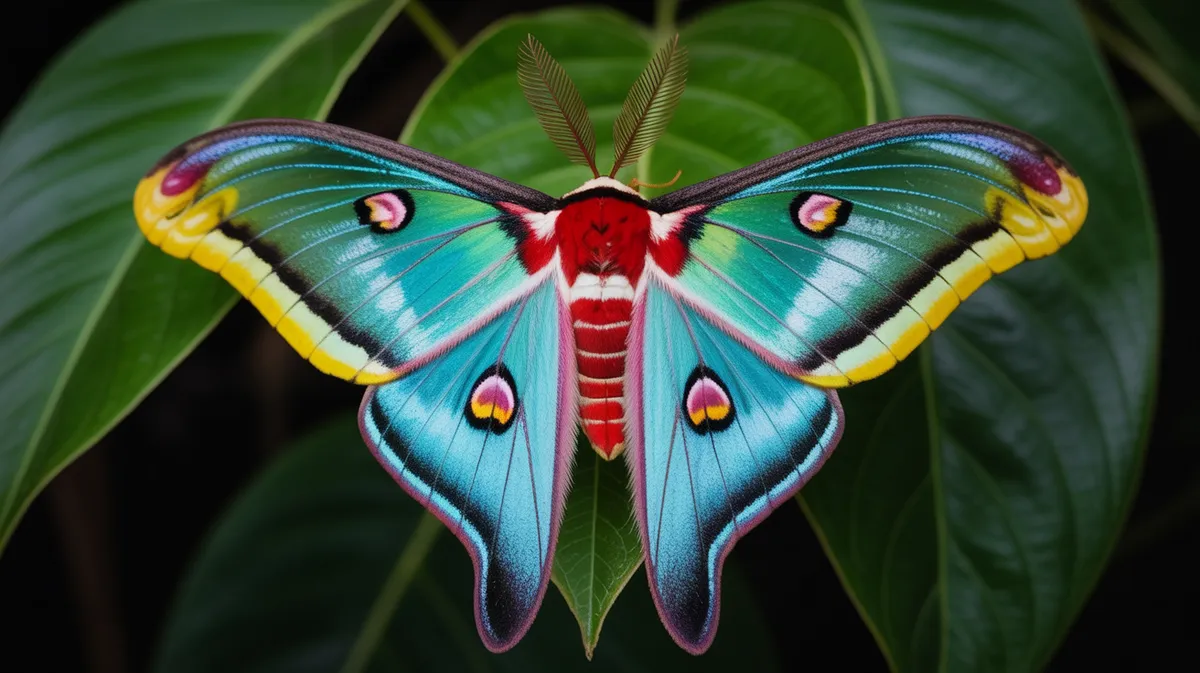
Myth 3: Moths are just dull brown butterflies
Moths get typecast as the drab, grey understudies to colourful butterflies.
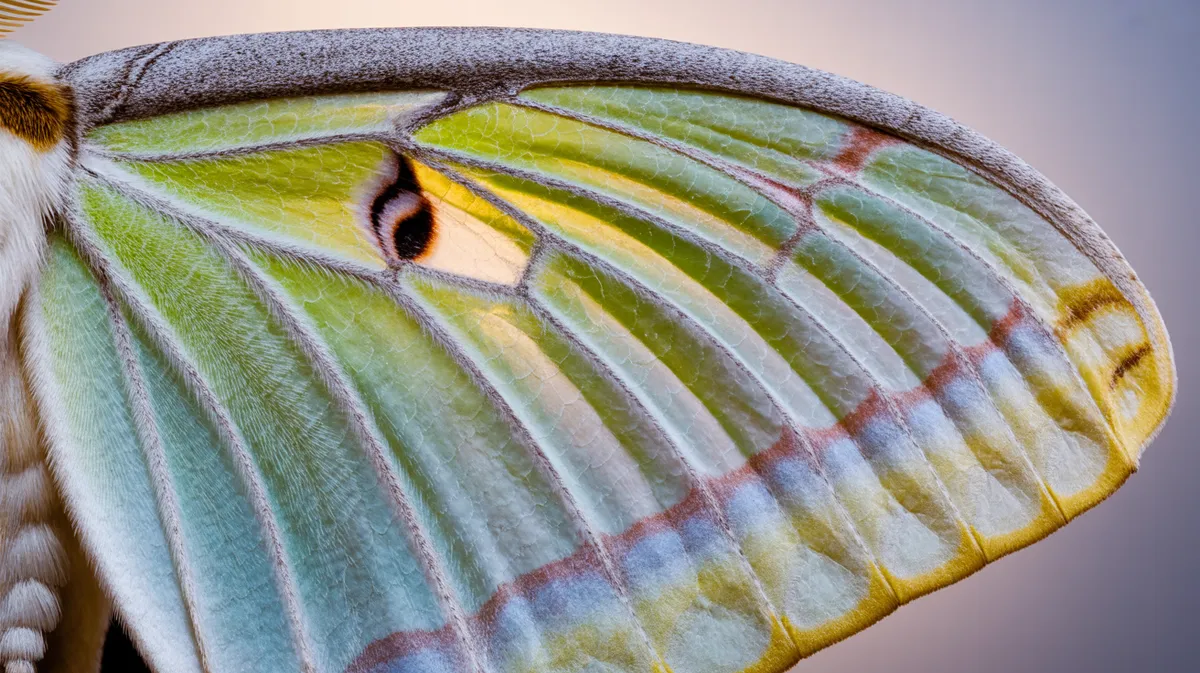
Many moths are dazzling — the lime-green luna moth, the iridescent sunset moth, and the comet moth rival any butterfly for beauty.
The real differences are subtle: moths usually have feathery antennae and rest with wings spread flat, while butterflies have club-tipped antennae and fold their wings up. Colour has nothing to do with it.
Even the "plain" moths often hide brilliant flashes of colour on their hindwings, flashed only to startle a predator into a split-second of hesitation.
Myth 4: Moths are useless pests
Written off as nuisances, moths are assumed to contribute nothing.
In fact they're vital night-shift pollinators, carrying pollen between flowers that bloom after dark, and they form a huge part of the diet of bats and birds.
One moth even gave us silk: the entire silk industry is built on the cocoon of the domesticated silkworm moth.
Some plants, like certain orchids and the yucca, depend almost entirely on specific moths to reproduce — lose the moth and the plant vanishes with it.
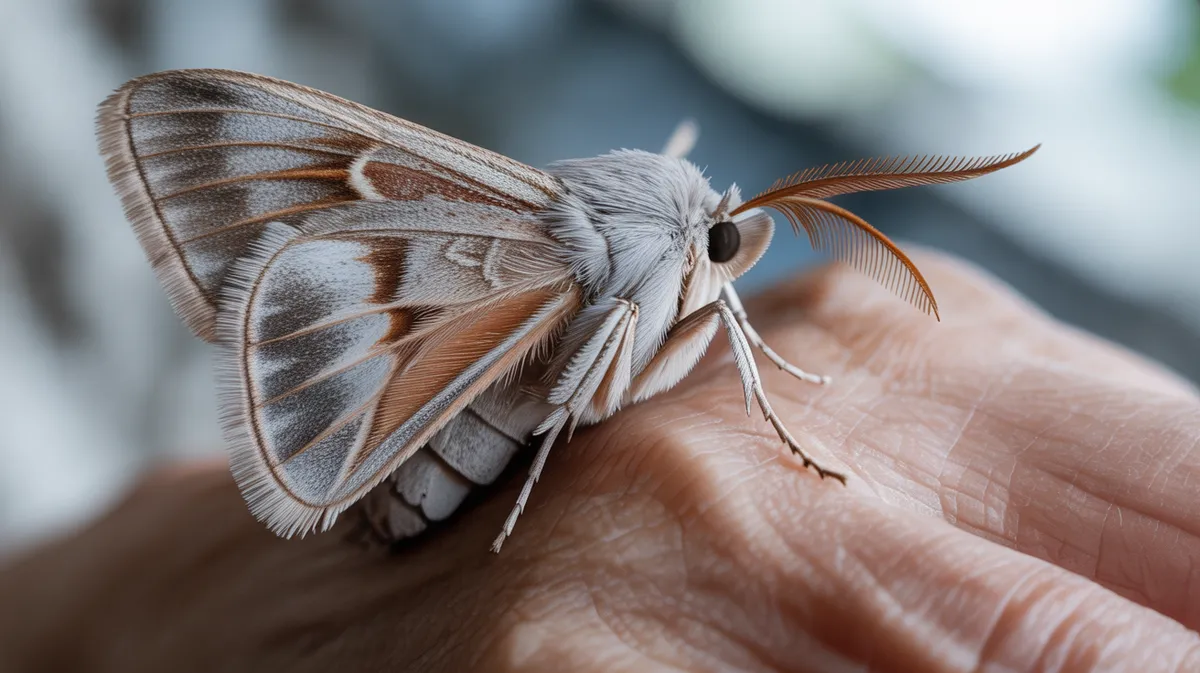
Myth 5: Moths bite or are dangerous
Their fluttering, dusty presence makes some people fear a moth might bite.
Almost all adult moths are completely harmless and physically can't bite — many lack working mouthparts entirely.
A few caterpillars carry irritating stinging hairs, and one obscure species sips blood, but the moth bumping your window is no threat to anyone.
With no need to feed as adults, many moths exist purely to mate and lay eggs during their brief few days of life.
Myth 6: Moths only come out at night
We file moths firmly under "nocturnal."
Plenty of moths are active by day, and some are easily mistaken for butterflies or even hummingbirds.
The hummingbird hawk-moth, for instance, hovers at flowers in broad daylight, sipping nectar with a long tongue exactly like the bird it's named for.
Day-flying moths often wear bright warning colours, since they can't rely on darkness to hide them from hungry birds.
Myth 7: Touching a moth's wings kills it
A common warning says the "dust" on a moth's wings is essential and brushing it off dooms the insect.
That dust is actually thousands of tiny scales — modified hairs that give the wings colour and help with flight.
Losing a few scales to a gentle touch won't kill a moth; it can still fly perfectly well, though it's always kindest to handle them as little as possible.
Butterflies have exactly the same scales, and both insects naturally shed some over a lifetime without harm — the "dust" is more like dandruff than a vital organ.
Three more myths, quickly
"Mothballs are the only defence" — Cleaning, airing, and freezing clothes works well, and cedar or lavender helps. Mothballs are toxic and usually unnecessary.
"A moth indoors means an infestation" — Nearly always it is a harmless outdoor species that wandered in toward a light and has no interest whatsoever in your wardrobe.
"Flowers close at night, so moths cannot pollinate" — Many plants do the opposite, opening specifically after dark and releasing scent to summon moths — an entire night-shift pollination system.
Why moths deserve the spotlight
Moths are more numerous, more diverse, and more beautiful than their reputation allows, and our ecosystems lean on them every night. Trade the clothes-moth panic for a little curiosity and a whole hidden world opens up.
Frequently asked questions
Do all moths eat clothes? No — only a few species' caterpillars do. Most moths never touch fabric, and many adults can't eat at all.
Why are moths attracted to light? They aren't, exactly — artificial light scrambles the moon-based navigation they evolved to use.
Does touching a moth's wings kill it? No. The "dust" is scales; losing a few to a gentle touch won't stop it flying.
How long do moths live? Many adults survive only days or weeks. The caterpillar stage is usually far longer than the winged one.
Are moths important pollinators? Yes, and badly underrated ones — they carry pollen between night-blooming plants that bees never visit.
What actually attracts clothes moths? Sweat, body oils, and food residue on natural fibres. Clean, well-aired clothing is rarely targeted.
Do moths bite? Adult moths almost never can — many lack functioning mouthparts altogether.
Continue with 7 myths about vultures, debunked, or revisit 7 myths about goats.