
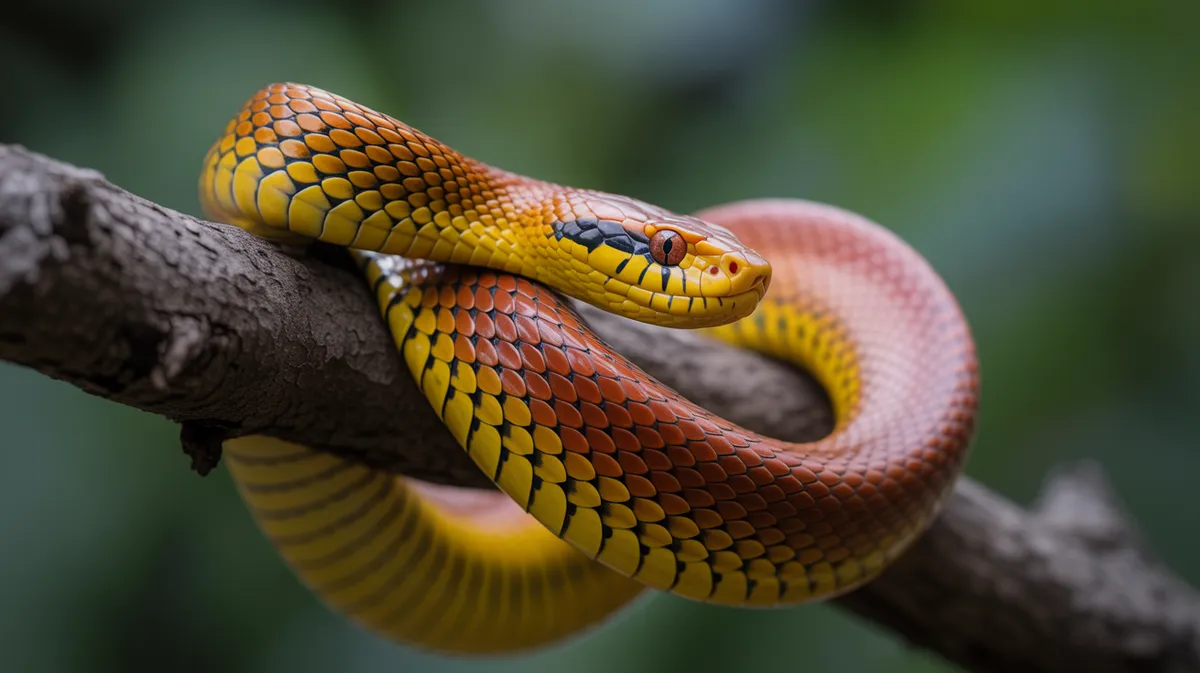
Maybe no animal is wrapped in more fear and fiction than the snake. They've been called slimy, deaf, aggressive, and out to get us — and most of it is flat wrong. This entry in our Animal Myths, Debunked series strips away the folklore from one of the planet's most misunderstood and ecologically important animals.
The truth is that the overwhelming majority of snakes are harmless, shy, and quietly keeping rodent populations in check. Here are seven myths to leave behind — and when you're done, see what we got wrong about octopuses and cats.
Myth 1: Snakes are slimy
Because they glisten and move like water, snakes are almost universally assumed to be slimy and wet.
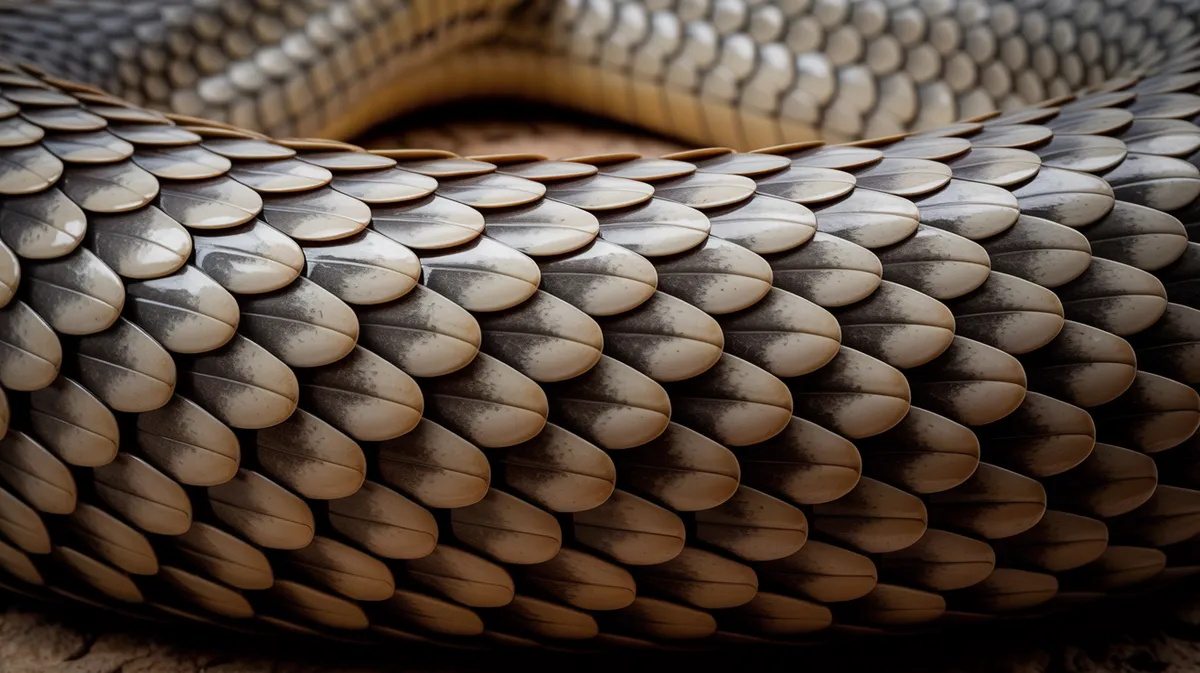
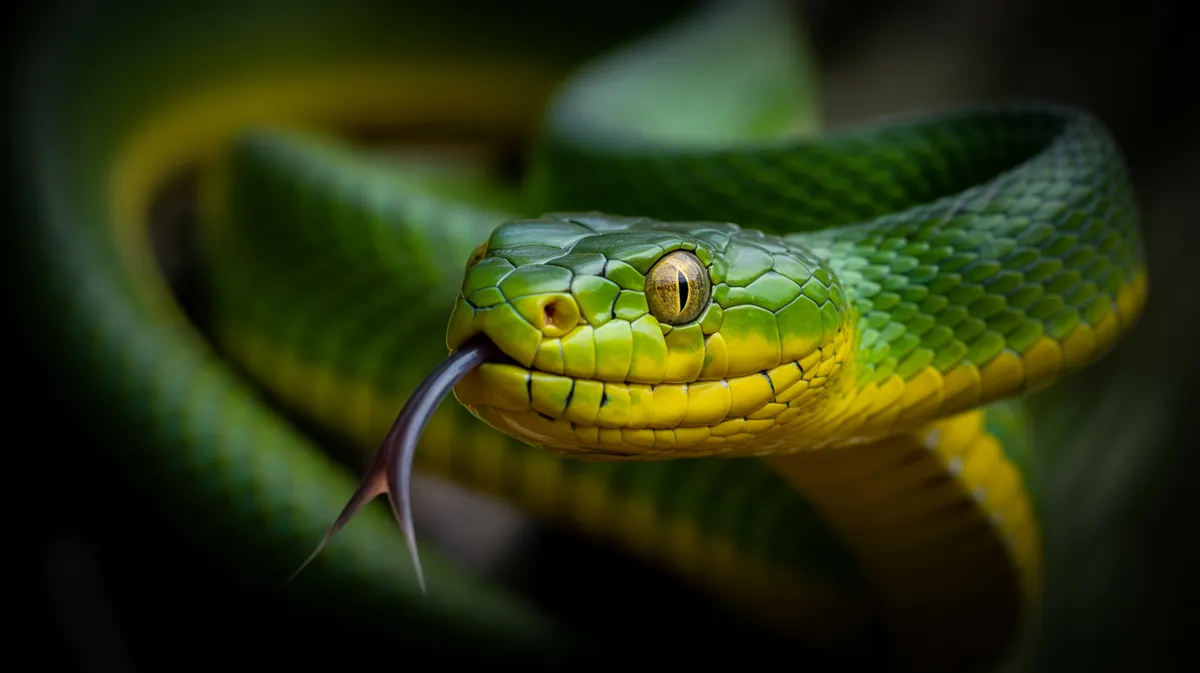
Touch one and you'll find the opposite: snake skin is dry, cool, and smooth, covered in neat overlapping scales. The shine is just light reflecting off those scales, not any kind of slime.
Those scales are made of keratin — the same protein as your fingernails — and they help the snake grip surfaces and lock in moisture. Far from slimy, a snake usually feels cool, dry, and pleasantly like soft leather.
Myth 2: All snakes are venomous
Many people treat every snake as a venomous threat to be killed on sight.
Of roughly 4,000 snake species, only about 600 are venomous, and merely a couple of hundred carry venom dangerous to humans. The vast majority are completely harmless — and most "dangerous" snakes would much rather flee than fight.
Non-venomous species like rat snakes and king snakes are actually allies, devouring the rodents that spread disease and ruin crops. Killing them on sight throws away one of nature's best free pest-control services.
Myth 3: Snakes chase people
Plenty of people swear a snake once "chased" them across a yard or trail.
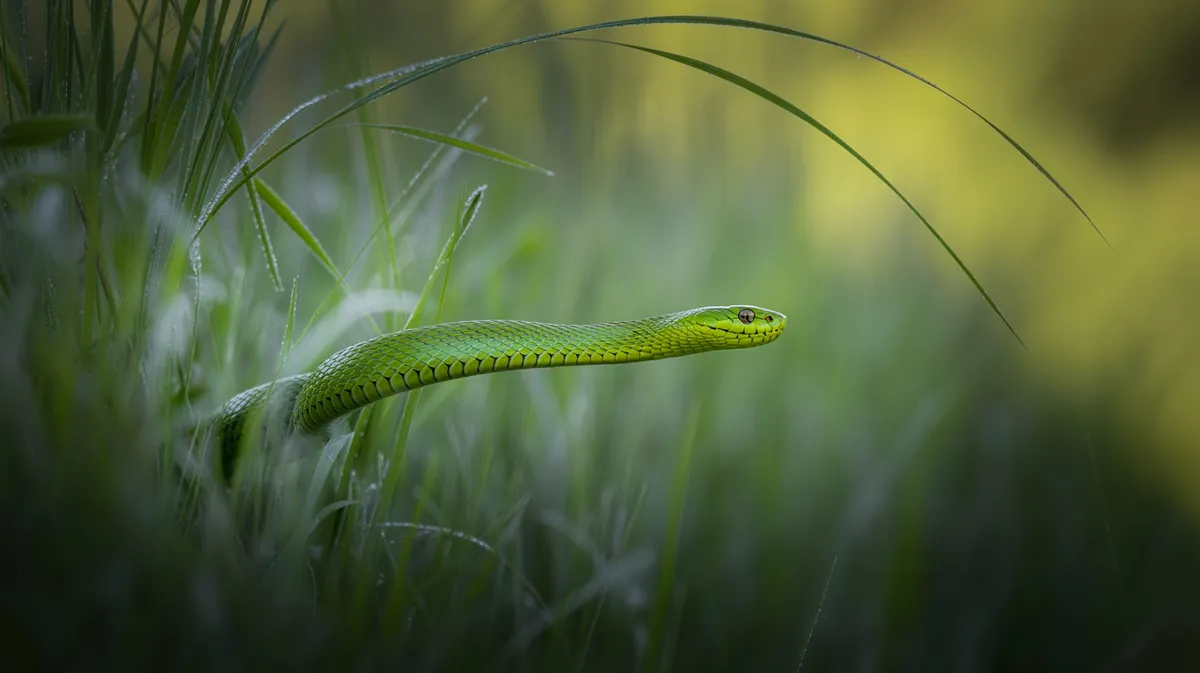
Snakes don't hunt humans — we're far too big to eat and a serious danger to them. What looks like a chase is almost always a frightened snake bolting toward the nearest cover, which sometimes happens to be in your direction. It wants to escape, not attack.
Some snakes, like cottonmouths, may hold their ground and gape as a bluff, which looks aggressive but is pure defence. Give any snake room and it will almost always take the exit.
Myth 4: Baby venomous snakes are more dangerous than adults
A popular claim holds that hatchling vipers are deadlier because they "can't control" how much venom they inject.
Research has largely debunked this. Adult snakes have far more venom to deliver and longer fangs to deliver it with. A bite from any venomous snake deserves medical attention, but the "baby is worse" rule is a myth.
Hatchlings do bite defensively and shouldn't be handled, but the idea that they are deadlier than adults isn't supported by venom research. The safest approach to any snake, large or small, is simply distance.
Myth 5: Snakes dislocate their jaws to swallow prey
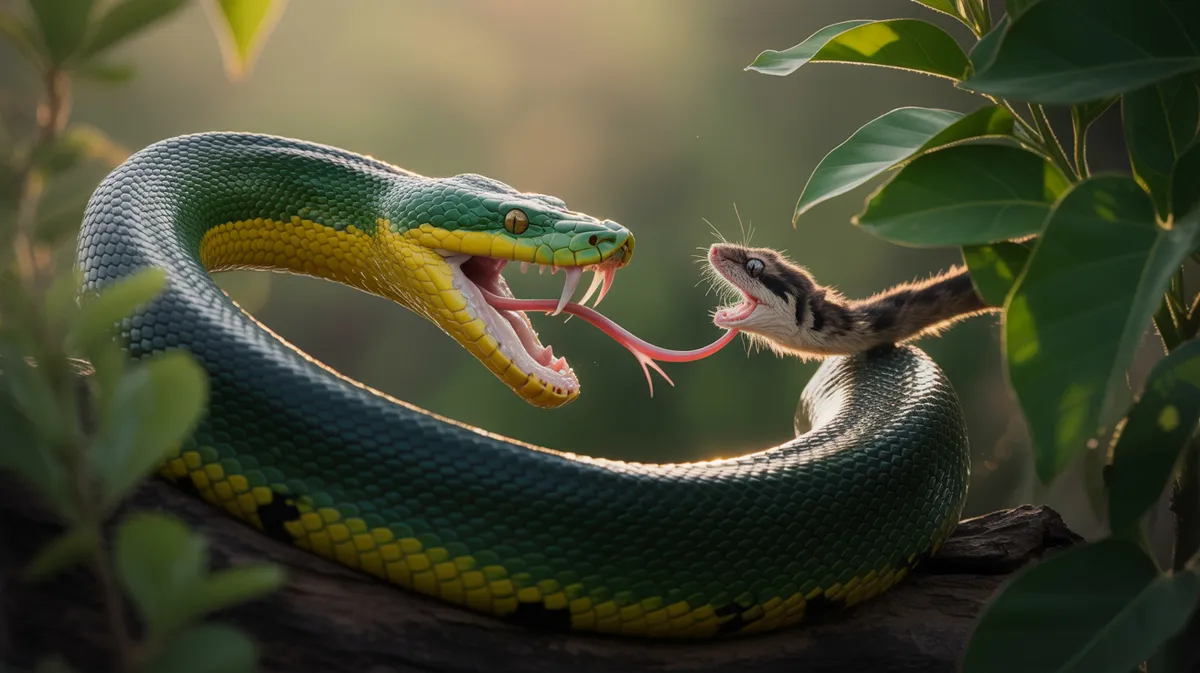
The wide-mouthed gape of a feeding snake looks like its jaw has popped out of its socket.
Nothing dislocates. A snake's lower jaw is in two halves connected by a stretchy ligament, and a special hinge bone lets the mouth open enormously — all by design, without any injury or "unhinging."
The two halves of the lower jaw also move independently, letting the snake "walk" oversized prey down its throat bit by bit. It is an elegant piece of engineering, not a painful dislocation.
Myth 6: You can tell a venomous snake by its triangular head or pupils
Field-guide shortcuts claim venomous snakes have triangular heads and slit pupils, while harmless ones have round heads and round pupils.
It's unreliable. Many harmless snakes flatten their heads into a triangle to bluff predators, and some highly venomous species — like coral snakes — have narrow heads and round pupils. The only safe rule is to leave any unidentified snake alone.
Stress and natural variation make these visual shortcuts genuinely dangerous to rely on, and panicked misidentifications get harmless snakes killed every day. If you can't positively identify a snake, just keep your distance and move on.
Myth 7: Snakes are deaf
Because they have no visible ears, snakes are widely believed to be stone deaf.
They lack external ears, but they have fully functional inner ears and pick up vibrations through the ground and their jawbones. Recent studies show snakes can also detect airborne sound — so they "hear" more than the old myth allows.
This means a snake can sense your footsteps long before it sees you — another reason most vanish before you even arrive. Vibration, rather than airborne sound as we know it, is their main early-warning system.
Three more myths, quickly
"A snake's tongue can sting you" — The forked tongue is a scent collector, not a weapon. It is entirely harmless and cannot sting, bite, or inject anything.
"Snakes hypnotise their prey" — Snakes have no eyelids and cannot blink, so their unwavering stare looks hypnotic. There is no hypnosis — only stillness, then ambush.
"You should cut and suck out venom" — One of the most dangerous myths of all. Cutting, sucking, ice, and tourniquets all cause harm. The only real treatment is getting to hospital fast.
Why we fear snakes so much
A deep, partly instinctive fear of snakes, amplified by myth and media, makes them seem far more menacing than they are. In reality most snakes are shy, non-venomous pest-controllers that would rather never meet you at all.
Frequently asked questions
Are snakes slimy? No — their skin is dry and smooth, covered in scales. The shine is reflected light.
Are most snakes venomous? No. Only about 600 of ~4,000 species are venomous, and only a couple hundred are dangerous to humans.
Can snakes hear? Yes — they lack external ears but detect vibrations and even airborne sound through their inner ears and jawbones.
Next in the series: the eight-armed geniuses of the sea — 7 myths about octopuses, and our feline housemates in 7 myths about cats, debunked.