
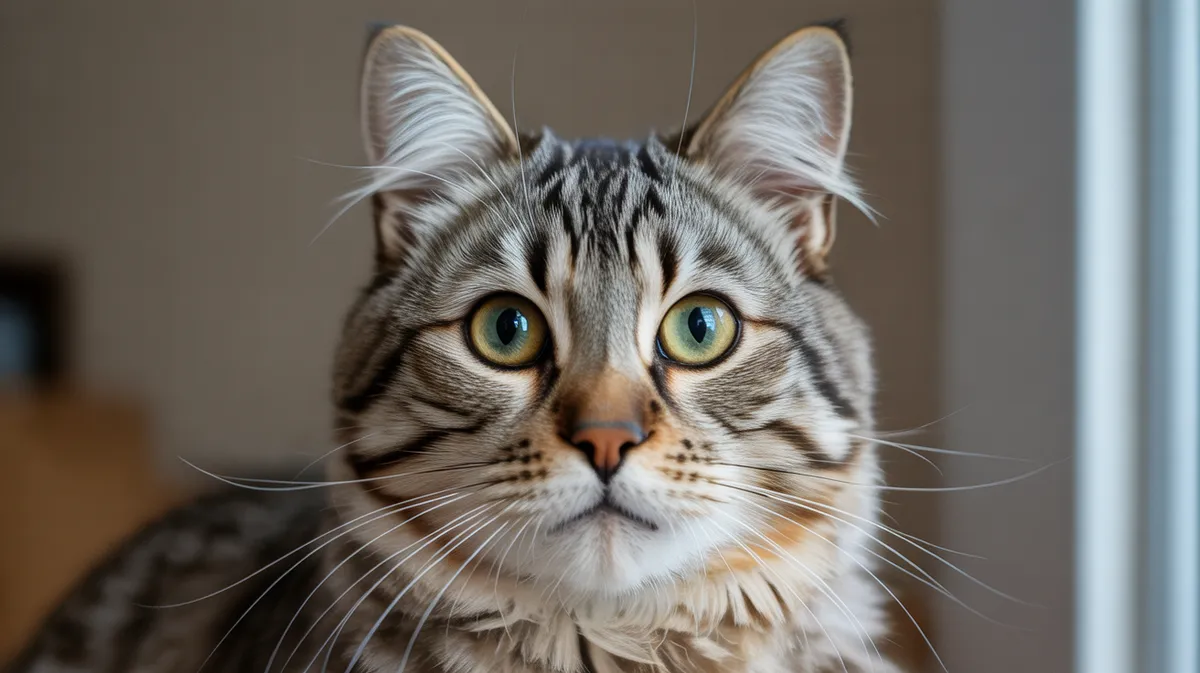
We've lived alongside cats for thousands of years and still get them wrong. They supposedly have nine lives, always land on their feet, see in total darkness, and love a saucer of milk — and not one of those is quite true. This entry in our Animal Myths, Debunked series untangles the facts about our most mysterious companions.
Understanding what's real makes you a better cat owner — and a better cat appreciator. Here are seven feline myths to retire. See also snakes and octopuses in the series.
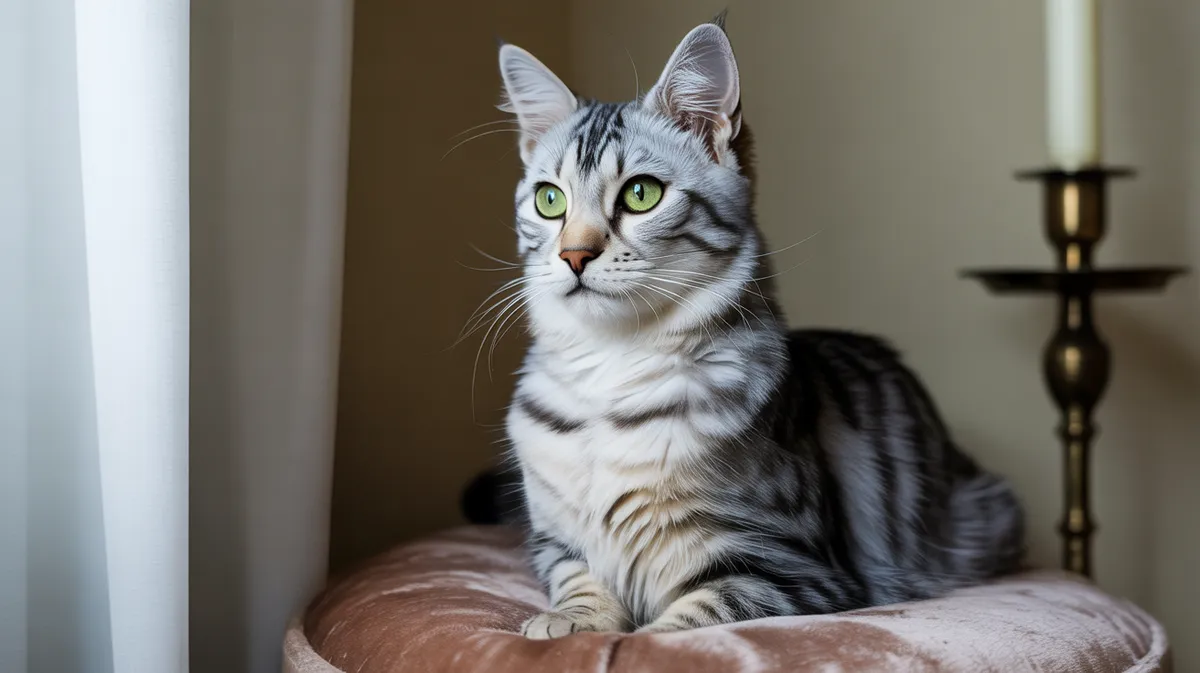
Myth 1: Cats have nine lives
The saying is so old it feels almost factual.
It's pure folklore, born from cats' agility, resilience, and knack for surviving falls and scrapes that would injure other animals. A cat has exactly one life — which is all the more reason to keep it safe.
Different cultures even tell it differently — some say six or seven lives — which is a good hint it's folklore, not fact. The kernel of truth is simply that cats are unusually good at surviving mishaps.
Myth 2: Cats always land on their feet
Cats have a genuine "righting reflex" that lets them twist in mid-air to orient their feet downward.
But "always" is dangerous. They need enough height and time to right themselves, and even then they can be badly hurt — vets see plenty of "high-rise syndrome" injuries from falls. The reflex is real; the guarantee is a myth.
Oddly, cats are sometimes hurt more by low falls than very high ones, because they need a moment to rotate and relax before impact. The righting reflex is remarkable, but it is not a force field.
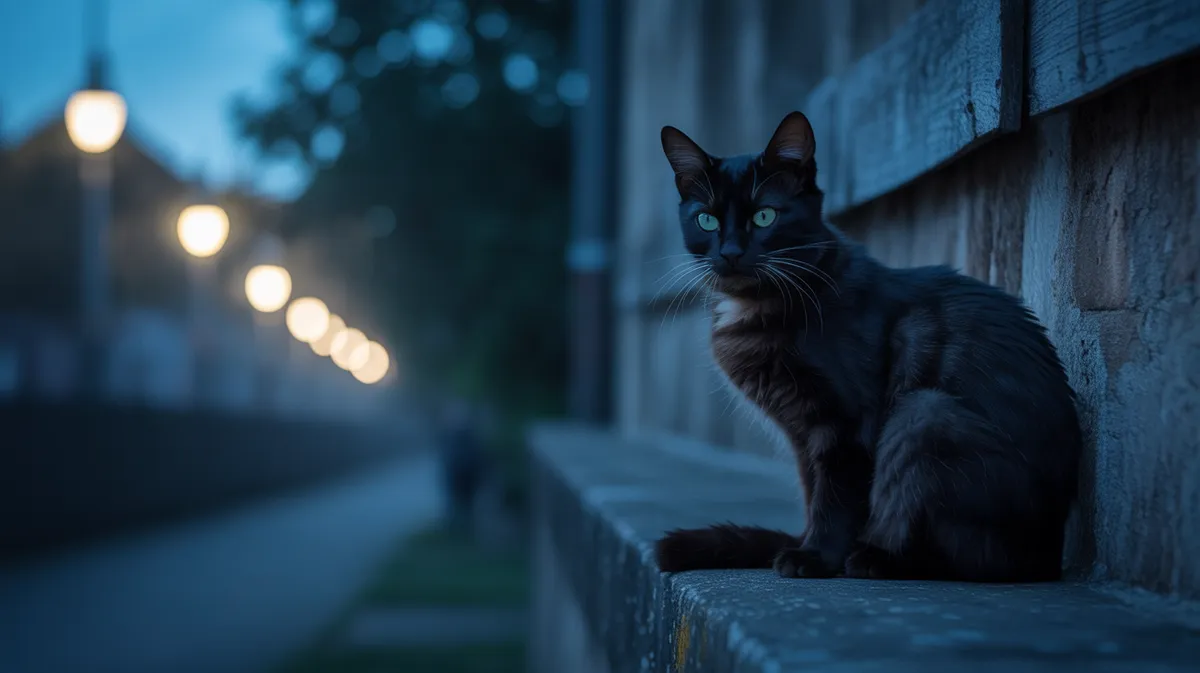
Myth 3: Cats can see in complete darkness
Glowing eyes in the dark make cats seem like they have night vision superpowers.
They see remarkably well in very low light — a reflective layer behind the retina, the tapetum lucidum, doubles the light their eyes catch. But in total darkness, with no light at all, a cat is as blind as we are.
Cats are also a little short-sighted and see fewer colours than we do, trading sharp daylight detail for superb motion-detection in dim light. Their eyes are tuned for hunting at dawn and dusk, not for reading in the dark.
Myth 4: Cats should drink milk
The image of a cat lapping a bowl of milk is a storybook staple.
Most adult cats are actually lactose intolerant. Cow's milk often gives them an upset stomach and diarrhoea — a bowl of fresh water is far better, and milk is an unhealthy treat at best.
Kittens digest their mother's milk fine, but most lose much of that ability as they grow, like many adult mammals. If you want to treat your cat, lactose-free cat milk exists — but plain water is what it truly needs.

Myth 5: A purring cat is always happy
We read purring as the universal sign of a contented cat.
Often it is — but cats also purr to self-soothe when they're stressed, frightened, injured, or even dying. The vibrations may even promote healing. Purring means "I'm seeking calm," which isn't always the same as "I'm happy."
A cat may purr at the vet or while recovering from an injury, using it almost like self-administered comfort. The rest of the body — ears, tail, posture — tells you far more about its mood than the purr alone.
Myth 6: Cats are aloof and don't bond with their owners
Cats have a reputation as cold, independent creatures who merely tolerate us.
Research says otherwise: studies using the same attachment tests given to dogs and infants found that most cats form secure bonds with their owners and feel safer in their presence. They show affection more subtly than dogs — but it's very real.
Cats simply signal trust differently than dogs: a slow blink, a high-held tail, or choosing to sit near you are all feline declarations of affection. Learn the language and the "aloof" cat turns out to be quietly devoted.

Myth 7: Cats are nocturnal
Anyone woken at 3 a.m. by a galloping cat assumes they're night creatures.
Cats are actually crepuscular — most active at dawn and dusk, when their wild ancestors' prey was on the move. They're built to hunt in the half-light, not the dead of night.
This crepuscular rhythm is exactly why your cat may erupt into a "zoomies" sprint at dawn or dusk. Shifting playtime to those windows can save your sleep and satisfy their natural instincts.
Three more myths, quickly
"A wagging tail means a happy cat" — Almost the opposite of a dog. In cats, a thrashing or thumping tail usually signals irritation or agitation — a warning, not a welcome.
"Cats cannot be trained" — They can, and readily. With a clicker and food rewards, cats learn to sit, come when called, high-five, and even walk on a lead.
"Cats hate water" — Many dislike being drenched, but Turkish Vans and Maine Coons often swim happily — and most big cats, tigers included, positively enjoy it.
Why cats stay so misunderstood
Cats are subtle, independent, and ancient companions, so myths have had millennia to accumulate. Learning how they actually work — their senses, their bodies, their quiet affection — only deepens the relationship.
Frequently asked questions
Do cats really have nine lives? No — that's folklore inspired by their agility and resilience. Cats have one life.
Can cats see in complete darkness? No. They see superbly in low light thanks to a reflective eye layer, but need at least some light.
Should cats drink milk? No — most adult cats are lactose intolerant. Fresh water is far better.
Why do cats knead with their paws? It is a comfort behaviour carried over from kittenhood, when kneading stimulated the flow of their mother's milk.
Why do cats bring home dead animals? It may be an attempt to share food, or even to teach you to hunt — treating you as a hopelessly incompetent family member.
How long do cats live? Indoor cats commonly reach 15 years or more, while outdoor cats typically live considerably shorter lives.
Do cats get "whisker fatigue"? Whiskers are highly sensitive, and some cats genuinely dislike deep bowls that press against them while eating.
That's three more myths busted. Revisit wolves, bats, and spiders — and watch for more in the Animal Myths, Debunked series.