
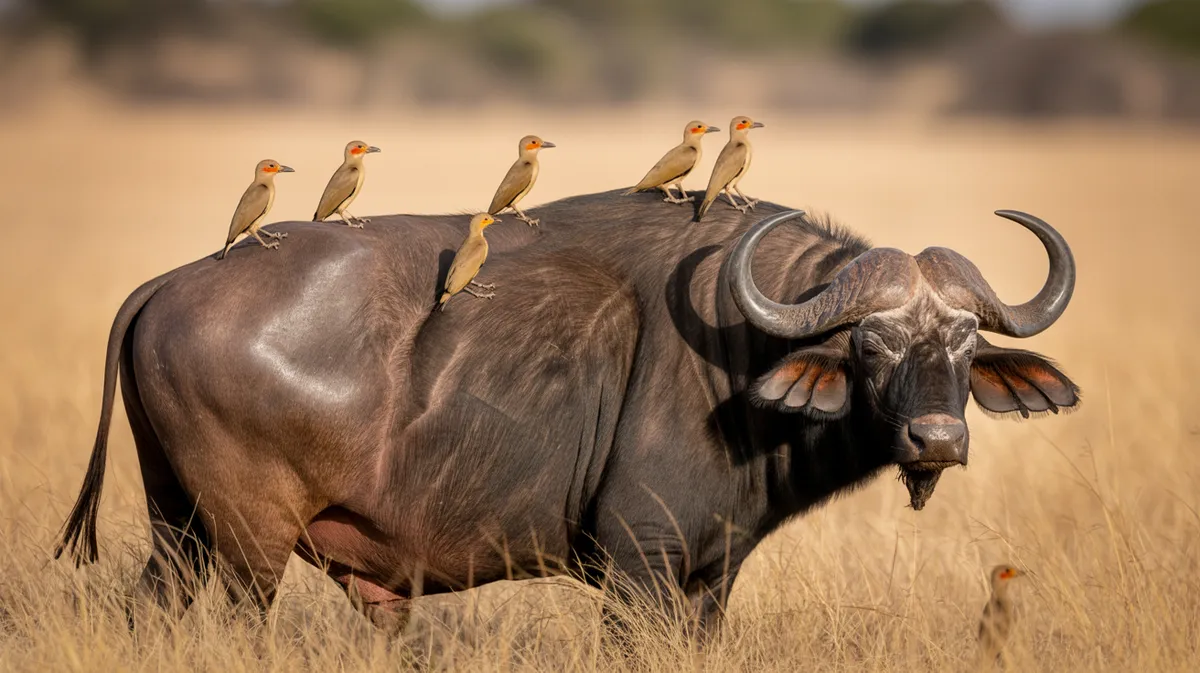
Across the African savanna, you'll often see small brown birds clinging to the backs of buffalo, rhinos, and giraffes, hopping over their hides and picking busily at their skin. These are oxpeckers, and their relationship with the great grazers is one of nature's most famous partnerships — though, as we'll see, it's more complicated than it first appears. In this entry of our Nature's Odd Couples series, we explore the bond between oxpeckers and big game.
It's a friendship with real benefits on both sides and a genuinely dark twist. See also the reef alliance of the clownfish and the sea anemone and the human partnership in the honeyguide that leads people to honey.
The savanna cleanup crew
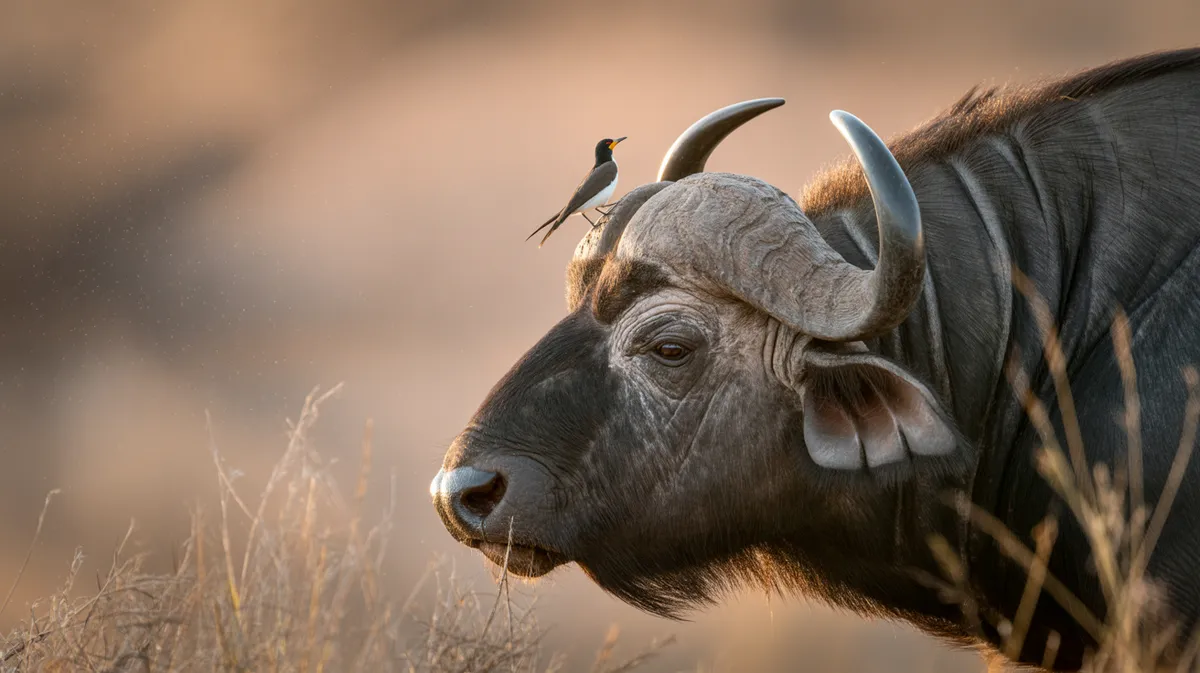
Oxpeckers earn their keep as a living pest-control service. They scour the hides of large mammals for ticks, biting flies, lice, and botfly larvae, devouring parasites by the hundred.
A single buffalo can carry a heavy burden of ticks, and a busy oxpecker may eat thousands of them across a day.
For the host animal, that's a constant, free grooming service reaching the very spots it can never scratch itself.
They favour engorged, blood-filled ticks, which may help explain why their cleaning sometimes shades into something less helpful for the host.
A built-in alarm system
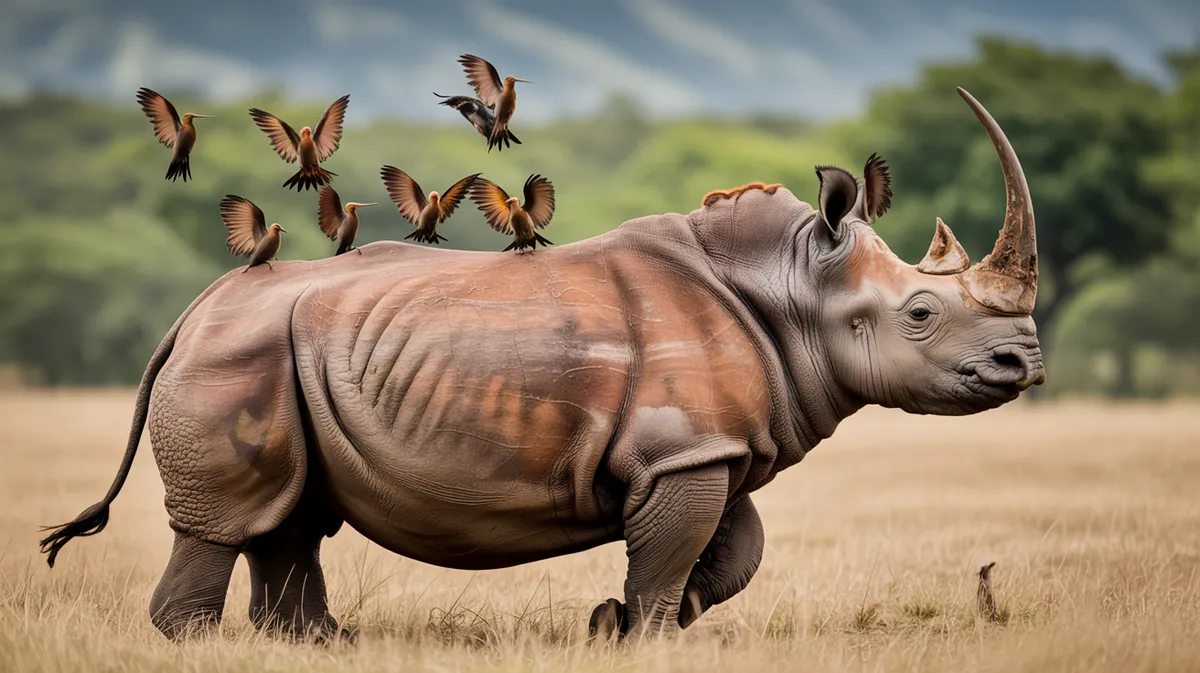
The oxpeckers offer something even more valuable than cleaning: an early-warning system. Perched high on a host's back, they have a superb view of the surroundings.
At the first sign of danger they erupt into a harsh, hissing alarm call and burst into the air, alerting their host to a threat it may not have noticed.
This matters most to the rhino, whose poor eyesight leaves it vulnerable — so much so that the Swahili name for the oxpecker translates roughly as "the rhino's guard."
Experiments comparing rhinos with and without oxpeckers found that those carrying the birds detected approaching people far more reliably — strong evidence the alarm service is real.
What the bird gets
The oxpecker's side of the bargain is a reliable, mobile buffet. Instead of hunting scattered insects across the plains, it simply rides its food source from place to place.
The birds spend almost their whole lives on their hosts, even sleeping, courting, and mating on the animals' backs, and they pluck hair from them to line their nests.
It's hard to imagine an easier living than having your meals walk you around the savanna.
This dependence is so complete that oxpecker numbers rise and fall with the large grazers they ride, and the birds vanish where big game has been wiped out.
The vampire twist
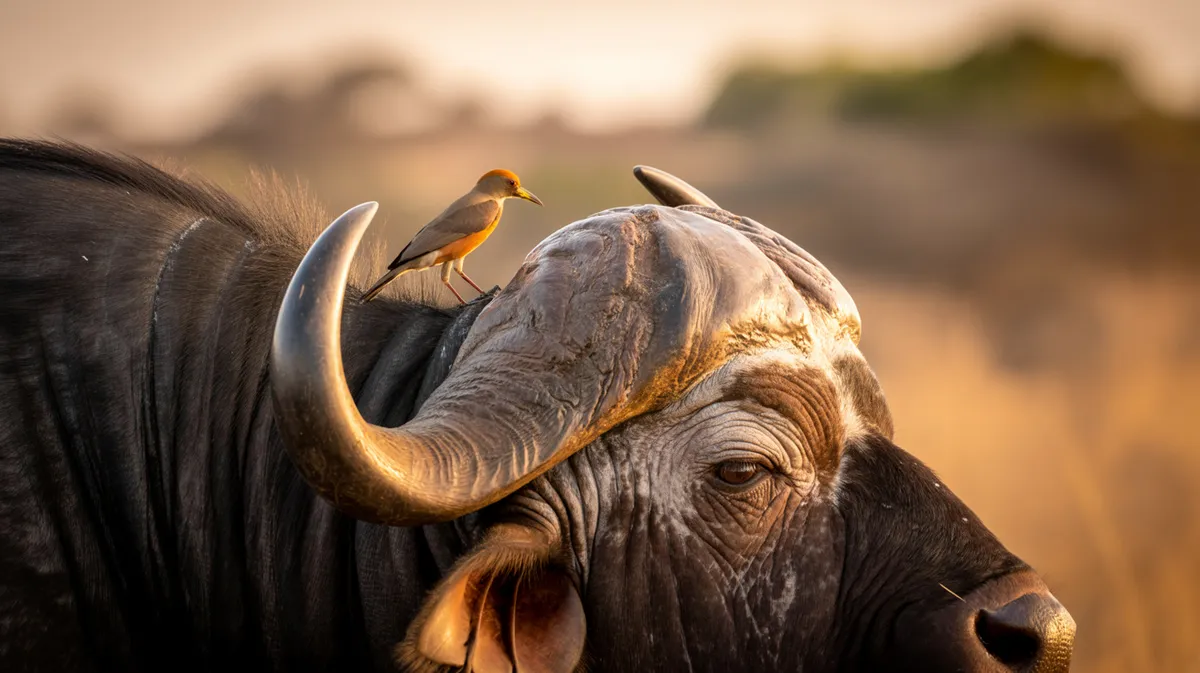
Here's where the friendship gets uncomfortable. Oxpeckers don't only eat parasites — they also feed on blood, and they will keep an existing wound on their host open, drinking from it and even enlarging it.
This means part of the relationship is actually parasitic: a bird that cleans ticks one minute may be sipping its host's blood the next.
Scientists still debate the overall balance, with some studies suggesting oxpeckers do as much harm at wounds as good at removing ticks.
Young, inexperienced birds may be the worst offenders at wounds, while the parasite-cleaning benefit is clearest when a host's tick load is high.
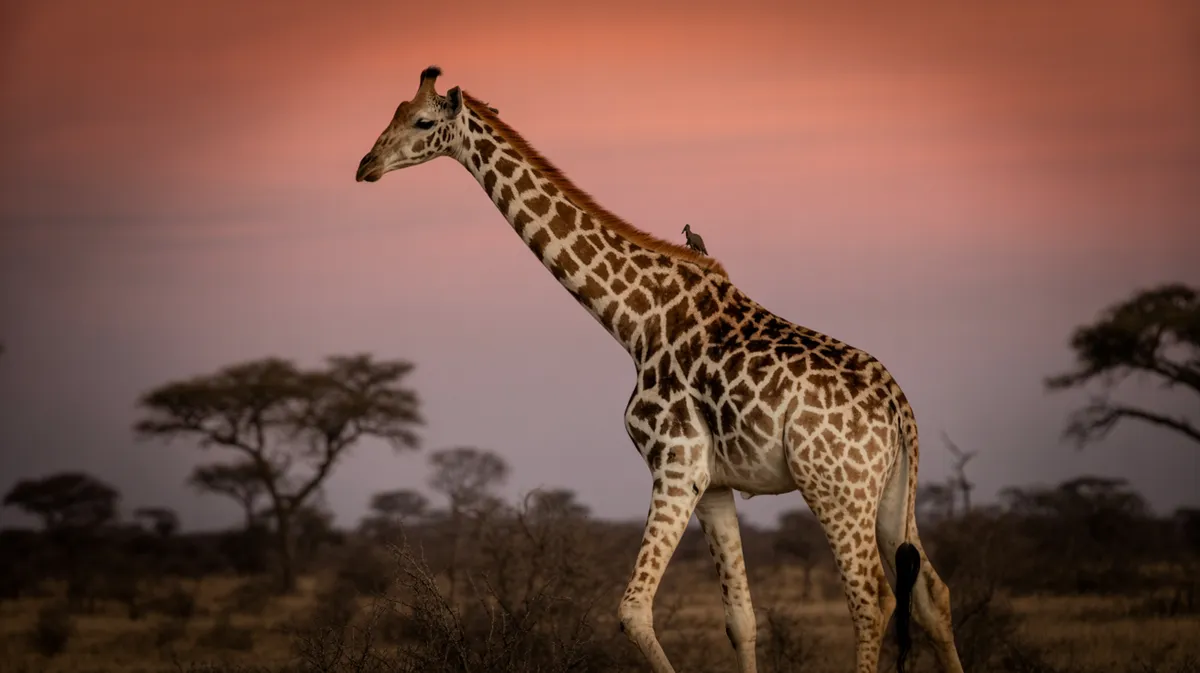
A complicated friendship
The honest answer is that this partnership sits somewhere between mutualism and parasitism, and it probably shifts with circumstances. When parasites are heavy, the cleaning is a clear win; when the bird lingers at a wound, the host pays a price.
Hosts certainly tolerate the birds, and the alarm-call benefit alone may be worth the occasional stolen blood meal.
Like many real relationships, it's a messy mix of give and take rather than a tidy fairy tale.
It's a useful corrective to the tidy textbook picture of mutualism, showing that many real partnerships are constantly renegotiated rather than fixed.
Choosy About Their Hosts
Oxpeckers do not simply land on whatever large animal is nearest. They show clear preferences, favouring buffalo, rhinos, giraffes, and antelope — animals that carry heavy tick loads and tolerate a bird on their back.
They largely avoid elephants, which will not put up with them and simply flick or brush them off. Zebras, too, are less popular hosts than their abundance would suggest.
This selectivity is one reason the birds are so tightly tied to big game. Where large mammals disappear, oxpeckers vanish with them — and in parts of Africa their range has shrunk almost exactly in step with the decline of the animals they ride.
Partners, with an asterisk
Oxpeckers and big game show that nature's partnerships aren't always purely cooperative — they can be tangled, opportunistic, and a little exploitative on both sides. Yet across the savanna the two go on living together, a reminder that in the wild, "getting along" can be a complicated, negotiated thing.
Frequently asked questions
What do oxpeckers eat off their hosts? Ticks, flies, lice, and botfly larvae — but also their host's blood, including from open wounds.
How do oxpeckers help big animals? They remove parasites and act as an alarm system, especially for poor-sighted rhinos.
Is the oxpecker relationship truly mutual? It's mixed — partly helpful cleaning, partly parasitic blood-feeding, so it sits between mutualism and parasitism.
Do oxpeckers really help rhinos? Yes — studies found rhinos carrying oxpeckers detected approaching humans far more reliably.
How many oxpecker species are there? Two: the red-billed and the yellow-billed oxpecker.
Do the birds harm their hosts? They can. They feed on blood and will keep existing wounds open, so the relationship is not purely beneficial.
What do oxpeckers eat besides ticks? Flies, lice, botfly larvae, dead skin, earwax — and, less helpfully, their host's blood.
Do oxpeckers sleep on their hosts? Often. They spend almost their entire lives on the animals they ride.
Do any animals refuse them? Elephants generally will not tolerate oxpeckers and simply brush them off.
Are oxpeckers declining? Their range has shrunk in step with the decline of the large mammals they depend on.
Continue with the honeyguide that leads people to honey, or revisit the clownfish and the sea anemone.