
Some animals measure their lives not in years but in centuries — and a few may not have a natural lifespan at all. After clocking the fastest animals on Earth, this second entry in our Nature's Record-Breakers series slows everything down to look at the planet's great survivors: the creatures that outlast empires, and in one case appear to sidestep death entirely.
A note on counting, because ageing a wild animal is genuinely hard. Scientists read growth rings in shells and ear bones, measure radiocarbon and racemised amino acids locked into eye lenses at birth, and occasionally get lucky with a tagged individual followed for decades. The numbers below are the best current estimates, and we've flagged where the science is still arguing with itself.
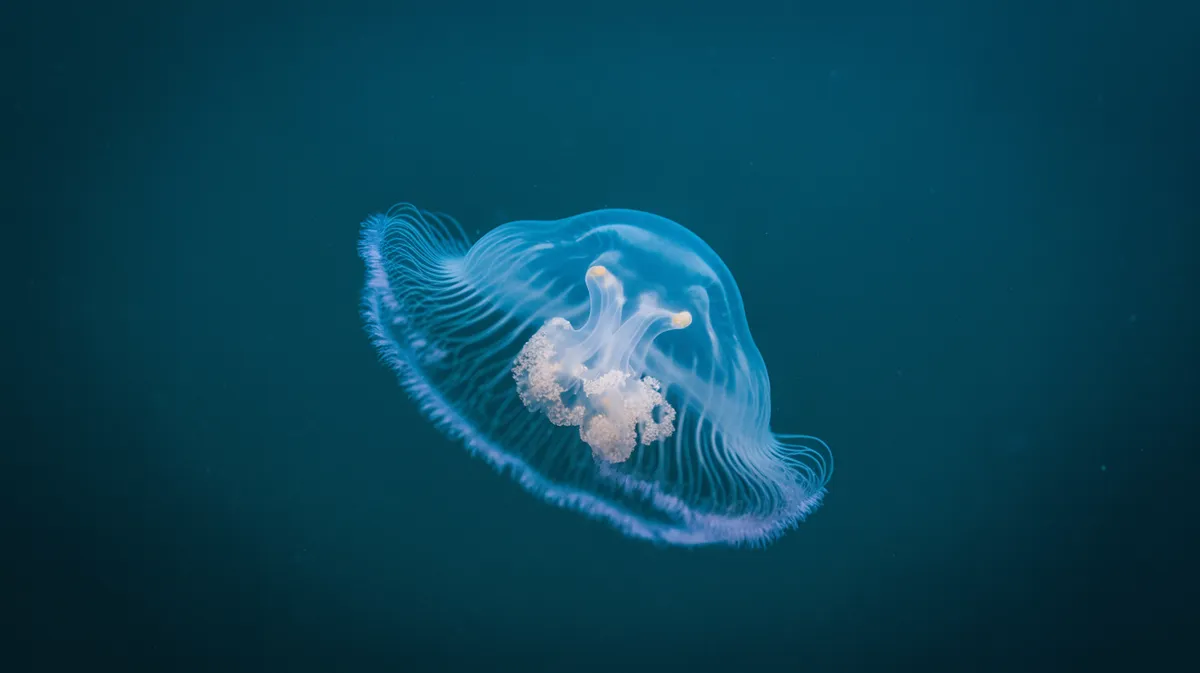
1. Immortal Jellyfish (Turritopsis dohrnii) — biologically immortal
Top of any longevity list belongs to an animal that may never have to die. When stressed, injured, or starving, Turritopsis dohrnii can reverse its life cycle, reverting from a sexually mature medusa back into an immature polyp and starting over — a cellular trick called transdifferentiation, where its cells re-specialise into entirely new types.
In principle it can repeat this loop indefinitely, dodging old age forever. In practice the vast majority are eaten by predators or killed by disease long before that matters. But the biological ceiling on its age appears to be, simply, none — which is why a creature the size of a fingernail tops a list of giants.
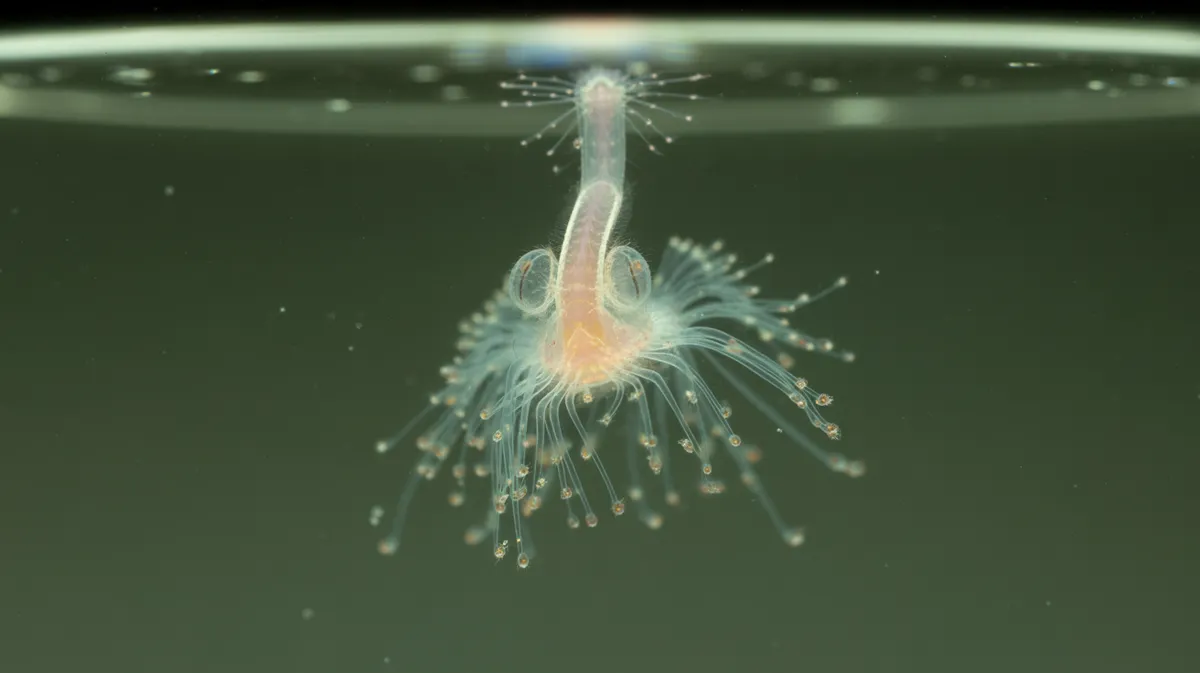
2. Hydra — potentially ageless
This tiny freshwater relative of jellyfish is built almost entirely from stem cells that divide and renew constantly, replacing its body many times over. Long-running lab studies have found no measurable increase in death rate as hydra age — the textbook upward curve of senescence simply never appears. Left undisturbed in clean water, a hydra may not grow "old" in any meaningful biological sense.
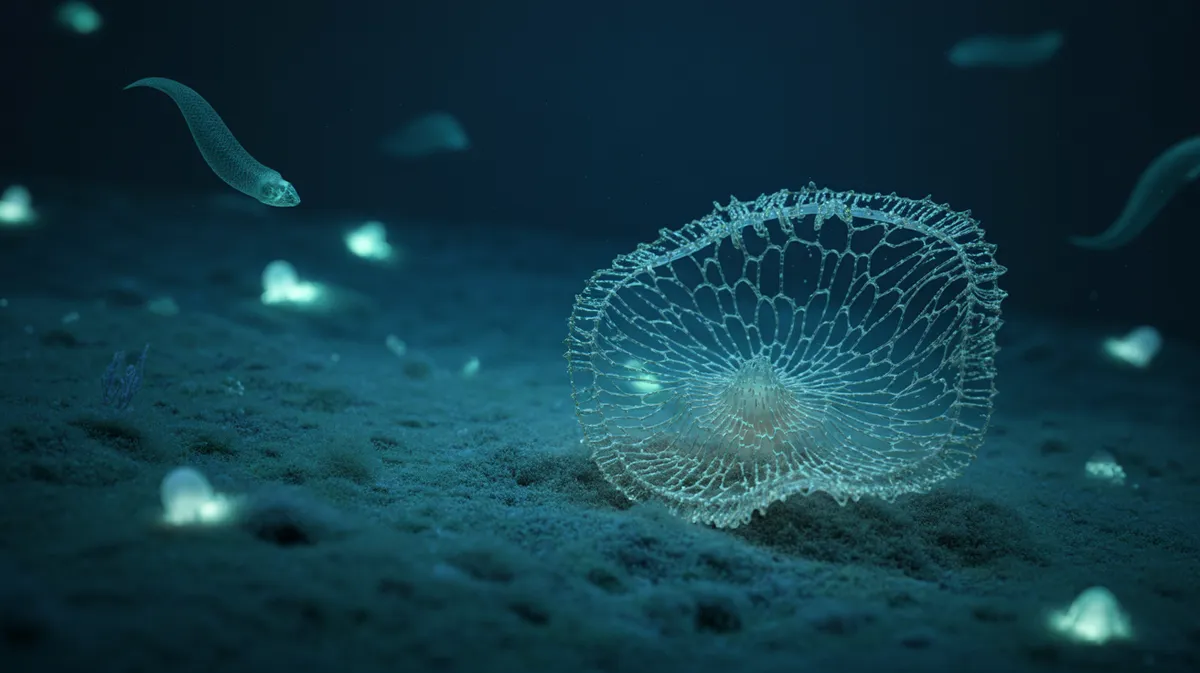
3. Glass Sponge — an estimated 10,000+ years
Some deep-sea glass sponges may be the oldest living animals on Earth. Growing at an almost imperceptible rate in cold, stable, undisturbed water, certain Antarctic and East China Sea specimens have been estimated at many thousands of years old. The error bars are large and the methods indirect, but even the most conservative estimates dwarf every animal with a backbone.
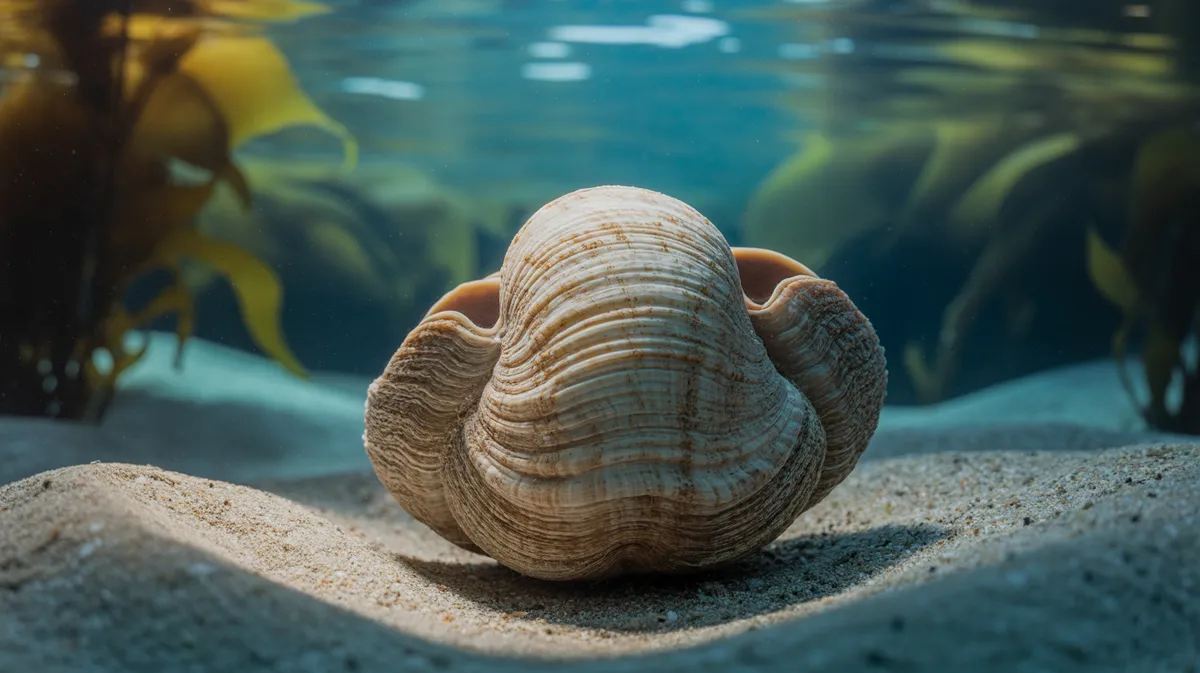
4. Ocean Quahog Clam — 500+ years
In 2006 researchers dredged up a quahog clam off the coast of Iceland, counted the fine growth rings banded across its shell, and realised it had been alive for around 507 years — born while the Ming dynasty ruled China, which earned it the nickname "Ming." Ironically, scientists killed it by opening it to count its age. It remains the longest-lived non-colonial animal whose age we can pin down to the year.
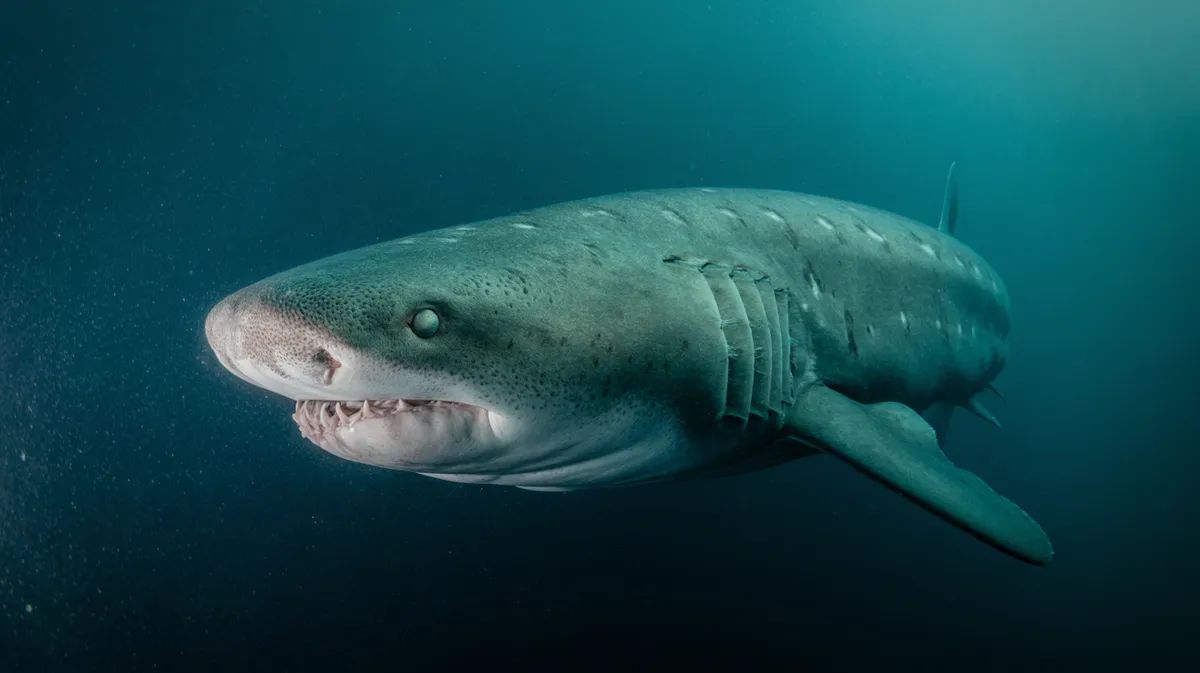
5. Greenland Shark — 250 to 500 years
The longest-lived vertebrate known to science. Greenland sharks grow about a centimetre a year in frigid, deep Arctic water, and radiocarbon dating of proteins in their eye lenses suggests lifespans of at least 272 years and possibly close to 500. A large individual cruising the depths today may have been born before Isaac Newton was. Remarkably, they don't even reach sexual maturity until around 150 years old.
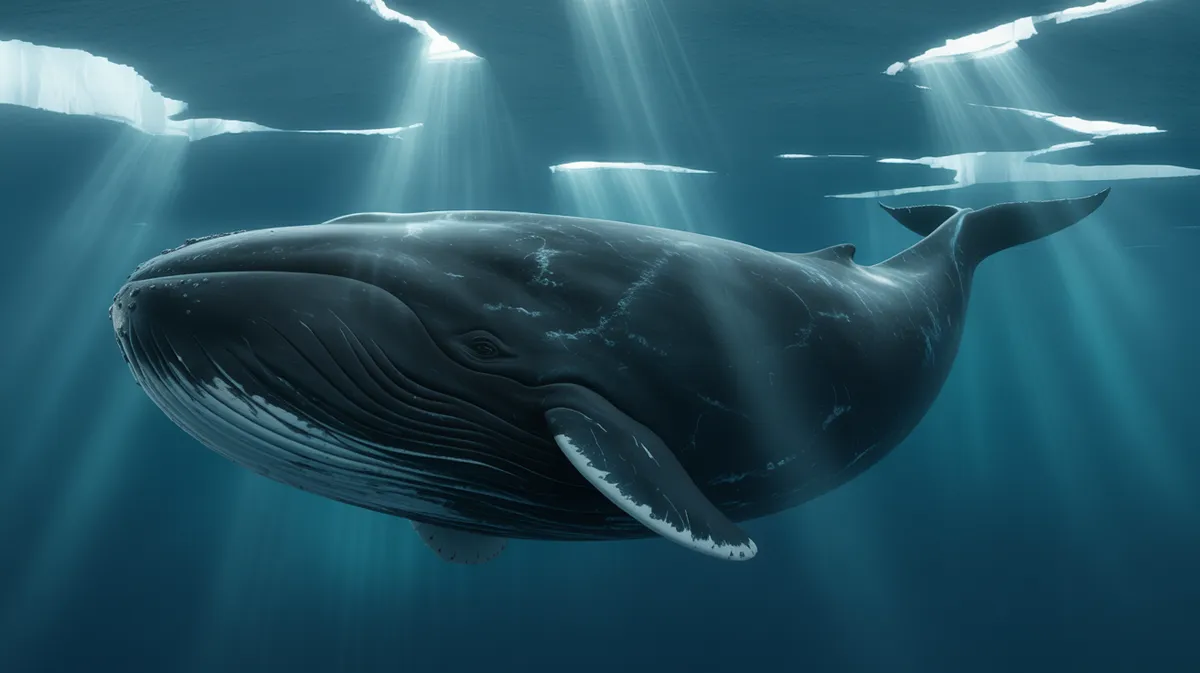
6. Bowhead Whale — 200+ years
The longest-lived mammal. Stone and ivory harpoon tips manufactured in the 1800s have been recovered from living bowheads, and racemisation dating of their eye tissue points to ages beyond 200 years. Their genome carries unusual DNA-repair and anti-cancer adaptations that researchers are actively mining for clues about why large, long-lived animals so rarely get cancer.
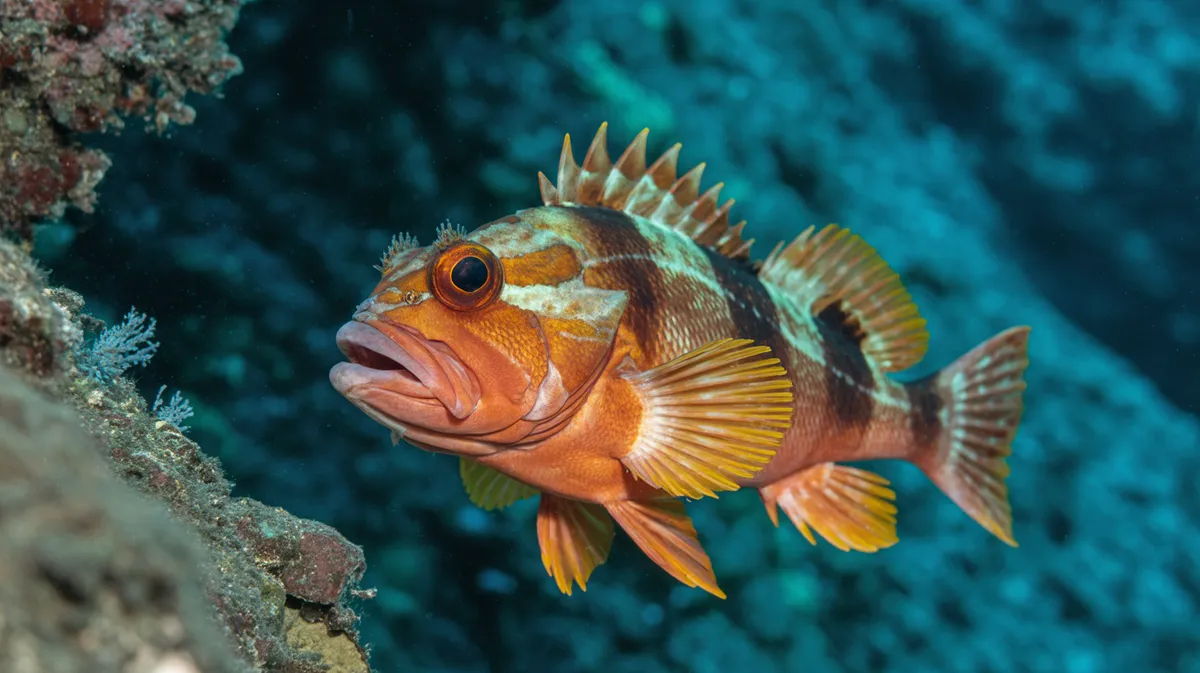
7. Rougheye Rockfish — ~205 years
This unassuming deep-water fish of the North Pacific can live more than two centuries. Like many cold-water, slow-growing species, it plays the long game — late to mature, slow to age, and tragically easy to overfish precisely because it replaces itself so unhurriedly. Pull too many old fish from a population and it can take generations to recover.
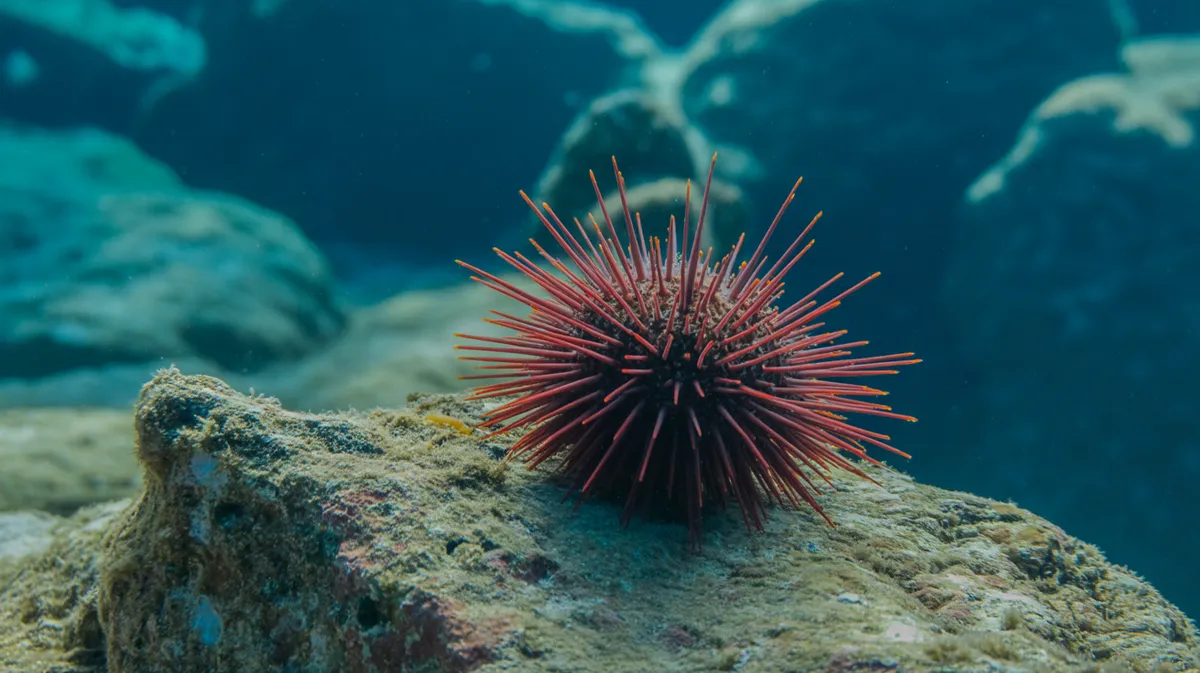
8. Red Sea Urchin — ~200 years
For decades the red sea urchin was assumed to be short-lived. Then careful radiocarbon and tagging studies revealed that large individuals can be 100 to 200 years old while showing almost no signs of ageing — old urchins reproduce about as vigorously as young ones. They've become a favourite model for studying "negligible senescence," the holy grail of ageing research.
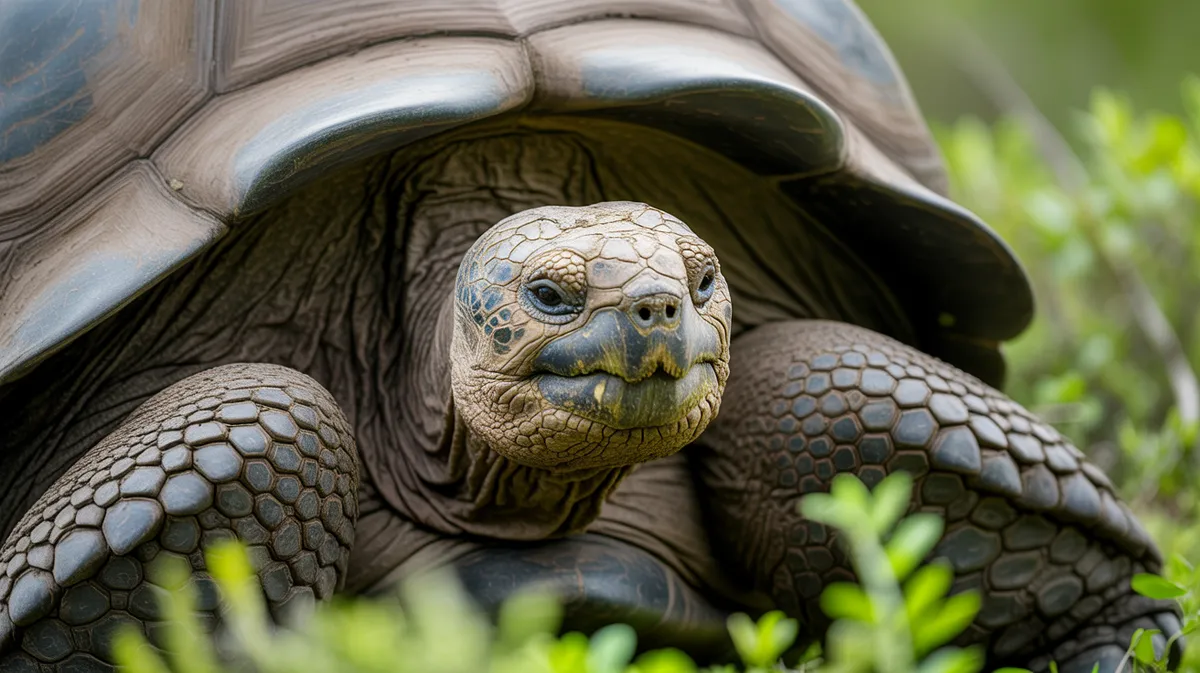
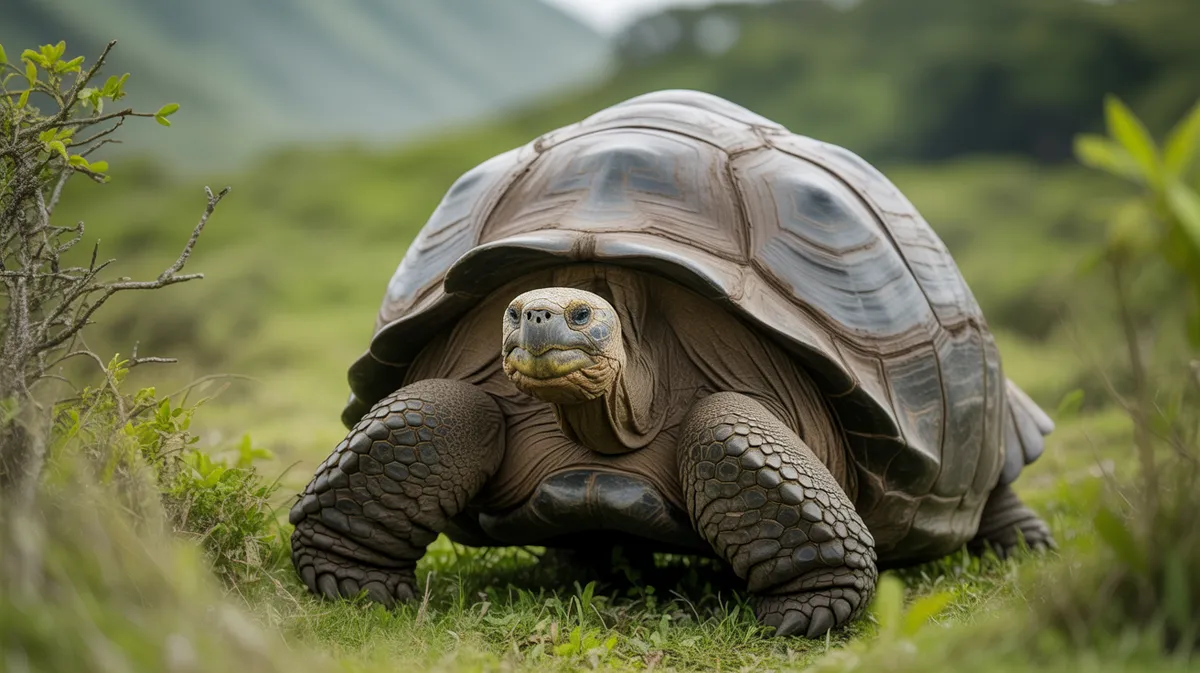
9. Galápagos Giant Tortoise — 150 to 190 years
The longest-lived land animal most people can actually name. Galápagos giant tortoises routinely pass 150 years, and the famous Harriet — long claimed to have been collected in Darwin's era — is thought to have reached around 175. A glacially slow metabolism, an unhurried heart, and a body that simply refuses to rush is longevity's oldest and most reliable recipe.
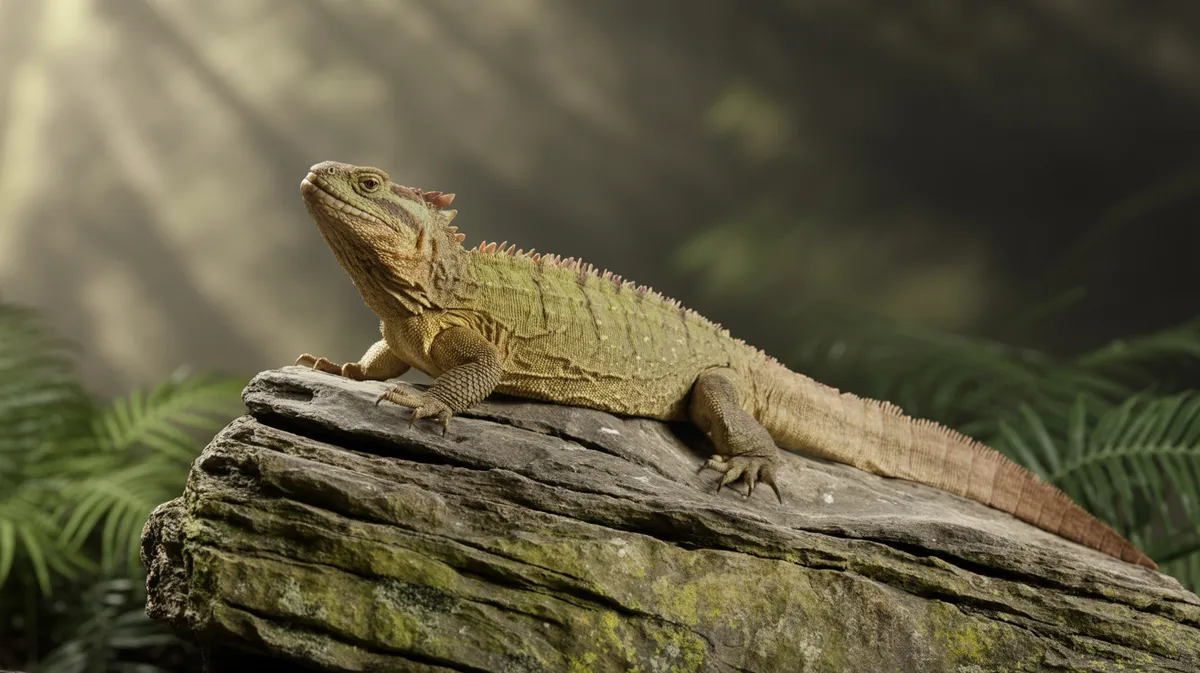
10. Tuatara — 100 to 130+ years
New Zealand's tuatara isn't a lizard but the last survivor of an entire reptile order older than the dinosaurs. It does everything in slow motion, including ageing — wild individuals over 100 are documented, and one famous captive male named Henry fathered offspring well past his hundredth birthday. The tuatara is a record-breaker twice over: for evolutionary antiquity and personal longevity.
What the survivors have in common
Look down the list and a clear pattern emerges: cold water, slow metabolism, deliberate growth, late maturity, and — in the most extreme cases — bodies rebuilt continually from stem cells. Speed and longevity turn out to be almost opposite life strategies. The cheetah burns bright and brief; the Greenland shark idles in the dark for half a millennium.
Frequently asked questions
What is the longest-living animal on Earth? If you count colonial and clonal animals, glass sponges may reach 10,000+ years. Among animals we can age precisely, the 507-year-old "Ming" clam holds the record, and the immortal jellyfish has no known maximum at all.
What is the longest-living vertebrate? The Greenland shark, estimated at 250–500 years.
What is the longest-living mammal? The bowhead whale, which can exceed 200 years.
Can any animal really live forever? The immortal jellyfish and hydra show no biological ageing, so in theory they could — but predators and disease almost always kill them first.
Speed and age are two ways to top the charts. There's a third — raw power. To finish the series, see who can move the most relative to their own size in the 11 strongest animals on Earth, pound for pound, and revisit the sprinters in the 12 fastest animals.