
Ask "what's the strongest animal on Earth?" and you'll get two completely different answers depending on whether you mean raw power or strength relative to body size. An elephant can move more weight than anything else alive. But a beetle the size of your thumbnail can shift more than a thousand times its own mass — something no elephant could ever dream of. This final entry in our Nature's Record-Breakers series settles the "pound for pound" question once and for all.
If you've followed along, you've met the fastest animals on Earth and the longest-living. Strength is the last superlative — and it's the one where the smallest animals humiliate the giants.
The reason insects dominate is pure physics. As an animal shrinks, the cross-section of its muscle (which sets strength) decreases more slowly than its volume (which sets weight). Halve an animal's size and it becomes proportionally far stronger. This square-cube law is why ants are titans and elephants, for their size, are relative weaklings — and it's the single most important idea on this list.
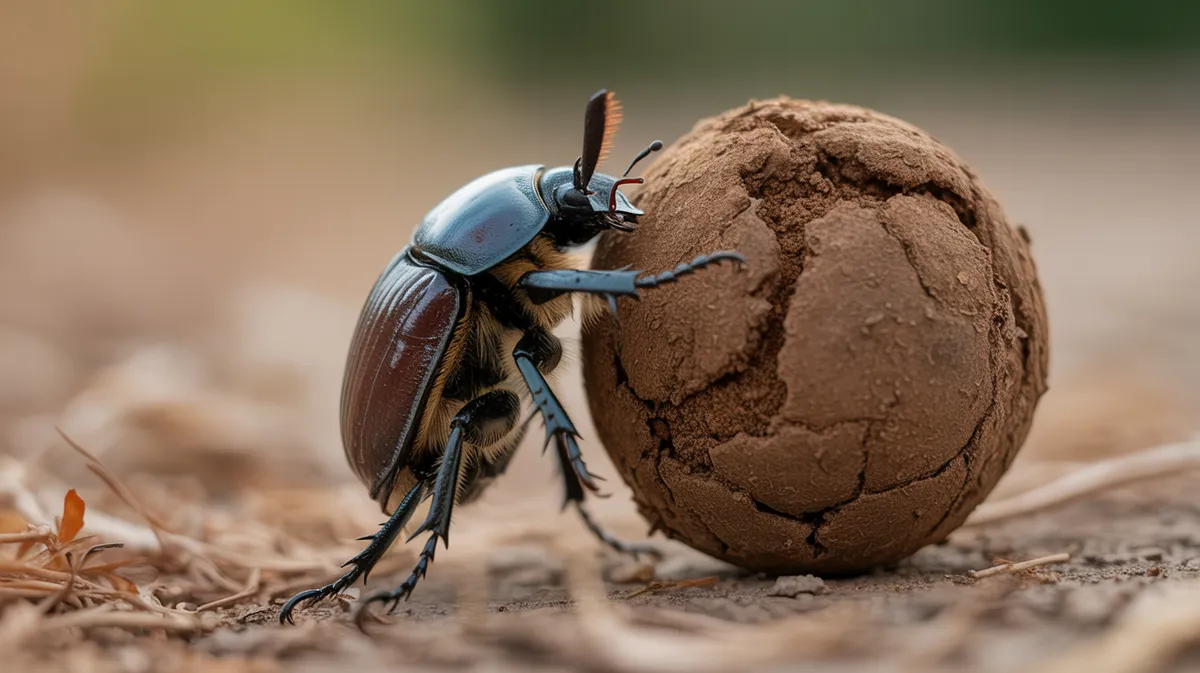
1. Dung Beetle — pulls 1,141× its body weight
The undisputed pound-for-pound champion. In a 2010 study a male Onthophagus taurus dung beetle was measured pulling 1,141 times its own body weight — the rough equivalent of an average person dragging six fully loaded double-decker buses across a car park. The strength is driven by raw competition: males use it to win and hold the underground tunnels where females wait, so the strongest pullers leave the most offspring.
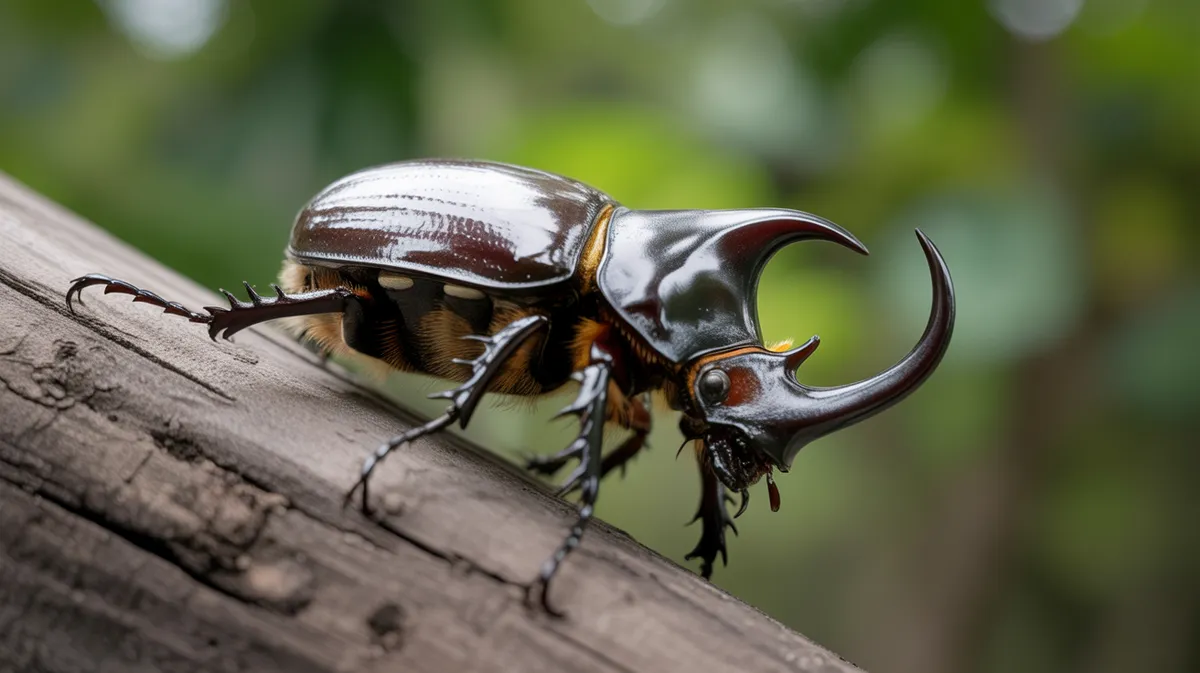
2. Rhinoceros Beetle — lifts ~850× its body weight
Rhinoceros beetles can carry around 850 times their own weight on their backs. Scaled up to human size, that's like strolling around with a couple of fully grown elephants balanced overhead. Their oversized horns, used to lever and wrestle rival males off branches, are part of the same heavy-duty, over-engineered body plan.
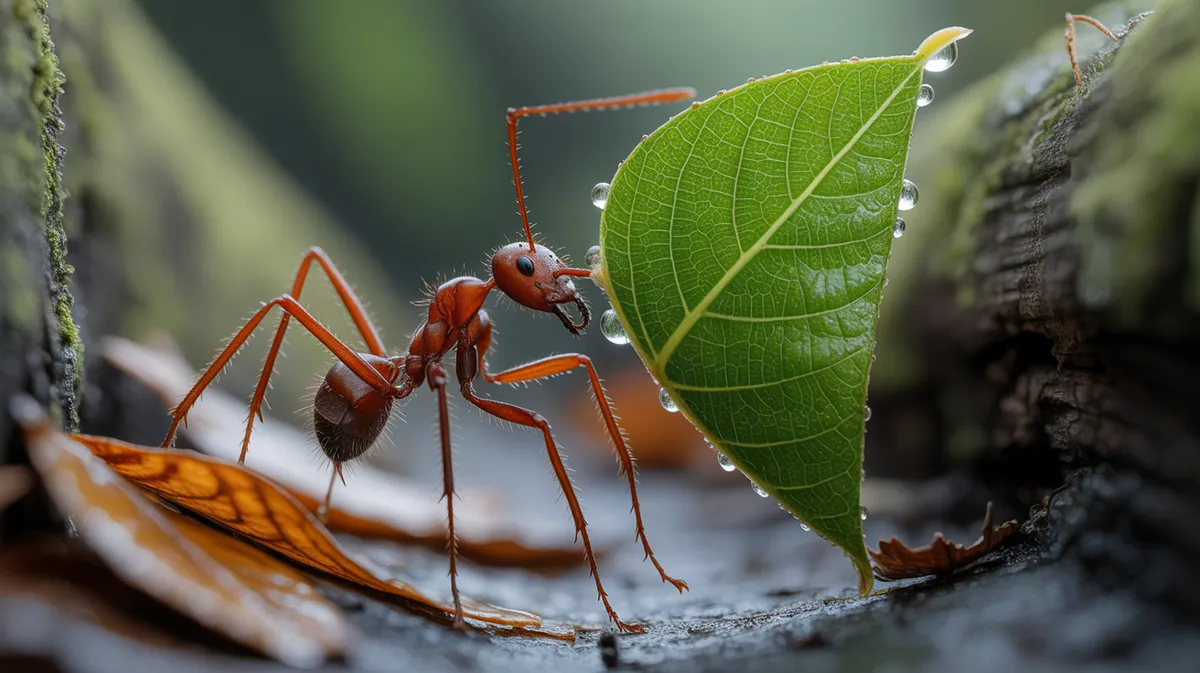
3. Leafcutter Ant — carries ~50× its body weight
You've probably watched leafcutters carry green sails of foliage down a forest trail. Each worker hauls around 50 times its body weight in its jaws — often at a run, and sometimes with a smaller "hitchhiker" ant riding the leaf to fend off parasitic flies. A single colony can defoliate a tree overnight, every fragment carried home by mandible.
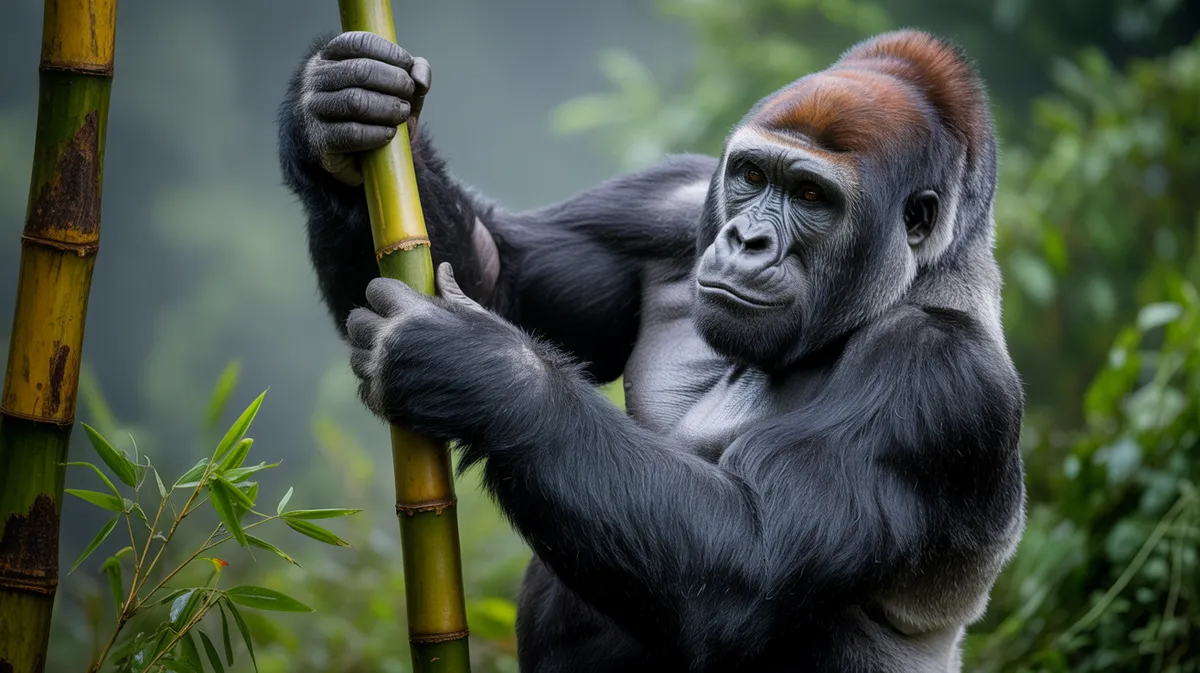
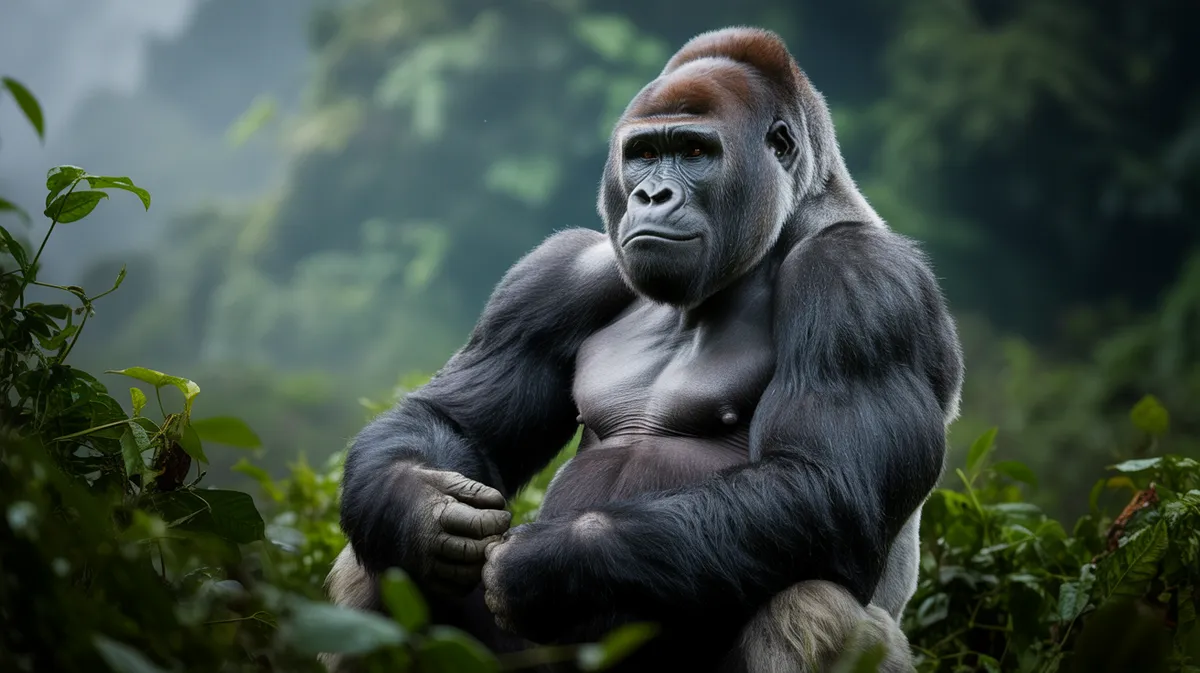
4. Gorilla — lifts up to ~10× its body weight (~815 kg)
The strongest primate, and the strongest animal here you could look in the eye. A silverback can lift roughly ten times its body weight — by some estimates close to 815 kg — and snaps thick bamboo and bends branches like dry twigs. Among animals built on our kind of skeleton, with our kind of muscle, nothing is remotely in its league.
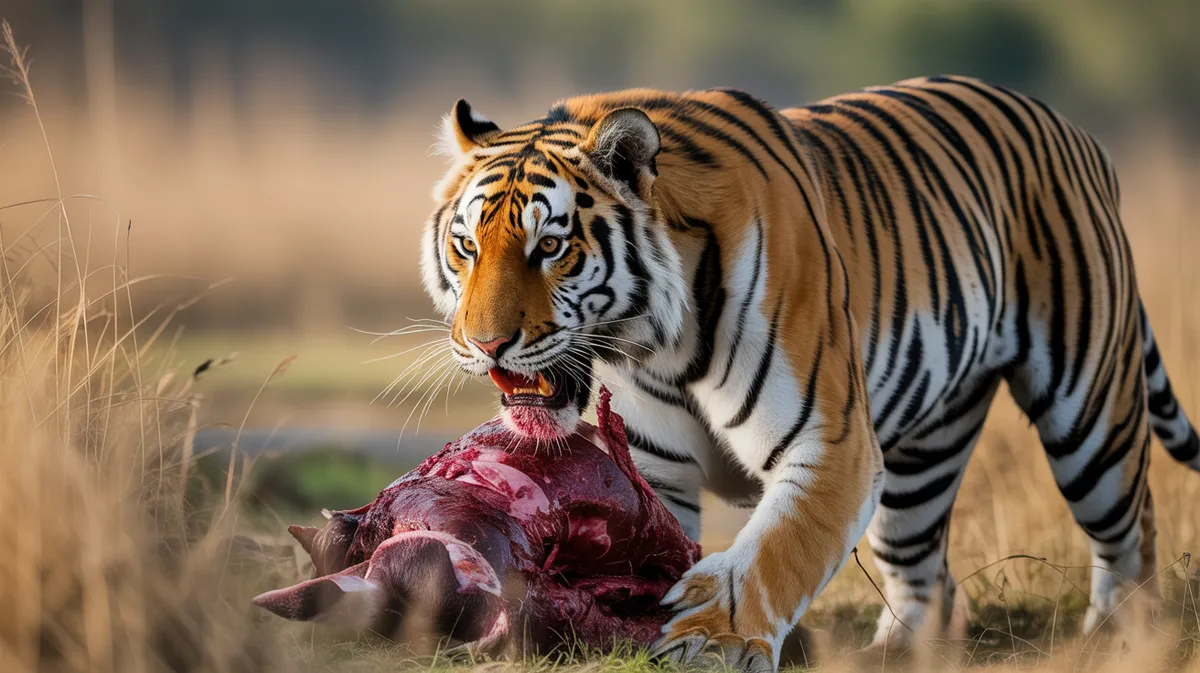
5. Tiger — drags prey heavier than itself
A tiger can carry a kill twice its own body weight in its jaws, and has been recorded dragging carcasses that a dozen grown adults together struggled to shift. More impressively, it can haul that load up a tree to keep it from scavengers. Pound for pound it's the strongest of the big cats, combining the muscle with the technique to use it.
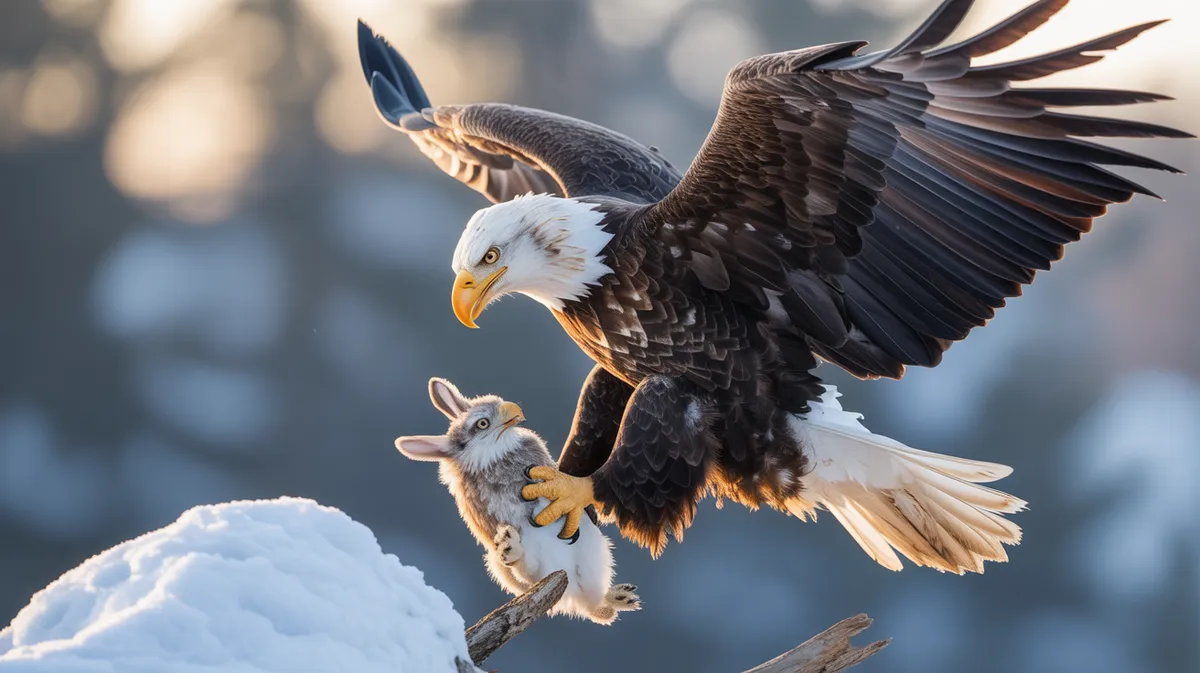
6. Eagle — lifts up to ~4× its body weight in flight
Lifting heavy things on the ground is one challenge; doing it while airborne is another entirely. Large eagles can take off carrying up to about four times their own body weight, which is how they fly off with foxes, goats, and young deer. It's a feat of strength and aerodynamics performed simultaneously — the talons clamp while the wings somehow still generate lift.
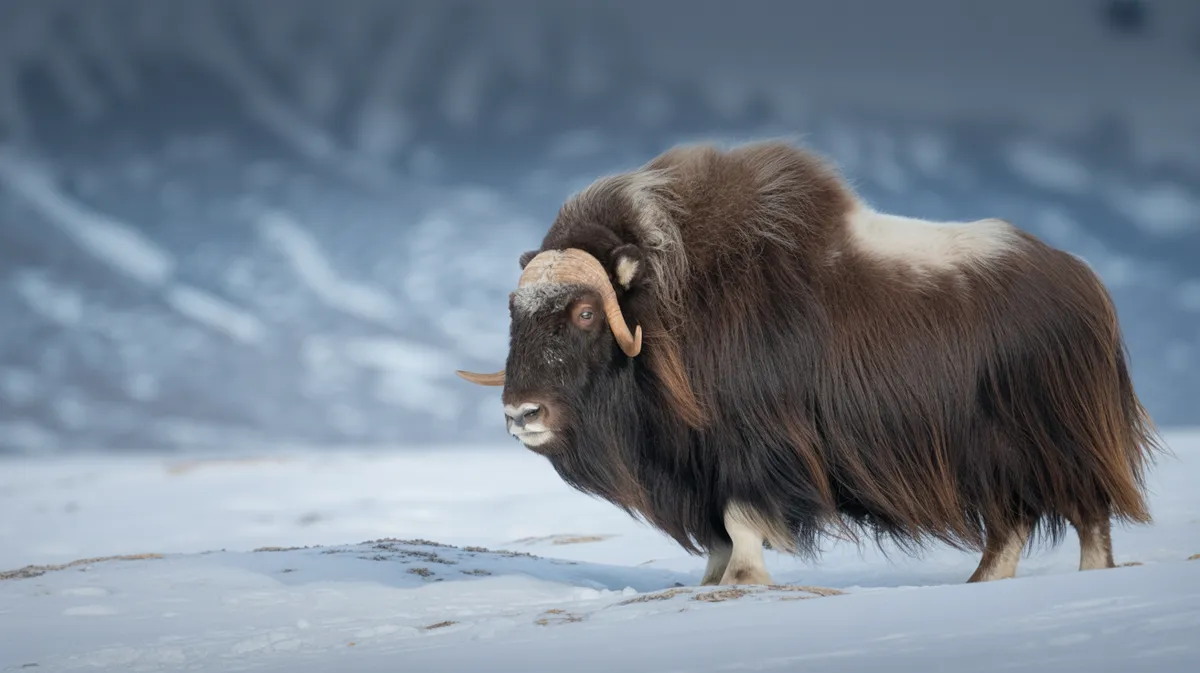
7. Musk Ox — bulldozes through snow and rivals
A musk ox uses an armoured skull and a metabolism tuned for the High Arctic to charge rivals at speed and shove through deep, packed snow to reach the plants beneath. The combination of half a tonne of mass and tremendous neck and shoulder strength makes its head-on collisions — which it survives routinely during the rut — genuinely dangerous to predators many times more agile.
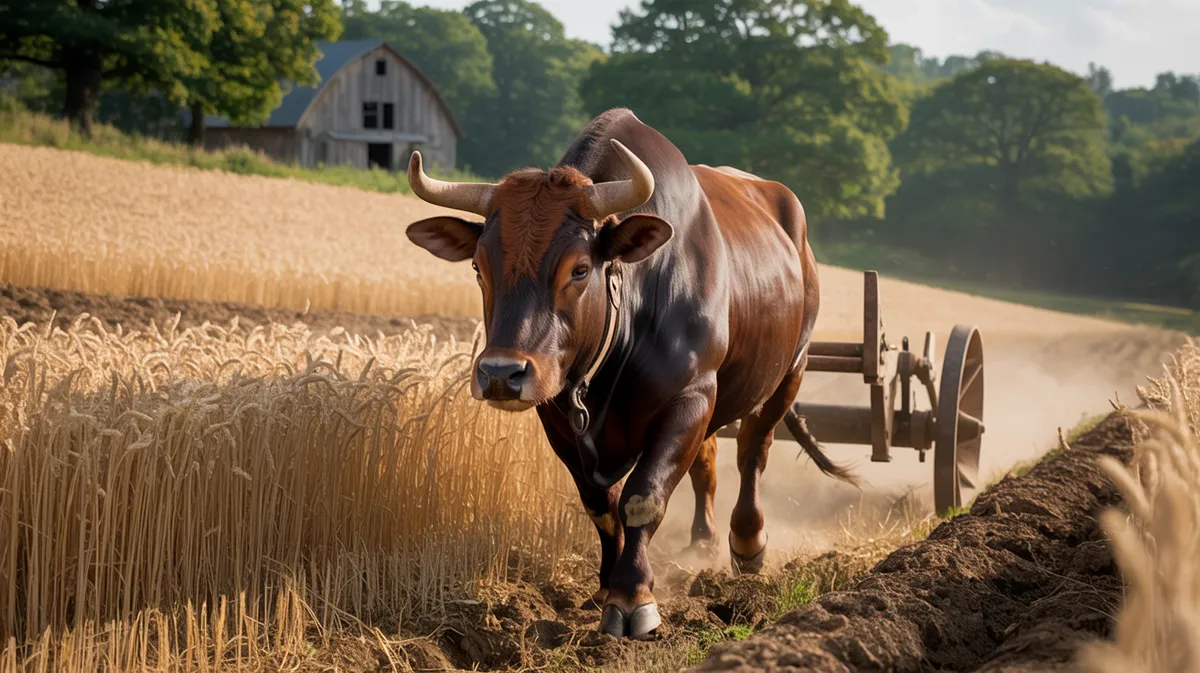
8. Ox — the original engine of agriculture
Before machines, human civilisation ran on oxen. A working ox can pull loads well in excess of its own body weight all day without flagging, which is precisely why it was domesticated for ploughing, hauling, and turning mills across nearly every early society on Earth. Its specialty isn't a single heroic lift but relentless, sustained pulling power — the strength that actually built the ancient world.
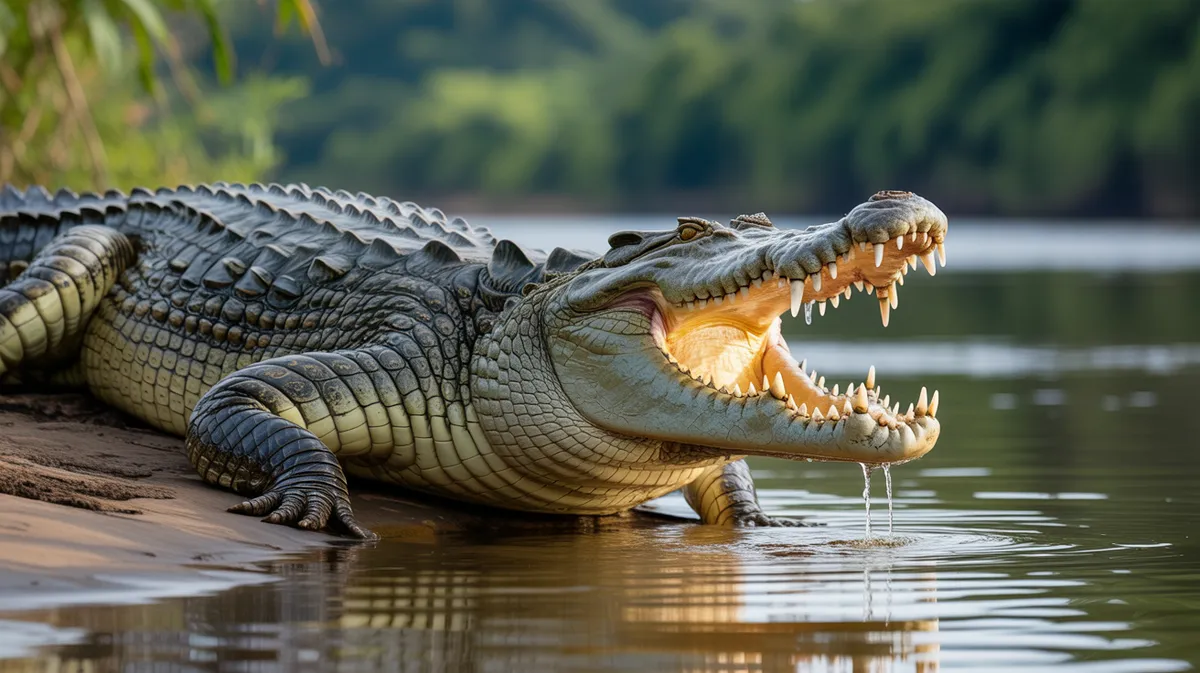
9. Saltwater Crocodile — the strongest bite on Earth
Strength isn't only about lifting. The saltwater crocodile has the most powerful bite force ever directly measured in a living animal — around 3,700 pounds per square inch, enough to crush a turtle shell or a buffalo's leg bone. The twist: the muscles that open its jaws are so weak that a person can hold them shut with two hands. Every ounce of that power is loaded into the snap.
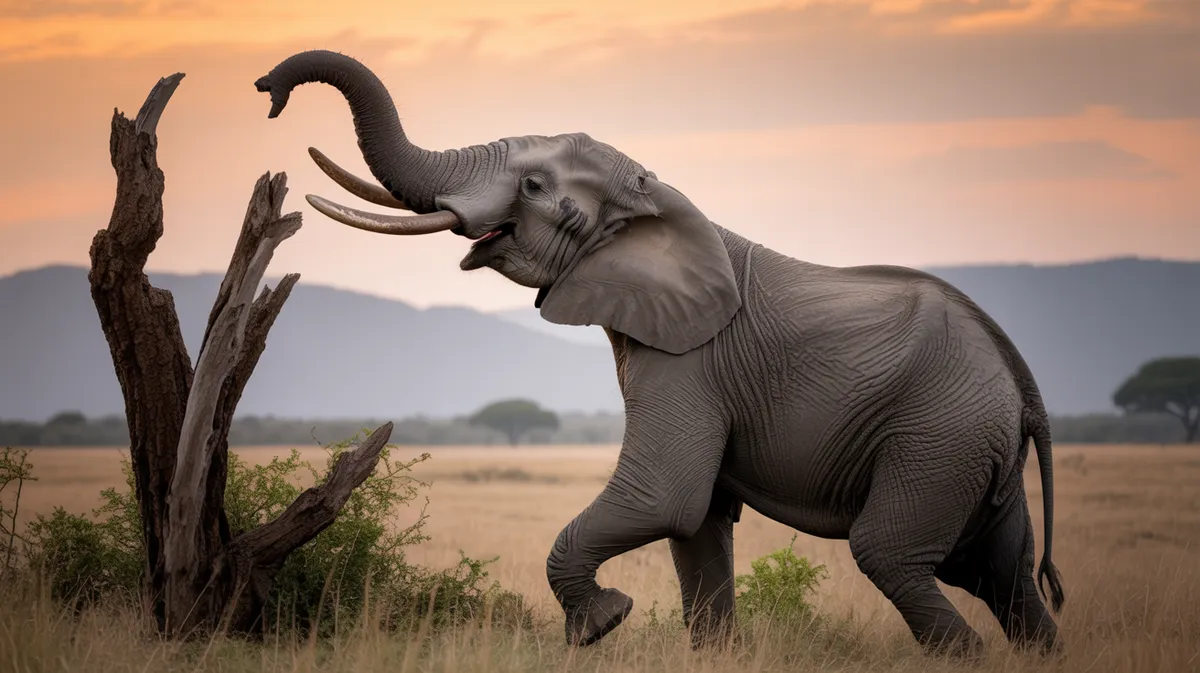
10. Elephant — the strongest by absolute power
If we drop the "pound for pound" rule for a single entry, the African elephant wins on raw might. Its trunk alone — built from an estimated 40,000 muscle units, with no bone at all — can lift several hundred kilograms, strip a tree, or pick up a single blade of grass. The whole animal can shift loads well over a tonne. It can't touch a beetle's ratio, but nothing else alive moves more sheer weight.
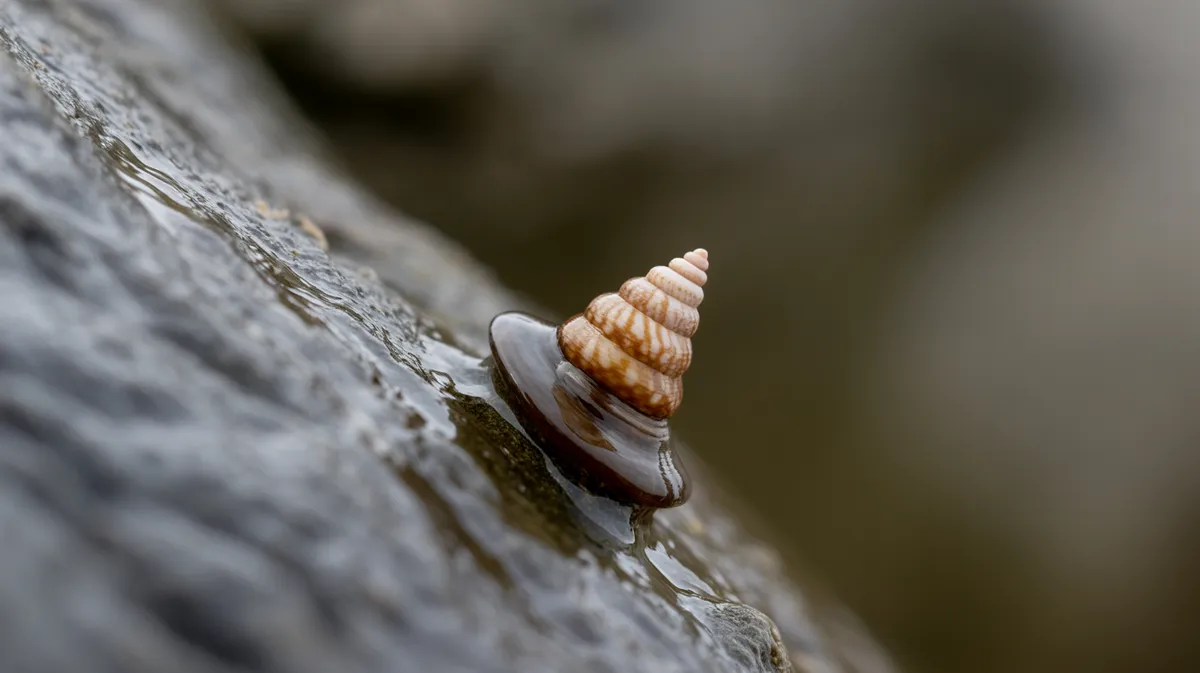
11. Limpet — teeth made of the strongest natural material known
We end with a humble sea snail that hides a world record. The teeth a limpet uses to rasp algae off rock are made of a goethite-fibre nanocomposite that is, gram for gram, among the strongest biological materials ever tested — stronger than spider silk and rivalling the best engineering fibres humans can manufacture. Strength, it turns out, isn't always about muscle at all.
The verdict on "strongest"
Pound for pound, no vertebrate comes close to the insects — the dung beetle is the strength champion of the entire animal kingdom, full stop. By absolute power, the elephant reigns. By bite force, the saltwater crocodile. And by sheer material toughness, a snail's tooth beats them all. As with speed and lifespan, the crown depends entirely on how you define the contest.
Frequently asked questions
What is the strongest animal pound for pound? The dung beetle, which can pull 1,141 times its own body weight — the strongest known relative to size of any animal.
What is the strongest animal by absolute strength? The African elephant, which can move loads of well over a tonne.
Why are insects so strong for their size? The square-cube law: as animals get smaller, their muscle strength shrinks more slowly than their body weight, so small bodies are proportionally far stronger.
Which animal has the strongest bite? The saltwater crocodile, at roughly 3,700 psi — the most powerful bite force ever measured.
That wraps our Nature's Record-Breakers series. Catch up on the 12 fastest animals on Earth and the 10 longest-living animals to see how speed, age, and strength each crown a completely different winner.