
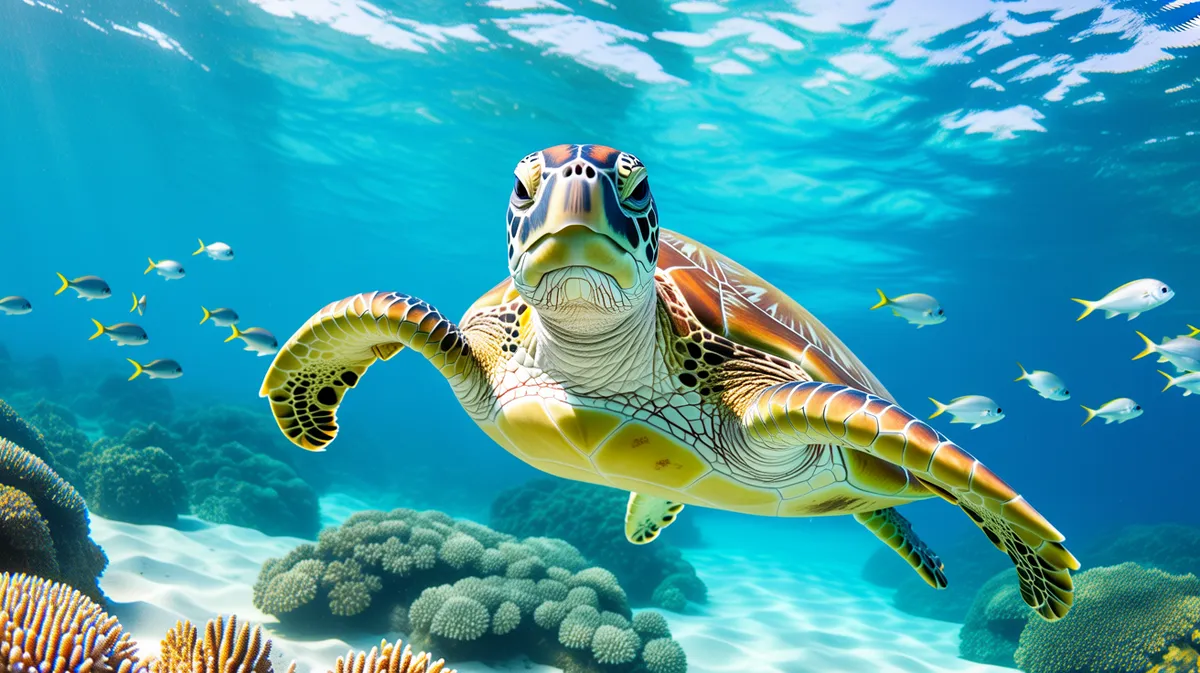
A sea turtle's life begins with a frantic scramble across a moonlit beach and, decades later, may end with a return to that very same stretch of sand. In between lies one of the longest and most mysterious journeys in the ocean — a voyage across entire seas, guided by an invisible force. In this entry of our The Great Migrations series, we follow the sea turtle's long way home.
It is a migration measured in decades and thousands of kilometres. See also the homeward salmon journey and the record-breaking Arctic tern migration.
A desperate dash to the sea
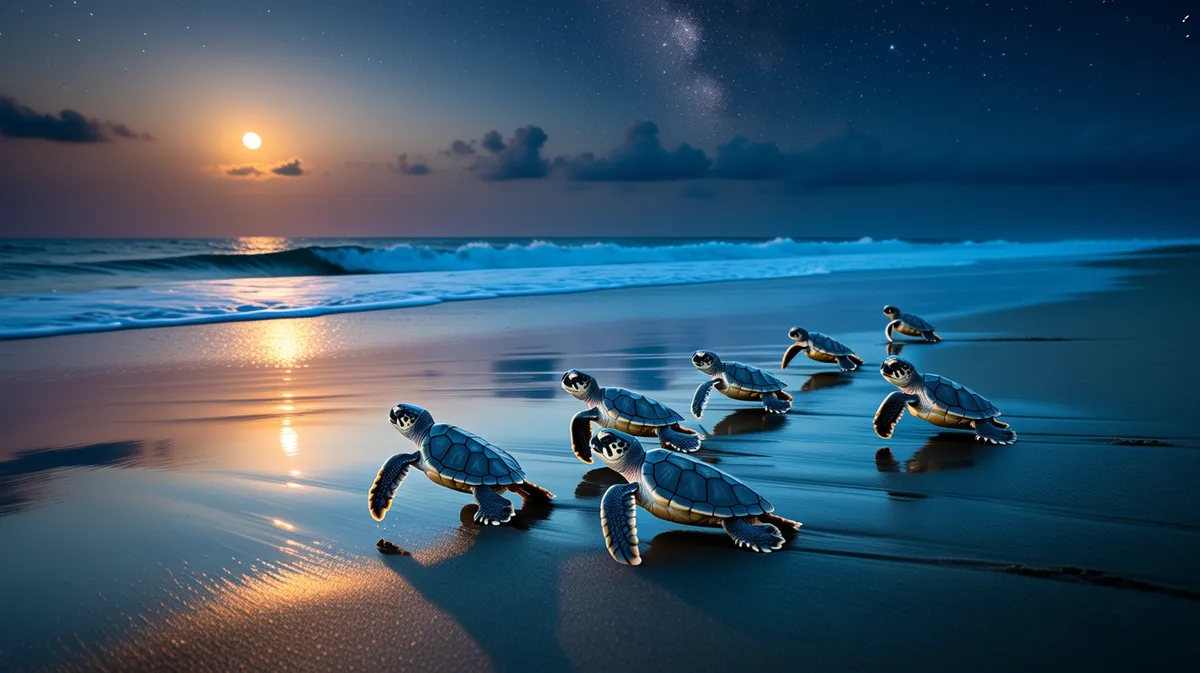
The journey begins the moment a hatchling breaks out of its egg, buried in the warm sand of a nesting beach. Emerging together at night, dozens of tiny turtles erupt from the nest and race for the water in a frantic sprint known as the "hatchling frenzy."
It is the most dangerous few minutes of their lives, as crabs, birds, and other predators snatch many before they reach the waves.
Those that make it plunge into the surf and swim hard, out beyond the breakers and into the open ocean.
The hatchlings find the water by heading toward the brightest horizon — the open sky over the sea — a cue that artificial beachfront lights can fatally confuse.
The lost years
What happens next was, for a long time, one of the ocean's great mysteries. After reaching the sea, young turtles vanish from view for years, a period scientists came to call "the lost years."
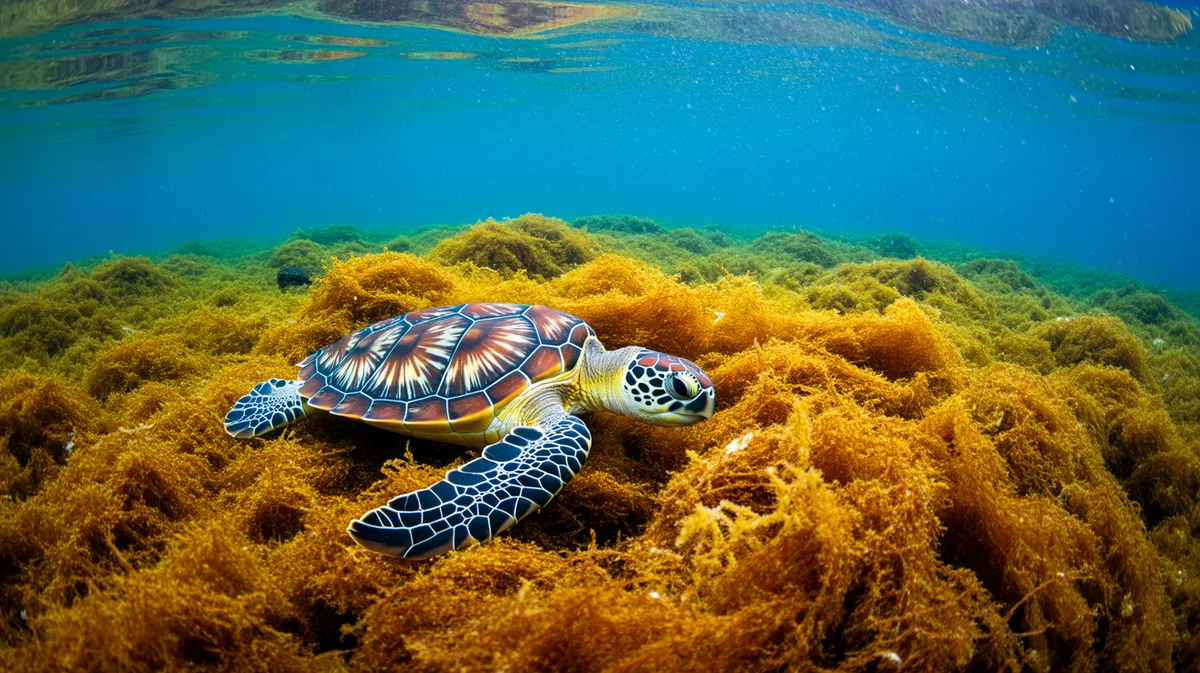
We now know they ride the great rotating ocean currents, drifting across entire ocean basins while they grow, often sheltering among floating rafts of seaweed.
For a decade or more they wander the open sea, far from the beaches where they were born.
Drifting with the currents, the young are carried on enormous looping journeys, sometimes circling an entire ocean basin before they ever return to coastal waters.
A map written in magnetism
The secret to their navigation lies in the Earth itself. Sea turtles can sense the planet's magnetic field, and different parts of the world's oceans have their own distinct magnetic signatures.
Before leaving their home beach, hatchlings appear to imprint on its unique magnetic "address," memorising it for life.
This gives the turtle an internal map and compass rolled into one, allowing it to find its position and steer across a featureless sea.
In experiments, turtles exposed to the magnetic signature of a distant place will orient as if they were really there — evidence of a genuine magnetic map.
The long way back
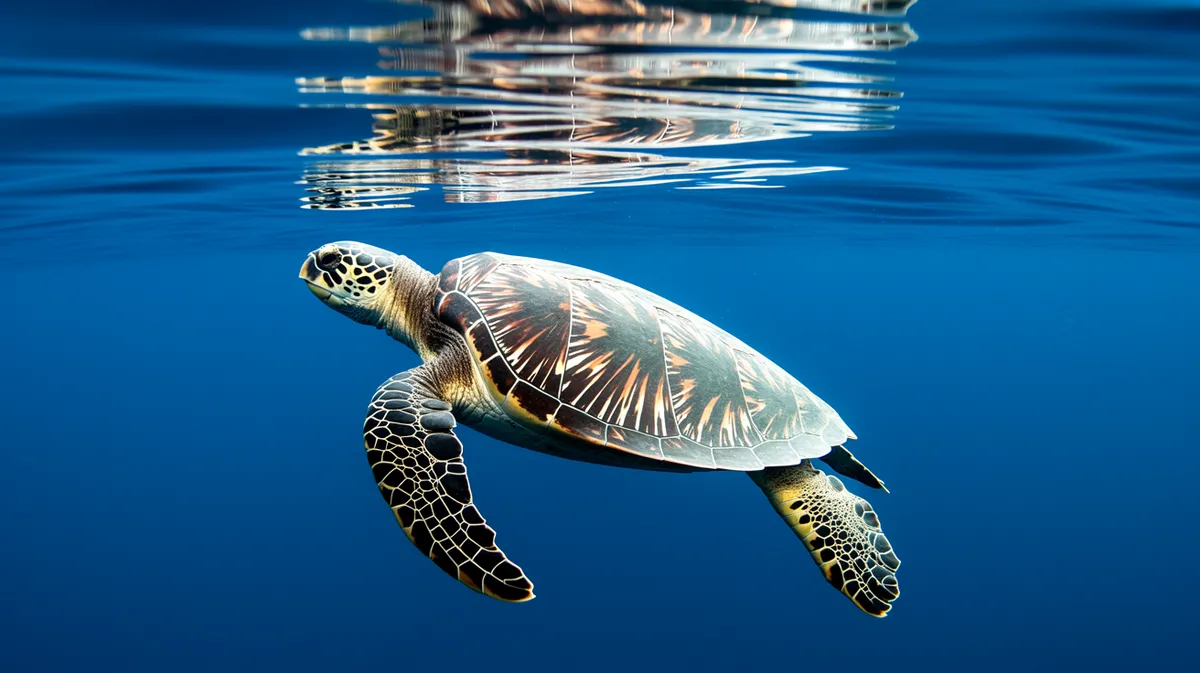
As they mature, sea turtles settle into regular feeding grounds, which may lie a vast distance from where they were born. When the time comes to breed, they undertake enormous migrations between these feeding areas and their nesting beaches.
Leatherback turtles are the champions, crossing entire oceans and swimming more than 10,000 kilometres between feeding and nesting sites.
Guided by their magnetic sense, they cover these immense distances with remarkable accuracy.
Some populations cross from feeding grounds on one side of an ocean to nesting beaches on the other, navigating open water with no landmarks at all.
Return to the birthplace
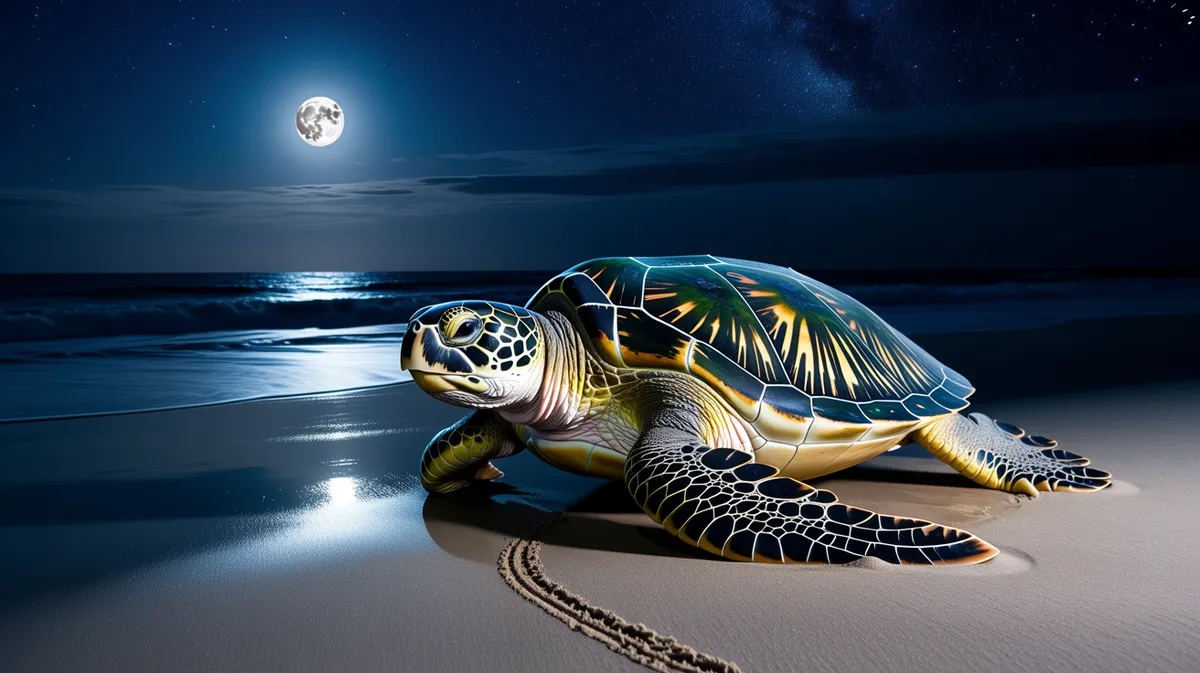
The most astonishing part comes at the journey's end. Female sea turtles return, often decades after they first left, to nest on the very same beach where they themselves hatched.
Using the magnetic address they imprinted on as hatchlings, they home in on that one stretch of coastline out of all the world's shores.
There they haul themselves ashore, dig a nest, and lay the eggs that will send a new generation racing toward the sea.
This loyalty to a single beach means that when a nesting site is lost, the turtles born there may have nowhere else in the world to go.
A journey under threat
This ancient cycle now faces mounting dangers. Nesting beaches are lost to development, hatchlings are confused by artificial lights that lead them away from the sea, and adults are threatened by fishing nets, plastic, and warming, changing oceans.
Because turtles take decades to mature, populations recover only very slowly from any losses.
Protecting both their beaches and their ocean highways is essential to keeping these ancient mariners on their course.
Six of the seven sea turtle species are now considered threatened or endangered, making the protection of these ancient migrations more urgent than ever.
How You Can Help Sea Turtles
Sea turtles are among the easiest great migrants for people to help, because so much of the harm happens on a narrow strip of beach.
Artificial lighting is the biggest and most fixable problem. Hatchlings head for the brightest horizon, which should be the open sky over the sea. Streetlights and hotel windows lure them inland to die, and simply turning lights off or shielding them during nesting season saves whole nests.
Beyond that: keep beaches dark and clear of obstacles, never disturb a nesting female or a nest, cut plastic use — turtles mistake bags for jellyfish — and support fisheries that use turtle-excluder devices in their nets.
An ancient mariner's path
The sea turtle's migration links a single beach to an entire ocean across the span of a lifetime. Guided by a sense we cannot feel, it completes a journey so long and so precise that it seems almost impossible — a living thread connecting the newborn on the sand to the ocean wanderer and back again.
Frequently asked questions
How do sea turtles navigate the ocean? They sense the Earth's magnetic field, imprinting on their home beach's magnetic signature as hatchlings and using it as a map for life.
What are the "lost years"? The mysterious decade or more that young turtles spend drifting on ocean currents far out at sea before returning to coastal waters.
Do sea turtles return to their birth beach? Yes — females often nest, decades later, on the very same beach where they hatched.
How long do sea turtles live? Many species live 50 to 100 years, and take decades to reach breeding age.
How many eggs does a turtle lay? Around 100 per nest, and a female may lay several nests in a season.
Do male turtles ever return to land? Almost never. Once a male hatchling reaches the sea, it may never touch land again.
That's five of the planet's great migrations. Revisit the Arctic tern and the salmon journey home — and watch for more in the The Great Migrations series.