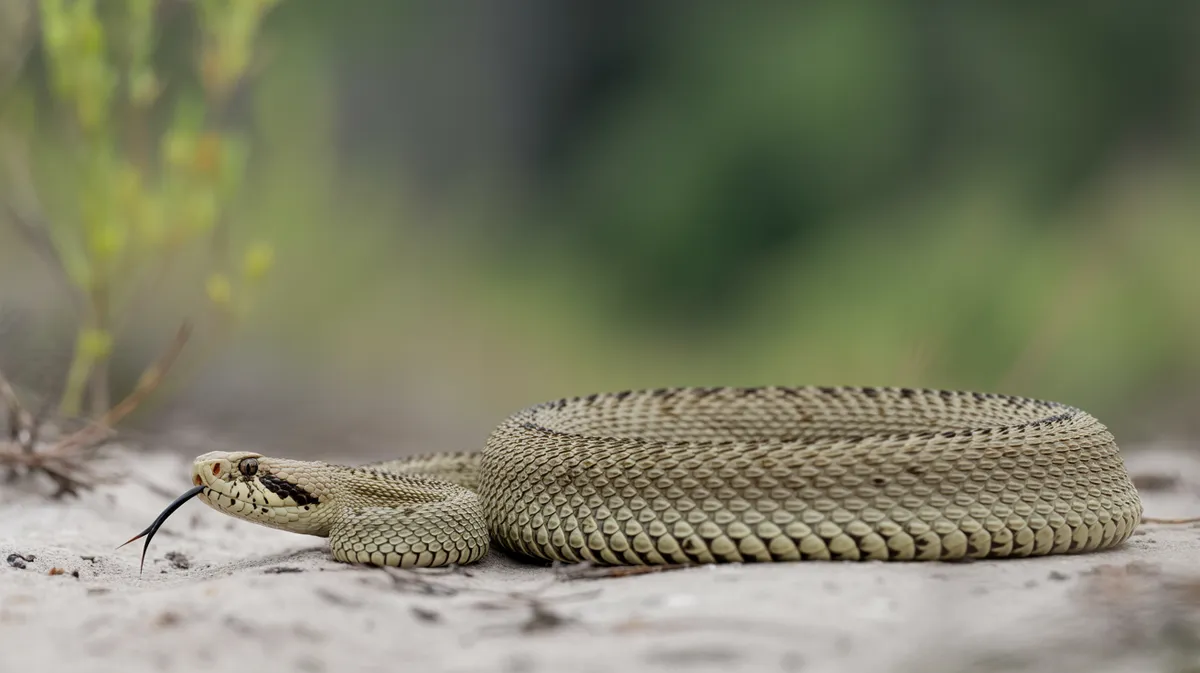
Aruba Island Rattlesnake vs Common European Adder
How does the Aruba Island Rattlesnake compare to the Common European Adder? They are both members of the Viperidae family. Below we put their classification, habitat, diet, size, and conservation status side by side — and settle who would win in a fight.
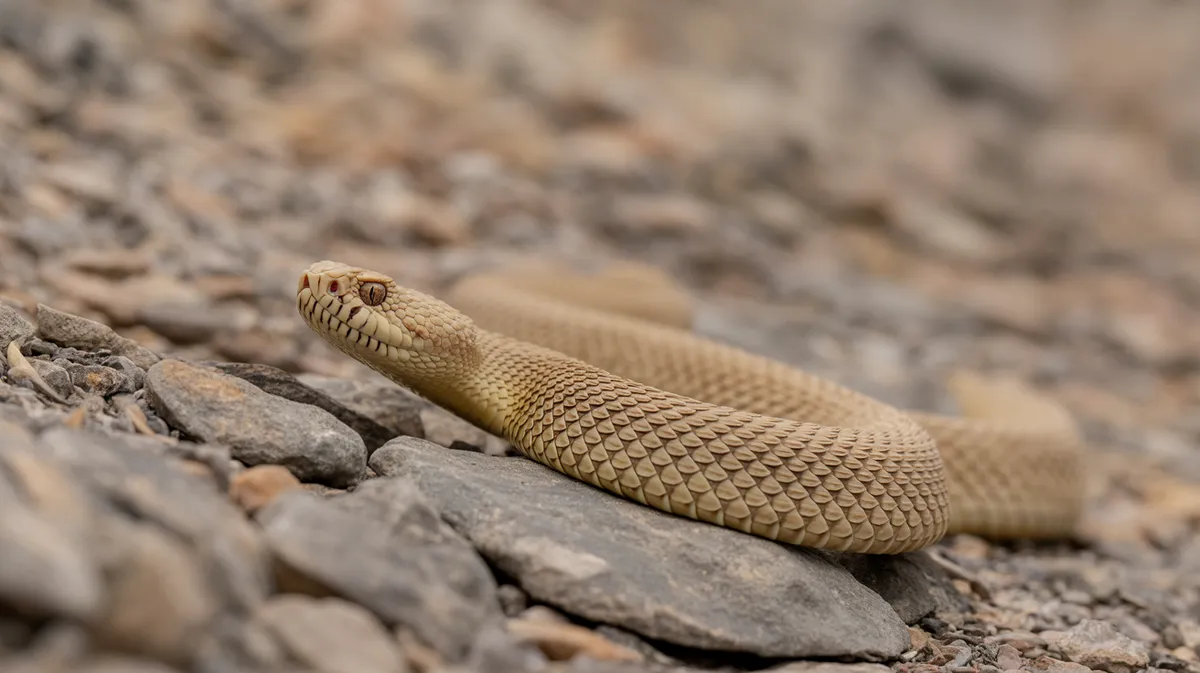
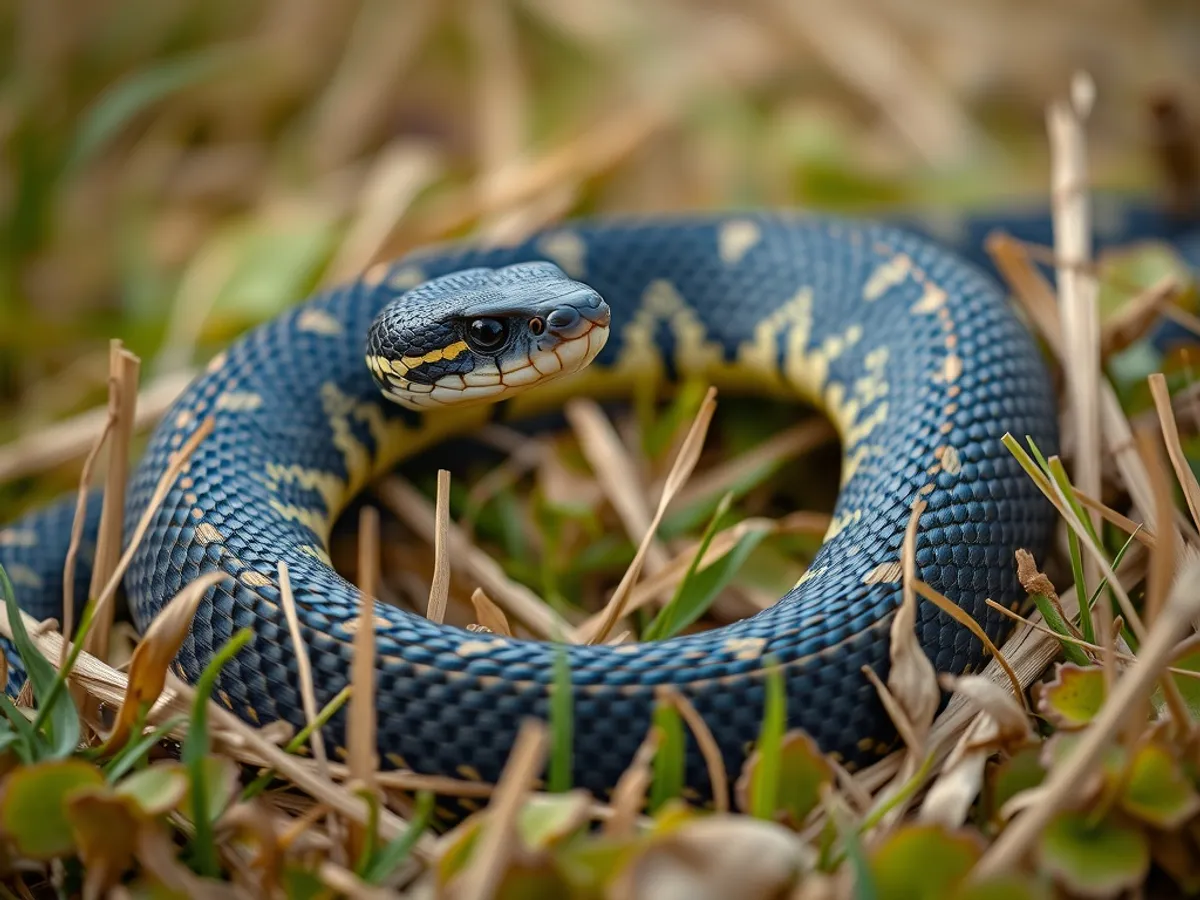
Side-by-side comparison
- Scientific name
- Crotalus unicolor
- Vipera berus
- Classification
- Reptile
- Reptile
- Family
- Viperidae
- Viperidae
- Habitat
- Arid, rocky hillsides and dry scrublands
- Heathland, moorland, woodland, grassland, and coastal dunes
- Diet
- Carnivore
- Carnivore
- Conservation status
- Critically Endangered
- Least Concern
- Lifespan
- 15-20 years
- 10-15 years
- Weight
- 0.5-1 kg
- 50-100 grams
Aruba Island Rattlesnake vs Common European Adder: who would win?
Aruba Island Rattlesnake
0.5-1 kg
Common European Adder
50-100 grams
Aruba Island Rattlesnake wins high confidence
Aruba Island Rattlesnake is substantially heavier (0.5-1 kg vs 50-100 grams). In a physical confrontation that size and power advantage is usually decisive. In the wild these two rarely (if ever) meet — this is a what-if based on the size and diet we have on record, not a prediction.
Similarities
- Both are reptiles.
- Both belong to the Viperidae family.
- Both have a carnivore diet.
Differences
- Habitat: Arid, rocky hillsides and dry scrublands vs Heathland, moorland, woodland, grassland, and coastal dunes.
- Conservation: Critically Endangered vs Least Concern.
- Weight: 0.5-1 kg vs 50-100 grams.
Aruba Island Rattlesnake vs Common European Adder: FAQ
Who would win in a fight, a Aruba Island Rattlesnake or a Common European Adder?
Aruba Island Rattlesnake wins. Aruba Island Rattlesnake is substantially heavier (0.5-1 kg vs 50-100 grams). In a physical confrontation that size and power advantage is usually decisive. In the wild these two rarely (if ever) meet — this is a what-if based on the size and diet we have on record, not a prediction.
What is the difference between a Aruba Island Rattlesnake and a Common European Adder?
Aruba Island Rattlesnake and Common European Adder differ in several ways — habitat: arid, rocky hillsides and dry scrublands vs heathland, moorland, woodland, grassland, and coastal dunes. conservation: critically endangered vs least concern. weight: 0.5-1 kg vs 50-100 grams.
Do Aruba Island Rattlesnake and Common European Adder live in the same habitat?
No — Aruba Island Rattlesnake lives in arid, rocky hillsides and dry scrublands, while Common European Adder is found in heathland, moorland, woodland, grassland, and coastal dunes.
What do Aruba Island Rattlesnake and Common European Adder eat?
Both Aruba Island Rattlesnake and Common European Adder have a carnivore diet.
Which is more endangered, the Aruba Island Rattlesnake or the Common European Adder?
Aruba Island Rattlesnake is listed as Critically Endangered, while Common European Adder is listed as Least Concern.
How big are Aruba Island Rattlesnake and Common European Adder?
Aruba Island Rattlesnake weighs around 0.5-1 kg, while Common European Adder weighs around 50-100 grams.
Full profile
Aruba Island Rattlesnake
Full profile
Common European Adder