
About the Common European Adder
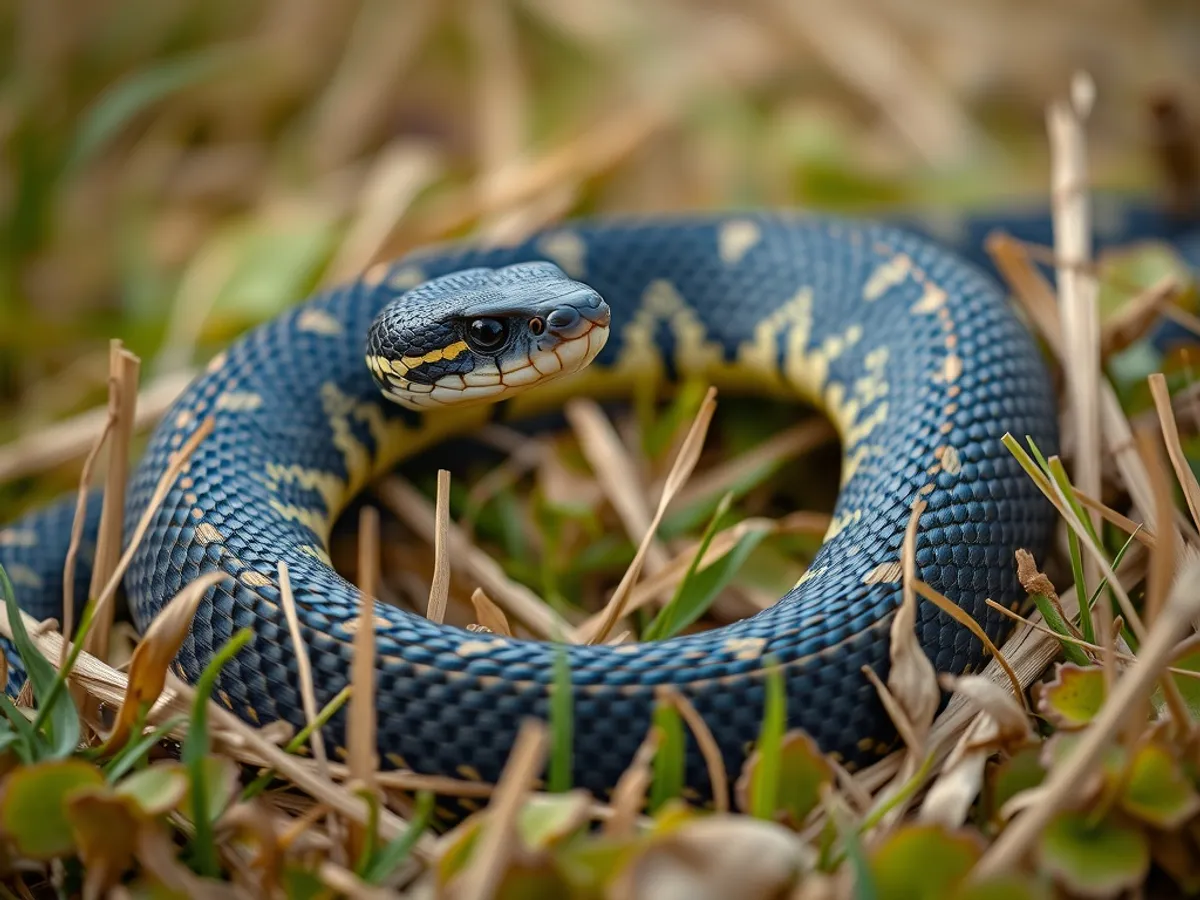
Vipera berus is the only venomous snake native to Britain and the most northerly snake on Earth, ranging north of the Arctic Circle in Scandinavia and clear across Eurasia to Sakhalin. Living in a cold climate forces two adaptations that define the species: it gives birth to live young rather than laying eggs, keeping the developing embryos inside the warmest object available — the basking mother — and it spends much of the year in communal hibernation, with many adders sharing a frost-free hibernaculum. Because gestation is so costly at those latitudes, a female often breeds only every second or third year, and northern populations recover from disturbance very slowly. In spring, males shed into a bright silver-grey and engage in the "dance of the adders," two males rearing and wrestling chest to chest without ever biting, a pushing contest for access to females. The bite is a defensive last resort delivered only when the snake is trodden on or grabbed; it is painful and occasionally serious but very rarely fatal, with only a handful of deaths in Britain across the last century. Its diet is small mammals, lizards and nestlings, taken by a strike-and-release ambush and then tracked down by scent.
Fascinating facts
Distinctive Pattern
The adder is famous for its bold, dark zigzag stripe running the length of its back, which helps it blend into heath and woodland floors.
Live Birth
Unlike most snakes, the Common European Adder is ovoviviparous, meaning it gives birth to live young instead of laying eggs.
Hibernation
Adders hibernate through the winter in communal dens, often sharing space with other snakes and even amphibians.
Detailed description
The Common European Adder (Vipera berus) is a medium-sized viperid snake, typically measuring 60–80 cm in length, with females generally larger than males. Its robust body is covered in keeled scales, and it is most easily recognized by a dark, zigzag dorsal stripe running from head to tail, set against a background color that varies from grey, brown, reddish, to melanistic (entirely black) morphs, particularly in northern populations. The head is broad, distinct from the neck, and features a characteristic V- or X-shaped marking. Eyes are relatively large with vertical pupils, adapted for low-light hunting. The adder is a secretive, primarily terrestrial species, favoring dense ground cover or open sunny patches for thermoregulation. It is ectothermic, relying on basking to regulate its body temperature, and is most active during spring and early autumn. The adder is solitary outside the breeding season, exhibiting strong site fidelity to hibernacula and summer ranges. Its venom, though rarely life-threatening to humans, is highly effective for subduing small prey. Seasonal behaviors include communal hibernation in deep crevices or mammal burrows, and a marked increase in activity during the mating season. The species is ovoviviparous, giving birth to live young, and displays a suite of adaptations for survival in cool, temperate climates.
Did you know?
Despite being venomous, the Common European Adder is responsible for very few serious bites, and fatalities are extremely rare.
Research & sources
Wikipedia summary
Vipera berus, also known as the common European adder and the common European viper, is a species of venomous snake in the family Viperidae. The species is extremely widespread and can be found throughout much of Europe, and as far as East Asia. There are three recognised subspecies.
Behaviour & social structure
Vipera berus is primarily diurnal in spring and autumn, shifting to crepuscular or even nocturnal activity during the hottest summer periods. It is an ambush predator, lying in wait for small mammals (especially voles and mice), lizards, amphibians, and occasionally ground-nesting birds. Prey is located using chemosensory cues, and subdued with a rapid strike and envenomation; the snake then tracks the envenomated prey via scent. Adders are generally non-aggressive, preferring to flee or remain motionless when threatened, but will hiss, coil, and strike if provoked. Social interactions are limited, but during the mating season, males engage in ritualized combat known as 'adder dances' to establish dominance. Outside of breeding, individuals are highly territorial and avoid conspecifics. Daily routines are dictated by temperature, with basking in the morning followed by periods of hunting or resting under cover.
Reproduction & life cycle
The breeding season occurs from April to May, shortly after emergence from hibernation. Males locate females via pheromone trails and may compete for access through combat. Courtship involves tongue-flicking and body alignment, followed by copulation. Vipera berus is ovoviviparous: females retain fertilized eggs internally, with gestation lasting 3–4 months. Litters of 3–20 live young (average 8–12) are born in late summer (August–September), each measuring 14–20 cm at birth. Neonates are independent from birth, receiving no parental care. Females typically breed every 2–3 years, as reproduction is energetically costly and dependent on body condition and environmental factors.
Adaptations & survival
Vipera berus exhibits several adaptations for survival in temperate and subarctic environments. Its cryptic coloration and zigzag pattern provide camouflage against predators and prey. The species is tolerant of a wide range of habitats, from sea level to alpine meadows above 2,500 meters, and can survive in climates with short summers and long, cold winters. Physiologically, it can lower its metabolic rate during hibernation to conserve energy. The venom is specialized for rapid immobilization of small vertebrates, and the vertical pupils enhance vision in low light. Melanism is common in northern populations, likely aiding in heat absorption. The adder's ability to use communal hibernacula helps mitigate the risk of freezing during winter.
Cultural significance
The adder holds a prominent place in European folklore, often associated with both fear and respect. In British and Scandinavian traditions, it is featured in myths as a symbol of transformation, healing, or danger. Its venom was historically believed to have medicinal properties, and dried adders were sometimes used in folk remedies. Despite its reputation, the adder is protected by law in several countries, reflecting its ecological importance and declining numbers in some areas. It is the only native venomous snake in much of its range, contributing to its symbolic status.
Recent research
Recent research has focused on the genetic diversity of Vipera berus across its vast range, revealing significant phylogeographic structuring and evidence of postglacial recolonization patterns. Studies on melanism have highlighted its adaptive value in cold climates, linking it to increased basking efficiency and reproductive success. Ongoing ecological monitoring tracks the impact of habitat fragmentation and climate change on population dynamics. Venom composition is also a subject of interest, with studies indicating regional variation and potential medical applications. Conservation genetics is increasingly used to inform management of isolated populations.
Sources
Videos
Habitat
Heathland, moorland, woodland, grassland, and coastal dunes
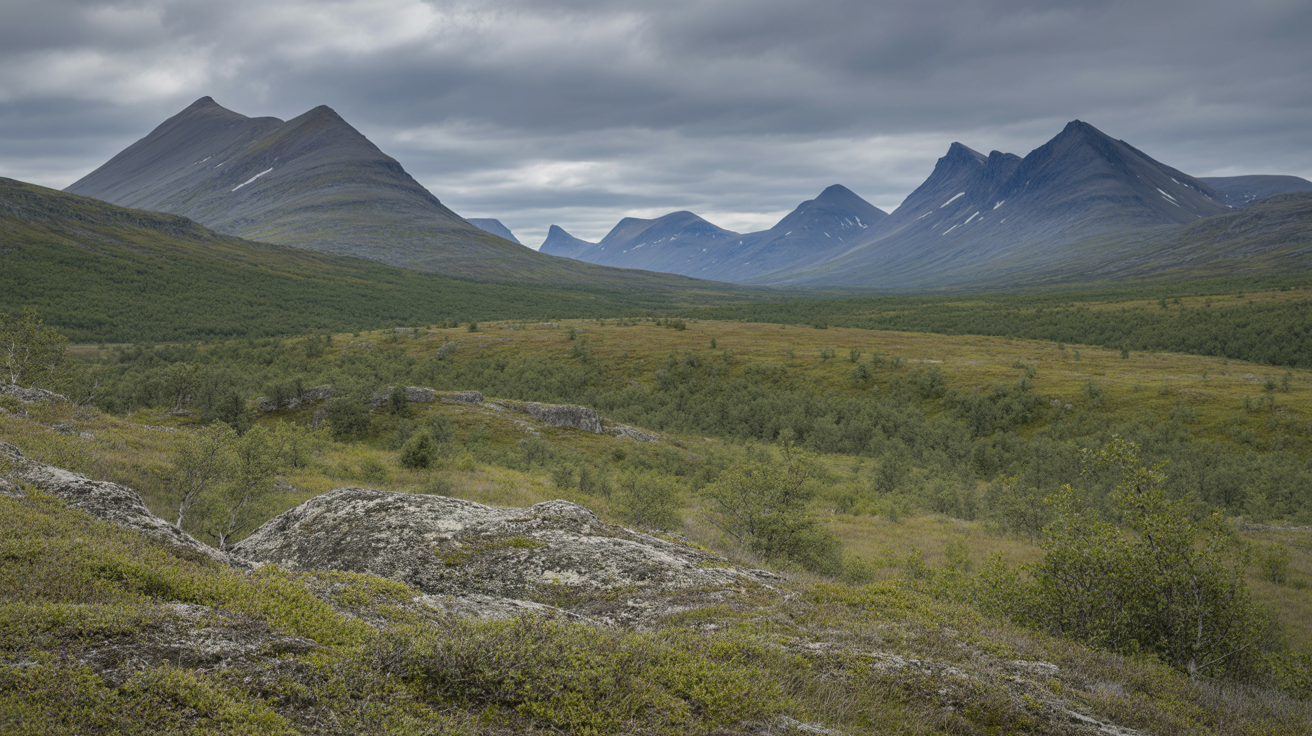 Polar and Subpolar Regions
Tundra
Cold, treeless regions with permafrost supporting specialized cold-adapted wildlife.
 Various Continental Regions
Grassland
Open areas dominated by grasses rather than trees, supporting numerous herbivores and their predators.
 Elevated Terrain
Mountain
High-altitude environments with varying climates and specialized wildlife adapted to rugged terrain and thin air.
 Global
Forest
Wooded areas with significant tree cover and diverse plant and animal communities.
Conservation
The Common European Adder is currently classified as Least Concern on the IUCN Red List.
Threats & challenges
While classified as Least Concern by the IUCN, Vipera berus faces localized declines due to habitat loss, fragmentation, agricultural intensification, afforestation, and persecution by humans. Road mortality is a significant threat in some regions. Climate change poses emerging challenges, potentially altering hibernation patterns and prey availability. In some countries, illegal collection for the pet trade or traditional medicine persists. Population trends are stable in much of its range, but isolated populations, especially at the periphery, are vulnerable to genetic bottlenecks and extirpation.
Taxonomy
Scientific name
Vipera berus
- Kingdom
- Animalia
- Phylum
- Chordata
- Class
- Reptilia
- Order
- Squamata
- Family
- Viperidae
- Genus
- Vipera
- Species
- berus
Community notes
Share your observations about the Common European Adder.
No community notes yet. Be the first!
Discover more wildlife
More fascinating animals from the encyclopedia.