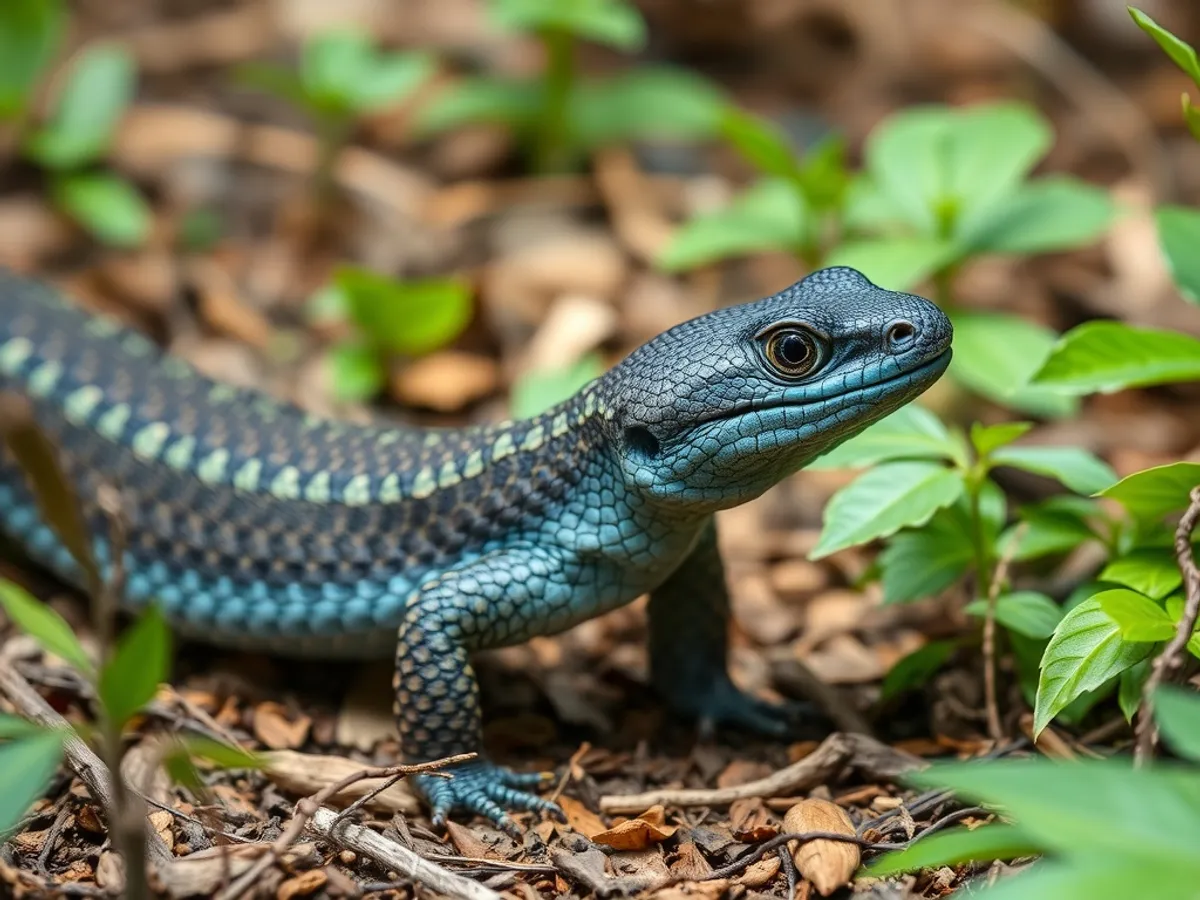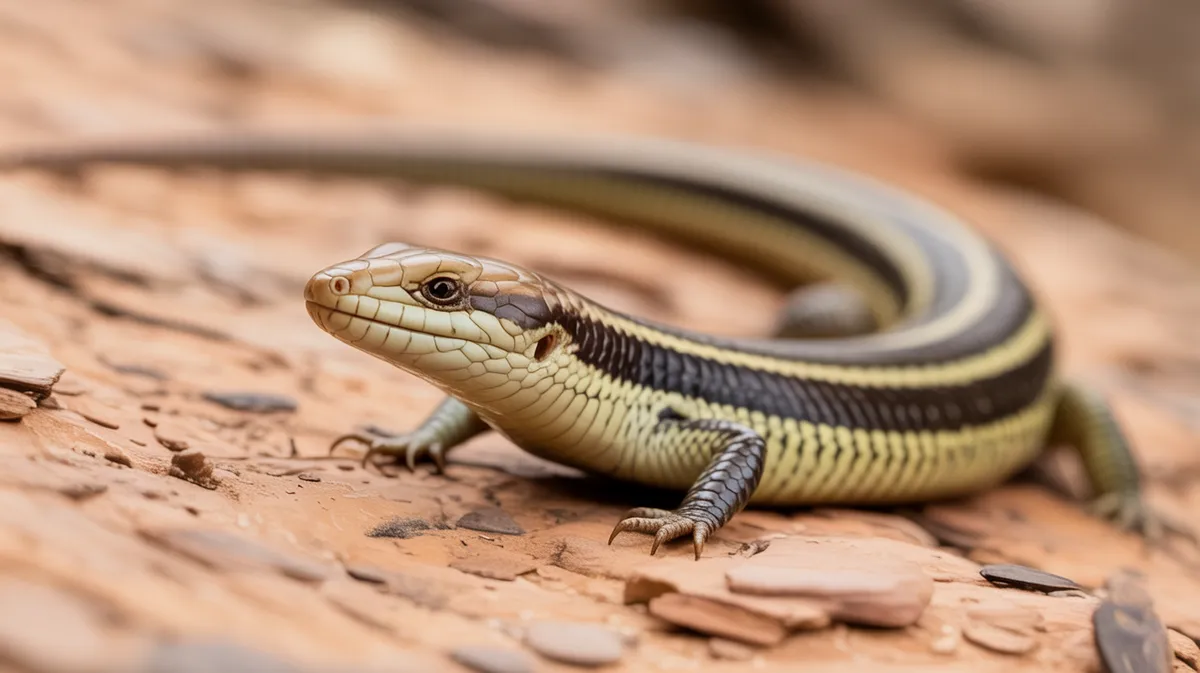
Blotched Blue-tongue vs Shingleback lizard
How does the Blotched Blue-tongue compare to the Shingleback lizard? They are both members of the Scincidae family. Below we put their classification, habitat, diet, size, and conservation status side by side — and settle who would win in a fight.
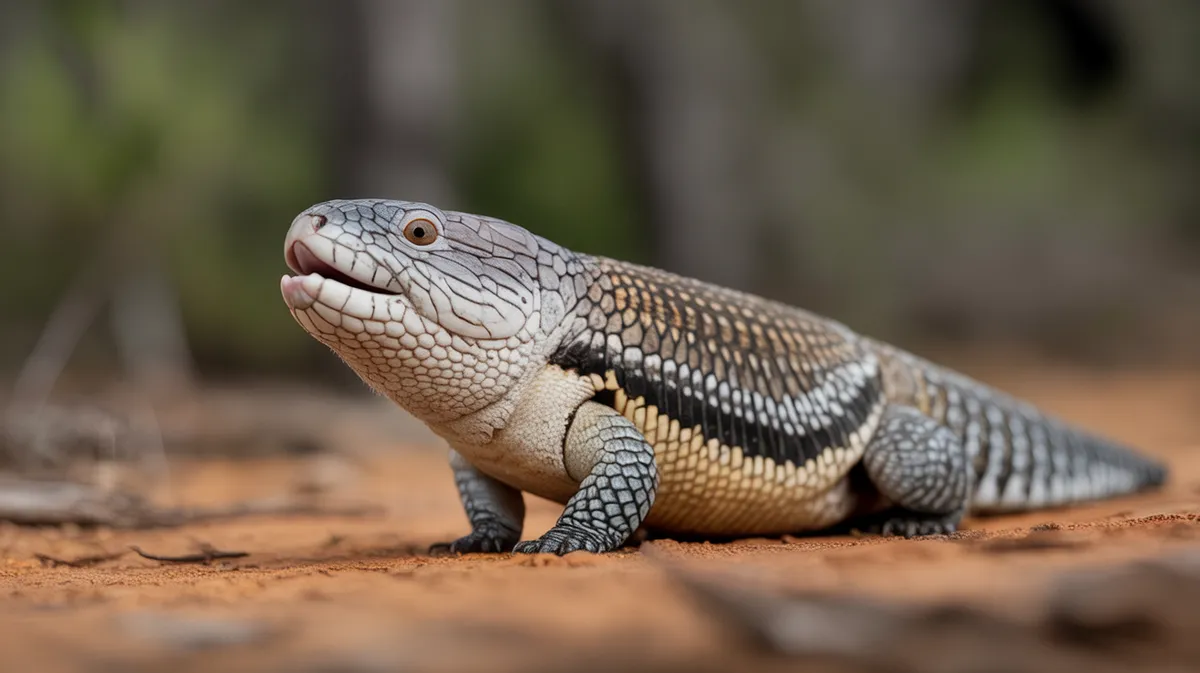
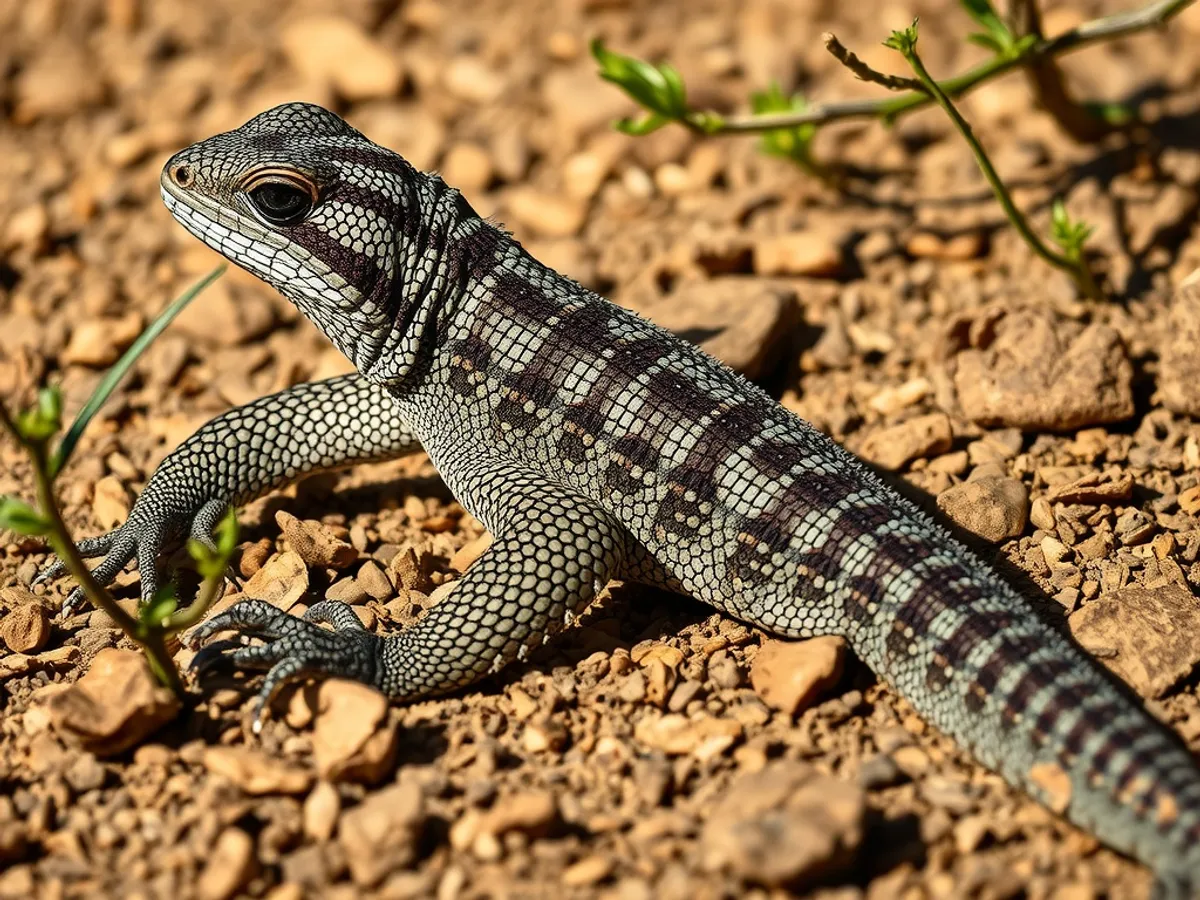
Side-by-side comparison
- Scientific name
- Tiliqua nigrolutea
- Tiliqua rugosa
- Classification
- Reptile
- Reptile
- Family
- Scincidae
- Scincidae
- Habitat
- Temperate forests, heathlands, and woodlands
- Arid and semi-arid shrublands, woodlands, and grasslands
- Diet
- Omnivore
- Omnivore
- Conservation status
- Least Concern
- Least Concern
- Lifespan
- 15-20 years
- 10-20 years
- Weight
- 600-1000 grams
- 600–900 grams
Blotched Blue-tongue vs Shingleback lizard: who would win?
Blotched Blue-tongue
600-1000 grams
Shingleback lizard
600–900 grams
Too close to call speculative confidence
Blotched Blue-tongue and Shingleback lizard are closely matched on both size (600-1000 grams vs 600–900 grams) and diet, so the outcome would come down to circumstance. In the wild these two rarely (if ever) meet — this is a what-if based on the size and diet we have on record, not a prediction.
Similarities
- Both are reptiles.
- Both belong to the Scincidae family.
- Both have a omnivore diet.
- Both are listed as Least Concern.
Differences
- Habitat: Temperate forests, heathlands, and woodlands vs Arid and semi-arid shrublands, woodlands, and grasslands.
- Weight: 600-1000 grams vs 600–900 grams.
Blotched Blue-tongue vs Shingleback lizard: FAQ
Who would win in a fight, a Blotched Blue-tongue or a Shingleback lizard?
Too close to call. Blotched Blue-tongue and Shingleback lizard are closely matched on both size (600-1000 grams vs 600–900 grams) and diet, so the outcome would come down to circumstance. In the wild these two rarely (if ever) meet — this is a what-if based on the size and diet we have on record, not a prediction.
What is the difference between a Blotched Blue-tongue and a Shingleback lizard?
Blotched Blue-tongue and Shingleback lizard differ in several ways — habitat: temperate forests, heathlands, and woodlands vs arid and semi-arid shrublands, woodlands, and grasslands. weight: 600-1000 grams vs 600–900 grams.
Do Blotched Blue-tongue and Shingleback lizard live in the same habitat?
No — Blotched Blue-tongue lives in temperate forests, heathlands, and woodlands, while Shingleback lizard is found in arid and semi-arid shrublands, woodlands, and grasslands.
What do Blotched Blue-tongue and Shingleback lizard eat?
Both Blotched Blue-tongue and Shingleback lizard have a omnivore diet.
Which is more endangered, the Blotched Blue-tongue or the Shingleback lizard?
Blotched Blue-tongue is listed as Least Concern, while Shingleback lizard is listed as Least Concern.
How big are Blotched Blue-tongue and Shingleback lizard?
Blotched Blue-tongue weighs around 600-1000 grams, while Shingleback lizard weighs around 600–900 grams.
Full profile
Blotched Blue-tongue
Full profile
Shingleback lizard