
About the Shingleback lizard
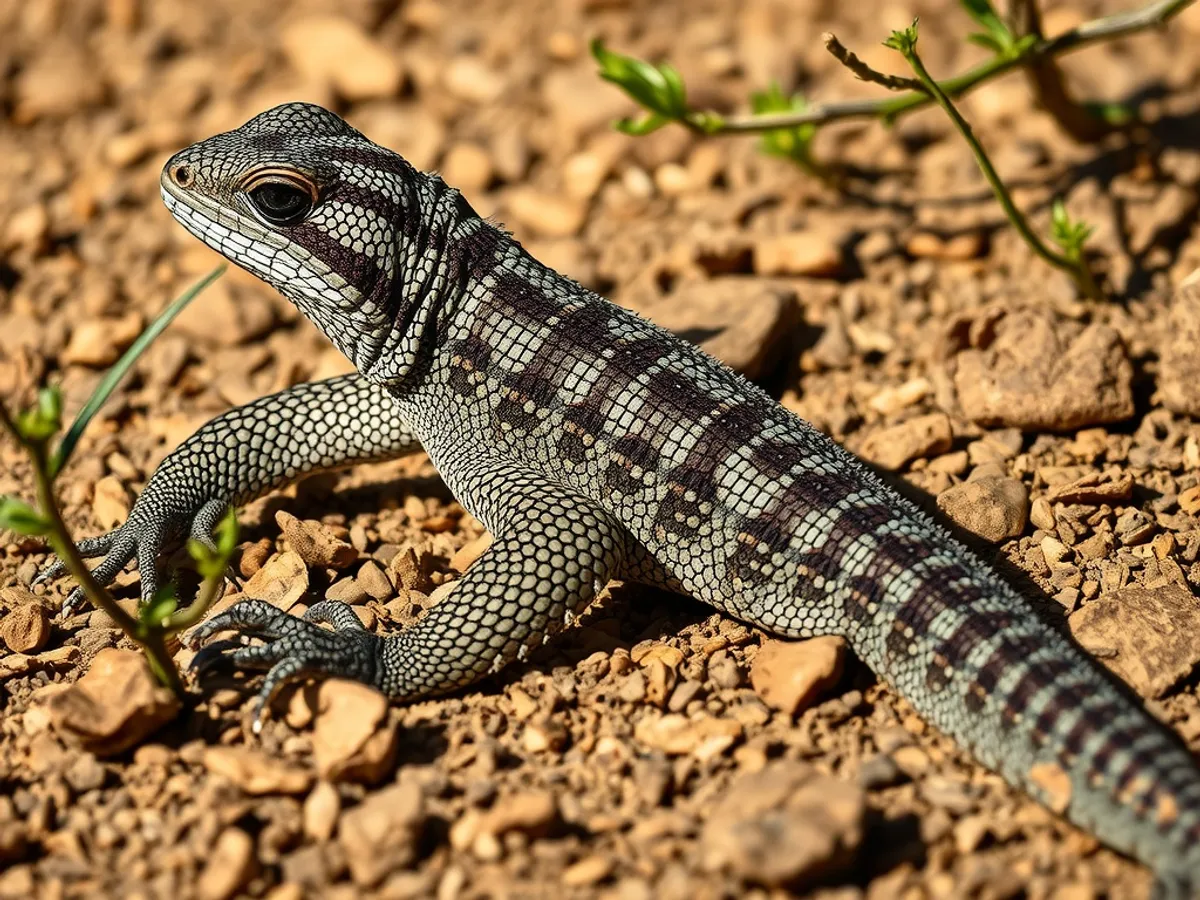
The shingleback (Tiliqua rugosa) is a heavy, slow, armoured blue-tongued skink of southern and western Australia, and it does something almost no other reptile does: it is monogamous, and pairs find each other again year after year. Long-term fieldwork in South Australia has tracked pairs that reunited for more than 20 consecutive breeding seasons, the male following the female for weeks each spring before mating, and animals whose partner dies may spend a season alone. The fat, blunt tail is close in shape and size to the head, and a predator that strikes at the wrong end gets a mouthful of fat store rather than a skull; unlike most skinks the shingleback cannot shed the tail, so the decoy has to work. Its defence display is a wide gape with a startlingly cobalt tongue and a loud hiss. Rather than laying eggs, females give birth to one to three enormous live young, each of which can be a third of the mother's body weight, an extraordinary reproductive investment; the newborns eat their own placental membranes and are independent within days. Shinglebacks are largely herbivorous, grazing on flowers, fruit and succulents, and they can live over 30 years, which is what makes long-term pair bonds possible in the first place.
Fascinating facts
Armored Scales
The Shingleback's body is covered with large, rough scales that protect it from predators and harsh environmental conditions.
Blue Tongue Defense
When threatened, the Shingleback lizard opens its mouth to flash a vivid blue tongue, deterring would-be attackers.
Lifelong Pairs
This lizard is famous for forming long-term monogamous pairs, reuniting with the same partner each breeding season.
Detailed description
The Shingleback lizard (Tiliqua rugosa) is a robust, terrestrial skink reaching lengths of 26–31 cm (10–12 in) and weighing up to 900 g (2 lbs), with a broad, triangular head and a short, blunt tail that closely mimics the shape of its head—a likely anti-predator adaptation. Its body is covered in large, rough, overlapping scales that provide armor-like protection and reduce water loss, essential for survival in arid environments. The coloration varies geographically, ranging from pale cream to dark brown, often with lighter flecks or bands. Shinglebacks possess a distinctive blue tongue, which they display defensively to startle predators. They are diurnal and spend much of their day basking to regulate body temperature, retreating to burrows or dense vegetation during extreme heat. Unlike many reptiles, Shinglebacks are noted for their strong pair bonds, often forming monogamous partnerships that can last for years, with pairs traveling and foraging together, especially during the breeding season. Their diet is highly omnivorous, including a wide array of flowers, fruits, leaves, insects, snails, and carrion. Shinglebacks are long-lived, with individuals in the wild known to survive over 20 years, and some in captivity exceeding 50 years. Their slow movement and cryptic coloration make them well-adapted to their environment, but also vulnerable to road mortality and predation by introduced species.
Did you know?
Despite their tough appearance, Shingleback lizards are gentle and can even recognize their long-term partners after months of separation.
Research & sources
Wikipedia summary
Tiliqua rugosa, most commonly known as the shingleback skink, stumptail skink or bobtail lizard, is a short-tailed, slow-moving species of blue-tongued skink endemic to Australia. It is commonly known as the shingleback (lizard), potato lizard or sleepy lizard. Three of its four recognised subspecies are found in Western Australia, where the bobtail name is most frequently used. The fourth subspecies, T. rugosa asper, is the only one native to eastern Australia, where it goes by the common name of the eastern shingleback.
Behaviour & social structure
Shingleback lizards are primarily solitary outside of the breeding season, but exhibit remarkable sociality during mating periods, with pairs often observed traveling together and engaging in mutual tongue-flicking and body contact. They are slow-moving and rely on stealth and camouflage rather than speed to avoid predators. Foraging occurs during the cooler parts of the day, with individuals using their keen sense of smell to locate food. When threatened, they may open their mouths wide and display their blue tongues, accompanied by loud hissing, as a deterrent. Shinglebacks are known to use established home ranges and may return to the same shelter sites repeatedly. They exhibit site fidelity to basking and shelter locations, and their daily routine typically involves basking in the morning, foraging in the afternoon, and seeking shelter during the hottest part of the day. They are not aggressive but may bite if handled or threatened.
Reproduction & life cycle
Tiliqua rugosa is ovoviviparous, giving birth to live young rather than laying eggs. Mating occurs in spring (September–November), with males often following and guarding females for weeks prior to copulation. Gestation lasts approximately 3–5 months, with females giving birth to 1–4 large, well-developed offspring (typically 2) in late summer. Neonates are precocial, measuring about 22 cm (8.7 in) at birth and weighing 35–60 g. Parental care is minimal, but family groups may remain together for several days post-birth. Pair bonds can persist across multiple breeding seasons, with some pairs reuniting annually for up to 20 years. Sexual maturity is reached at 3–5 years of age.
Adaptations & survival
The shingleback's heavily armored scales provide protection against predators and minimize water loss, a crucial adaptation for arid habitats. The short, stumpy tail serves as a fat storage organ, allowing survival during periods of food scarcity. Its tail's resemblance to the head may confuse predators, offering a survival advantage. The blue tongue is a unique antipredator adaptation, used to startle and deter attackers. Shinglebacks are capable of storing large amounts of fat in their tails, which sustains them during drought or hibernation. Their omnivorous diet and ability to digest tough plant material allow them to exploit a wide range of food sources. Behavioral adaptations include basking to thermoregulate and seeking shelter in burrows or under debris to avoid extreme temperatures.
Cultural significance
The shingleback lizard holds a notable place in Australian culture, often featured in Aboriginal folklore and traditional stories as a symbol of endurance and adaptability. In some regions, it is considered a good luck charm or a harbinger of rain. Its docile nature and distinctive appearance have made it a popular subject in educational programs and wildlife tourism. The lizard is sometimes kept as a pet, and its image appears in local art and media. There are no known traditional medicinal or culinary uses.
Recent research
Recent research has focused on the shingleback's remarkable monogamous behavior, with long-term field studies documenting pair fidelity and social interactions. Studies on their immune system have revealed resistance to certain tick-borne pathogens, making them a model for disease ecology. Genetic analyses have clarified subspecies boundaries and highlighted significant genetic diversity across their range. Ongoing research investigates the impact of climate change on their distribution and reproductive success. Shinglebacks have also been studied as bioindicators of environmental health due to their sensitivity to habitat changes and pollutants.
Videos
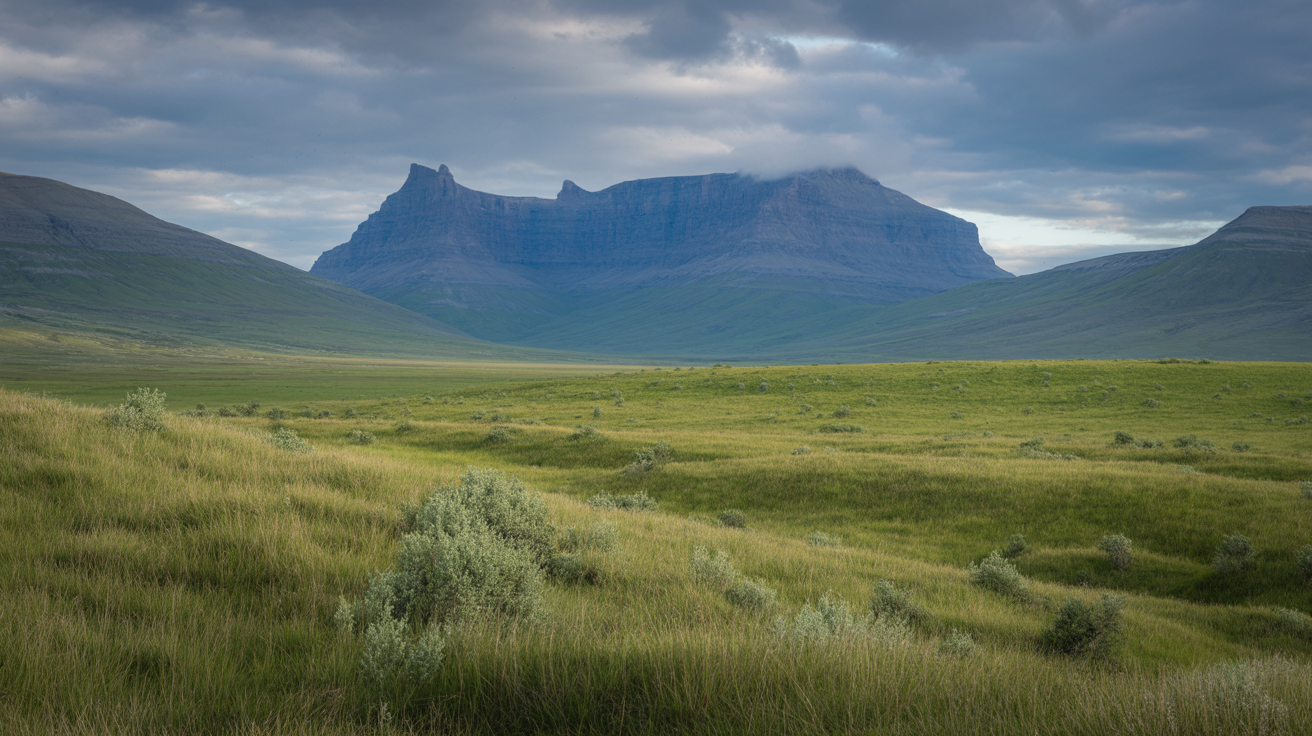
Habitat
Arid and semi-arid shrublands, woodlands, and grasslands

Conservation
The Shingleback lizard is currently classified as Least Concern on the IUCN Red List.
Threats & challenges
Although currently classified as Least Concern by the IUCN, shingleback populations face several threats. Road mortality is significant, as their slow movement and tendency to bask on warm surfaces make them vulnerable to vehicles. Predation by introduced species such as foxes, cats, and dogs poses a substantial risk, particularly to juveniles. Habitat loss and fragmentation due to agriculture and urban development reduce available shelter and foraging grounds. Illegal collection for the pet trade, while regulated, remains a localized threat. Climate change may further impact their arid habitats, altering food availability and increasing the frequency of extreme weather events.
Taxonomy
Scientific name
Tiliqua rugosa
- Kingdom
- Animalia
- Phylum
- Chordata
- Class
- Reptilia
- Order
- Squamata
- Family
- Scincidae
- Genus
- Tiliqua
- Species
- rugosa
Where to see a shingleback lizard
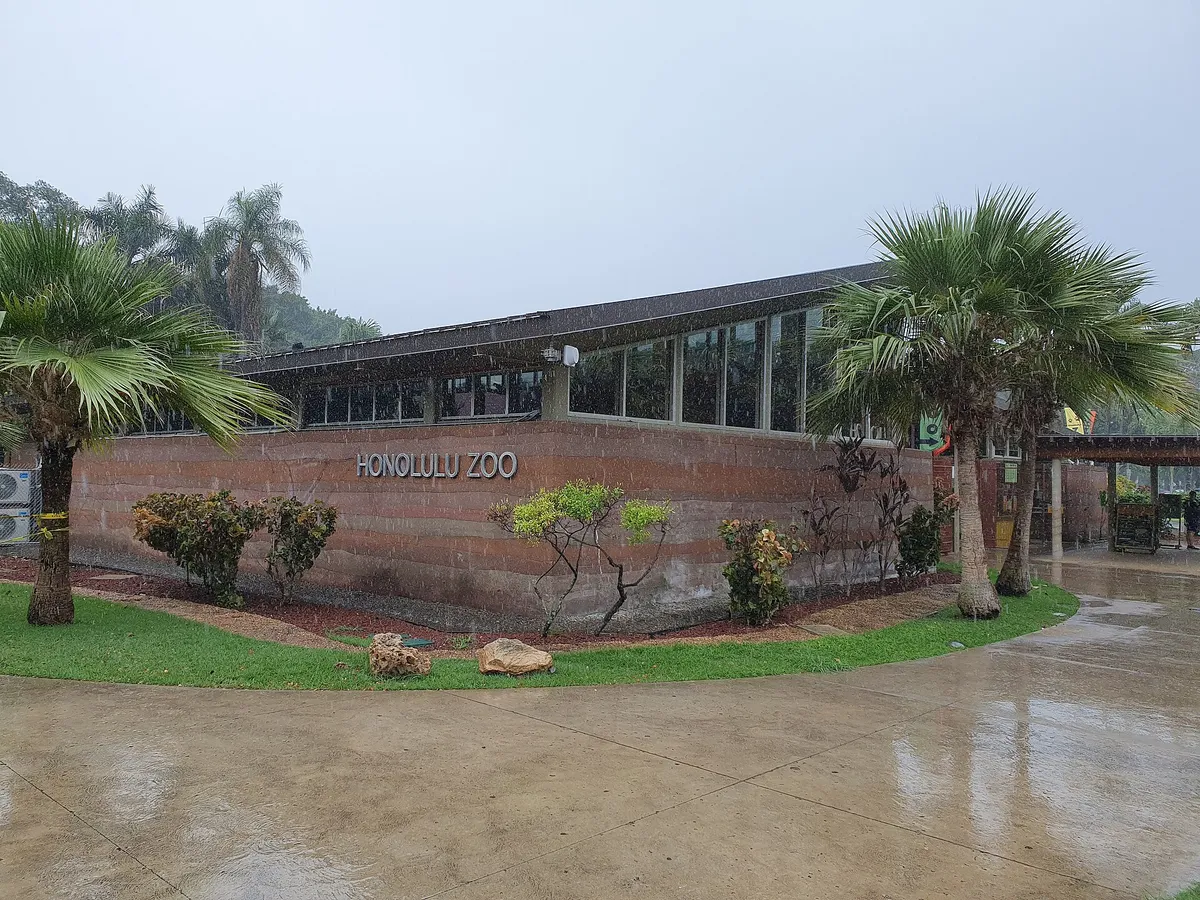
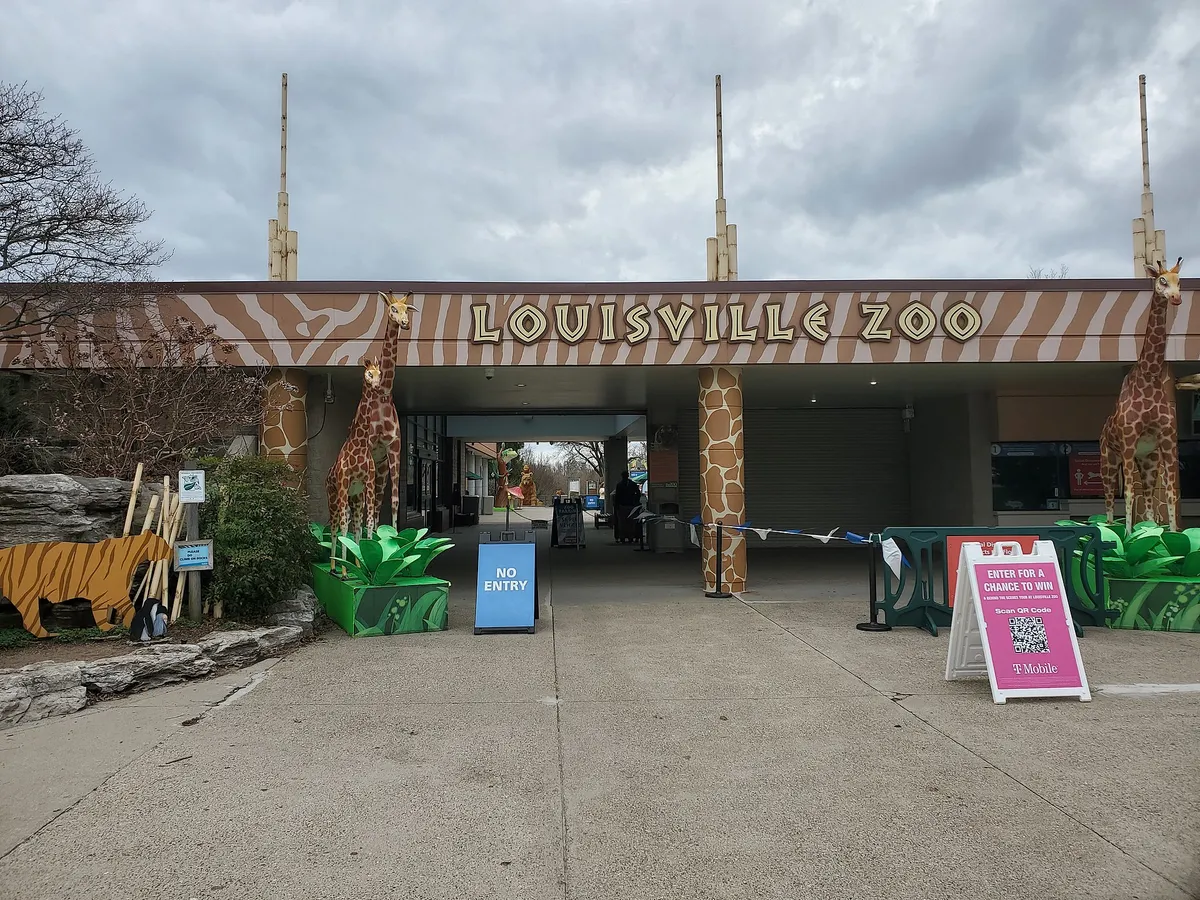
3 zoos and aquariums in 1 country are recorded as keeping this species.

Community notes
Share your observations about the Shingleback lizard.
No community notes yet. Be the first!
Discover more wildlife
More fascinating animals from the encyclopedia.