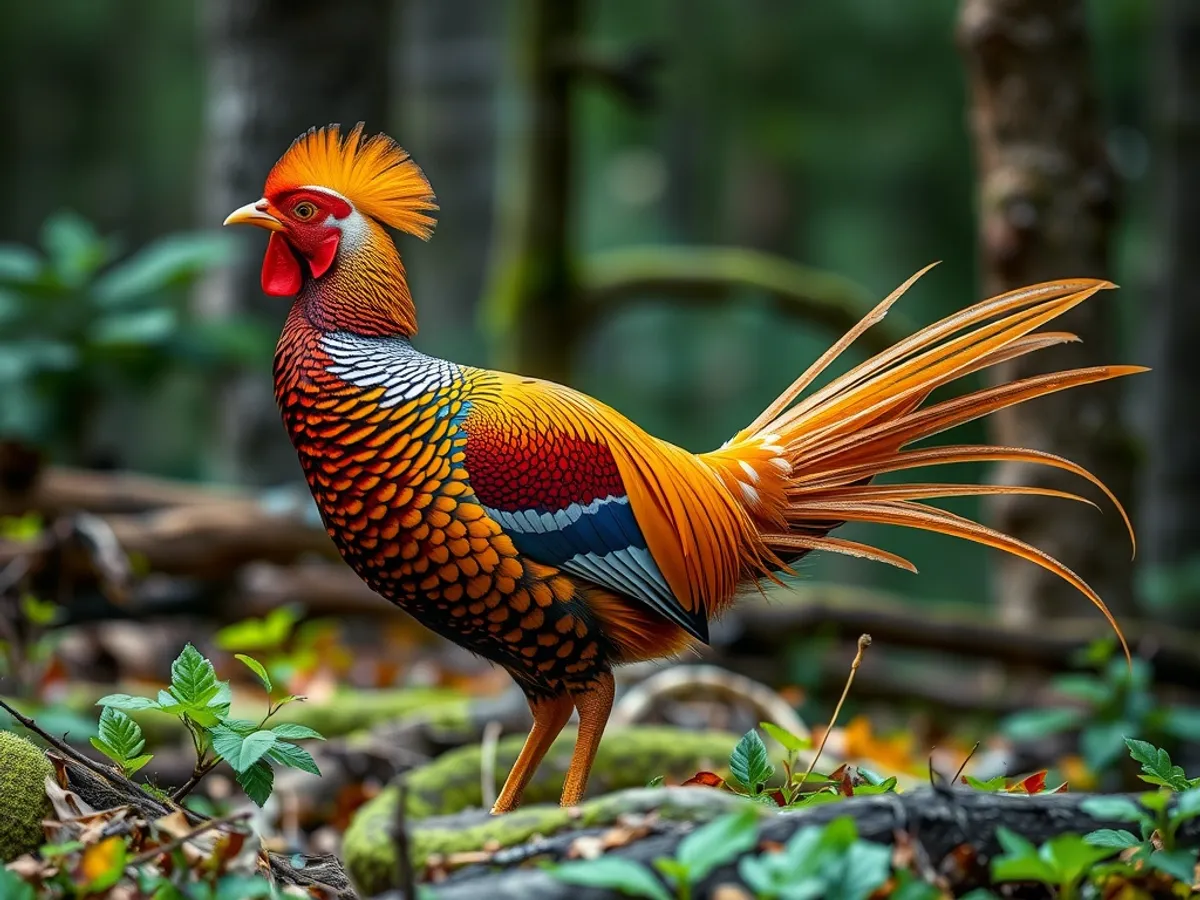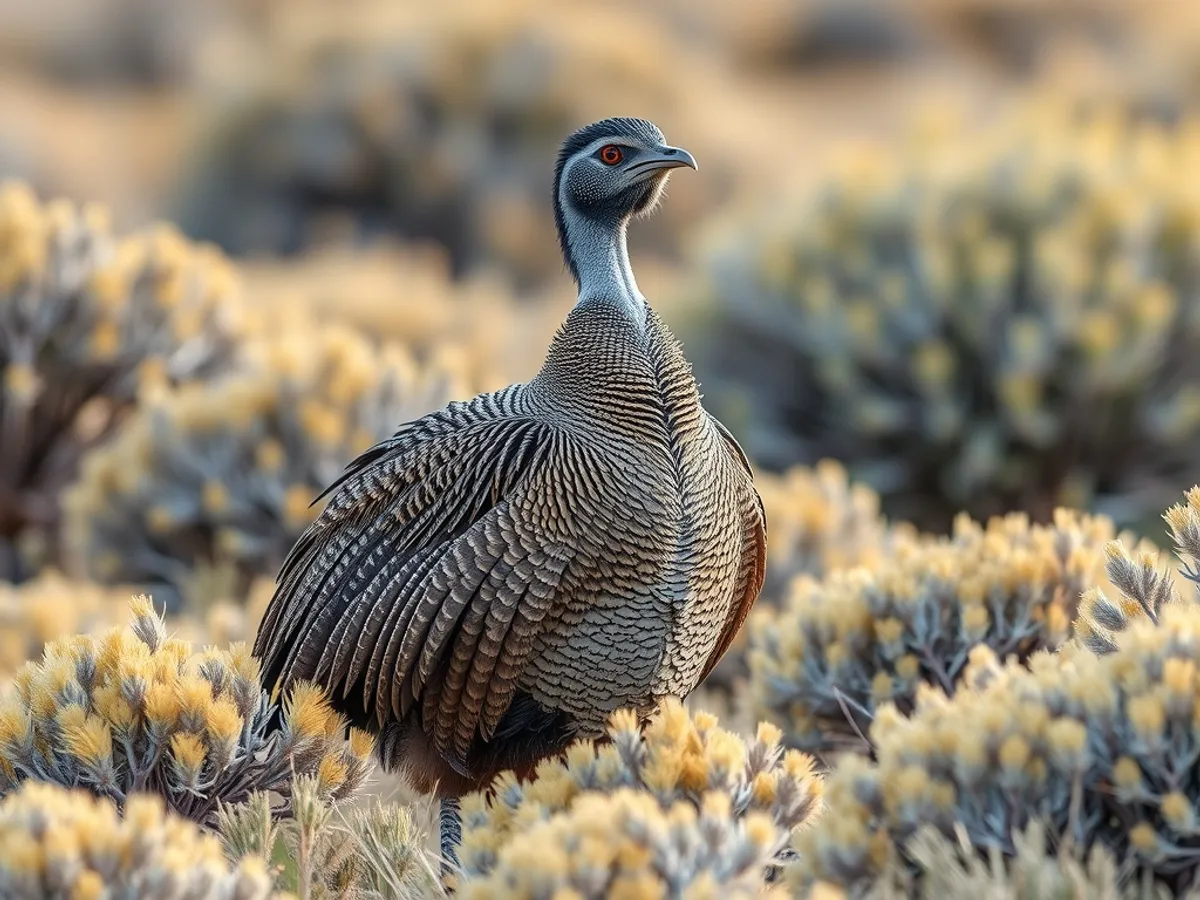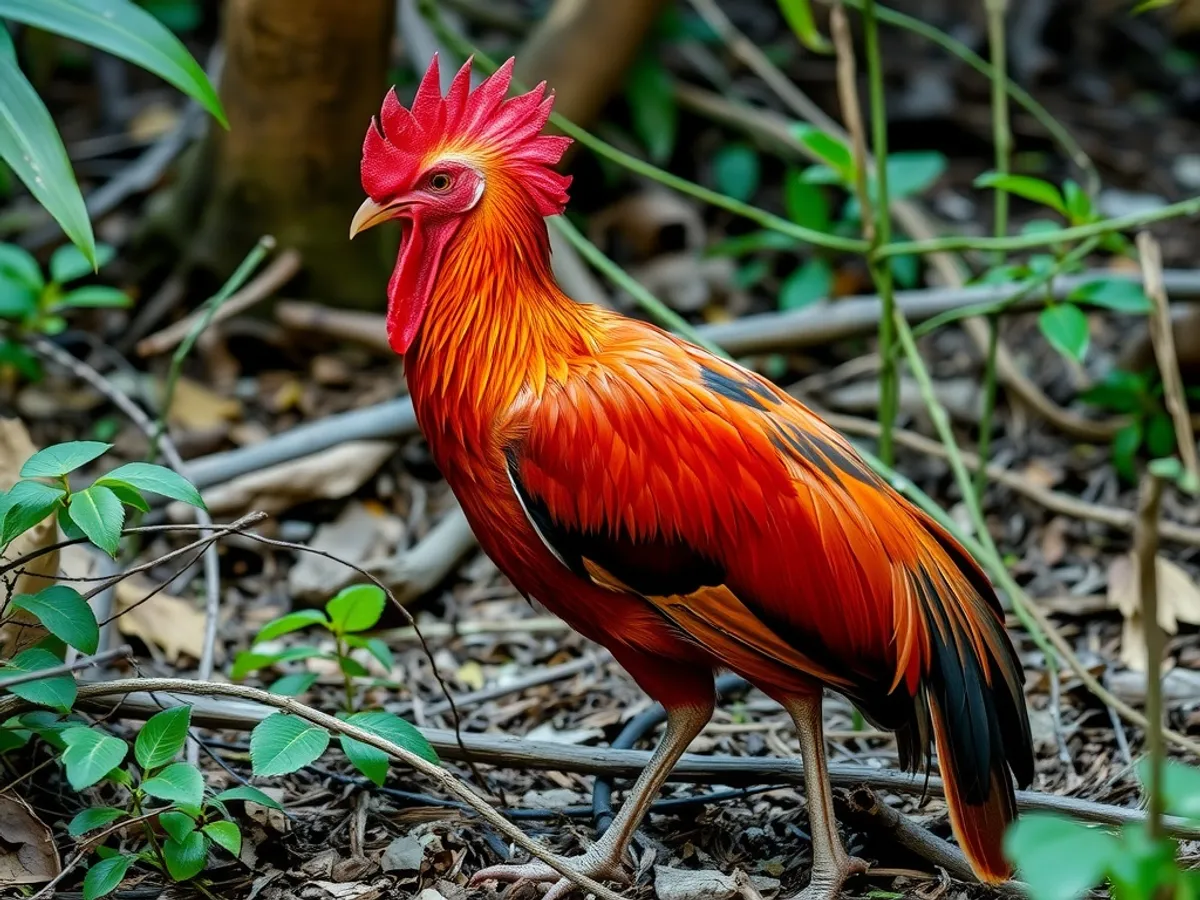
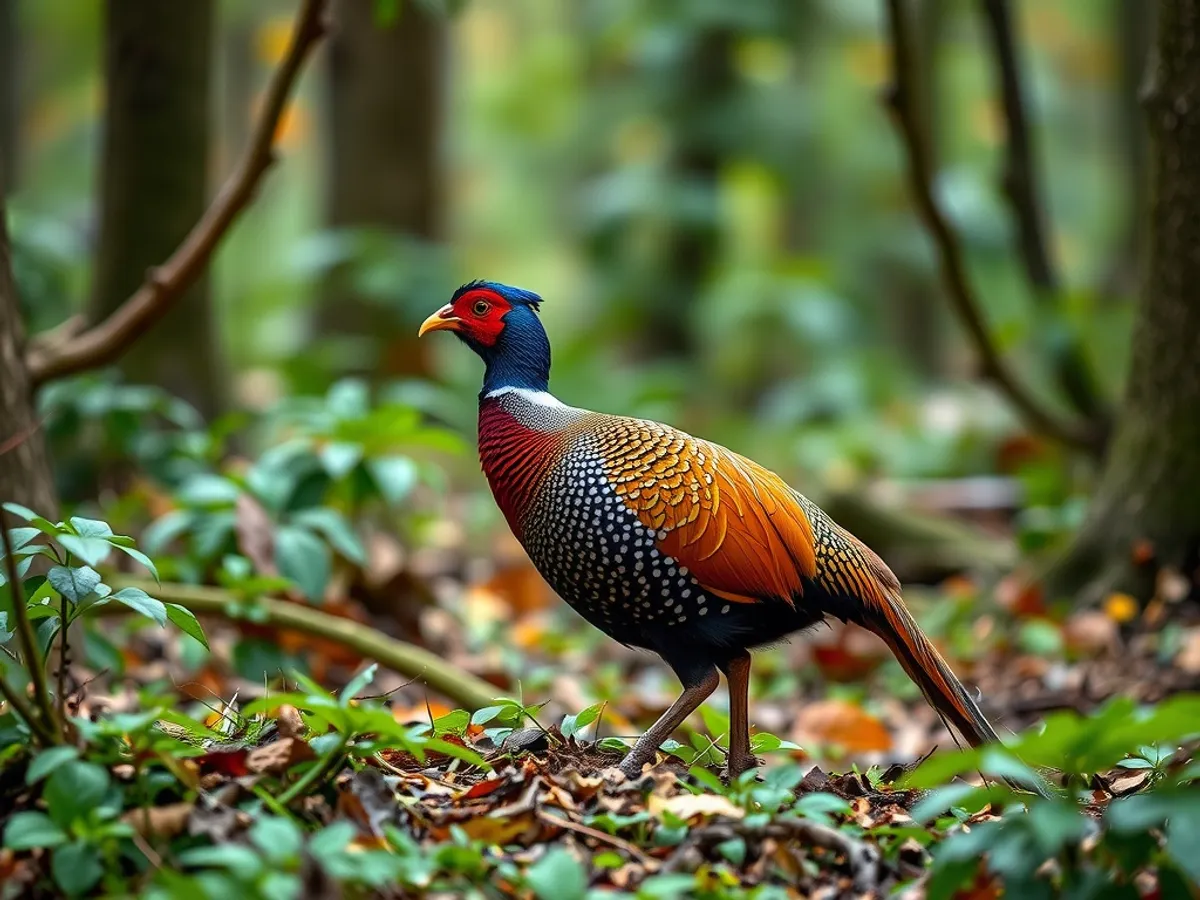
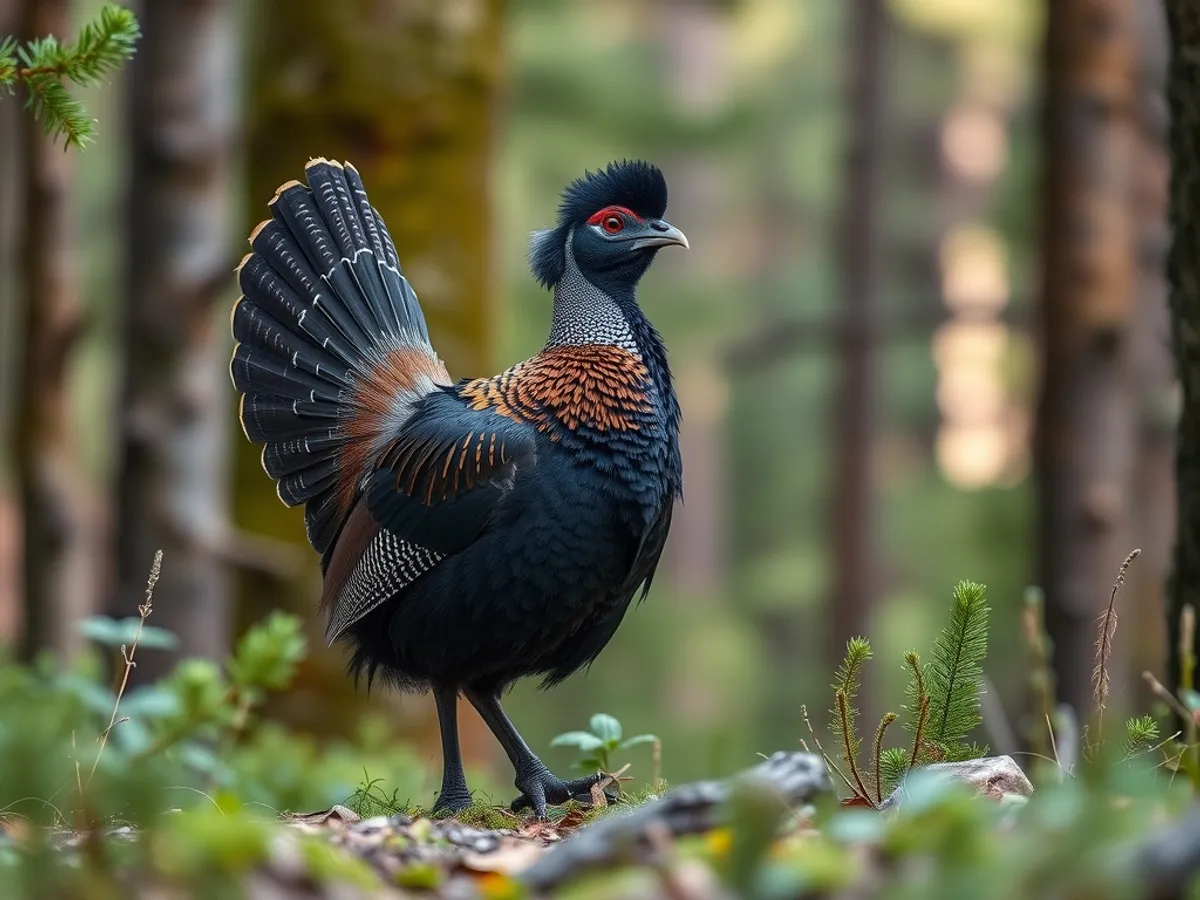
Reeves's Pheasant vs Western Capercaillie
How does the Reeves's Pheasant compare to the Western Capercaillie? They are both members of the Phasianidae family. Below we put their classification, habitat, diet, size, and conservation status side by side — and settle who would win in a fight.
Side-by-side comparison
- Scientific name
- Syrmaticus reevesii
- Tetrao urogallus
- Classification
- Bird
- Bird
- Family
- Phasianidae
- Phasianidae
- Habitat
- Temperate evergreen and deciduous forests with dense undergrowth
- Boreal and temperate coniferous forests
- Diet
- Omnivore
- Herbivore
- Conservation status
- Vulnerable
- Least Concern
- Lifespan
- 10-15 years
- 5-10 years
- Weight
- 1.5-2.1 kg
- Females: 1.5–2.5 kg, Males: 3.5–6.5 kg
Reeves's Pheasant vs Western Capercaillie: who would win?
Reeves's Pheasant
1.5-2.1 kg
Western Capercaillie
Females: 1.5–2.5 kg, Males: 3.5–6.5 kg
Reeves's Pheasant has a slight edge speculative confidence
Reeves's Pheasant and Western Capercaillie are closely matched on size (1.5-2.1 kg vs Females: 1.5–2.5 kg, Males: 3.5–6.5 kg), so Reeves's Pheasant's omnivore diet — built more for hunting — is the tie-breaker. In the wild these two rarely (if ever) meet — this is a what-if based on the size and diet we have on record, not a prediction.
Similarities
- Both are birds.
- Both belong to the Phasianidae family.
Differences
- Habitat: Temperate evergreen and deciduous forests with dense undergrowth vs Boreal and temperate coniferous forests.
- Diet: omnivore vs herbivore.
- Conservation: Vulnerable vs Least Concern.
- Weight: 1.5-2.1 kg vs Females: 1.5–2.5 kg, Males: 3.5–6.5 kg.
Reeves's Pheasant vs Western Capercaillie: FAQ
Who would win in a fight, a Reeves's Pheasant or a Western Capercaillie?
Reeves's Pheasant has a slight edge. Reeves's Pheasant and Western Capercaillie are closely matched on size (1.5-2.1 kg vs Females: 1.5–2.5 kg, Males: 3.5–6.5 kg), so Reeves's Pheasant's omnivore diet — built more for hunting — is the tie-breaker. In the wild these two rarely (if ever) meet — this is a what-if based on the size and diet we have on record, not a prediction.
What is the difference between a Reeves's Pheasant and a Western Capercaillie?
Reeves's Pheasant and Western Capercaillie differ in several ways — habitat: temperate evergreen and deciduous forests with dense undergrowth vs boreal and temperate coniferous forests. diet: omnivore vs herbivore. conservation: vulnerable vs least concern. weight: 1.5-2.1 kg vs females: 1.5–2.5 kg, males: 3.5–6.5 kg.
Do Reeves's Pheasant and Western Capercaillie live in the same habitat?
No — Reeves's Pheasant lives in temperate evergreen and deciduous forests with dense undergrowth, while Western Capercaillie is found in boreal and temperate coniferous forests.
What do Reeves's Pheasant and Western Capercaillie eat?
Reeves's Pheasant has a omnivore diet, while Western Capercaillie has a herbivore diet.
Which is more endangered, the Reeves's Pheasant or the Western Capercaillie?
Reeves's Pheasant is listed as Vulnerable, while Western Capercaillie is listed as Least Concern.
How big are Reeves's Pheasant and Western Capercaillie?
Reeves's Pheasant weighs around 1.5-2.1 kg, while Western Capercaillie weighs around Females: 1.5–2.5 kg, Males: 3.5–6.5 kg.
Full profile
Reeves's Pheasant
Full profile
Western Capercaillie