
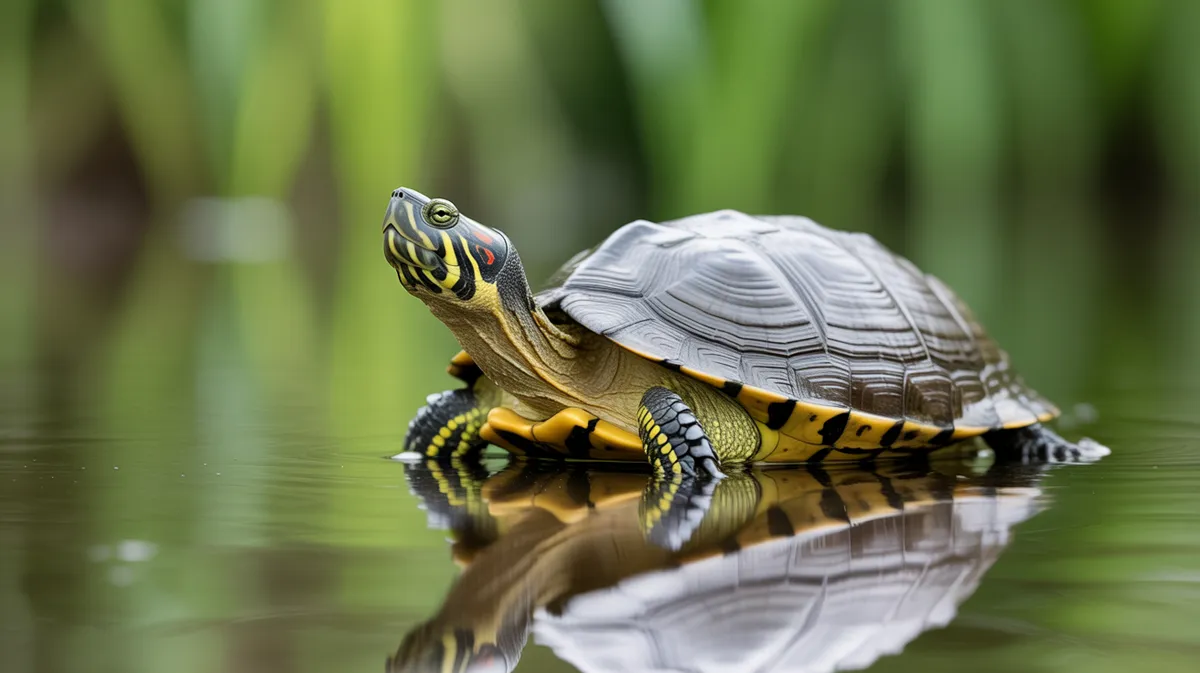
About the African Helmeted Turtle
The African Helmeted Turtle is a small to medium-sized freshwater turtle known for its distinctive domed shell and broad, flattened head. Found throughout much of sub-Saharan Africa and parts of the Middle East, it is highly adaptable and inhabits a variety of freshwater bodies, including ponds, lakes, and slow-moving rivers. This turtle is famous for its ability to survive in temporary water sources by burrowing into mud during dry periods, a behavior known as aestivation. It is an opportunistic feeder, consuming a wide range of animal and plant matter. African Helmeted Turtles are also known for their social basking behavior and occasional group hunting.
Fascinating facts
Unique Egg Laying
African Helmeted Turtles lay their eggs in holes dug into soft earth near water, with clutches ranging from 6 to 25 eggs.
Aestivation Experts
When water sources dry out, these turtles can survive for months by burying themselves in mud and slowing their metabolism.
Varied Diet
Their diet includes insects, fish, amphibians, crustaceans, carrion, and aquatic plants, making them true omnivores.
Detailed description
The African Helmeted Turtle (Pelomedusa subrufa) is a small to medium-sized freshwater turtle, with adults typically reaching a carapace length of 20–32 cm (8–12.5 in), though some individuals may exceed this size. Its domed, oval shell is olive to dark brown, often with a lighter underside, and lacks a hinged plastron, distinguishing it from many other freshwater turtles. The head is broad and flattened, with a distinctive helmet-like appearance, and the neck is notably long and flexible, allowing the turtle to retract its head sideways beneath the shell—a characteristic of the side-necked turtles (Pleurodira). The skin is generally grayish to olive, and the limbs are robust, ending in webbed feet with strong claws adapted for digging and swimming. African Helmeted Turtles are highly adaptable, capable of thriving in both permanent and temporary water bodies, and are known for their remarkable ability to aestivate by burrowing into mud during dry seasons, sometimes remaining dormant for months. They are opportunistic omnivores, feeding on a wide variety of animal prey, carrion, and plant material. Socially, they are often observed basking in groups and may engage in cooperative hunting, particularly when preying on fish or amphibians. Reproduction is oviparous, with females laying clutches of 7–25 eggs in nests dug on land. The species is widely distributed across sub-Saharan Africa and parts of the Middle East, demonstrating considerable ecological plasticity and resilience to environmental fluctuations.
Did you know?
This species is known to hunt cooperatively in groups, herding fish into shallow water to catch them more easily.
Research & sources
Wikipedia summary
The African helmeted turtle, also known commonly as the marsh terrapin, the crocodile turtle, or in the pet trade as the African side-necked turtle, is a species of omnivorous side-necked terrapin in the family Pelomedusidae. The species naturally occurs in fresh and stagnant water bodies throughout much of Sub-Saharan Africa, and in southern Yemen.
Behaviour & social structure
African Helmeted Turtles display a range of complex behaviors. They are primarily diurnal, spending daylight hours foraging, basking, and engaging in social interactions. Basking is a common activity, with individuals often seen piled atop each other on logs or banks to regulate body temperature and reduce parasite loads. Feeding behavior is highly opportunistic; they actively hunt small fish, amphibians, aquatic invertebrates, and scavenge carrion, but will also consume aquatic plants and algae. Notably, group hunting has been observed, where several turtles cooperate to herd and capture prey, especially in shrinking pools during the dry season. During periods of drought, they exhibit aestivation by burrowing into mud and reducing metabolic activity, sometimes remaining underground for several months until rains return. Territoriality is minimal, though males may display aggression during the breeding season. Communication involves tactile and chemical cues, particularly during courtship and mating.
Reproduction & life cycle
Breeding typically coincides with the onset of the rainy season, which varies regionally but often occurs between October and March. Courtship involves males trailing and nipping at females, followed by mounting and copulation in shallow water. Females lay 7–25 leathery eggs per clutch in nests excavated in sandy or muddy soil, usually close to water. Incubation lasts 60–90 days, depending on temperature and humidity. Hatchlings emerge synchronously, often after heavy rains, and are immediately independent, receiving no parental care. Sex determination is believed to be temperature-dependent, though more research is needed to confirm this in Pelomedusa. Females may produce multiple clutches per season if conditions are favorable.
Adaptations & survival
Pelomedusa subrufa exhibits several adaptations for survival in variable and often harsh environments. Its ability to aestivate allows it to survive prolonged droughts by entering a state of torpor underground. The flexible, side-necked retraction mechanism provides protection from predators, as does the cryptic coloration of the shell and skin. Webbed feet facilitate efficient swimming, while strong claws aid in digging nests and burrowing. The species’ omnivorous diet and opportunistic feeding strategies enable it to exploit a wide range of food resources, contributing to its ecological success. Additionally, its tolerance of low-oxygen environments allows it to persist in stagnant or eutrophic waters where other species may not survive.
Cultural significance
The African Helmeted Turtle holds modest cultural significance in various African societies. In some communities, it is associated with water spirits or used in traditional medicine, believed to possess protective or healing properties. The species is occasionally featured in local folklore as a symbol of resilience and adaptability. In the pet trade, it is popular due to its hardiness and distinctive appearance, though this has led to concerns about over-collection in certain areas. There is limited evidence of large-scale ritual or symbolic use compared to other African reptiles.
Recent research
Recent genetic studies have revealed considerable cryptic diversity within the Pelomedusa genus, suggesting that what was once considered a single widespread species may comprise several distinct lineages or species. Ongoing research is focused on clarifying the taxonomy and phylogeography of the group. Ecological studies have examined the species’ role in aquatic food webs, highlighting its function as both predator and scavenger. Investigations into aestivation physiology have provided insights into metabolic suppression and water conservation strategies. Conservation research is increasingly emphasizing the impact of habitat modification and climate variability on reproductive success and population viability.
Videos
Habitat
Freshwater bodies such as ponds, lakes, marshes, and slow-moving rivers
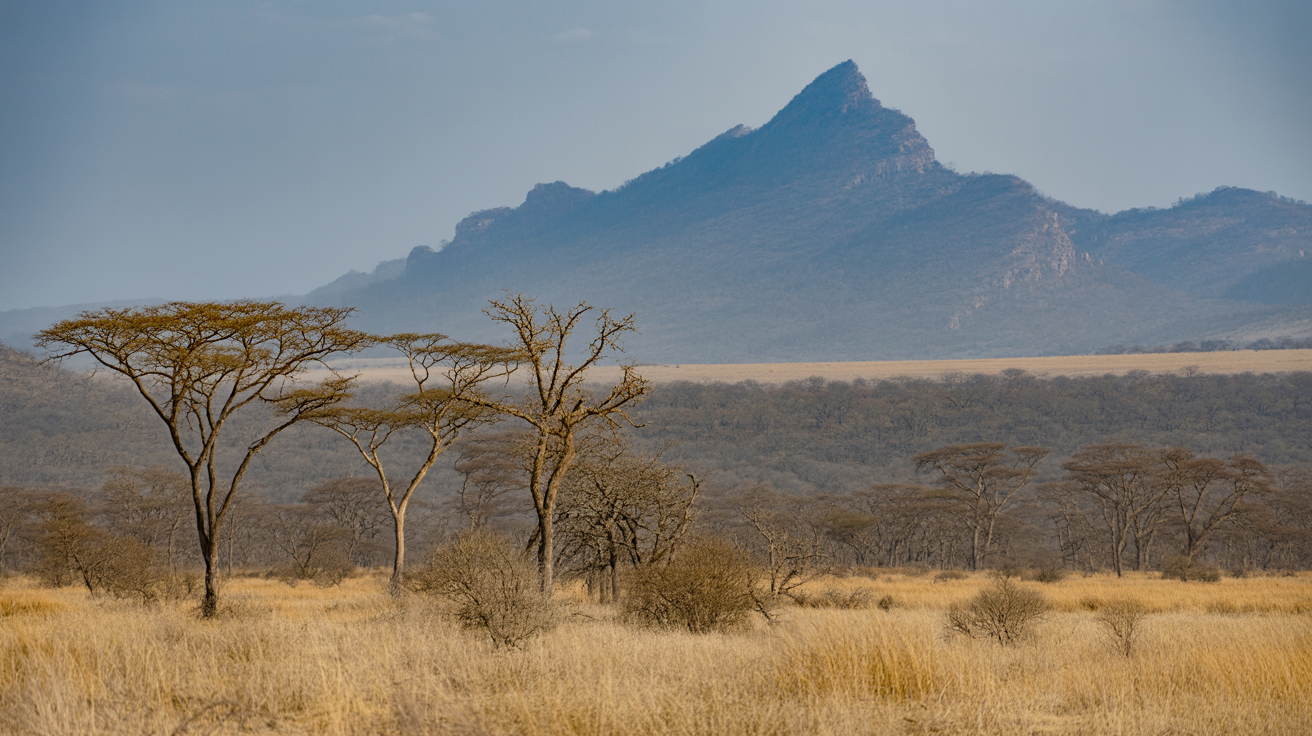 Africa
Savanna
Grasslands with scattered trees, characterized by seasonal rainfall and home to diverse grazing animals and predators.
 Various Continental Regions
Grassland
Open areas dominated by grasses rather than trees, supporting numerous herbivores and their predators.
 Global
Freshwater
Lakes, rivers, and wetlands with diverse aquatic ecosystems.
Conservation
The African Helmeted Turtle is currently classified as Least Concern on the IUCN Red List.
Threats & challenges
Currently classified as Least Concern by the IUCN, the African Helmeted Turtle faces localized threats including habitat loss due to wetland drainage, water pollution, and the introduction of invasive species. In some areas, collection for the pet trade and local consumption poses additional pressures. Climate change, with its impact on rainfall patterns and water availability, may affect breeding success and population dynamics in the future. Despite these challenges, the species’ adaptability and broad distribution have helped maintain stable populations across most of its range. Ongoing monitoring is recommended to detect emerging threats, particularly in regions experiencing rapid environmental change.
Taxonomy
Scientific name
Pelomedusa subrufa
- Kingdom
- Animalia
- Phylum
- Chordata
- Class
- Reptilia
- Order
- Testudines
- Family
- Pelomedusidae
- Genus
- Pelomedusa
- Species
- subrufa
Community notes
Share your observations about the African Helmeted Turtle.
No community notes yet. Be the first!
Discover more wildlife
More fascinating animals from the encyclopedia.