
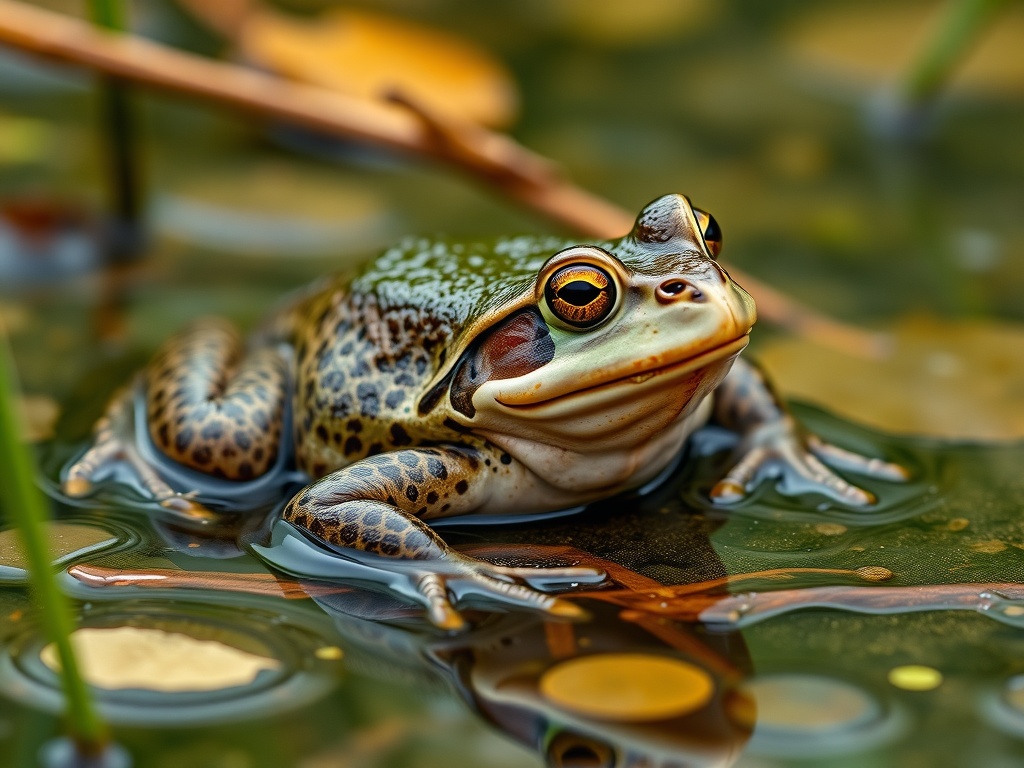
About the American Bullfrog
The American Bullfrog is the largest frog native to North America, recognized for its powerful legs and deep, resonant calls. It has smooth, olive-green skin with subtle bands on its legs and a pale underbelly. This highly adaptable amphibian thrives in a variety of freshwater habitats and is known for its voracious, opportunistic feeding behavior. American Bullfrogs can have significant ecological impacts, particularly in regions where they have been introduced outside their native range. Their loud croaks are a familiar sound in summer wetlands and ponds.
Fascinating facts
Largest North American Frog
The American Bullfrog is the biggest frog species native to North America, sometimes exceeding 20 cm (8 in) in body length.
Voracious Appetite
Bullfrogs are highly opportunistic predators, feeding on insects, fish, crustaceans, small reptiles, and even small birds and mammals.
Distinctive Call
The male bullfrog's deep, booming call is a signature sound of North American wetlands and is used to establish territory and attract mates.
Detailed description
The American Bullfrog (Lithobates catesbeianus) is the largest native North American frog, with adult females reaching snout-vent lengths of up to 20 cm (8 in) and weights exceeding 500 g (1.1 lbs), while males are typically smaller. Its robust, muscular body is characterized by smooth, olive to greenish-brown dorsal skin, often mottled with darker spots, and a pale ventral surface. Distinctive features include a broad, flat head, large tympanic membranes (external eardrums), and powerful hind limbs adapted for leaping and swimming. Unlike many other frogs, bullfrogs lack dorsolateral folds, instead displaying a prominent fold running from behind the eye around the tympanum. Their eyes are large and set high on the head, providing a wide field of vision for detecting predators and prey. Bullfrogs are primarily aquatic, spending most of their lives in or near water bodies, and are known for their deep, resonant 'jug-o-rum' calls produced by males during the breeding season. They are highly opportunistic feeders, consuming a wide variety of prey, including insects, crustaceans, small mammals, birds, and even other amphibians. The species is noted for its invasive potential, having established populations on multiple continents outside its native range, where it can disrupt local ecosystems. Bullfrogs are long-lived for amphibians, with lifespans in the wild reaching up to 7–9 years, and even longer in captivity.
Did you know?
American Bullfrog tadpoles can take up to two years to fully metamorphose into adults, especially in cooler climates.
Research & sources
Wikipedia summary
The American bullfrog, often simply known as the bullfrog in Canada and the United States, is a large true frog native to eastern North America. It typically inhabits large permanent water bodies such as swamps, ponds, and lakes. Bullfrogs can also be found in manmade habitats such as pools, koi ponds, canals, ditches and culverts. The bullfrog gets its name from the sound the male makes during the breeding season, which sounds similar to a bull bellowing. The bullfrog is large and is commonly eaten throughout its range, especially in the southern United States where they are plentiful.
Behaviour & social structure
American Bullfrogs are primarily crepuscular and nocturnal, becoming most active at dusk and during the night, although they may bask during the day in cooler weather. They are solitary and territorial, especially during the breeding season when males establish and defend calling sites along the water's edge. Their hunting strategy is sit-and-wait predation: they remain motionless, blending into their surroundings, and ambush prey with rapid tongue projection. Bullfrogs are known for their voracious appetite and will consume almost any animal they can overpower and swallow, including conspecifics (cannibalism is documented, especially among juveniles). Vocalizations play a crucial role in social interactions, with males producing loud calls to attract females and deter rivals. Outside the breeding season, interactions are minimal, and individuals may be aggressive if territories overlap. Bullfrogs overwinter by burrowing into mud or beneath debris at the bottom of ponds, entering a state of torpor until temperatures rise in spring.
Reproduction & life cycle
Breeding occurs from late spring to midsummer, triggered by rising water temperatures (typically above 17°C/63°F). Males congregate in shallow water and produce advertisement calls to attract females and establish dominance hierarchies. Amplexus (the mating embrace) is axillary, with the male grasping the female behind her forelimbs. Females lay large clutches of eggs—ranging from 6,000 to over 20,000—on the water surface, often attached to submerged vegetation. Eggs hatch in 3–5 days, depending on temperature. The larval (tadpole) stage is prolonged, lasting from several months to up to three years, especially in cooler climates. Tadpoles are herbivorous, feeding on algae and detritus, and undergo metamorphosis into froglets at sizes of 6–9 cm (2.4–3.5 in). There is no parental care post-oviposition; survival rates are low due to predation and environmental factors.
Adaptations & survival
Bullfrogs exhibit several adaptations for aquatic and predatory lifestyles. Their powerful hind limbs enable both explosive jumps on land and strong swimming in water. The large, upward-facing eyes and sensitive tympanic membranes facilitate detection of both prey and predators. Their skin is permeable, allowing cutaneous respiration, which is crucial during submerged periods. Bullfrogs can tolerate a wide range of environmental conditions, including variable water quality and temperature, contributing to their invasive success. Their broad diet and rapid growth rates give them a competitive edge over native amphibians. Tadpoles possess chemical defenses that reduce predation risk, and adults can secrete mild toxins from skin glands.
Cultural significance
The American Bullfrog holds cultural and economic importance in various regions. Its loud calls are emblematic of summer wetlands and have inspired folklore and local names. Bullfrogs are harvested for their legs, considered a delicacy in North American and international cuisine, especially in the southern United States and parts of Asia. They are also used in educational settings, scientific research, and the pet trade. In literature and popular culture, bullfrogs are often depicted as symbols of wetlands and rural life.
Recent research
Recent research has focused on the bullfrog's role as an invasive species and its impact on native amphibian populations, particularly in the western United States, Europe, and Asia. Studies have examined its resistance to chytrid fungus and its function as a disease reservoir. Genomic analyses have provided insights into its rapid growth, immune system, and adaptability. Ongoing research also explores the effects of environmental contaminants (e.g., pesticides, endocrine disruptors) on bullfrog development and reproduction. Conservation efforts in invaded regions include targeted removal and habitat management.
Videos
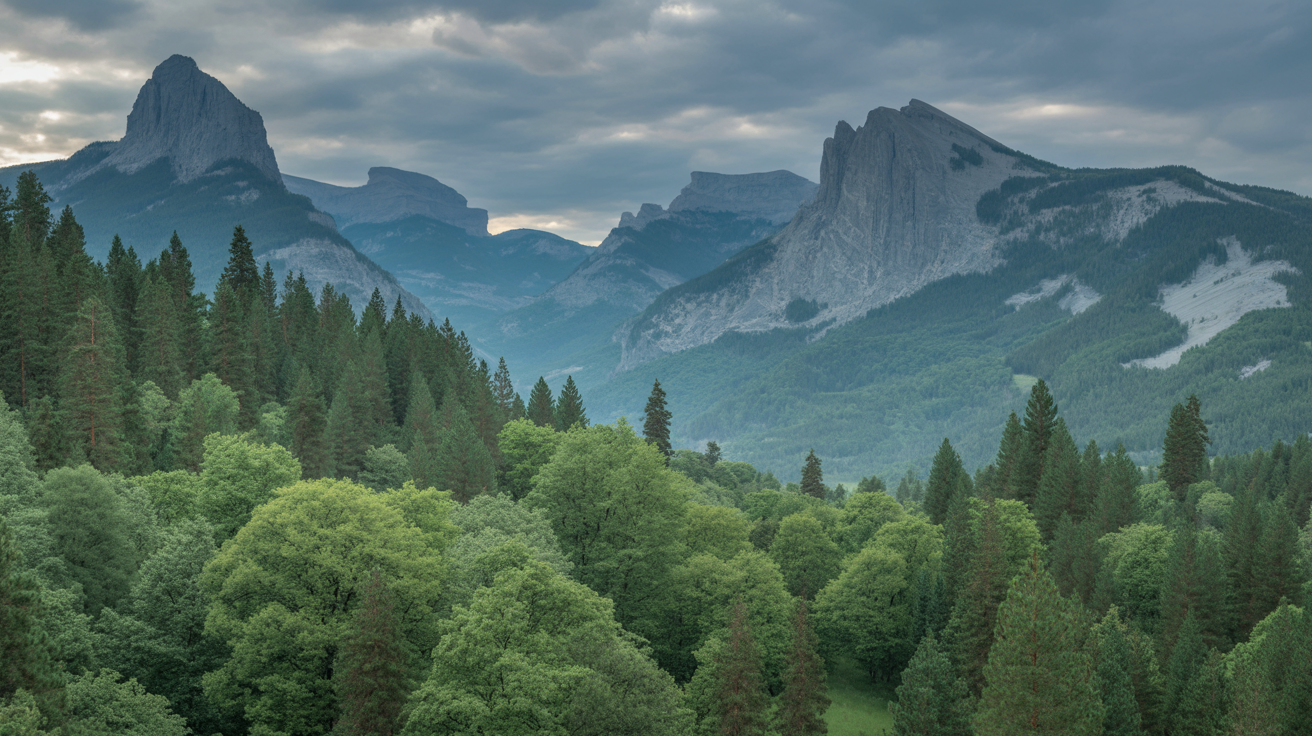
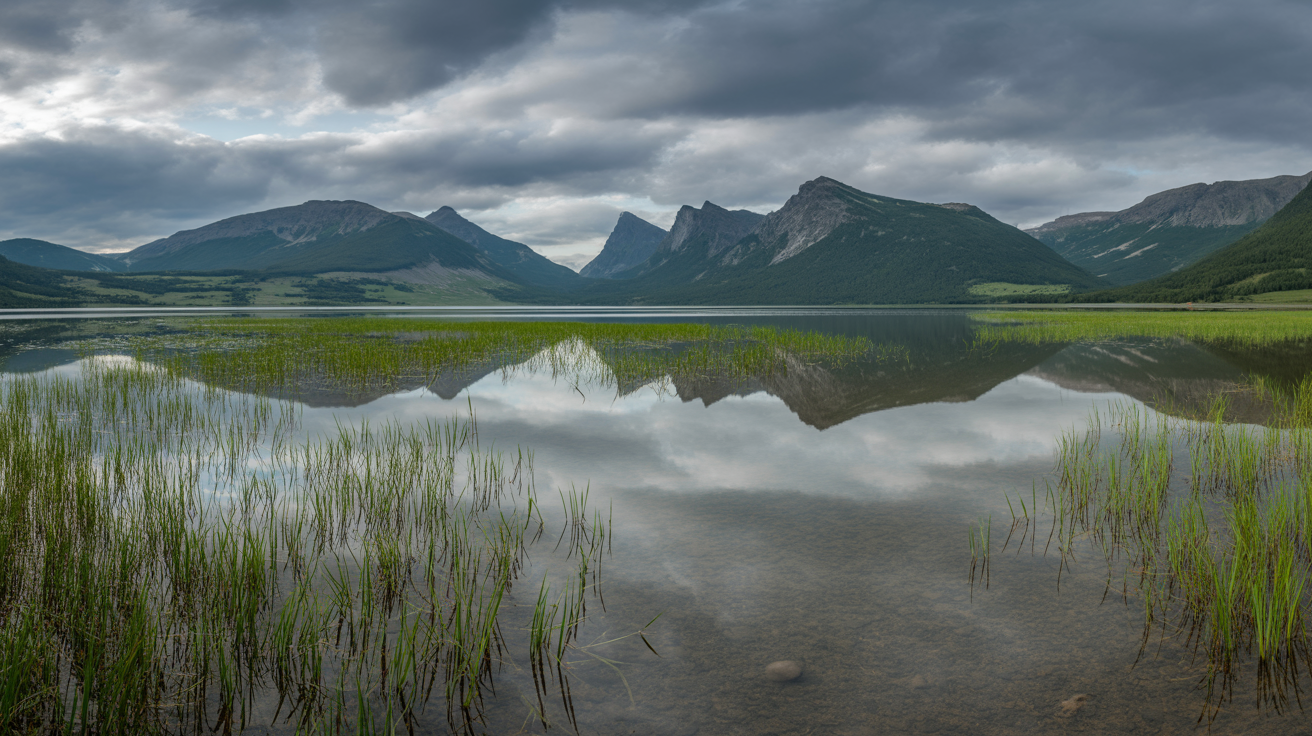
Habitat
Freshwater wetlands, ponds, lakes, and slow-moving streams
Conservation
The American Bullfrog is currently classified as Least Concern on the IUCN Red List.
Threats & challenges
While the American Bullfrog is classified as Least Concern by the IUCN due to its wide distribution and large populations, localized threats include habitat loss, water pollution, and disease (notably chytridiomycosis caused by Batrachochytrium dendrobatidis). In its introduced range, the bullfrog poses significant ecological challenges, outcompeting and preying upon native amphibians and small vertebrates, and acting as a reservoir for amphibian pathogens. In some areas, overharvesting for food and the pet trade can impact local populations, but overall, the species remains abundant. Climate change may alter breeding phenology and habitat suitability in the future.
Taxonomy
Scientific name
Lithobates catesbeianus
- Kingdom
- Animalia
- Phylum
- Chordata
- Class
- Amphibia
- Order
- Anura
- Family
- Ranidae
- Genus
- Lithobates
- Species
- catesbeianus
Where to see an american bullfrog
1 zoo and aquarium in 1 country are recorded as keeping this species.
Community notes
Share your observations about the American Bullfrog.
No community notes yet. Be the first!
Discover more wildlife
More fascinating animals from the encyclopedia.