
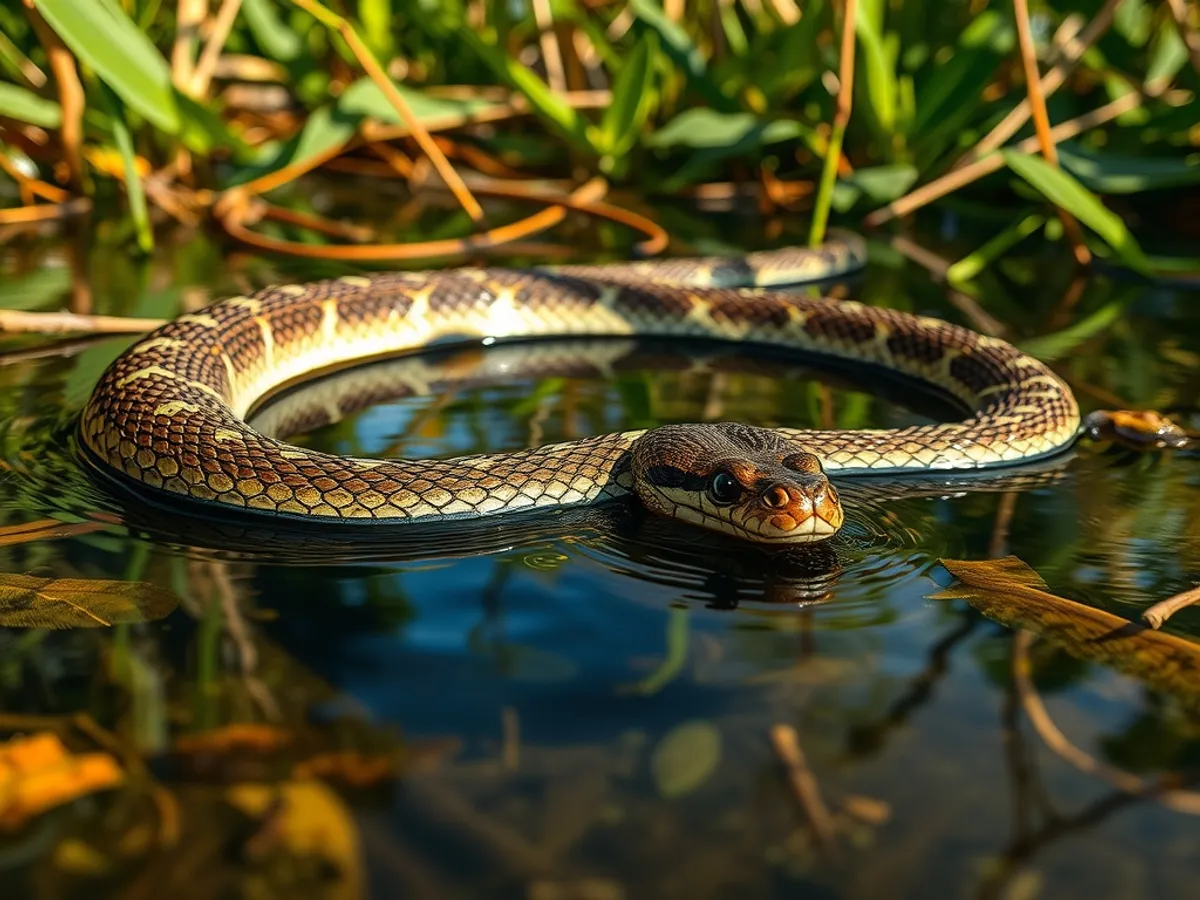
About the Arafura file snake
The Arafura file snake is a large, aquatic, non-venomous snake native to northern Australia and southern New Guinea. It is recognized by its loose, baggy skin covered in rough, file-like scales, which help it grip slippery prey underwater. This nocturnal reptile spends most of its life in freshwater rivers, billabongs, and floodplains, rarely venturing far from the water’s edge. Females are significantly larger than males and can reach lengths of up to 2.5 meters. The Arafura file snake is well-adapted for aquatic life and is known for its slow, deliberate movements.
Fascinating facts
Baggy Skin
The Arafura file snake's skin is so loose and wrinkled that it helps the snake grip slippery prey and maneuver easily in the water.
Aquatic Lifestyle
This species spends almost its entire life in freshwater habitats and is rarely seen on land, making it one of the most aquatic snakes in the world.
Fish Eater
Its primary diet consists of fish and other aquatic animals, which it hunts at night using stealth and its unique skin texture.
Detailed description
The Arafura file snake (Acrochordus arafurae) is a large, fully aquatic snake distinguished by its extremely loose, baggy skin and rough, granular scales, which give it a file-like texture. Adults typically range from 1.5 to 2.5 meters in length, with females being markedly larger and more robust than males—a pronounced example of sexual dimorphism. The head is small and only slightly distinct from the neck, with nostrils positioned dorsally to facilitate breathing while submerged. The eyes are also set high on the head, an adaptation for aquatic hunting. The body is laterally compressed, aiding in swimming, and the tail is short and paddle-shaped. Coloration is generally olive to brown dorsally, with a lighter, sometimes yellowish ventral surface. This species is nocturnal and spends almost its entire life in water, rarely basking or venturing onto land. Its skin is highly permeable, allowing for cutaneous respiration, which is advantageous in low-oxygen environments. The Arafura file snake is solitary outside of the breeding season and relies heavily on stealth and ambush to capture prey, primarily fish and occasionally amphibians. Its unique skin texture allows it to grip slippery prey, and its slow metabolism enables it to survive long periods between meals.
Did you know?
Despite being non-venomous, the Arafura file snake is sometimes mistaken for a dangerous species due to its large size and unusual appearance.
Research & sources
Wikipedia summary
Acrochordus arafurae, known by the common names Arafura file snake, elephant trunk snake, and wrinkle file snake, is an aquatic snake species found in northern Australia and New Guinea. No subspecies are currently recognized.
Behaviour & social structure
Arafura file snakes are primarily nocturnal, becoming active at dusk and throughout the night. They are ambush predators, often lying motionless among submerged vegetation or debris, waiting for fish to approach within striking distance. Their slow, deliberate movements minimize disturbance in the water, making them effective hunters. When threatened, they may flatten their bodies and remain still, relying on camouflage rather than fleeing. Social interactions are minimal; individuals are generally solitary except during the breeding season. They exhibit little territoriality, with overlapping home ranges in suitable habitats. During the dry season, they may aestivate in mud or deep pools to avoid desiccation. Feeding is infrequent, with adults sometimes going weeks between meals, and prey is swallowed alive due to the snake’s non-venomous nature.
Reproduction & life cycle
Acrochordus arafurae is ovoviviparous, meaning females retain eggs internally until live young are born. Mating typically occurs during the wet season (December to March), coinciding with increased prey availability and optimal environmental conditions. Females may store sperm, allowing for delayed fertilization. Gestation lasts approximately 5 to 6 months, after which females give birth to litters of 6 to 17 fully formed young, each measuring 30–40 cm in length. There is no parental care post-birth; neonates are independent from birth and immediately capable of swimming and hunting. Females breed biennially or less frequently, likely due to the energetic demands of reproduction and the time required to accumulate sufficient fat reserves.
Adaptations & survival
The Arafura file snake exhibits several remarkable adaptations for aquatic life. Its loose, baggy skin with rough, keeled scales provides a secure grip on slippery fish, its primary prey. The highly permeable skin facilitates cutaneous respiration, supplementing lung breathing and allowing survival in hypoxic (low-oxygen) waters. The laterally compressed body and paddle-like tail enhance swimming efficiency, while dorsally positioned nostrils and eyes enable the snake to breathe and observe surroundings with minimal exposure. Its slow metabolism is an adaptation to variable food availability in aquatic environments. Additionally, the species can tolerate a wide range of water temperatures and can survive periods of drought by burrowing into mud or retreating to deeper water.
Cultural significance
The Arafura file snake holds significance for several Indigenous communities in northern Australia and New Guinea, where it is traditionally harvested for food and its skin, which is used in making drums and other items. In some Aboriginal cultures, the snake features in local mythology and Dreamtime stories, symbolizing water and fertility. Its unusual appearance and aquatic habits have also made it a subject of curiosity in herpetoculture, though it is not commonly kept due to its specialized care requirements.
Recent research
Recent research has focused on the unique skin morphology and its role in prey capture, as well as the snake’s physiological adaptations to hypoxic environments. Genetic studies have clarified the distinction between A. arafurae and closely related file snake species, supporting its current taxonomic status. Ongoing ecological studies are examining the impacts of habitat modification and climate change on population dynamics. There is also interest in the species’ reproductive biology, particularly sperm storage and the energetic costs of reproduction in large aquatic snakes.
Sources
Snake Species of the World: A Taxonomic and Geographic Reference, vol. 1
McDiarmid RW, Campbell JA, Touré T. (1999)
scientificAcrochordus arafurae: The IUCN Red List of Threatened Species 2010
Sanders, K., Guinea, M., Cogger, H.
conservationFunctional morphology of the skin in Acrochordidae (Reptilia: Serpentes)
Gans, C. & D. A. Baic (1977)
scientificVideos
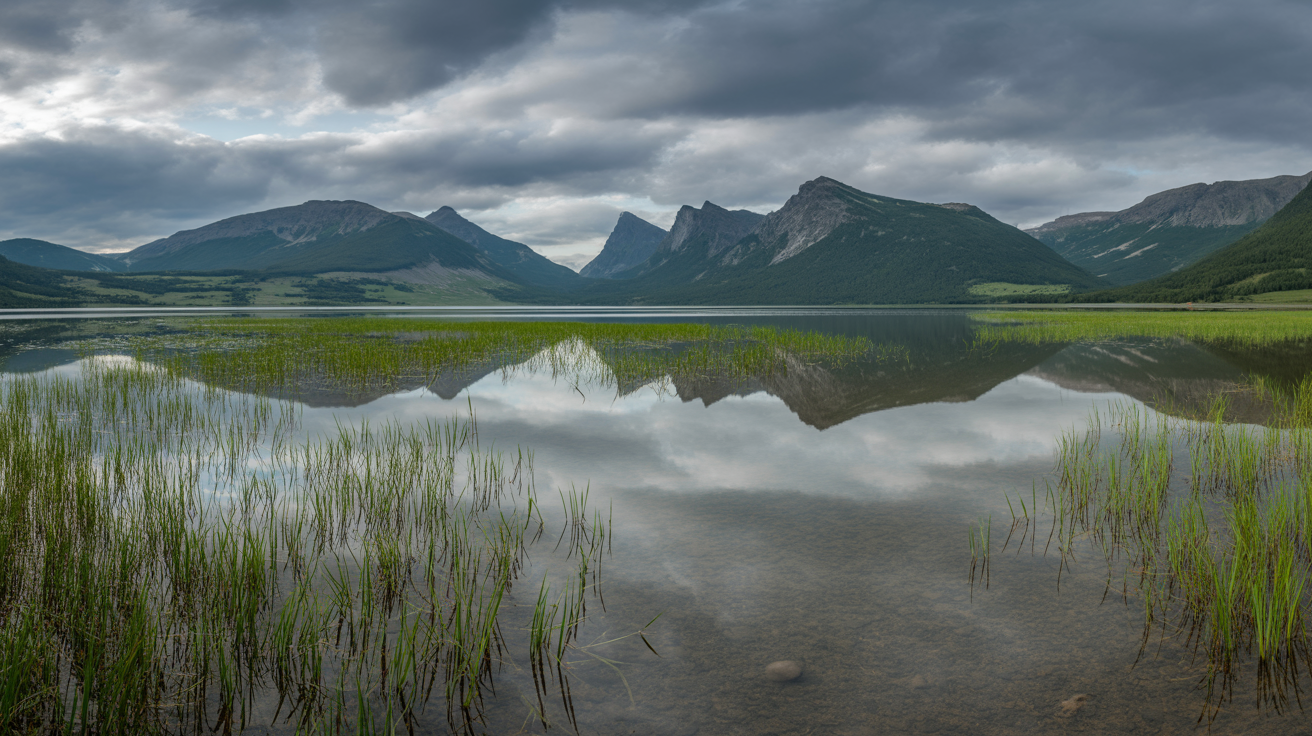
Habitat
Freshwater rivers, billabongs, and floodplains
Conservation
The Arafura file snake is currently classified as Least Concern on the IUCN Red List.
Threats & challenges
Currently listed as Least Concern by the IUCN, the Arafura file snake faces localized threats from habitat degradation, particularly due to water pollution, wetland drainage, and changes in river flow from agriculture and development. Overharvesting for the pet trade and for indigenous food and skin use has been reported in some areas, but does not currently threaten the species at a population level. Climate change poses a potential long-term threat through alteration of wetland habitats. Invasive species, such as cane toads and predatory fish, may also impact prey availability. Despite these pressures, populations remain stable across much of their range, though ongoing monitoring is recommended.
Taxonomy
Scientific name
Acrochordus arafurae
- Kingdom
- Animalia
- Phylum
- Chordata
- Class
- Reptilia
- Order
- Squamata
- Family
- Acrochordidae
- Genus
- Acrochordus
- Species
- arafurae
Community notes
Share your observations about the Arafura file snake.
No community notes yet. Be the first!
Discover more wildlife
More fascinating animals from the encyclopedia.