
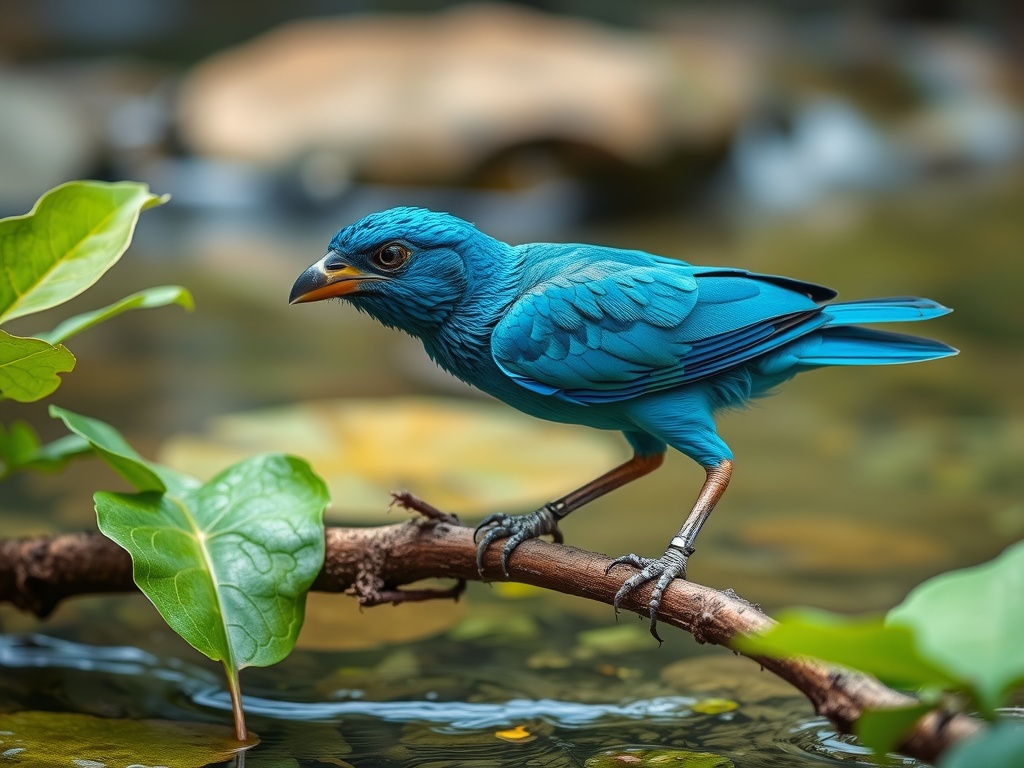
About the Blue acara
The Blue acara is a vibrant freshwater cichlid native to South America, known for its striking blue-green coloration and iridescent scales. This medium-sized fish is popular in the aquarium trade due to its hardy nature and relatively peaceful temperament compared to other cichlids. In the wild, Blue acaras inhabit slow-moving rivers and streams with sandy or muddy substrates, often surrounded by dense vegetation. They are attentive parents, engaging in complex breeding behaviors and actively guarding their fry.
Fascinating facts
Bright Blue Color
Their metallic blue-green hue is caused by reflective cells in their skin, making them one of the most colorful cichlids in their habitat.
Parental Care
Blue acaras are attentive parents, with both males and females guarding and fanning their eggs until they hatch.
Flexible Diet
They are opportunistic omnivores, eating insects, crustaceans, plant matter, and detritus in the wild.
Detailed description
The Blue acara (Andinoacara pulcher) is a robust, medium-sized cichlid distinguished by its shimmering blue-green coloration, metallic iridescence, and subtle vertical barring along the flanks. Adults typically reach 13–16 cm in length, with males being slightly larger and exhibiting more elongated dorsal and anal fin extensions. The species possesses a laterally compressed body, rounded head, and prominent lips, adaptations for foraging in substrate-rich environments. Blue acaras display sexual dimorphism, with males showing brighter coloration and longer fin rays. Their eyes are large and set high on the head, aiding in scanning for both prey and predators. In the wild, they are typically found in slow-moving or still waters with sandy or muddy bottoms and abundant submerged vegetation, which provides cover and breeding sites. Socially, Blue acaras are semi-territorial, forming monogamous pairs during the breeding season and defending nesting sites aggressively. Their omnivorous diet includes insects, crustaceans, plant matter, and detritus, reflecting their ecological flexibility. Notably, Blue acaras are attentive parents, engaging in biparental care: both sexes participate in cleaning, fanning, and guarding the eggs and fry. Their adaptability and resilience have contributed to their success in both natural habitats and the aquarium trade.
Did you know?
Despite their dazzling appearance, Blue acaras are among the easiest South American cichlids to care for, making them favorites among beginner and experienced aquarists alike.
Research & sources
Wikipedia summary
The blue acara is a colorful freshwater fish in the cichlid family. This fish can be found in various freshwater habitats, ranging from standing water to flowing streams, in Venezuela and Trinidad. They can reach lengths of 16 cm (6.3 in). The scientific species name is indicative to its looks; pulcher meaning "beautiful" in Latin. The blue acara is a common cichlid sold in many aquarium stores, and is sometimes confused with the larger green terror.
Behaviour & social structure
Blue acaras are generally peaceful for cichlids, though they can become territorial during breeding or when establishing a hierarchy. In the wild, they are diurnal, foraging during daylight hours and seeking shelter at night among roots or dense vegetation. Their feeding behavior involves sifting through substrate to locate invertebrates and organic debris, using their sensitive lips and pharyngeal teeth. Socially, they may form loose aggregations outside of breeding periods but become highly territorial when spawning, with pairs defending a defined area against intruders. Courtship involves elaborate displays, including fin flaring, body quivering, and substrate cleaning. Blue acaras communicate through body postures and color changes, with intensified hues signaling aggression or readiness to breed. They are known for their inquisitive nature and can recognize individual conspecifics and even human caretakers in captivity.
Reproduction & life cycle
Blue acaras are substrate spawners, forming monogamous pairs that select and meticulously clean a flat surface—such as a rock, broad leaf, or submerged wood—for egg deposition. Spawning typically occurs during the rainy season in their native range, when water temperatures rise to 24–28°C. The female lays 150–300 adhesive eggs in neat rows, which are immediately fertilized by the male. Both parents guard the clutch, with the female primarily tending to the eggs (fanning and removing debris) and the male patrolling the territory. Incubation lasts 2–3 days, after which the larvae are moved to shallow pits excavated by the parents. Fry become free-swimming after 5–7 days and are closely guarded and herded by both parents for several weeks, receiving protection and guidance to food sources. This high level of parental investment increases offspring survival in the wild.
Adaptations & survival
Blue acaras exhibit several adaptations for survival in variable freshwater environments. Their laterally compressed bodies and strong pectoral fins allow for agile maneuvering among submerged vegetation and debris. The species' omnivorous dentition, including pharyngeal teeth, enables efficient processing of both animal and plant material. Their coloration provides camouflage against dappled light and aquatic plants, while the ability to intensify hues serves as a social and reproductive signal. Behavioral flexibility, such as tolerance for a wide range of water conditions (pH 6.0–8.0, moderate hardness), has facilitated their persistence in both pristine and disturbed habitats. Their advanced parental care, rare among fish, is a key evolutionary trait that enhances reproductive success.
Cultural significance
The Blue acara holds considerable value in the global aquarium trade, prized for its vibrant coloration, manageable size, and relatively peaceful temperament. It is often recommended as a 'beginner's cichlid' and has contributed to the popularity of South American cichlids in aquaristics. In its native range, there is limited evidence of traditional or symbolic use, but the species is sometimes featured in local folklore as a symbol of beauty and parental devotion. Selective breeding has produced ornamental strains, such as the 'electric blue' morph, further enhancing its cultural and economic significance.
Recent research
Recent scientific studies have focused on the phylogenetic relationships within the genus Andinoacara, clarifying the distinction between A. pulcher and closely related species such as the Green Terror (A. rivulatus). Behavioral research has examined the neuroendocrine mechanisms underlying biparental care and social hierarchy formation. Ecological studies are investigating the species' role in nutrient cycling and its responses to environmental stressors, such as fluctuating water quality. Ongoing research aims to understand the genetic basis of coloration and adaptation to captive environments, with implications for both conservation and aquaculture.
Videos
Habitat
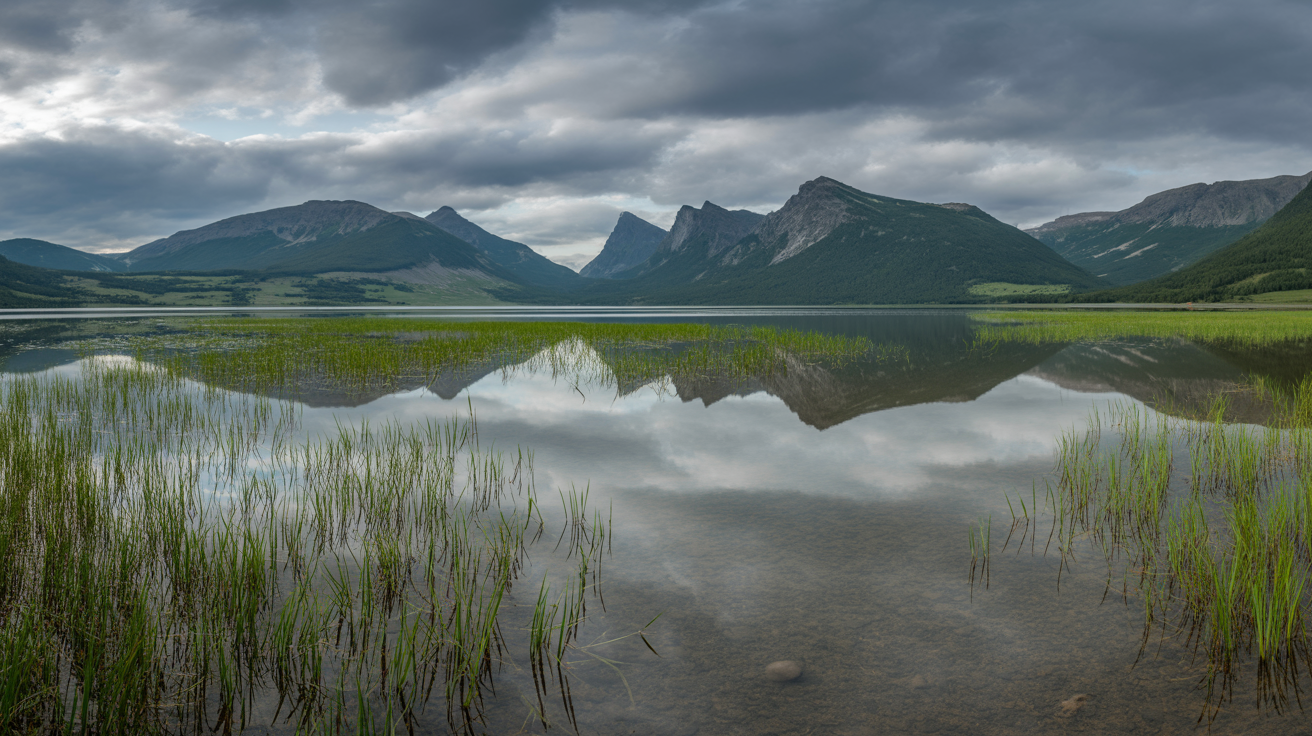
Freshwater rivers and streams

Conservation
The Blue acara is currently classified as Least Concern on the IUCN Red List.
Threats & challenges
Currently, the Blue acara is classified as Least Concern by the IUCN, with stable populations across its native range in Venezuela, Trinidad, and parts of northern South America. However, localized threats include habitat degradation from deforestation, agricultural runoff, and water pollution, which can reduce spawning sites and food availability. Over-collection for the aquarium trade is not considered a significant threat due to the species' prolific breeding in captivity. Climate change and invasive species pose potential future risks by altering habitat structure and competitive dynamics. Conservation efforts focus on maintaining healthy freshwater ecosystems and monitoring wild populations for signs of decline.
Taxonomy
Scientific name
Andinoacara pulcher
- Kingdom
- Animalia
- Phylum
- Chordata
- Class
- Actinopterygii
- Order
- Cichliformes
- Family
- Cichlidae
- Genus
- Andinoacara
- Species
- pulcher
Community notes
Share your observations about the Blue acara.
No community notes yet. Be the first!
Discover more wildlife
More fascinating animals from the encyclopedia.