
About the Common chuckwalla
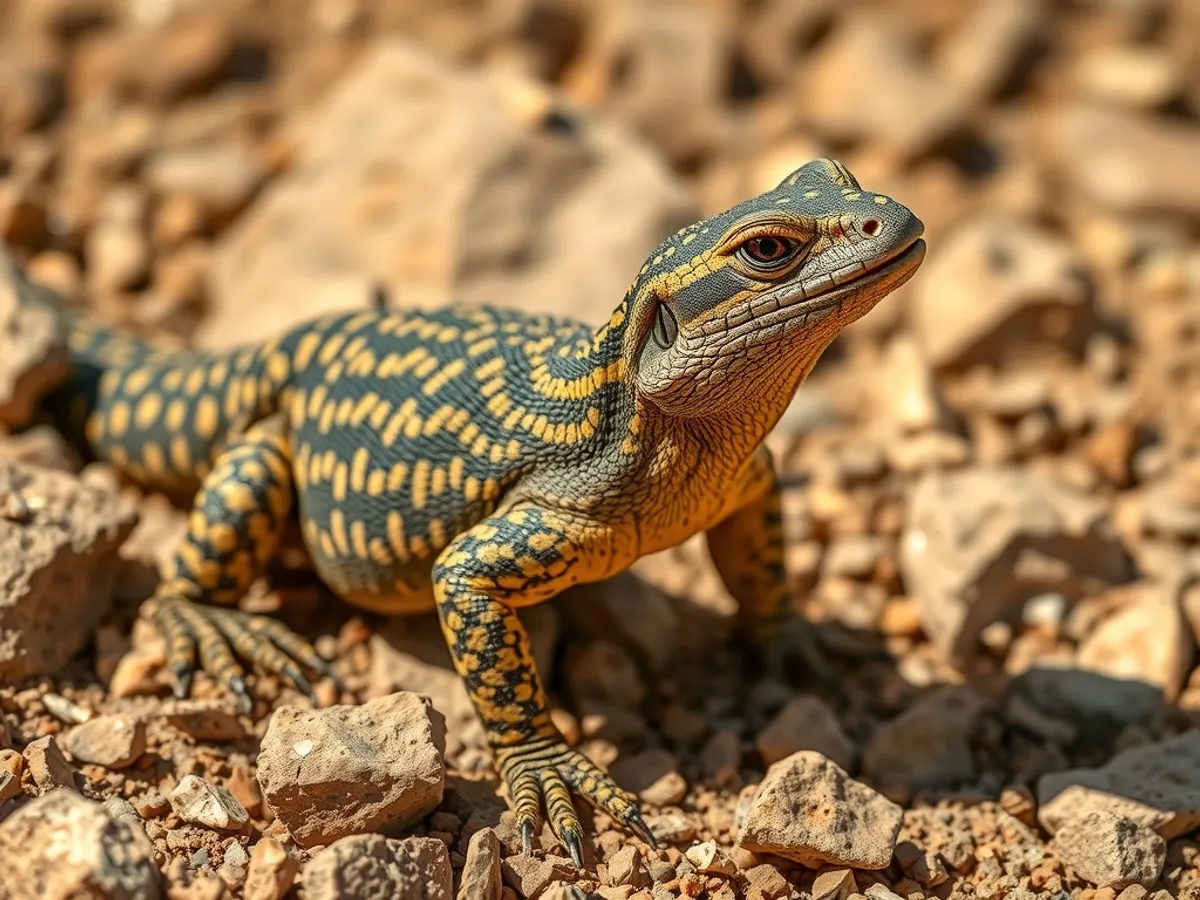
The common chuckwalla is a large, robust lizard native to arid regions of the southwestern United States and northwestern Mexico. Known for its loose, baggy skin and blunt tail, this reptile is well adapted to life in rocky deserts, where it basks on sun-warmed stones and darts into crevices to escape predators. Chuckwallas are predominantly herbivorous, feeding on leaves, flowers, and fruits of desert plants. They are diurnal, relying on the sun to regulate their body temperature, and exhibit interesting defensive behaviors such as inflating their bodies to wedge tightly into rock cracks.
Fascinating facts
Rocky Refuge
Chuckwallas are masters at wedging themselves into rock crevices, inflating their bodies to deter predators.
Desert Diet
Their herbivorous diet consists mainly of desert plants, such as creosote bush leaves, flowers, and fruits.
Sun Seekers
These lizards are diurnal and rely on basking in the sun to regulate their body temperature throughout the day.
Detailed description
The common chuckwalla (Sauromalus ater) is a large, robust lizard, with adults typically reaching 40–50 cm (16–20 in) in total length, and weighing up to 0.9 kg (2 lbs), making it one of the largest lizards native to the deserts of North America. Its body is characterized by loose, baggy skin, especially along the sides, which aids in thermoregulation and defensive inflation. The coloration varies from gray to brown or black, often matching the local rock substrate, providing effective camouflage. The head is blunt and rounded, with small, granular scales covering the body and a thick, blunt tail used for balance and defense. Chuckwallas are primarily diurnal and are most active during the hottest parts of the day, often seen basking on rocks. Their limbs are strong and equipped with sharp claws for climbing and digging. They possess a specialized herbivorous digestive tract, including an enlarged colon for fermenting tough desert plant material. Socially, they are generally solitary but may share basking sites or crevices, especially during cooler months. When threatened, they retreat into rock crevices and inflate their bodies by gulping air, making extraction by predators nearly impossible. Their lifespan in the wild is estimated at 15–25 years, with some individuals in captivity living beyond 30 years.
Did you know?
Despite living in harsh, arid environments, chuckwallas can go for long periods without drinking water, obtaining most of their moisture from the plants they eat.
Research & sources
Wikipedia summary
Sauromalus ater, also known as the common chuckwalla or northern chuckwalla, is a species of lizard in the family Iguanidae. It inhabits the Sonoran and Mojave Deserts of the Southwestern United States and northwestern Mexico. Its range extends from eastern California, Utah, and Nevada south to Baja California and Sonora.
Behaviour & social structure
Sauromalus ater exhibits a crepuscular and diurnal activity pattern, with peak activity during mid-morning and late afternoon when ambient temperatures are optimal (32–39°C/90–102°F). The species is primarily herbivorous, feeding on a wide variety of desert flora, including leaves, flowers, fruits, and occasionally seeds from plants such as creosote bush (Larrea tridentata), brittlebush (Encelia spp.), and various cacti. Feeding is opportunistic and seasonal, with diet composition shifting according to plant availability. Chuckwallas are territorial, with males defending prime basking and feeding sites through visual displays, including push-ups, head-bobbing, and tail-lashing. Physical combat is rare but may occur during the breeding season. They are known for their rapid retreat into rock crevices at the first sign of danger, where they inflate their bodies to wedge themselves securely. Daily routines consist of basking to raise body temperature, foraging, and seeking shelter during the hottest midday hours.
Reproduction & life cycle
Reproduction in the common chuckwalla is seasonal, with mating typically occurring in the spring (March to May) following emergence from winter brumation. Males establish and defend territories to attract females. Courtship involves head-bobbing, circling, and gentle biting. Females lay a single clutch of 5–16 leathery eggs in shallow nests dug in sandy or loose soil, usually in late spring or early summer. Incubation is temperature-dependent and lasts approximately 8–10 weeks. Hatchlings emerge in late summer or early fall, measuring about 7–10 cm (2.8–4 in) in length. There is no parental care; juveniles are independent from birth. Sexual maturity is reached at 2–3 years of age, depending on food availability and environmental conditions.
Adaptations & survival
Sauromalus ater is highly adapted to arid, rocky desert environments. Its loose skin and ability to inflate the body serve as both a defensive mechanism and a means of thermoregulation. The dark dorsal coloration enhances heat absorption during morning basking, while lighter ventral surfaces reduce overheating. The species is able to tolerate high body temperatures (up to 42°C/108°F) and can survive extended periods without free-standing water, obtaining moisture from succulent plants. Its herbivorous diet is supported by a specialized gut flora that ferments fibrous plant material. Behavioral adaptations include crevice-dwelling, which provides refuge from predators and extreme temperatures, and seasonal brumation during colder months to conserve energy.
Cultural significance
Chuckwallas have featured in the folklore and traditional knowledge of Indigenous peoples of the southwestern United States and northern Mexico. Some Native American groups, such as the Cahuilla and Seri, historically hunted chuckwallas for food, utilizing their meat and fat. The lizard's defensive inflation behavior is referenced in regional stories and is sometimes used as a symbol of desert resilience. In modern times, the chuckwalla is appreciated as a charismatic representative of desert ecosystems and is occasionally kept in captivity by reptile enthusiasts, though wild collection is discouraged.
Recent research
Recent research on Sauromalus ater has focused on its physiological adaptations to extreme heat and aridity, including studies of its thermal ecology and water balance. Genetic analyses have clarified the relationships among chuckwalla species, leading to the recognition of S. ater as distinct from S. obesus. Ongoing ecological studies are examining the impacts of climate change on habitat use and reproductive timing. Field surveys have documented population responses to habitat disturbance, providing data for conservation management. There is also interest in the gut microbiome of chuckwallas, which enables efficient digestion of fibrous desert plants.
Videos
Habitat
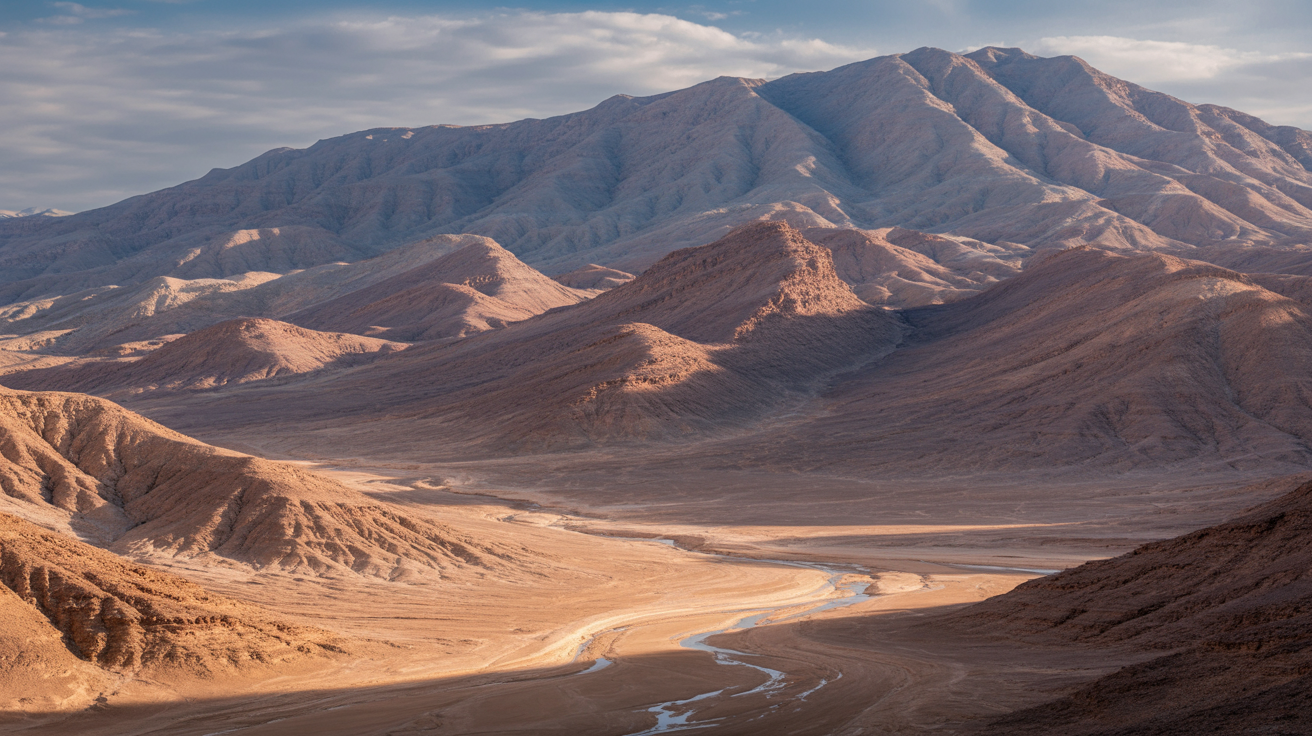
Rocky desert

Conservation
The Common chuckwalla is currently classified as Least Concern on the IUCN Red List.
Threats & challenges
Currently, the common chuckwalla is classified as Least Concern by the IUCN due to its wide distribution and stable populations. However, localized threats include habitat loss from urban development, mining, and off-road vehicle activity, which can destroy or fragment rocky habitats. Illegal collection for the pet trade, though less common than for some reptiles, may impact certain populations. Climate change poses a long-term threat by altering the availability of suitable basking sites and food plants. Predation by introduced species such as feral cats and dogs is a minor but increasing concern. Despite these challenges, the species remains relatively resilient due to its adaptability and the protection of many populations within national parks and reserves.
Taxonomy
Scientific name
Sauromalus ater
- Kingdom
- Animalia
- Phylum
- Chordata
- Class
- Reptilia
- Order
- Squamata
- Family
- Iguanidae
- Genus
- Sauromalus
- Species
- ater
Community notes
Share your observations about the Common chuckwalla.
No community notes yet. Be the first!
Discover more wildlife
More fascinating animals from the encyclopedia.