
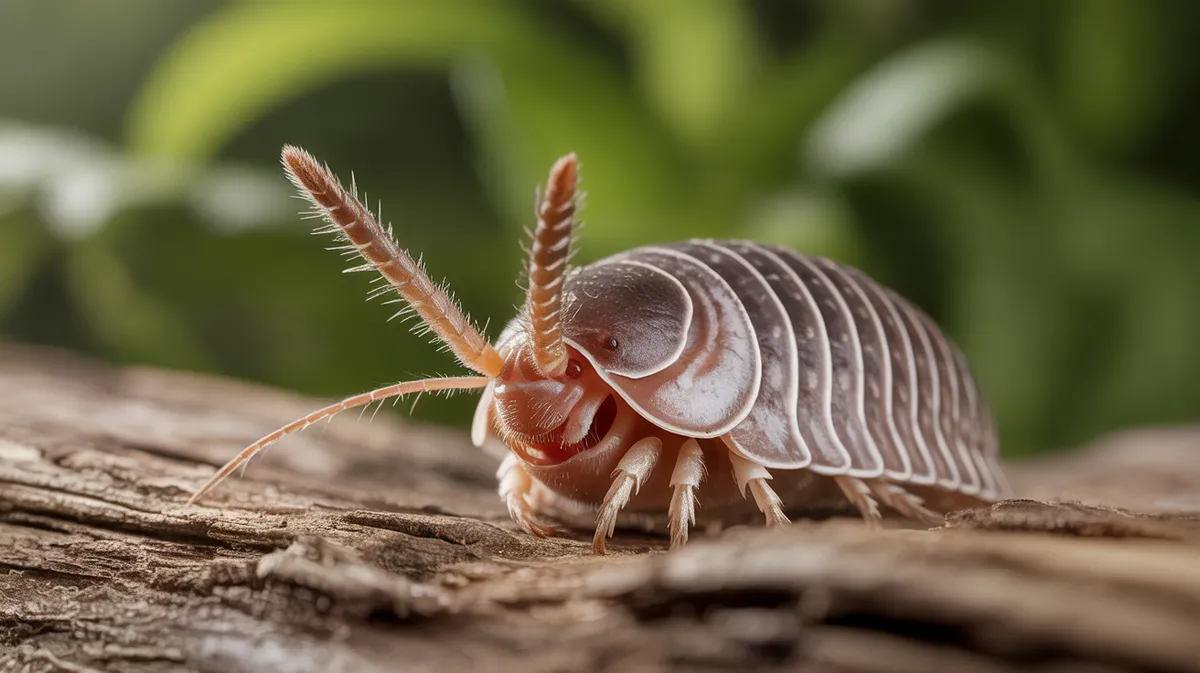
About the Common woodlouse
The common woodlouse is a small, terrestrial crustacean known for its segmented, armored exoskeleton and ability to thrive in damp, dark environments. Measuring up to 17 mm in length, it is typically grayish-brown and has a flattened, oval-shaped body. Common woodlice are important decomposers, feeding primarily on decaying plant matter and helping to recycle nutrients in soil ecosystems. They are harmless to humans and play a vital role in maintaining healthy soil by breaking down organic material.
Fascinating facts
Crustacean Relative
Despite their terrestrial lifestyle, common woodlice are more closely related to shrimp and crabs than to insects.
Nature’s Recycler
They feed on decaying plant material, playing a crucial role in the decomposition process and nutrient cycling in ecosystems.
Moisture Lovers
Woodlice require moist environments to survive, as their gill-like structures need humidity to function properly.
Detailed description
Oniscus asellus, commonly known as the common woodlouse, is a terrestrial isopod crustacean distinguished by its dorsoventrally flattened, oval body and robust, chitinous exoskeleton composed of overlapping plates (pereonites). Adults typically measure 10–17 mm in length and 5–7 mm in width, with coloration ranging from slate gray to brown, sometimes exhibiting subtle mottling. The species possesses seven pairs of jointed legs, two pairs of antennae (one reduced), and compound eyes with up to 30 ommatidia. Unlike some woodlice, O. asellus cannot roll into a ball (conglobate) but relies on its flattened shape to squeeze into narrow crevices. Respiration occurs via pseudotracheae (modified pleopodal gills) located on the ventral side of the abdomen, necessitating moist environments to prevent desiccation. The exoskeleton is periodically molted in two stages: first the posterior, then the anterior half. O. asellus is primarily nocturnal, spending daylight hours concealed under logs, stones, or leaf litter. It is a key detritivore, consuming decaying plant material, fungi, and occasionally dead invertebrates, thus playing a crucial role in nutrient cycling and soil formation. Social aggregations are common, particularly in optimal microhabitats, which may aid in moisture retention and reduce predation risk. The species is highly synanthropic, thriving in both natural and human-modified environments across Western and Northern Europe.
Did you know?
Unlike most crustaceans, common woodlice live entirely on land and have adapted specialized structures to breathe air.
Research & sources
Wikipedia summary
Oniscus asellus, the common woodlouse, is one of the largest and most common species of woodlouse native to the British Isles and Western and Northern Europe, growing to 16 millimetres (0.63 in) long and 6 millimetres (0.24 in) wide. Oniscus asellus was first described by Swedish biologist Carl Linnaeus in his Systema Naturae, and is a very common species, representing in Britain "the archetypal 'woodlouse' familiar to the general public". It lives in a great variety of habitats, but favours damp conditions, especially under rotting wood. O. asellus is also a successfully synanthropic species, dwelling in gardens, walls, and inside houses.
Behaviour & social structure
The common woodlouse is primarily crepuscular and nocturnal, emerging at dusk to forage and retreating to moist refuges during the day to avoid desiccation. Feeding is opportunistic, with individuals consuming a wide range of decomposing organic matter, including leaf litter, rotting wood, and occasionally animal remains. O. asellus exhibits thigmotaxis, preferring close contact with surfaces, which aids in water conservation. Aggregation behavior is pronounced, with groups often forming in humid microhabitats; this clustering is believed to reduce individual water loss and may be mediated by pheromonal cues. While generally non-aggressive, individuals may display mild territoriality over prime shelter sites. Locomotion is slow and deliberate, and the species relies on cryptic coloration and rapid retreat to avoid predators such as beetles, spiders, and birds. Cannibalism is rare but may occur under conditions of overcrowding or resource scarcity.
Reproduction & life cycle
Oniscus asellus exhibits separate sexes, with external fertilization occurring after a brief courtship involving antennal contact and tactile stimulation. Breeding typically peaks in spring and early summer, though reproduction can occur year-round in mild climates. Females carry fertilized eggs (20–100 per clutch) in a ventral brood pouch (marsupium) formed by oostegites, where the eggs are kept moist and protected. Embryonic development lasts approximately 3–6 weeks, depending on temperature and humidity. Upon hatching, mancae (juvenile woodlice) remain in the marsupium for several days before dispersing. Females may produce multiple broods per year, with reproductive output influenced by environmental conditions. Parental care is limited to brooding; after release, juveniles are independent. Sexual maturity is reached within 1–2 years, and lifespan in the wild typically ranges from 2 to 4 years.
Adaptations & survival
O. asellus is highly adapted to terrestrial life, with key features including a water-impermeable exoskeleton, pleopodal lungs (pseudotracheae) for aerial respiration, and behavioral strategies to minimize water loss. Its flattened body allows access to narrow, humid spaces, while thigmotactic behavior and aggregation reduce desiccation risk. The species can tolerate a wide range of temperatures (0–30°C) but is most active in cool, moist conditions. Molting in two stages reduces vulnerability to predation. Chemoreceptors on the antennae facilitate detection of food and conspecifics. The ability to exploit both natural and anthropogenic habitats reflects ecological plasticity and contributes to its widespread distribution.
Cultural significance
The common woodlouse has featured in European folklore, often associated with dampness and decay but sometimes regarded as a harmless household companion. In some cultures, woodlice are used as informal indicators of humidity or building dampness. Children in Britain and Ireland have given them various colloquial names (e.g., 'cheeselog', 'slater', 'chisel pig'). There is no significant history of medicinal or culinary use, but their ecological role as decomposers is increasingly recognized in environmental education and gardening literature.
Recent research
Recent studies have focused on the microbiome of O. asellus, revealing symbiotic bacteria that aid in cellulose digestion and nitrogen cycling. Research into heavy metal accumulation has positioned the species as a potential bioindicator for soil pollution. Genetic studies have clarified population structure and phylogeography across Europe, indicating high gene flow and adaptability. Behavioral experiments have explored aggregation mechanisms, suggesting pheromonal and tactile cues. Ongoing research addresses the impacts of climate change on distribution and reproductive timing.
Videos
Habitat
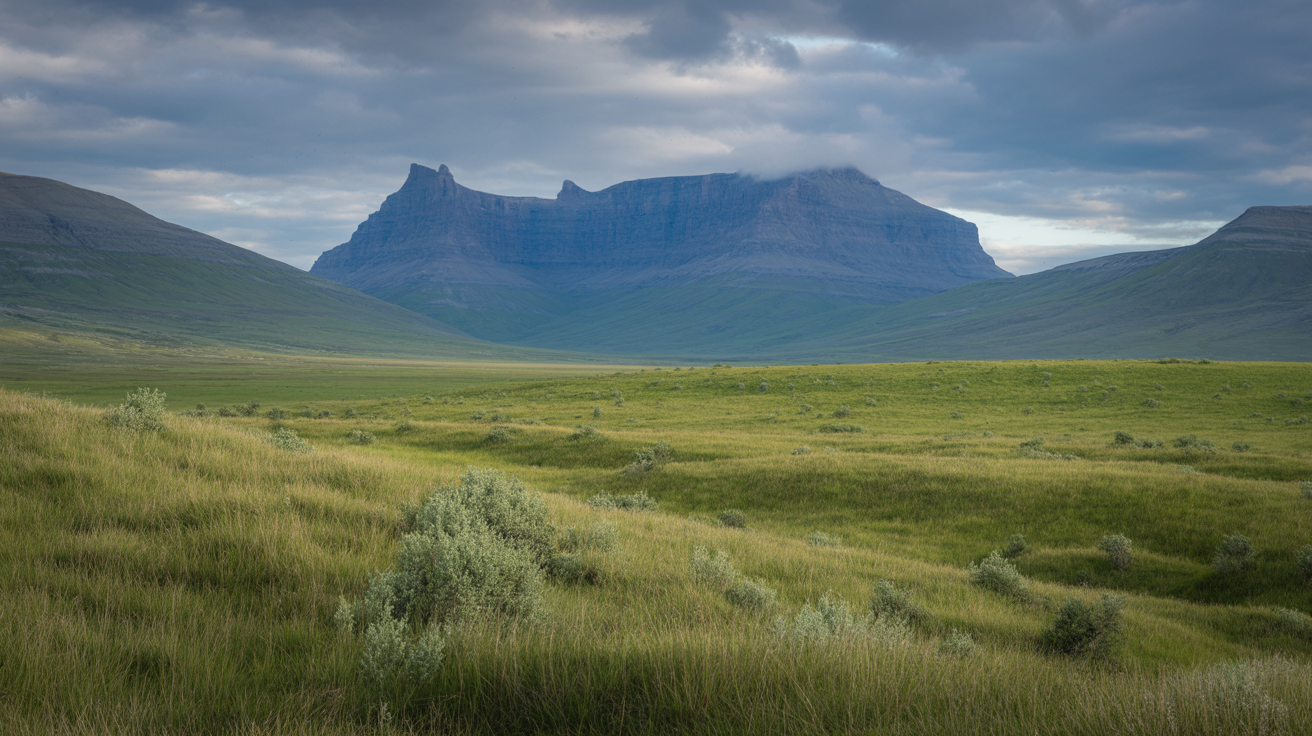
Moist woodlands, gardens, and under logs or stones

Conservation
The Common woodlouse is currently classified as Least Concern on the IUCN Red List.
Threats & challenges
Currently, Oniscus asellus faces minimal direct threats and is classified as Least Concern by conservation authorities. Its populations are stable or increasing in many areas due to adaptability and synanthropy. However, local declines may occur due to habitat loss, pollution (especially pesticides and heavy metals), and prolonged droughts associated with climate change. Urbanization can fragment populations, but the species often thrives in gardens and built environments. Predation by birds, beetles, and small mammals is natural but not a significant threat to overall population viability.
Taxonomy
Scientific name
Oniscus asellus
- Kingdom
- Animalia
- Phylum
- Arthropoda
- Class
- Malacostraca
- Order
- Isopoda
- Family
- Oniscidae
- Genus
- Oniscus
- Species
- asellus
Community notes
Share your observations about the Common woodlouse.
No community notes yet. Be the first!
Discover more wildlife
More fascinating animals from the encyclopedia.