
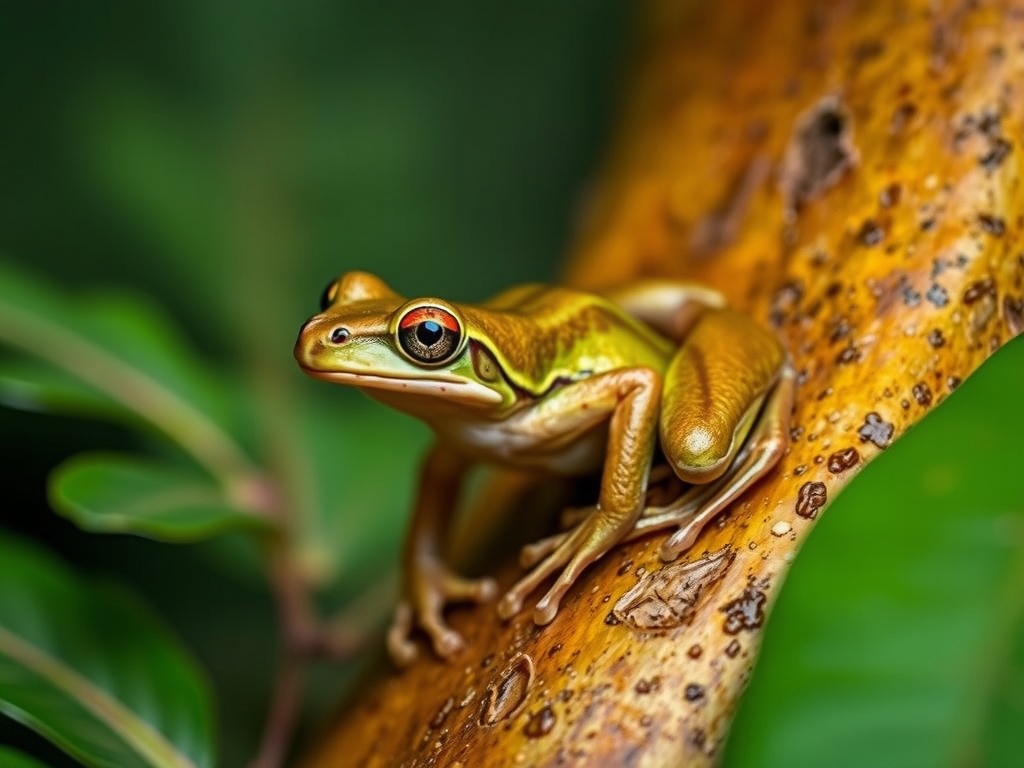
About the Cuban Tree Frog
The Cuban Tree Frog is the largest tree frog species native to the Caribbean, particularly Cuba, but is now widely established in Florida and other parts of the Caribbean. It is known for its variable coloration, ranging from gray, green, brown, or even white, often with mottled patterns that allow it to camouflage effectively in its environment. This nocturnal amphibian has distinctive large toe pads, which aid in climbing, and secretes a mild toxin through its skin as a defense mechanism. The Cuban Tree Frog is an adaptable and opportunistic predator, and in regions where it is invasive, it often outcompetes native frogs.
Fascinating facts
Color Chameleon
Cuban Tree Frogs can rapidly change their skin color from dark brown to pale green or gray to blend into their surroundings.
Nocturnal Hunter
They are primarily active at night, preying on insects, spiders, and even smaller frogs.
Invasive Impact
In areas where they have been introduced, such as Florida, they threaten native species by predation and competition.
Detailed description
The Cuban tree frog (Osteopilus septentrionalis) is the largest tree frog species in North America and the Caribbean, with adults typically ranging from 5 to 13.5 cm (2 to 5.5 inches) in snout-vent length. Its skin is highly variable in color, often appearing gray, brown, green, or white, and can change shade to match its surroundings, providing effective camouflage. The skin is granular and covered in mucus-secreting glands that produce a mild toxin, which deters many predators and can cause irritation in humans. The species is characterized by large, adhesive toe pads that facilitate climbing on smooth surfaces, including glass and metal, making it highly adapted to urban environments. The eyes are prominent and golden, with horizontal pupils, enhancing night vision for its nocturnal lifestyle. Cuban tree frogs are opportunistic and generalist predators, consuming a wide array of invertebrates and small vertebrates, including other frogs, lizards, and even small birds. They are highly adaptable, thriving in both natural habitats such as forests and wetlands, as well as disturbed areas like gardens, agricultural fields, and urban structures. Their invasive success is partly due to their rapid growth rates, high reproductive output, and tolerance of a broad range of environmental conditions, including moderate salinity and polluted waters. The species is solitary outside of the breeding season, and individuals are typically found resting in moist, sheltered locations during the day.
Did you know?
The Cuban Tree Frog is considered an invasive species in Florida, where it preys on native frogs, lizards, and even small birds.
Research & sources
Wikipedia summary
The Cuban tree frog is a large species of tree frog that is native to Cuba, the Bahamas, and the Cayman Islands; but has become invasive in several other places around the Americas. Its wide diet and ability to thrive in urban areas has made it a highly invasive species with established colonies in places such as Florida, the Hawaiian island of Oahu, and the Caribbean Islands. These tree frogs can vary in size from 2 to 5.5 inches in length. Due to their large size, Cuban tree frogs can eat a wide variety of things, particularly native tree frogs, and their removal has shown to result in an increase in the amount of native tree frogs in an area. The tadpoles of Cuban tree frogs also heavily compete with native frog tadpoles, which can cause negative effects in body mass, size at metamorphosis, and growth rates for the native tadpoles.
Behaviour & social structure
Cuban tree frogs are primarily nocturnal, emerging at dusk to forage and hunt. Their hunting strategy is largely sit-and-wait, but they are also capable of active pursuit when prey is detected. They use their sticky toe pads to climb vertical surfaces and can leap considerable distances to capture prey. Their diet includes insects, spiders, other arthropods, and small vertebrates, including native frogs and lizards, contributing to their impact as an invasive species. Cannibalism has been observed, especially among juveniles. Social interactions are minimal outside of the breeding season, with individuals displaying territoriality and aggressive behaviors when competing for resources or mates. Vocalizations are an important part of their behavior, with males producing a loud, raspy call to attract females and establish territory. During the day, they seek refuge in moist, shaded areas such as tree holes, under bark, or within human dwellings, often hiding in toilets, pipes, or outdoor lighting fixtures.
Reproduction & life cycle
Breeding occurs primarily during the rainy season, which varies by region but generally spans late spring through summer. Males congregate near standing water and call to attract females, often forming loose choruses. Amplexus (the mating embrace) is axillary, with the male grasping the female behind her forelimbs. Females lay large clutches, often exceeding 1,000 eggs, which are deposited in shallow, temporary pools, ditches, or artificial containers. Eggs hatch within 24–36 hours, depending on temperature, and the tadpoles are highly competitive, feeding on algae, detritus, and sometimes other tadpoles. Metamorphosis occurs in as little as 30–60 days, with rapid growth rates enabling juveniles to quickly reach maturity. There is no parental care after egg-laying, and high fecundity compensates for high predation rates on eggs and larvae.
Adaptations & survival
Key adaptations include highly developed toe pads for climbing, variable skin coloration for camouflage, and the secretion of a mild toxin as a chemical defense. Their broad diet and tolerance for a range of environmental conditions, including brackish water and urban pollutants, facilitate their invasive potential. Rapid development from egg to adult allows them to exploit ephemeral water sources and outcompete native species. Their ability to vocalize at a wide range of frequencies helps them communicate effectively in noisy urban environments. Additionally, their skin can absorb water directly, allowing survival in relatively dry habitats.
Cultural significance
In their native Caribbean range, Cuban tree frogs are not generally regarded as having significant cultural or symbolic importance. However, in regions where they are invasive, they are often viewed as pests due to their impact on native wildlife and their tendency to enter homes and disrupt electrical systems by short-circuiting power boxes. Their presence in urban environments has led to increased public awareness of invasive species issues, and they are sometimes used in educational programs to illustrate the consequences of species introductions.
Recent research
Recent research has focused on the ecological impact of Cuban tree frogs in invaded habitats, particularly their role in the decline of native amphibian populations. Studies have documented their competitive superiority over native tadpoles, leading to reduced growth and survival of native species. Genetic studies have explored their population structure and dispersal mechanisms, revealing high genetic diversity in invasive populations, likely due to multiple introduction events. Ongoing research is examining their resistance to chytrid fungus and their physiological adaptations to urban environments. Control methods, including public reporting and targeted removal, are being evaluated for effectiveness in limiting their spread.
Videos
Habitat
Subtropical and tropical forests, wetlands, gardens, urban areas


Conservation
The Cuban Tree Frog is currently classified as Least Concern on the IUCN Red List.
Threats & challenges
In their native range, Cuban tree frogs face predation from birds, snakes, and larger mammals, but their populations remain stable. Invasive populations, particularly in Florida and Hawaii, face few natural predators and have become a significant threat to native amphibians and reptiles through predation and competition. They are also susceptible to the fungal pathogen Batrachochytrium dendrobatidis (chytrid fungus), but appear more resistant than many native species. Human-mediated transport, especially via horticultural shipments, continues to expand their range. While not currently threatened globally (IUCN status: Least Concern), local control efforts focus on mitigating their ecological impact in invaded regions.
Taxonomy
Scientific name
Osteopilus septentrionalis
- Kingdom
- Animalia
- Phylum
- Chordata
- Class
- Amphibia
- Order
- Anura
- Family
- Hylidae
- Genus
- Osteopilus
- Species
- septentrionalis
Where to see a cuban tree frog
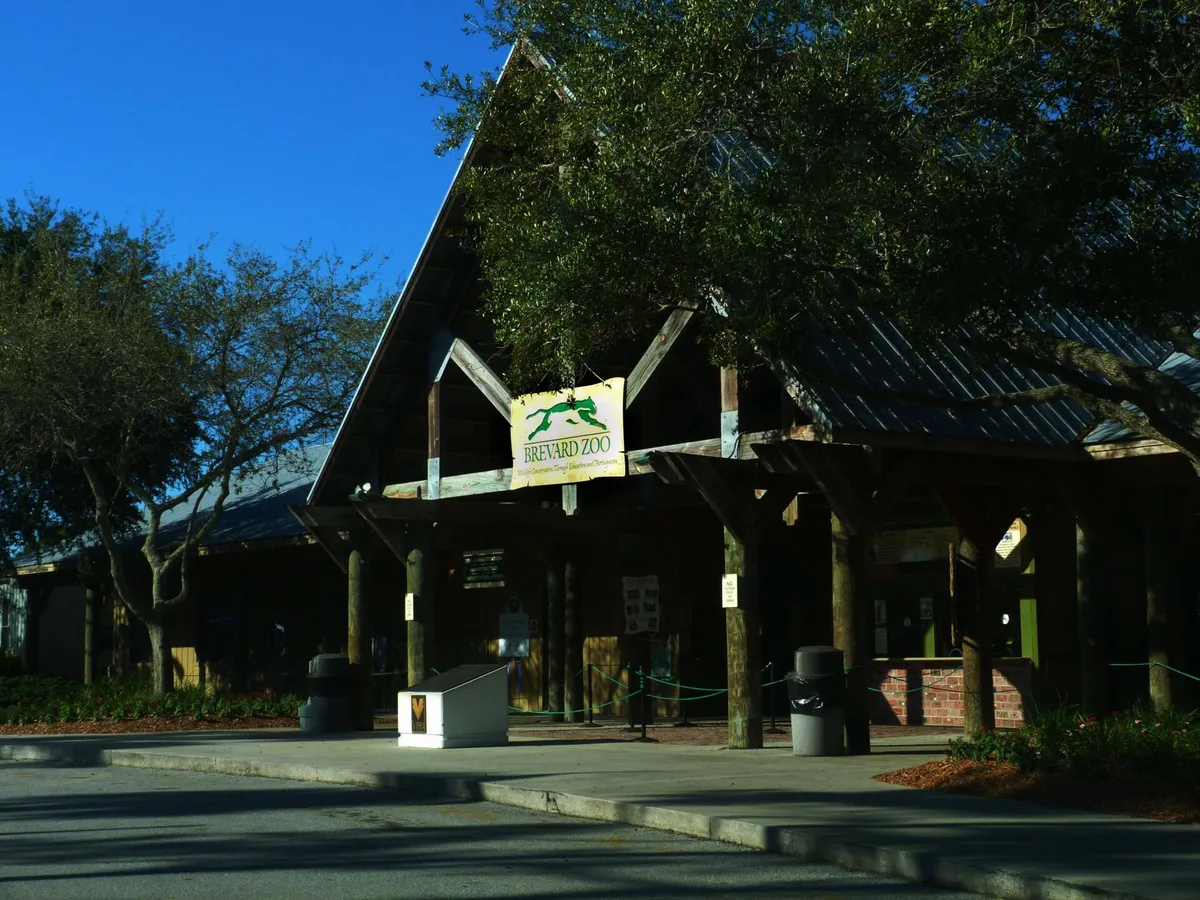
1 zoo and aquarium in 1 country are recorded as keeping this species.
Community notes
Share your observations about the Cuban Tree Frog.
No community notes yet. Be the first!
Discover more wildlife
More fascinating animals from the encyclopedia.