
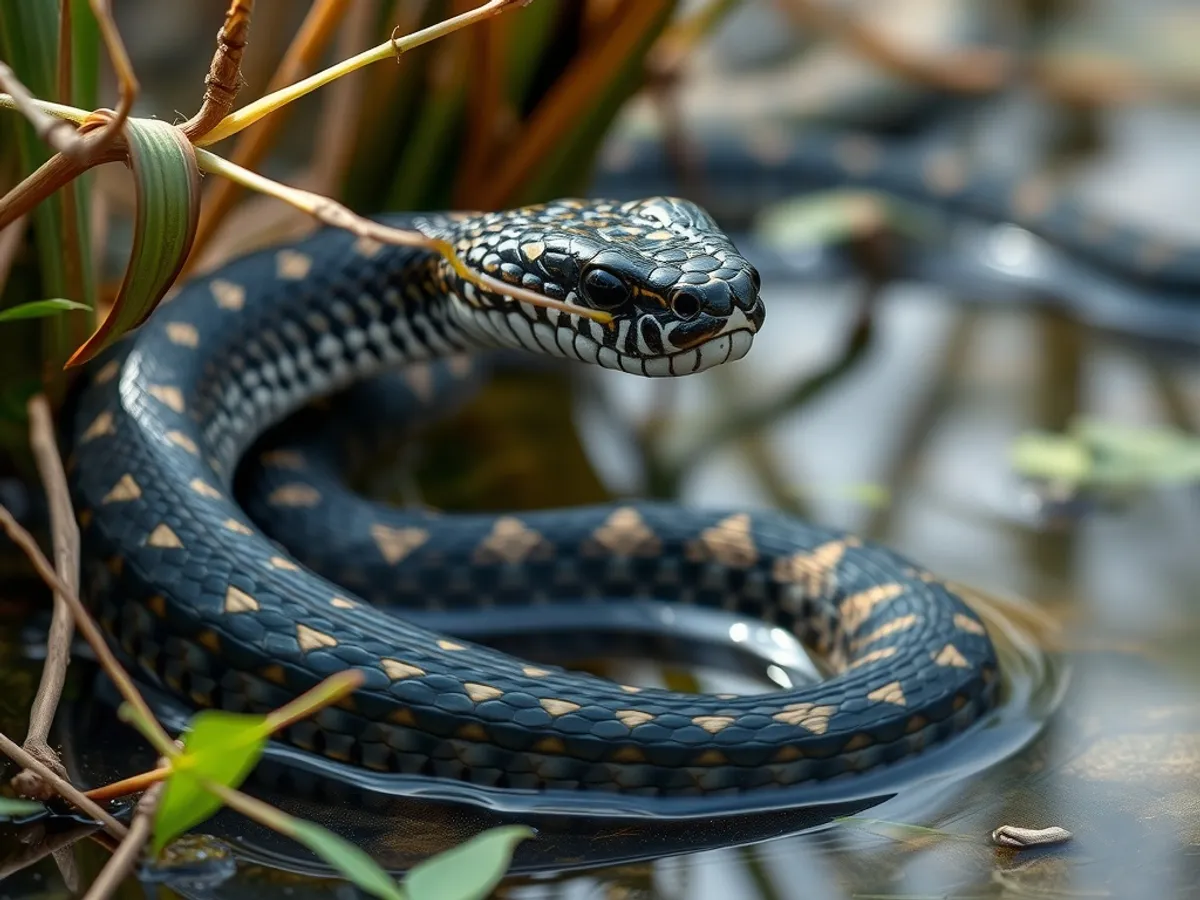
About the False Water Cobra
The False Water Cobra is a large, semi-aquatic snake native to South America, particularly found in Brazil, Paraguay, Bolivia, and Argentina. Despite its name and its ability to flatten its neck to resemble a true cobra, it is not a true cobra and belongs to a different family. This species is known for its striking pattern of olive-brown scales with dark blotches, and its affinity for wet habitats like marshes and flooded grasslands. The False Water Cobra is mildly venomous and rear-fanged, but its venom rarely poses a threat to humans. It is an active predator, often hunting amphibians, fish, and small mammals.
Fascinating facts
Aquatic Lifestyle
The False Water Cobra thrives in wet environments and is highly adapted to swimming, often hunting aquatic prey.
Impressive Hood
When threatened, it flattens its neck to create a hood, mimicking true cobras as a defensive display.
Varied Diet
Its diet includes fish, amphibians, small mammals, and sometimes birds, making it a versatile predator.
Detailed description
The False Water Cobra (Hydrodynastes gigas) is one of the largest colubrid snakes in South America, with adults typically reaching lengths of 1.5 to 2 meters (5–6.5 ft), though exceptional individuals may exceed 2.5 meters (over 8 ft). Its robust, semi-aquatic body is laterally compressed, aiding in swimming, and is covered in smooth, olive-brown to grayish scales adorned with prominent dark blotches and bands. The head is distinct from the neck, with large eyes and round pupils, and the species is notable for its ability to laterally expand its neck into a hood when threatened, mimicking true cobras (Naja spp.), though it remains horizontal rather than rearing up. Hydrodynastes gigas possesses enlarged rear maxillary teeth (opisthoglyphous), which deliver a mild venom; this venom is primarily effective against its prey and rarely causes significant symptoms in humans, though localized swelling and discomfort can occur. The species is highly active and diurnal, often seen foraging both in water and on land. Its diet is diverse, including fish, amphibians (notably frogs), small mammals, birds, and occasionally other reptiles. False Water Cobras are strong swimmers and are frequently encountered in seasonally flooded savannas, marshes, and along slow-moving rivers and streams. They exhibit a generally solitary lifestyle outside of the breeding season and are known for their inquisitive and bold temperament, both in the wild and captivity. Their adaptability to a range of wetland habitats has contributed to their stable population status.
Did you know?
Despite being called a 'cobra,' the False Water Cobra is not closely related to true cobras and belongs to a separate family altogether.
Research & sources
Wikipedia summary
Hydrodynastes gigas is a New World species of large, rear-fanged, Dipsadin snake endemic to South America. It is commonly and alternatively known as the false water cobra and the Brazilian smooth snake. The false water cobra is so named because when the snake is threatened it "hoods" as a true cobra does. Unlike a true cobra, though, it does not rear up, but remains in a horizontal position. No subspecies are currently recognized as being valid.
Behaviour & social structure
False Water Cobras are primarily diurnal, engaging in active hunting during daylight hours. They employ both ambush and active foraging strategies, using their acute sense of smell and vision to locate prey. In aquatic environments, they are agile swimmers, often submerging to pursue fish and amphibians. On land, they may stalk or ambush small vertebrates. When threatened, they exhibit a dramatic defensive display by flattening their neck and body to appear larger, accompanied by hissing and mock strikes; however, they rarely bite unless provoked. Social interactions are minimal outside of the breeding season, as individuals are generally solitary and territorial. In captivity, they display notable intelligence and curiosity, often exploring their environment and recognizing routine caretakers. They may bask near water sources, and are known to be more tolerant of cooler temperatures compared to many other tropical snakes.
Reproduction & life cycle
Hydrodynastes gigas is oviparous, with breeding typically occurring during the rainy season (October to March in much of its range). Courtship involves tactile stimulation and body alignment, with males engaging in combat for access to females. Females lay clutches of 8 to 24 eggs, with clutch size correlating with female body size and age. Eggs are usually deposited in concealed, humid locations such as under logs or within dense vegetation near water. Incubation lasts approximately 60 to 70 days at optimal temperatures (26–30°C/79–86°F). Hatchlings measure 30–40 cm (12–16 in) and are fully independent at birth, receiving no parental care. Juveniles exhibit similar defensive behaviors to adults and grow rapidly, reaching sexual maturity within 2–3 years.
Adaptations & survival
The False Water Cobra exhibits several adaptations for a semi-aquatic lifestyle, including a laterally compressed body for efficient swimming and nostrils positioned dorsally to facilitate breathing at the water's surface. Its coloration provides camouflage among aquatic vegetation and muddy substrates. The ability to hood and flatten the neck serves as a defensive mimicry adaptation, deterring predators by resembling the more dangerous true cobras. The rear-fanged (opisthoglyphous) dentition allows for effective subjugation of slippery or resistant prey, such as fish and amphibians, through mild envenomation. Behavioral plasticity enables the species to exploit both aquatic and terrestrial prey, and its tolerance for a range of wetland habitats supports resilience in fluctuating environmental conditions.
Cultural significance
While not as prominent in folklore as true cobras, the False Water Cobra is sometimes featured in local stories due to its dramatic defensive display. In some rural areas, it is mistakenly feared as highly venomous, leading to occasional persecution. Conversely, its striking appearance and manageable temperament have made it increasingly popular in the exotic pet trade and educational programs, where it serves as an ambassador for wetland conservation and snake awareness. There are no widespread traditional uses or significant roles in indigenous medicine or ritual documented for this species.
Recent research
Recent research has focused on the composition and pharmacological effects of Hydrodynastes gigas venom, revealing a complex mixture of proteins with mild cytotoxic and neurotoxic properties, but generally low risk to humans. Studies on its ecology have highlighted its role as a top predator in wetland ecosystems, contributing to the regulation of amphibian and fish populations. Genetic analyses have clarified its taxonomic position within Dipsadinae and confirmed the lack of valid subspecies. Ongoing field studies are investigating its adaptability to habitat modification and the potential impacts of climate change on its distribution. Captive breeding programs have provided insights into reproductive biology and hatchling development, supporting both conservation and the responsible pet trade.
Videos
Habitat
Wetlands, marshes, flooded grasslands, and along rivers
 Various Continental Regions
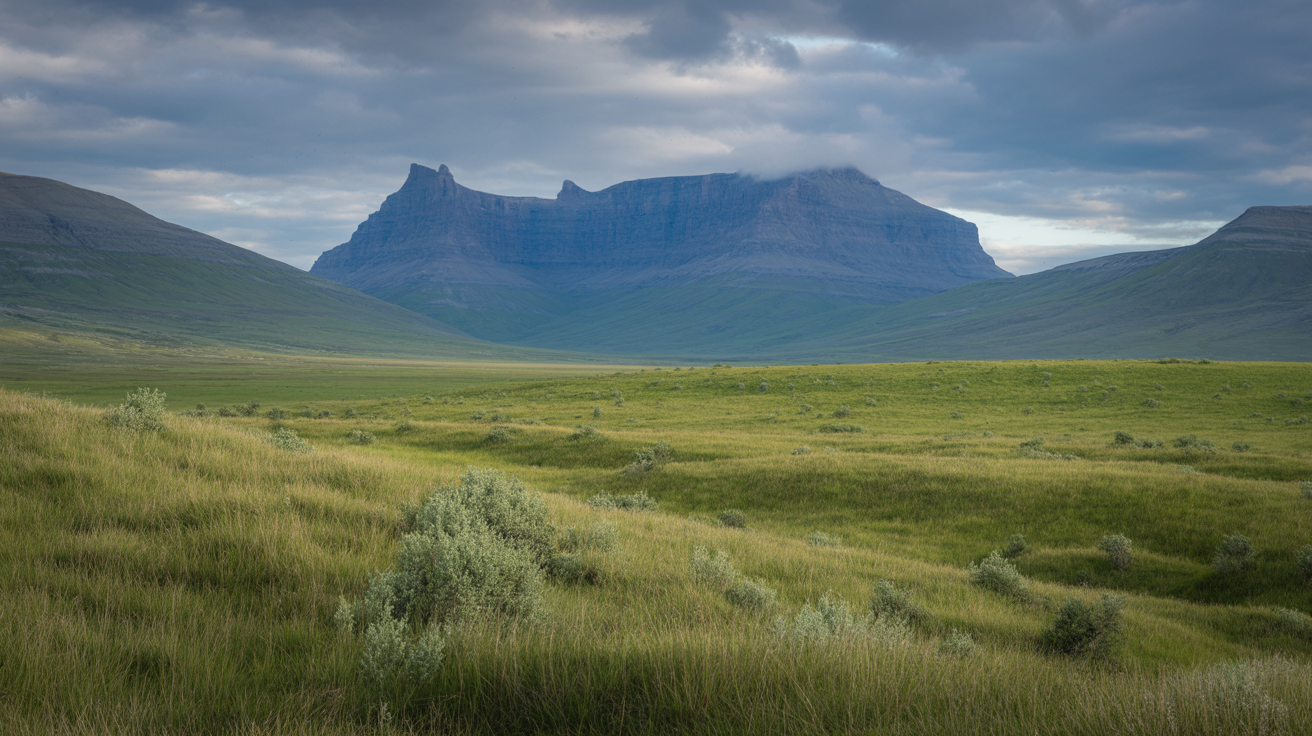
Grassland
Open areas dominated by grasses rather than trees, supporting numerous herbivores and their predators.
 Global
Forest
Wooded areas with significant tree cover and diverse plant and animal communities.
 Global
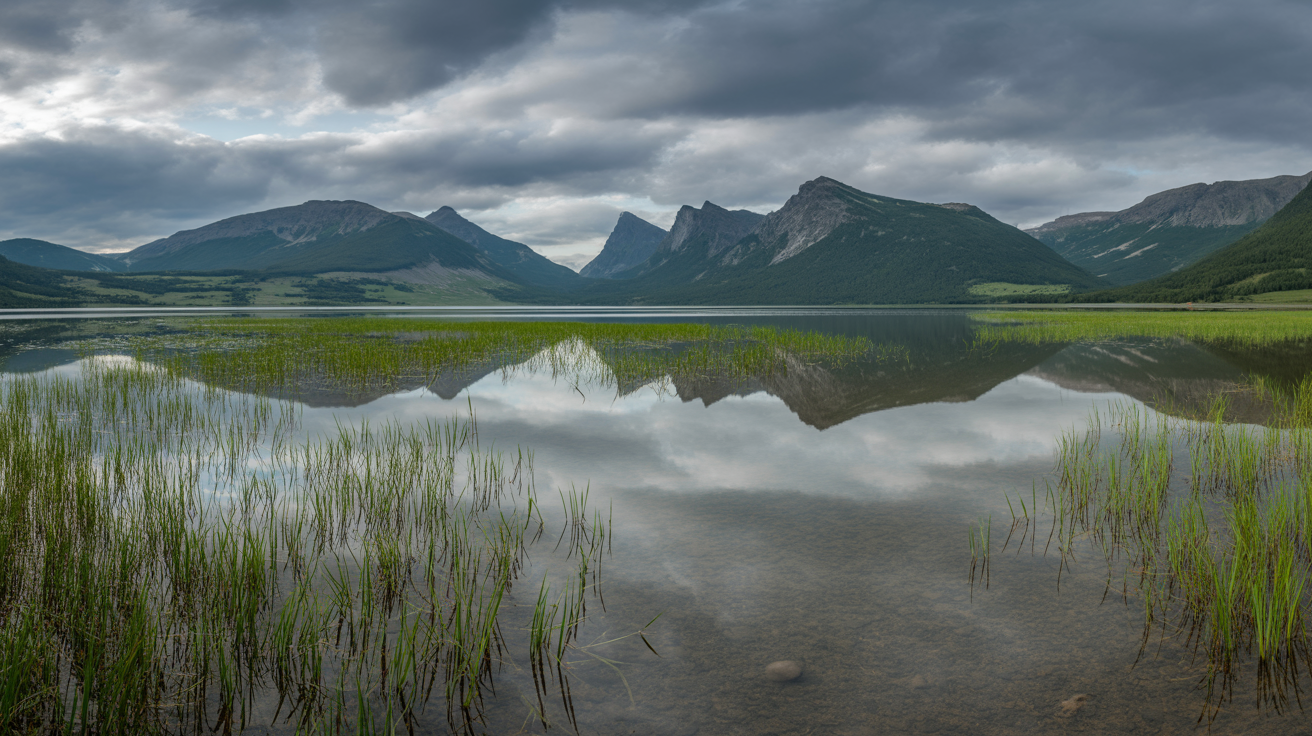
Freshwater
Lakes, rivers, and wetlands with diverse aquatic ecosystems.
Conservation
The False Water Cobra is currently classified as Least Concern on the IUCN Red List.
Threats & challenges
Currently classified as Least Concern by the IUCN, Hydrodynastes gigas faces localized threats from habitat destruction, particularly drainage of wetlands for agriculture and urbanization. Pollution of waterways and over-collection for the pet trade in some regions can also impact populations. However, the species' broad distribution and adaptability to disturbed habitats have mitigated large-scale declines. Ongoing monitoring is necessary, as wetland degradation and climate change could pose future risks. Road mortality and persecution due to mistaken identity with more dangerous snakes are additional, though less significant, threats.
Taxonomy
Scientific name
Hydrodynastes gigas
- Kingdom
- Animalia
- Phylum
- Chordata
- Class
- Reptilia
- Order
- Squamata
- Family
- Colubridae
- Genus
- Hydrodynastes
- Species
- gigas
Where to see a false water cobra
1 zoo and aquarium in 1 country are recorded as keeping this species.
Community notes
Share your observations about the False Water Cobra.
No community notes yet. Be the first!
Discover more wildlife
More fascinating animals from the encyclopedia.