
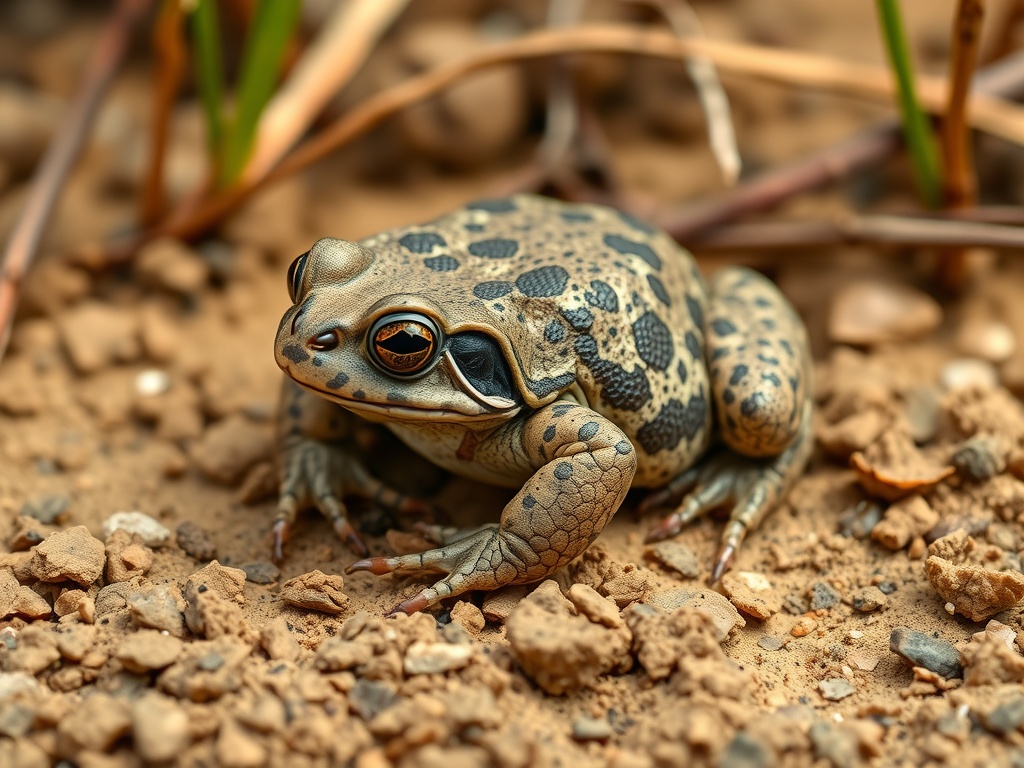
About the Fowler's Toad
Fowler's Toad is a medium-sized amphibian native to eastern North America, recognized for its rough, warty skin and cryptic coloring that ranges from gray to brown with dark blotches. This toad is often found in sandy soils near freshwater sources, such as ponds, lakes, and streams, where it breeds in spring and summer. Distinguished from similar species by the presence of three or more warts within each dark dorsal spot and a white belly, Fowler's Toad uses its excellent camouflage to avoid predators. Its distinctive, nasal call is a familiar sound during warm evenings in its range.
Fascinating facts
Insect Eaters
Fowler's Toads primarily feed at night, consuming a wide variety of insects, spiders, and other small invertebrates.
Unique Call
Their mating call is a short, nasal 'waaaah' sound, lasting two to five seconds and heard mostly during spring and early summer.
Chemical Defense
When threatened, Fowler's Toads secrete bufotoxins from their skin, which can irritate predators and discourage attacks.
Detailed description
Fowler's Toad (Anaxyrus fowleri) is a medium-sized toad, typically measuring 50–90 mm (2–3.5 inches) in snout-vent length, with females generally larger than males. Its dorsal coloration varies from grayish to light brown or olive, often with a pattern of 6–10 dark blotches, each containing three or more prominent warts. The skin is dry and warty, with a pale mid-dorsal stripe often present. The parotoid glands are oval and positioned behind the eyes, sometimes touching the postorbital ridge. The ventral surface is usually white or cream, occasionally with a single dark spot on the chest. Fowler's Toad is primarily nocturnal, emerging at dusk to forage and breed, and is well-camouflaged against sandy or leaf-littered substrates. It is an explosive breeder, congregating in large numbers at shallow, fish-free water bodies during spring and early summer. The species is distinguished from similar toads, such as the American Toad (Anaxyrus americanus), by its smaller cranial crests and the arrangement of warts. Its call is a short, nasal 'waaaah' lasting 1–4 seconds, often heard in choruses during the breeding season. Fowler's Toad is adapted to a range of habitats, from coastal dunes and sandy floodplains to open woodlands and agricultural fields, provided there is access to suitable breeding sites.
Did you know?
Fowler's Toads can hybridize with the closely related American Toad in areas where their ranges overlap, producing fertile offspring.
Research & sources
Wikipedia summary
Anaxyrus fowleri, Fowler's toad, is a species of toad in the family Bufonidae. The species is native to North America, where it occurs in much of the eastern United States and parts of adjacent Canada. It was previously considered a subspecies of Woodhouse's toad.
Behaviour & social structure
Fowler's Toad is primarily nocturnal, seeking shelter under logs, rocks, or leaf litter during the day to avoid desiccation and predation. At night, it emerges to feed, using a sit-and-wait hunting strategy to capture a variety of invertebrates, including beetles, ants, spiders, and caterpillars, with occasional consumption of small mollusks and earthworms. The toad relies on its sticky tongue to snatch prey quickly. During the breeding season, males form loose aggregations at the edges of ponds or temporary pools, where they call to attract females. Outside of breeding, individuals are generally solitary, though they may be found in loose proximity in favorable habitats. When threatened, Fowler's Toad may secrete a milky toxin from its parotoid glands, which deters many predators. It also exhibits thanatosis, or 'playing dead,' as a defense mechanism. Seasonal activity is strongly influenced by temperature and moisture, with toads becoming inactive and burrowing underground during periods of drought or cold weather.
Reproduction & life cycle
Breeding occurs from late April to July, depending on latitude and local climate, often triggered by warm rains. Males arrive at breeding sites first and produce advertisement calls to attract females. Amplexus is axillary (male grasps female behind the forelimbs), and females lay long strings of eggs—typically 2,000 to 10,000 per clutch—in shallow water among vegetation. Eggs hatch within 2–7 days, depending on temperature, and tadpoles undergo metamorphosis in 30–60 days. There is no parental care after egg-laying. Tadpoles are primarily herbivorous, feeding on algae and detritus, and often form large schools. Juvenile toads disperse widely after metamorphosis, which helps maintain genetic diversity and colonize new habitats. Sexual maturity is reached in 1–2 years, and lifespan in the wild is typically 3–5 years, though some individuals may live longer.
Adaptations & survival
Fowler's Toad exhibits several adaptations for survival in variable and sometimes harsh environments. Its cryptic coloration and warty skin provide effective camouflage against sandy or leaf-littered backgrounds, reducing predation risk. The secretion of bufotoxins from the parotoid glands offers chemical defense against many vertebrate predators, though some snakes (e.g., garter snakes) have evolved resistance. The species' ability to tolerate mildly brackish water allows it to breed in coastal habitats unsuitable for many amphibians. Burrowing behavior and the capacity to withstand dehydration enable survival during droughts or extreme temperatures. Rapid larval development is an adaptation to ephemeral breeding sites, minimizing the risk of desiccation before metamorphosis. Additionally, the explosive breeding strategy increases the likelihood of reproductive success in unpredictable environments.
Cultural significance
Fowler's Toad has limited direct cultural significance but is an important component of North American natural heritage. It is often encountered by children and naturalists, serving as an accessible introduction to amphibian biology and ecology. The species is sometimes referenced in local folklore and is valued for its role in controlling insect populations. In some regions, its presence is considered an indicator of healthy wetland ecosystems. Conservation efforts for Fowler's Toad have raised public awareness about amphibian declines and the importance of wetland preservation.
Recent research
Recent research on Fowler's Toad has focused on population genetics, hybridization with the American Toad (Anaxyrus americanus), and the impacts of environmental contaminants. Studies have documented hybrid zones where the two species' ranges overlap, with ongoing gene flow and occasional hybrid offspring. Research on larval development has highlighted the species' sensitivity to agricultural runoff and endocrine-disrupting chemicals. Conservation genetics studies have provided insights into population structure and connectivity, informing management strategies. Ongoing monitoring programs in Canada and the United States track population trends and assess the effectiveness of habitat restoration efforts. Additionally, bioacoustic research has refined understanding of the species' call structure and its role in mate selection and species recognition.
Videos
Habitat
Sandy soils near freshwater bodies such as ponds, streams, and lakeshores
 Various Continental Regions
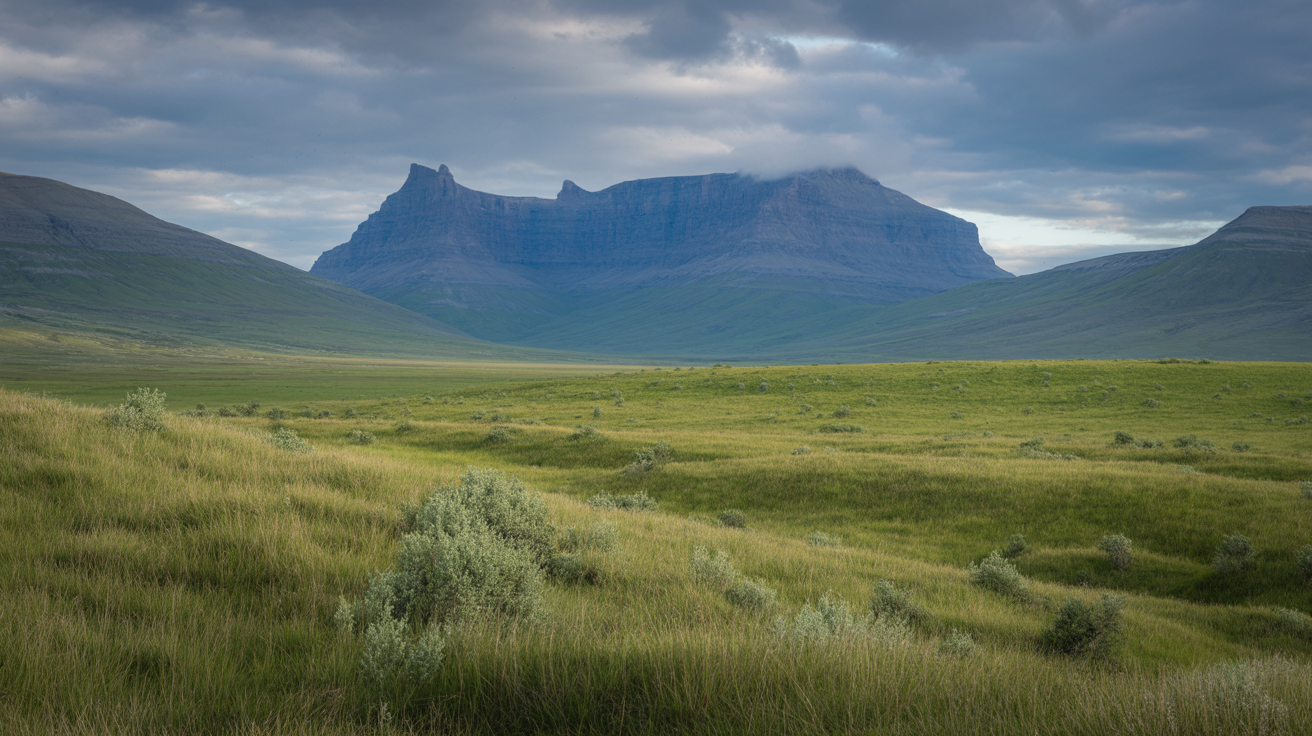
Grassland
Open areas dominated by grasses rather than trees, supporting numerous herbivores and their predators.
 Global
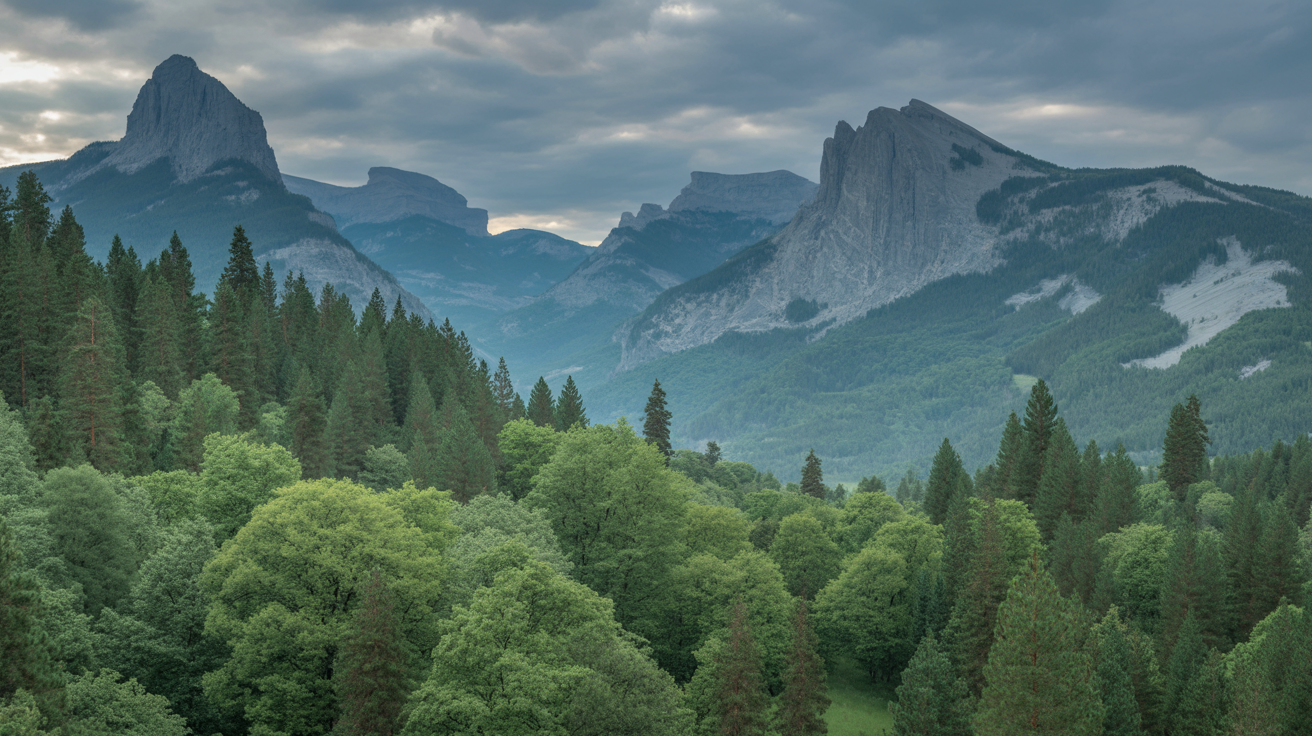
Forest
Wooded areas with significant tree cover and diverse plant and animal communities.
 Global
Freshwater
Lakes, rivers, and wetlands with diverse aquatic ecosystems.
Conservation
The Fowler's Toad is currently classified as Least Concern on the IUCN Red List.
Threats & challenges
Major threats to Fowler's Toad include habitat loss and fragmentation due to urbanization, agriculture, and shoreline development, which reduce the availability of suitable breeding and foraging sites. Pollution, particularly from pesticides and fertilizers, can cause developmental abnormalities and mortality in eggs and larvae. Road mortality during seasonal migrations and the introduction of predatory fish to breeding ponds also pose significant risks. Invasive plant species, such as Phragmites, can alter wetland habitats, making them unsuitable for breeding. Climate change may exacerbate these threats by altering precipitation patterns and increasing the frequency of droughts. Despite these challenges, populations remain stable in many areas, but localized declines have led to Near Threatened status in parts of its range, especially in Canada and along the Great Lakes.
Taxonomy
Scientific name
Anaxyrus fowleri
- Kingdom
- Animalia
- Phylum
- Chordata
- Class
- Amphibia
- Order
- Anura
- Family
- Bufonidae
- Genus
- Anaxyrus
- Species
- fowleri
Community notes
Share your observations about the Fowler's Toad.
No community notes yet. Be the first!
Discover more wildlife
More fascinating animals from the encyclopedia.