
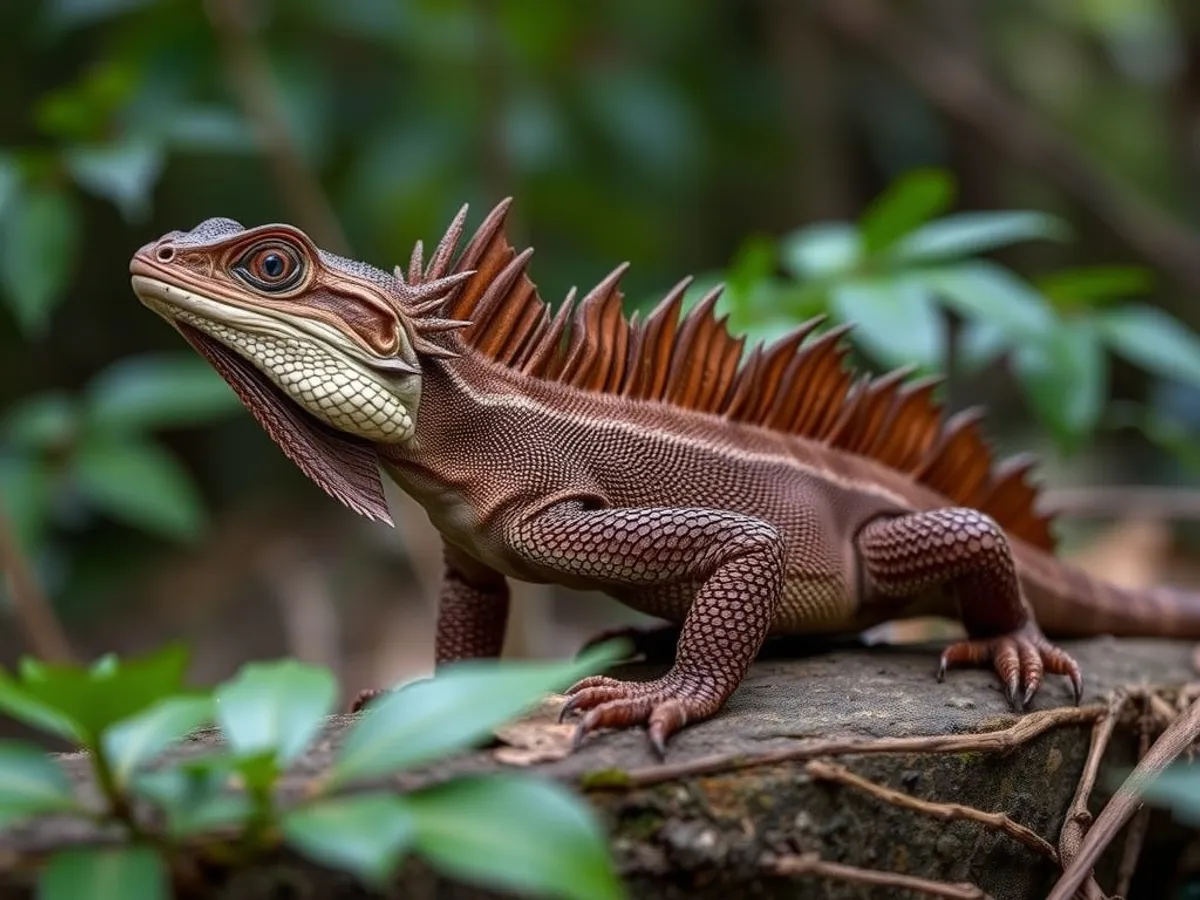
About the Frilled Dragon
The frilled dragon, also known as the frill-necked lizard, is a distinctive Australian reptile renowned for the large frill of skin around its neck, which it can fan out as a defensive display. This lizard is primarily arboreal, spending much of its time in trees within tropical and warm temperate forests and woodlands. When threatened, it opens its mouth wide, unfurls its dramatic frill, and often stands on its hind legs to appear larger and intimidate predators. Frilled dragons are agile climbers and can run swiftly on their hind legs, sometimes covering short distances bipedally.
Fascinating facts
Impressive Display
The frilled dragon’s dramatic frill can expand to more than double the width of its head, making it look much larger to would-be predators.
Tree Dwellers
Frilled dragons spend most of their lives in trees, only coming to the ground to hunt or escape danger.
Bipedal Running
When fleeing, frilled dragons can sprint on their hind legs, a rare ability among lizards.
Detailed description
The frilled dragon (Chlamydosaurus kingii) is a medium-sized agamid lizard, typically reaching a total length of 70–90 cm (27–35 in), with males generally larger than females. Its most distinctive feature is the large, circular frill around its neck, which can extend up to 30 cm (12 in) in diameter and is supported by elongated cartilaginous spines connected to the jaw. The frill is usually folded against the body but rapidly unfurls when the lizard is threatened, displaying vivid orange, yellow, or red coloration as a deterrent to predators. The body is laterally compressed, aiding in agile arboreal movement, and the tail is long and muscular, providing balance during rapid bipedal sprints. Frilled dragons are primarily diurnal and arboreal, spending much of their time perched on tree trunks or branches, but they descend to the ground to forage or escape threats. Their camouflage coloration, ranging from grey to brown with mottled patterns, allows them to blend into the bark and foliage of their woodland habitats. The species is solitary outside of the breeding season, with individuals maintaining overlapping home ranges. They are opportunistic carnivores, preying on insects, small vertebrates, and occasionally consuming plant matter. The frilled dragon's unique display behavior, combined with its ability to run bipedally, makes it one of the most visually striking reptiles in the Australasian region.
Did you know?
Despite their fierce display, frilled dragons are harmless to humans and will almost always choose to flee rather than fight.
Research & sources
Behaviour & social structure
Frilled dragons are primarily ambush predators, remaining motionless on tree trunks or branches and relying on their cryptic coloration to avoid detection. When hunting, they use quick bursts of speed to capture prey such as cicadas, ants, beetles, spiders, and occasionally small mammals or other lizards. They are most active during the early morning and late afternoon, retreating to shaded areas or higher branches during the hottest part of the day to avoid overheating. Social interactions are limited, with individuals displaying territorial behaviors, especially during the breeding season. Males use head-bobbing, arm-waving, and frill displays to communicate dominance or deter rivals. When threatened, the frilled dragon performs its signature display: it opens its mouth wide, erects the frill, hisses, and may charge at the threat. If this fails, it flees, often running bipedally for up to 30 meters. Nocturnally, they sleep clinging vertically to tree trunks, relying on stillness and camouflage for protection.
Reproduction & life cycle
Breeding occurs during the wet season, typically from September to March in northern Australia, triggered by increased rainfall and food availability. Males establish and defend territories, engaging in visual displays and occasional physical combat. Courtship involves the male approaching the female with head-bobbing and frill displays. Females lay 8–23 eggs per clutch in a shallow nest excavated in sandy soil, usually in open, sun-exposed areas to facilitate incubation. The eggs incubate for approximately 60–90 days, depending on temperature and humidity. Hatchlings are fully independent at birth, measuring about 6–8 cm (2.4–3.1 in) snout-vent length, and receive no parental care. Juveniles are vulnerable to predation and rely on rapid growth and cryptic behavior for survival.
Adaptations & survival
The frilled dragon's most iconic adaptation is its expandable neck frill, which serves as both a defensive mechanism and a means of intraspecific communication. The frill's bright coloration and sudden display startle predators and rivals, providing a crucial survival advantage. Its laterally compressed body and long limbs facilitate agile climbing and rapid movement through trees. The ability to run bipedally, with the tail acting as a counterbalance, allows for swift terrestrial escape. Frilled dragons possess acute vision for detecting prey and predators, and their coloration provides effective camouflage in woodland environments. Physiologically, they can tolerate high temperatures and conserve water, important for survival in the seasonally dry habitats of northern Australia and southern New Guinea.
Cultural significance
The frilled dragon holds a prominent place in Australian popular culture, often depicted in media, postage stamps, and as a symbol of the country's unique wildlife. Indigenous Australian groups have traditional stories and artwork featuring the frilled dragon, sometimes associating it with rain or transformation themes. Its dramatic appearance and behaviors have made it a favorite in zoos and educational programs, where it serves as an ambassador for reptile conservation and Australian biodiversity. The species is also featured in ecotourism and wildlife documentaries, contributing to its international recognition.
Recent research
Recent research has focused on the biomechanics of the frill display and bipedal locomotion, revealing that the frill is controlled by specialized muscles and cartilage, allowing rapid deployment in less than a second. Studies on thermal ecology have shown that frilled dragons regulate body temperature through behavioral means, such as basking and selecting microhabitats. Genetic analyses indicate low genetic divergence across the species' range, suggesting high dispersal ability and gene flow. Ongoing research is examining the effects of climate change on reproductive timing and habitat use, as well as the impact of invasive predators. The frilled dragon is also used as a model organism for studying the evolution of display behaviors in lizards.
Sources
The ecology and behavior of the frillneck lizard, Chlamydosaurus kingii
Shine, R. & Lambeck, R. (1978)
scientificChlamydosaurus kingii: The IUCN Red List of Threatened Species 2017
IUCN SSC Amphibian Specialist Group
conservationVideos
Habitat
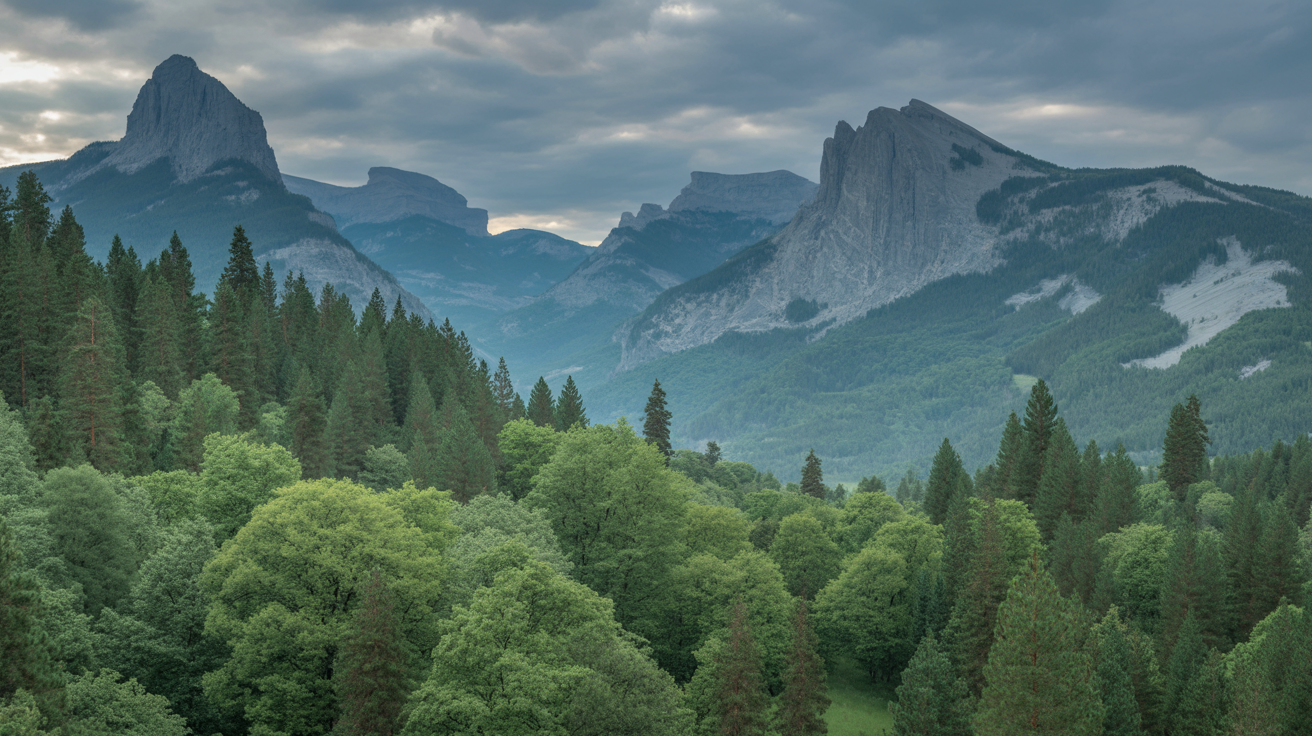
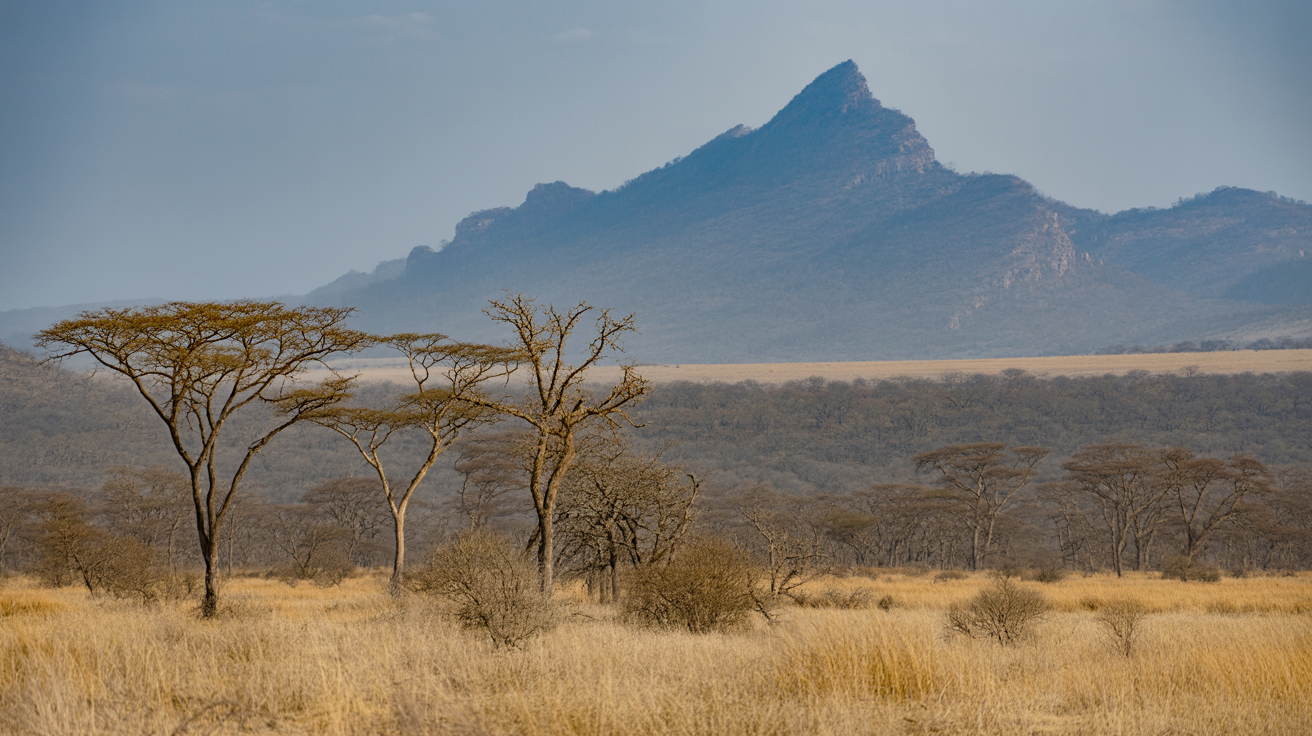
Tropical and subtropical forests and woodlands
Conservation
The Frilled Dragon is currently classified as Least Concern on the IUCN Red List.
Threats & challenges
Currently classified as Least Concern by the IUCN, frilled dragons face localized threats from habitat loss due to land clearing, agriculture, and urban development. Predation by introduced species such as cats and foxes poses additional risks, especially to eggs and juveniles. Climate change, with its potential to alter rainfall patterns and increase the frequency of wildfires, may impact breeding success and habitat suitability. Despite these challenges, the species remains widespread and relatively abundant across its range, with stable population trends in most areas. Ongoing monitoring is recommended to detect potential declines linked to environmental changes or increased human activity.
Taxonomy
Scientific name
Chlamydosaurus kingii
- Kingdom
- Animalia
- Phylum
- Chordata
- Class
- Reptilia
- Order
- Squamata
- Family
- Agamidae
- Genus
- Chlamydosaurus
- Species
- kingii
Community notes
Share your observations about the Frilled Dragon.
No community notes yet. Be the first!
Discover more wildlife
More fascinating animals from the encyclopedia.