
About the Giant Burrowing Cockroach
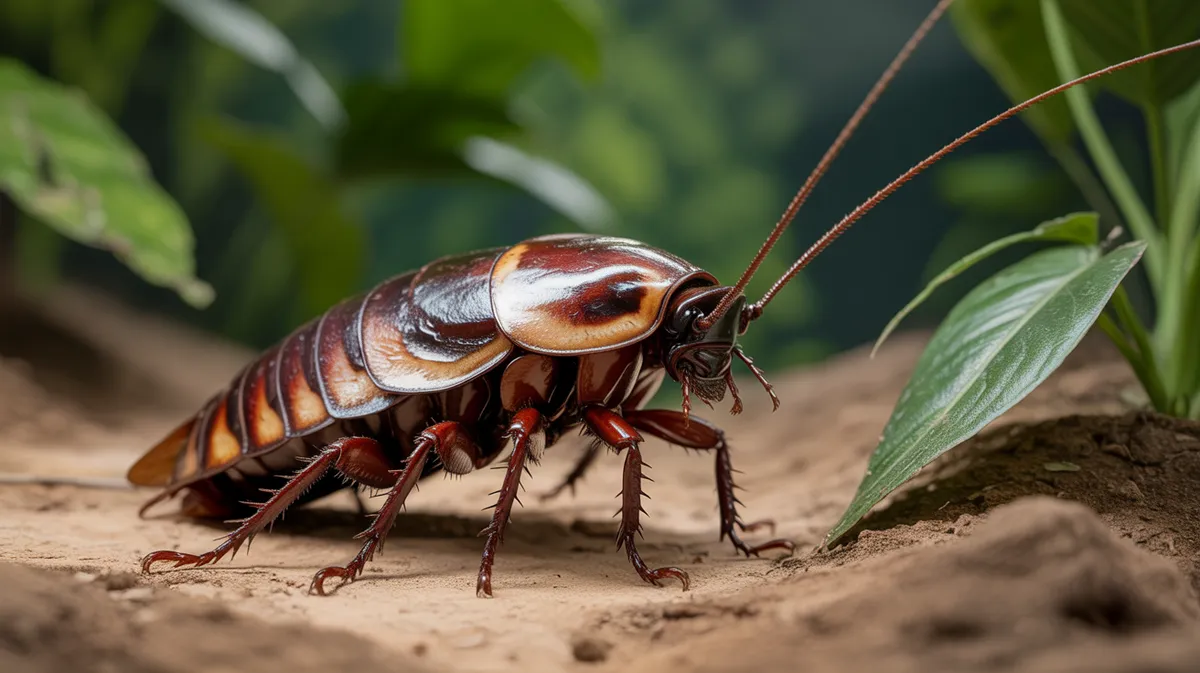
The Giant Burrowing Cockroach, also known as the rhinoceros cockroach, is the heaviest cockroach species in the world and is native to Australia. Unlike most cockroaches, it does not have wings and spends most of its life underground, where it excavates elaborate burrows. This insect is harmless to humans and plays a vital ecological role by breaking down leaf litter and recycling nutrients in its environment. It is notable for its large size, longevity, and unique parental care, with females tending their young for several months.
Fascinating facts
Heaviest Cockroach
The Giant Burrowing Cockroach can weigh over 30 grams, making it the world's heaviest cockroach species.
Expert Burrower
It can dig permanent burrows up to one meter (over 3 feet) deep, where it spends most of its life.
Maternal Care
Females care for their offspring for several months, a rare trait among cockroaches.
Detailed description
The Giant Burrowing Cockroach (Macropanesthia rhinoceros) is a robust, wingless insect notable for its impressive size, with adults reaching lengths of 7.5–8 cm and weights up to 35 grams, making it the heaviest cockroach species globally. Its body is heavily sclerotized, dark brown to black, and features a pronounced, shield-like pronotum that provides protection as it burrows through soil. The legs are strong and spined, highly adapted for digging and moving leaf litter. Unlike most cockroaches, M. rhinoceros is entirely terrestrial and spends the majority of its life underground in self-constructed burrows that can extend over 1 meter deep. It is primarily nocturnal, emerging at night to forage for dry leaf litter, which it drags back to its burrow for consumption and nest lining. Socially, these cockroaches are mostly solitary, though females exhibit a rare form of parental care among insects, tending their nymphs for several months post-hatching. The species is long-lived for an insect, with individuals commonly surviving 5–10 years in the wild. Its slow metabolism and low reproductive rate are balanced by high offspring survival due to maternal care. The Giant Burrowing Cockroach plays a critical ecological role as a detritivore, facilitating nutrient cycling and soil aeration in its native habitats. Its unique combination of size, longevity, and behavior distinguishes it from other cockroach species.
Did you know?
The Giant Burrowing Cockroach is sometimes kept as a pet and is prized for being odorless and non-invasive.
Research & sources
Wikipedia summary
The giant burrowing cockroach is also known as the rhinoceros cockroach, and Queensland giant cockroach. These cockroaches are native to Australia and mostly found in tropical and subtropical parts of Queensland. They are the world's heaviest species of cockroach and can weigh up to 30-35 grams and measure up to 7.5-8 cm (3.1 in) in length. It is a member of the family Blaberidae, which contains hundreds of species. It is part of the blaberid subfamily Geoscapheinae. It is prominent in the wild and can also be sold and kept as a pet.
Behaviour & social structure
Macropanesthia rhinoceros is primarily nocturnal, spending daylight hours in its burrow to avoid predators and desiccation. At night, it emerges to collect dry leaf litter, which serves as both food and nesting material. The species is not aggressive and relies on its burrowing ability and tough exoskeleton for defense rather than speed or flight. Feeding involves shredding and consuming decomposing plant matter, contributing to ecosystem nutrient cycling. Social interactions are limited; adults are solitary except during mating or when females care for their young. Communication is mostly tactile and chemical, with pheromones likely playing a role in mate attraction. Daily routines revolve around burrow maintenance, foraging, and, for females, tending to nymphs. The cockroach rarely ventures far from its burrow, minimizing predation risk.
Reproduction & life cycle
Reproduction in the Giant Burrowing Cockroach is ovoviviparous, meaning females retain eggs internally until they hatch. Mating typically occurs during the warmer, wetter months (spring to early summer in Queensland). After mating, the female gestates the eggs for approximately three months before giving birth to live nymphs—usually 10–30 per brood. The mother remains with her offspring in the burrow, providing protection and food (leaf litter) for up to nine months. This extended maternal care is unusual among cockroaches and significantly increases nymph survival rates. The nymphs undergo several molts over 1–3 years before reaching maturity. Breeding frequency is low, with females producing only a few broods in their lifetime.
Adaptations & survival
M. rhinoceros exhibits several specialized adaptations for its fossorial lifestyle. Its heavily armored, domed pronotum and spiny legs are ideal for digging and pushing through compacted soil. The absence of wings reduces water loss and allows for a more robust, compact body suited to subterranean life. Its metabolism is adapted for low-energy diets and long periods of inactivity. Behavioral adaptations include nocturnal activity to avoid heat and predators, and the construction of deep burrows that buffer against temperature extremes and desiccation. The species' unique maternal care ensures higher juvenile survival in a challenging environment. Chemoreceptors on the antennae aid in detecting food and pheromones underground.
Cultural significance
The Giant Burrowing Cockroach holds a unique place in Australian culture, often featured in educational programs and insect zoos due to its impressive size and harmless nature. It is popular in the exotic pet trade, valued for its docility, ease of care, and fascinating behaviors. The species is sometimes used in classroom settings to teach about decomposition, nutrient cycling, and insect parental care. While it does not have a significant role in mythology or traditional uses, its ecological importance and unusual life history have made it a subject of public interest and scientific study.
Recent research
Recent research on Macropanesthia rhinoceros has focused on its role in soil health and nutrient cycling, with studies demonstrating its contribution to leaf litter breakdown and soil aeration. Ongoing genetic studies are investigating population structure and adaptation to different microhabitats within Queensland. Behavioral research has highlighted the evolutionary significance of maternal care in cockroaches, providing insights into the evolution of social behaviors in insects. The species is also being studied as a model for understanding the impacts of climate change on soil-dwelling invertebrates. Its longevity and low metabolic rate have prompted interest in aging and physiological adaptation studies.
Videos
Habitat
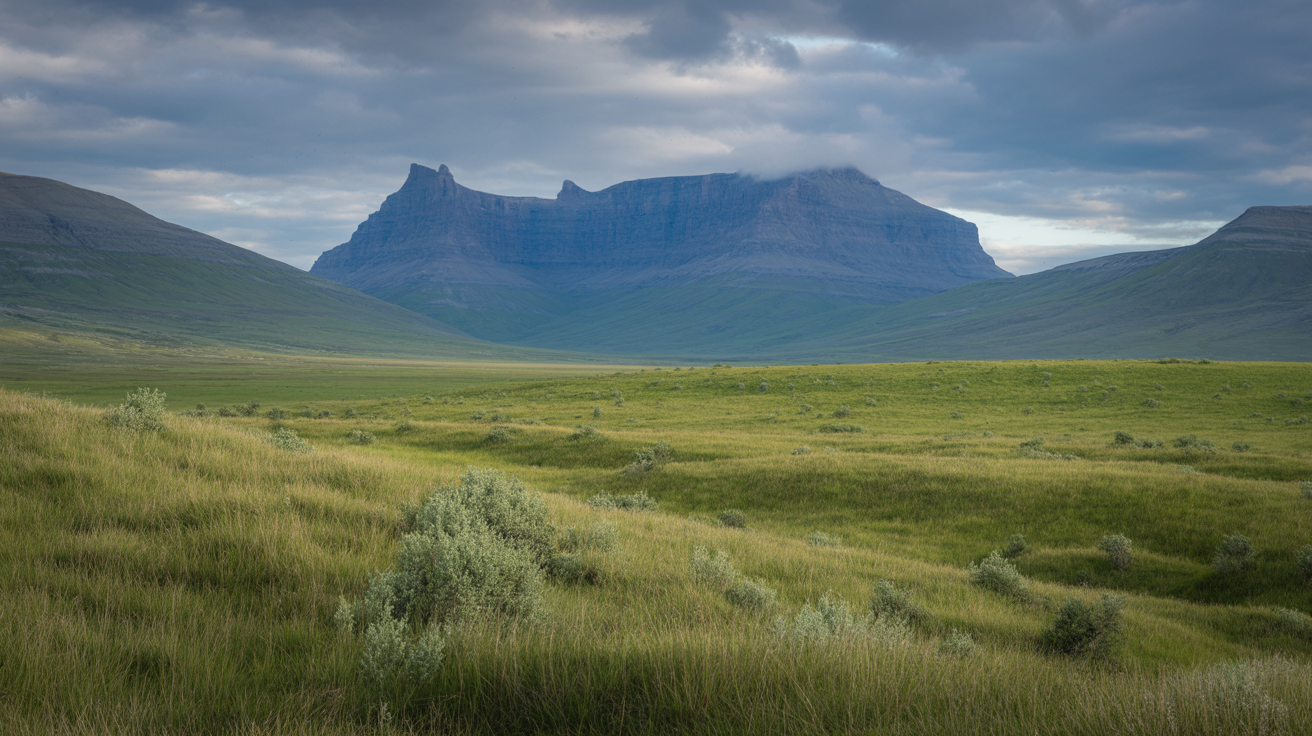
Tropical and subtropical forests

Conservation
The Giant Burrowing Cockroach is currently classified as Least Concern on the IUCN Red List.
Threats & challenges
Currently, the Giant Burrowing Cockroach is classified as Least Concern, with stable populations in protected and remote areas. However, localized threats include habitat loss due to land clearing, agriculture, and urban development in Queensland. Over-collection for the pet trade can also impact local populations if not managed sustainably. Climate change poses a potential long-term threat by altering rainfall patterns and soil moisture, which could affect burrow stability and food availability. Despite these challenges, the species' adaptability and protected status in some regions help mitigate major population declines.
Taxonomy
Scientific name
Macropanesthia rhinoceros
- Kingdom
- Animalia
- Phylum
- Arthropoda
- Class
- Insecta
- Order
- Blattodea
- Family
- Blaberidae
- Genus
- Macropanesthia
- Species
- rhinoceros
Community notes
Share your observations about the Giant Burrowing Cockroach.
No community notes yet. Be the first!
Discover more wildlife
More fascinating animals from the encyclopedia.