
About the Giant Spider Crab
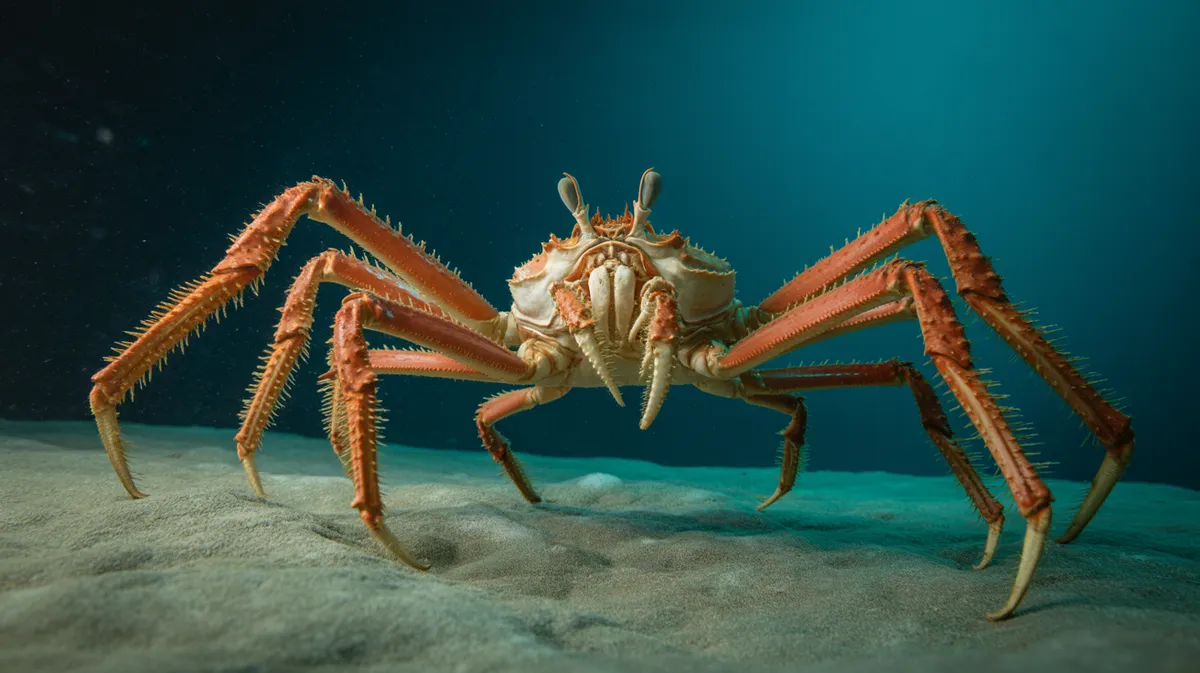
Macrocheira kaempferi has the greatest leg span of any arthropod that has ever lived, reaching close to 3.7 m from claw tip to claw tip, but the animal itself is far smaller than that number suggests: the carapace is only about 40 cm across, and almost the entire span is spindly leg. It lives on the sea floor off the Pacific coast of Japan, typically between 150 and 300 m, and it is not a predator so much as a slow, patient scavenger and forager, picking through the sediment for dead fish, molluscs and algae. Its legs are so long and thin relative to the body that it walks in a slow, delicate, stilted gait rather than scuttling, and a lost leg is regrown over successive moults. It decorates its shell, planting sponges, kelp and anemones on the carapace so that a resting crab looks like a piece of rock, a habit shared with many smaller spider crabs. In spring it moves into shallower water to breed, which is when the Suruga Bay fishery takes them, and it is a delicacy in the region. Individuals are believed to be long-lived, with estimates running towards a century, though this is genuinely uncertain because the crab stops moulting once mature and there is no reliable way to age it.
Fascinating facts
Record-Breaking Legs
The Giant Spider Crab's legs can span up to 3.8 meters (12 feet), making it the largest leg span of any crab or arthropod in the world.
Deep Sea Dweller
This species is typically found at depths ranging from 50 to over 300 meters (160–980 feet) in the Pacific Ocean near Japan.
Scavenger Diet
Giant Spider Crabs are omnivorous scavengers, feeding on dead animals, shellfish, and plant matter found on the ocean floor.
Detailed description
The Giant Spider Crab (Macrocheira kaempferi) is the largest living species of crab, distinguished by its extraordinary leg span, which can reach up to 3.8 meters (12.5 feet) in males, while the carapace itself typically measures up to 40 cm (16 inches) wide. Its body is robust, rounded, and covered in spiny tubercles, providing camouflage among rocky substrates and protection from predators. The exoskeleton is orange to reddish-brown, often mottled with white patches, and the long, slender legs are jointed and adapted for traversing uneven ocean floors. Giant Spider Crabs are benthic dwellers, inhabiting depths ranging from 50 to over 600 meters, though they are most commonly found between 150 and 300 meters along the continental shelf and slope off Japan’s Pacific coast. They are primarily nocturnal, emerging at night to scavenge for detritus, carrion, mollusks, and algae. Despite their intimidating size, they are relatively slow-moving and rely on their size and camouflage for defense rather than aggression. Their sensory organs are well-developed, with compound eyes and sensitive antennae aiding in navigation and foraging in low-light environments. Giant Spider Crabs undergo periodic molting to grow, a vulnerable time when their soft exoskeleton leaves them susceptible to predation. Their lifespan is estimated to be up to 100 years, making them one of the longest-lived arthropods. These crabs play a vital ecological role as scavengers, contributing to nutrient cycling in deep-sea ecosystems.
Did you know?
The Giant Spider Crab holds the record for the longest leg span of any marine arthropod, outstretching even the largest land spiders.
Research & sources
Behaviour & social structure
Giant Spider Crabs are solitary for most of the year but exhibit seasonal aggregations during the spring breeding season, when large numbers migrate to shallower waters. Their movement is generally slow and deliberate, minimizing energy expenditure and reducing detection by predators. Feeding is opportunistic; they use their chelae (claws) to probe crevices, manipulate food, and tear apart carrion. They are known to feed on a wide variety of organic matter, including dead fish, shellfish, algae, and occasionally live prey such as mollusks and smaller crustaceans. During the day, they remain concealed among rocks and debris, emerging at dusk to forage. Social interactions are limited outside of breeding, with occasional antagonistic encounters over food or mates, typically resolved through displays rather than physical combat.
Reproduction & life cycle
Reproduction in Macrocheira kaempferi is seasonal, peaking in early spring (March to May) when adults migrate to shallower coastal waters (as shallow as 50 meters) to breed. Males compete for access to females, often engaging in ritualized displays. After mating, females carry fertilized eggs attached to their abdominal pleopods for up to two months. A single female can carry between 1.5 and 1.8 million eggs per brood. The eggs hatch into planktonic larvae (zoea), which drift in the water column for several weeks, undergoing multiple molts before settling to the seafloor as juvenile crabs. There is no parental care beyond egg carrying; survival rates of larvae are low due to predation and environmental factors. Sexual maturity is reached at approximately 10 years of age.
Adaptations & survival
The Giant Spider Crab possesses several adaptations for deep-sea survival. Its elongated legs enable it to cover large areas in search of food and to navigate complex, rocky substrates. The spiny, textured carapace provides both physical protection and camouflage, often accumulating encrusting organisms like barnacles and algae for additional concealment. Its slow metabolism and nocturnal habits reduce energy requirements and predation risk. The ability to molt and regenerate lost limbs is crucial for survival in a harsh environment. Sensory adaptations, including acute chemoreception and mechanoreception, allow effective foraging in low-light, high-pressure habitats. Evolutionarily, its large size may deter many potential predators and facilitate dominance in scavenging niches.
Cultural significance
In Japanese culture, the Giant Spider Crab (known as 'taka-ashi-gani') is both a culinary delicacy and a subject of folklore. It is featured in regional seafood cuisine, especially in coastal areas of Honshu, where it is steamed or boiled. The crab’s formidable appearance has inspired myths and legends, sometimes depicted as yōkai (supernatural creatures) in traditional art and storytelling. Its image is used in tourism and local branding, symbolizing the unique marine biodiversity of Japanese waters. Conservation awareness campaigns occasionally highlight the species to promote sustainable fishing practices.
Recent research
Recent research has focused on the Giant Spider Crab’s growth rates, molting cycles, and population genetics. Studies using mark-recapture and genetic analysis have revealed slow growth and late maturity, making populations vulnerable to overexploitation. Ongoing research explores the impacts of ocean warming and acidification on larval development and exoskeleton formation. There is also interest in the species’ role in deep-sea ecosystem functioning, particularly in nutrient recycling. Advances in deep-sea observation technology have enabled more detailed behavioral studies, revealing complex migration patterns and habitat preferences. Some research has examined the potential for aquaculture, though challenges remain due to the species’ slow growth and high larval mortality.
Sources
Biology and Ecology of the Japanese Spider Crab Macrocheira kaempferi
Sato, T. & Suzuki, N. (2010)
scientificBiology and Ecology of the Giant Spider Crab Macrocheira kaempferi
S. Yamasaki, T. Akiyama, et al. (2011)
scientificMacrocheira kaempferi (Giant Spider Crab): Species Fact Sheet
IUCN Red List (Not Evaluated); FishBase
conservationVideos
Habitat
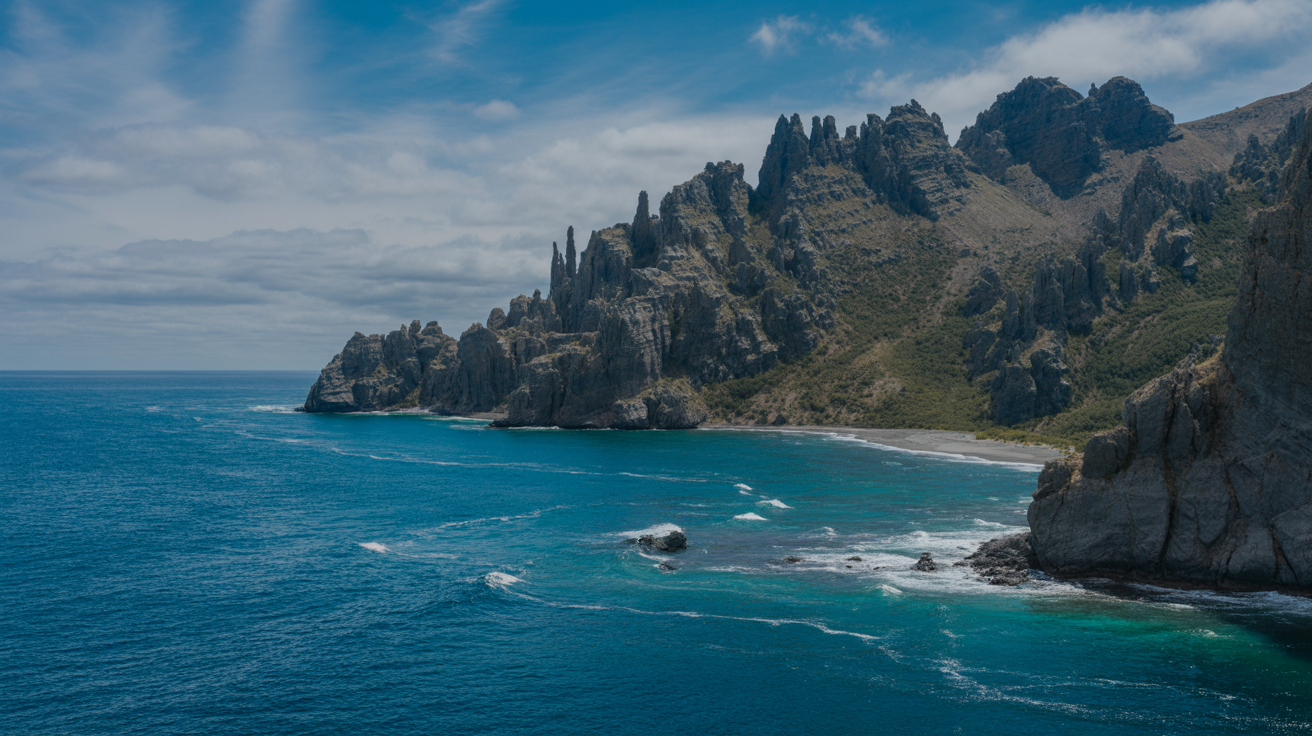
Deep ocean waters
Conservation
The Giant Spider Crab is currently classified as Not Evaluated on the IUCN Red List.
Threats & challenges
While not currently evaluated by the IUCN, the Giant Spider Crab faces several anthropogenic threats. Overfishing is a concern, particularly during the breeding season when large aggregations are easily harvested for food. Habitat degradation from trawling and pollution also poses risks, potentially impacting breeding grounds and larval development. Climate change and ocean acidification may affect their deep-sea habitats and food availability. Although populations are not well-studied, localized declines have been reported in areas of intense fishing pressure. Conservation measures in Japan include seasonal fishing bans and size limits to protect breeding individuals, but comprehensive population assessments are lacking.
Taxonomy
Scientific name
Macrocheira kaempferi
- Kingdom
- Animalia
- Phylum
- Arthropoda
- Class
- Malacostraca
- Order
- Decapoda
- Family
- Inachidae
- Genus
- Macrocheira
- Species
- kaempferi
Where to see a giant spider crab
3 zoos and aquariums in 1 country are recorded as keeping this species.
 Georgia Aquarium🇺🇸 Atlanta, United States
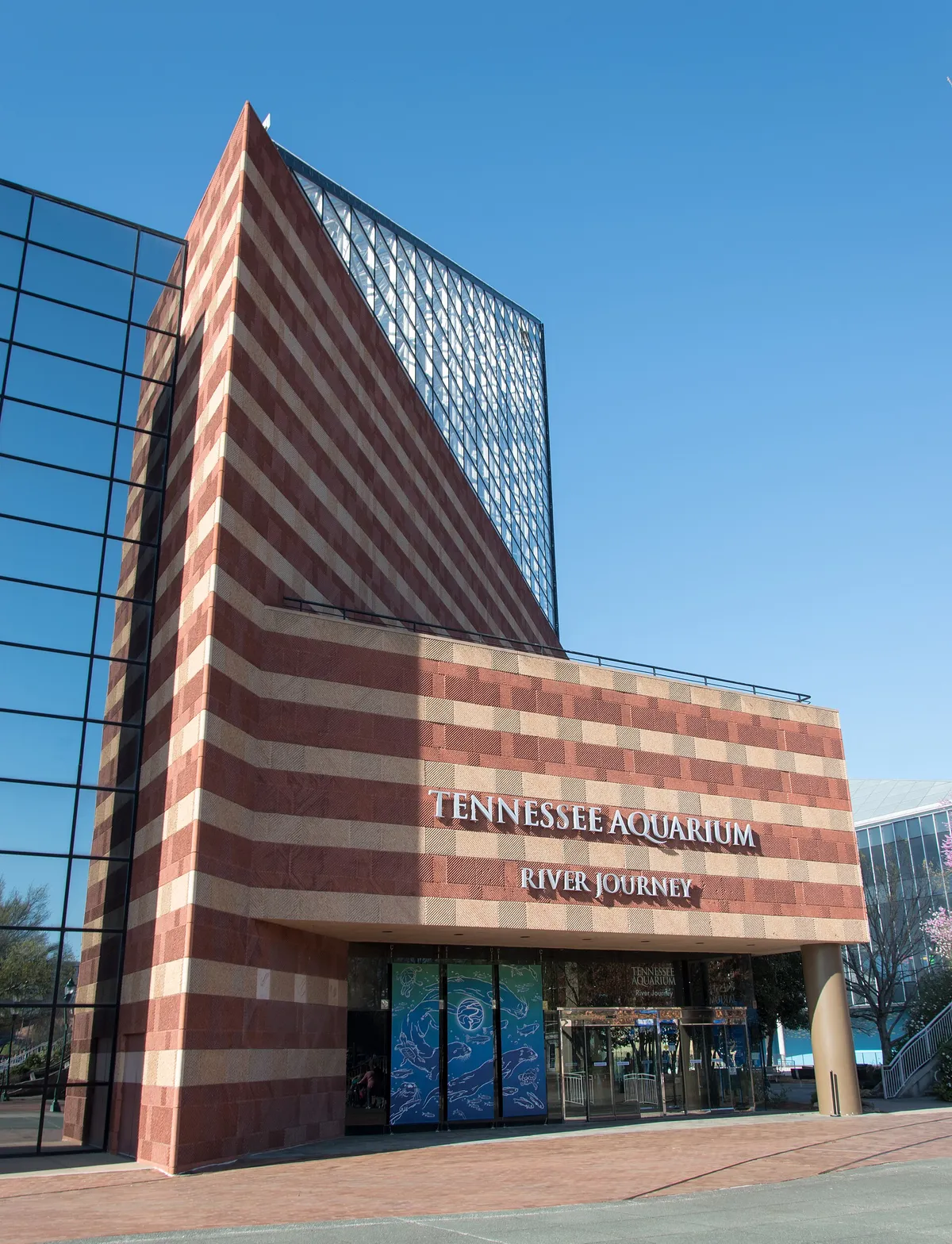 Tennessee Aquarium🇺🇸 Chattanooga, United States
 Toledo Zoo🇺🇸 Toledo, United States
Community notes
Share your observations about the Giant Spider Crab.
No community notes yet. Be the first!
Discover more wildlife
More fascinating animals from the encyclopedia.