
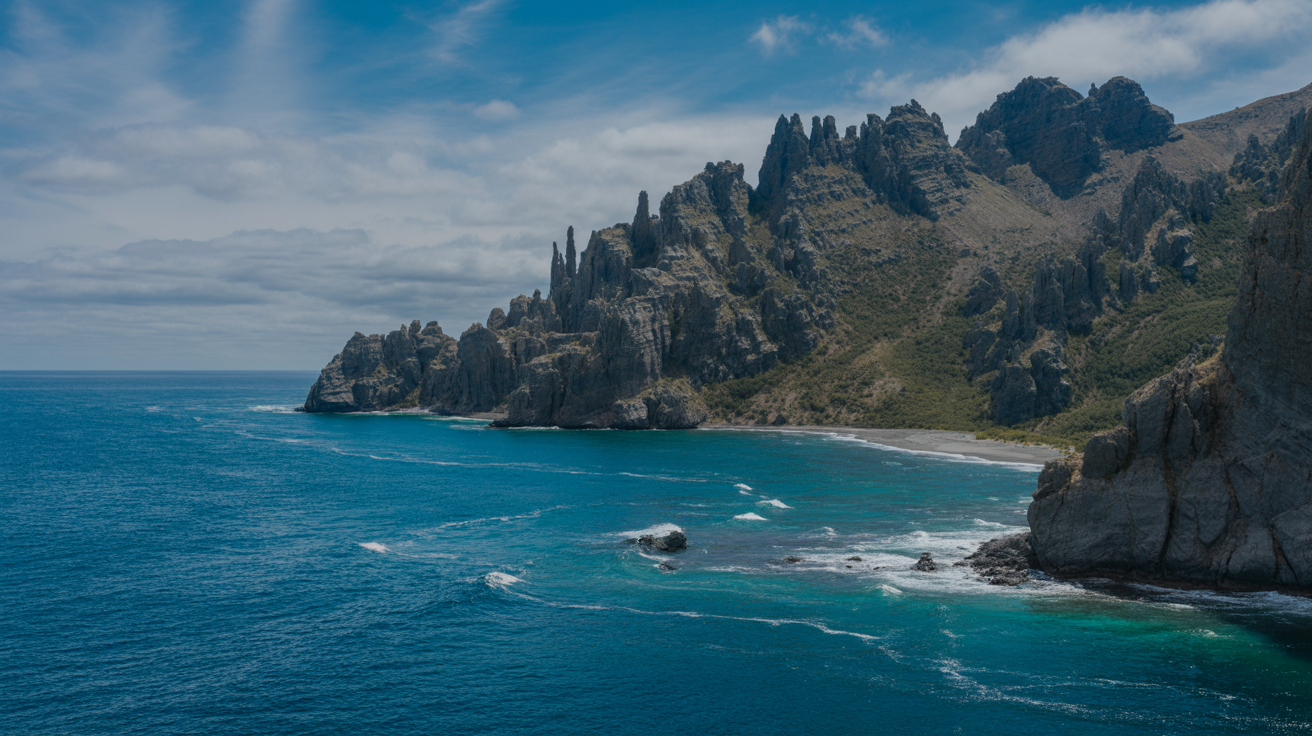
Ocean
Saltwater environments covering more than 70% of the Earth's surface, home to a vast variety of marine life.
Animals of the Ocean
Species recorded in this habitat.
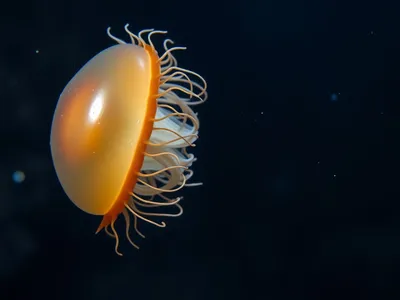
Abyssal Comb Jelly
Bathocyroe fosteri
The Abyssal Comb Jelly, Bathocyroe fosteri, is a translucent, deep-sea ctenophore notable for its delicate, balloon-like body and shimmering rows of cilia used for locomotion. Found at great oceanic depths, this invertebrate often drifts in the midwater column, capturing small prey with its lobes. Its bioluminescent capabilities create mesmerizing light displays, which may serve as camouflage or to deter predators. Despite its fragile appearance, the Abyssal Comb Jelly is well-adapted to the extreme pressure and darkness of the deep sea.
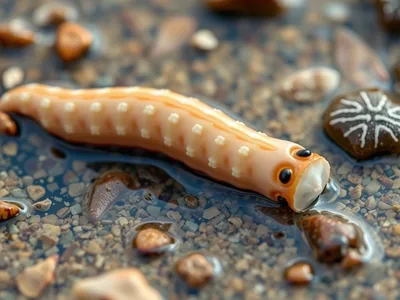
Acorn Worm
Saccoglossus kowalevskii
Acorn worms are soft-bodied, burrowing marine invertebrates belonging to the class Enteropneusta. They are named for the acorn-like appearance of their proboscis, which is used for digging and feeding. Acorn worms play an important role in marine ecosystems by aerating sediments and recycling nutrients. These animals are considered evolutionary significant as they share characteristics with both vertebrates and invertebrates, offering insight into early deuterostome evolution.
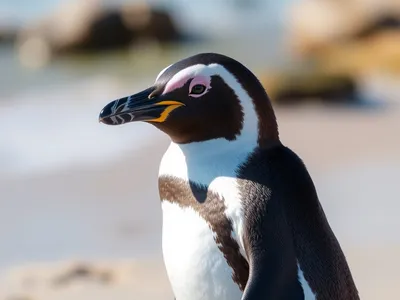
African Penguin
Spheniscus demersus
The African penguin is the only penguin that breeds on the African mainland and its islands, and it brays like a donkey — hence its older name, jackass penguin. The bare pink patch above each eye is a radiator: in heat, blood is shunted into the supraorbital gland region and the skin flushes a deeper pink as it dumps heat to the air, which is how a bird built for cold survives Namibian and South African summers. Its collapse is a case study in how an unrelated industry can destroy a species. For centuries penguins nested in burrows dug into metres-deep guano; when guano was scraped off the islands as fertiliser in the nineteenth century, the penguins were left nesting on bare rock, exposed to gulls and to lethal heat. Then commercial purse-seining stripped the sardine and anchovy stocks, and the fish that remained shifted east, away from the breeding colonies. From roughly a million pairs around 1900, fewer than 10,000 breeding pairs remain, and the species is now Critically Endangered.
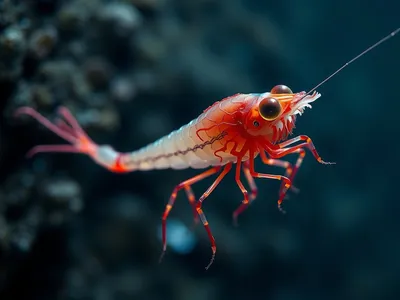
Antarctic Krill
Euphausia superba
Antarctic krill may be the most abundant single wild animal species on Earth by biomass: estimates put the standing stock in the hundreds of millions of tonnes, comparable to or exceeding the mass of all humans. They form swarms so dense — up to tens of thousands of animals per cubic metre — that they are visible from the air as reddish stains under the sea, and whole ecosystems from whales to penguins to crabeater seals rest on them. In winter they graze algae from the underside of sea ice, combing it off with rake-like thoracic legs, which is why the loss of winter ice is an existential threat to them. Their strangest ability is shrinking: a starving krill will moult into a smaller body, running its own growth backwards, and can do this repeatedly through a dark winter — extremely unusual among animals, and it means body size is a poor guide to age. They live five or six years, carry light-producing photophores, and migrate vertically hundreds of metres each day.
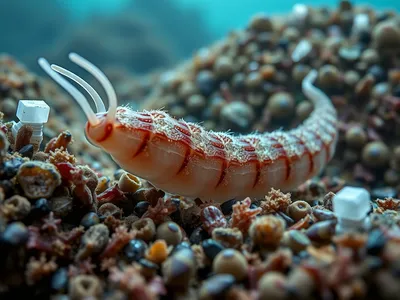
Antarctic scale worm
Eulagisca gigantea
The Antarctic scale worm is a large, predatory polychaete worm found in the frigid waters surrounding Antarctica. Recognizable by its broad, flattened body covered with overlapping scales (elytra), this worm can reach lengths of up to 20 centimeters. Its impressive jaws and iridescent, segmented appearance make it a striking resident of the deep Antarctic seafloor. This invertebrate is a fierce predator, preying on other marine invertebrates in one of the most extreme environments on Earth.
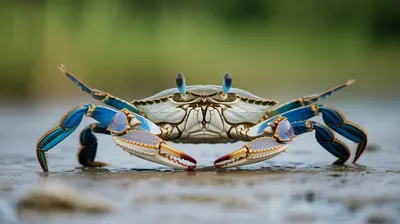
Atlantic blue crab
Callinectes sapidus
The Atlantic blue crab is a vibrant crustacean easily recognized by its brilliant blue claws and olive-green shell. Native to the western Atlantic Ocean and the Gulf of Mexico, it thrives in estuarine and coastal habitats. Blue crabs are highly adaptable, living in both salty and brackish waters, and play an essential role in their ecosystems as both predator and prey. Highly valued as a seafood delicacy, their populations are closely monitored due to intensive fishing and habitat changes.
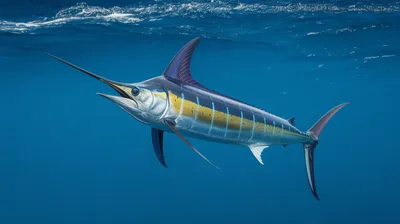
Atlantic Blue Marlin
Makaira nigricans
The Atlantic Blue Marlin is one of the largest and most powerful fish in the ocean, renowned for its elongated bill and vibrant cobalt-blue coloration. Found throughout the tropical and subtropical waters of the Atlantic Ocean, this majestic predator is a prized catch among sport fishers due to its incredible speed and acrobatic leaps. Blue marlins are solitary hunters, using their sharp bills to slash through schools of fish with precision. Females are notably larger than males, and the species plays a vital role in maintaining the balance of open-ocean ecosystems.
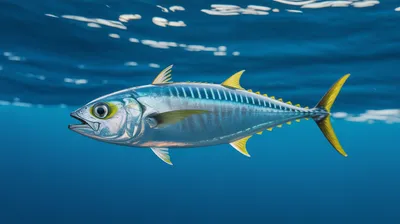
Atlantic Bonito
Sarda sarda
The Atlantic Bonito is a fast-swimming, predatory fish found in the warm and temperate waters of the Atlantic Ocean and the Mediterranean Sea. Recognized by its streamlined, torpedo-shaped body and distinct dark, diagonal stripes along its back, this fish is often mistaken for tuna due to its similar body shape. Atlantic Bonitos are known for their speed and agility, making them popular among sport fishers. Typically traveling in schools, they are vital predators in their ecosystem, feeding primarily on smaller fish and invertebrates.
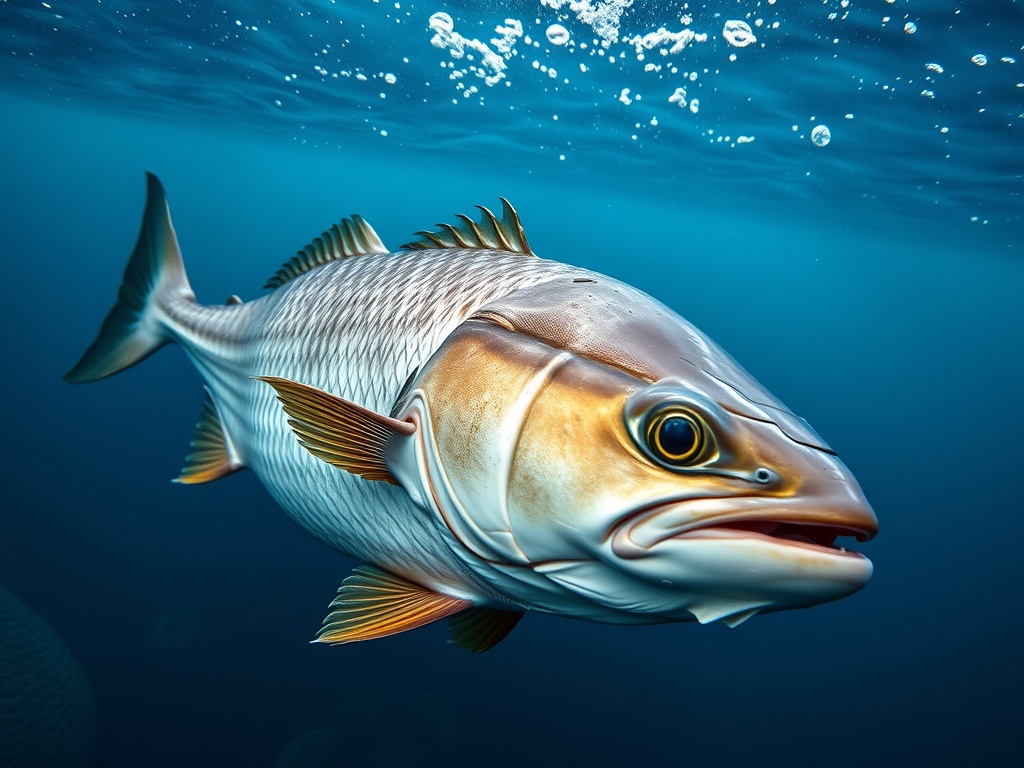
Atlantic cod
Gadus morhua
Atlantic cod is the fish that built empires and then supplied the twentieth century's most notorious fisheries collapse. Basque and Portuguese boats were working the Newfoundland banks before Cabot formally "discovered" them, and salt cod fed European navies, plantations and armies for four centuries. Then, in July 1992, Canada closed the northern cod fishery outright, throwing roughly 30,000 people out of work in a single announcement; the stock, which had already fallen by more than 95 percent, has still not properly recovered more than three decades later. Cod are astonishingly fecund — a large female can release several million eggs in a season — which is exactly why nobody believed they could be fished out. Fishing also changed the fish itself: by removing the biggest, oldest, latest-maturing individuals for decades, it selected for cod that mature younger and smaller, an evolutionary shift that makes recovery harder. Northern cod carry antifreeze glycoproteins in the blood, letting them work water below the normal freezing point of their body fluids.
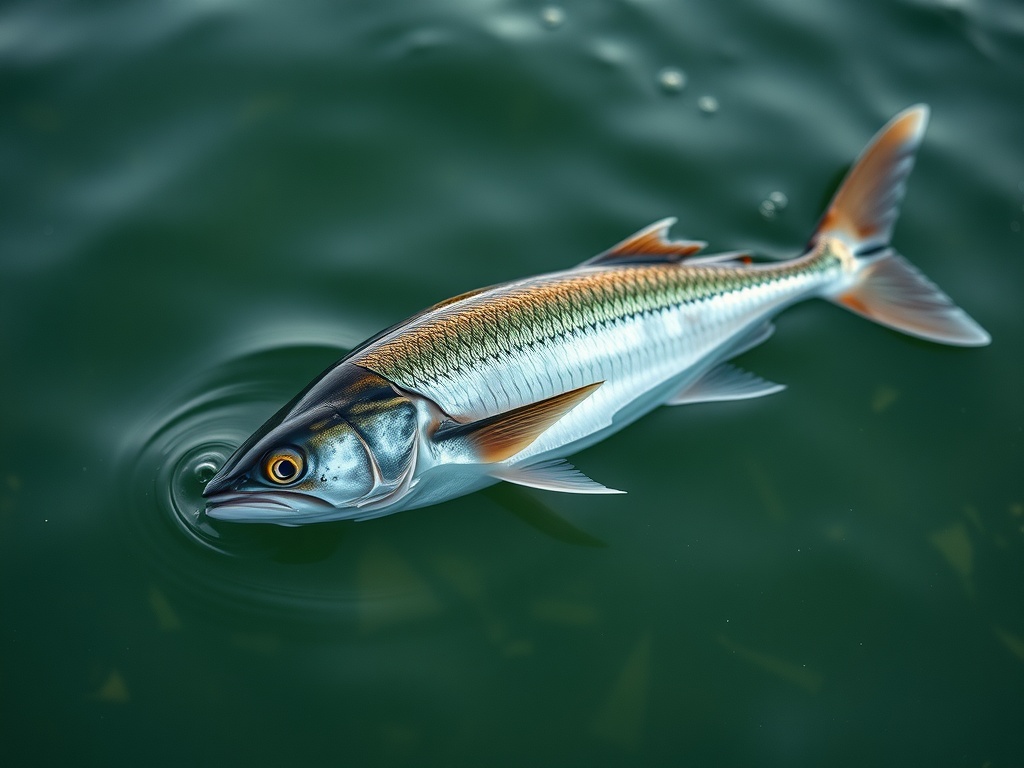
Atlantic herring
Clupea harengus
The Atlantic herring is a small, silvery fish found in the temperate waters of the North Atlantic Ocean. Known for forming enormous schools, these fish can number in the billions and play a crucial role in marine food webs. Atlantic herring are swift swimmers and feed primarily on plankton, using their finely spaced gill rakers to filter tiny prey from the water. They are an economically vital species, supporting large commercial fisheries for centuries. Their lifecycle includes spawning in coastal areas and migrating vast distances in search of food and suitable breeding grounds.
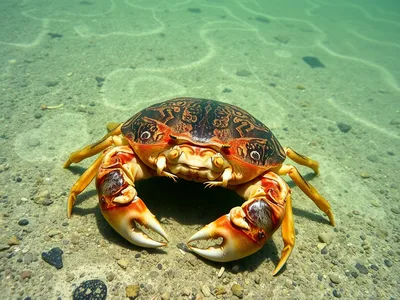
Atlantic Horseshoe Crab
Limulus polyphemus
The horseshoe crab is not a crab. It is closer to spiders and scorpions than to anything crustacean, and its body plan has run essentially unchanged for something like four hundred and fifty million years — it was old before the dinosaurs. Its blood is blue, because it carries oxygen with copper rather than iron, and it contains cells of extraordinary usefulness: they clot violently in the presence of bacterial endotoxin, in quantities almost too small to measure. That reaction was turned into a test, and it is now the global standard for checking that vaccines, injectable drugs and implanted devices are free of contamination — which means that essentially every injection given to a human being has been screened using the blood of this animal. Hundreds of thousands are caught each year, bled, and returned to the sea, a practice that is now under pressure as synthetic alternatives are developed. It has ten eyes, and every spring it comes ashore in huge numbers to spawn, feeding the shorebirds that time their migration to arrive exactly then.
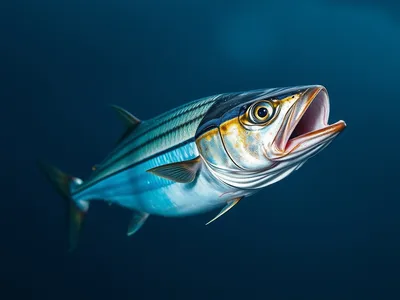
Atlantic mackerel
Scomber scombrus
The Atlantic mackerel is a sleek, fast-swimming fish known for its iridescent blue-green back marked with wavy black lines and silvery flanks. Found in large schools, this species inhabits the temperate waters of the North Atlantic Ocean, migrating seasonally in search of food and spawning grounds. Atlantic mackerel are important both ecologically, as a prey species for larger predators, and economically, as a popular target for commercial and recreational fisheries. Their streamlined bodies and forked tails make them powerful swimmers, capable of quick bursts of speed.
Other habitats
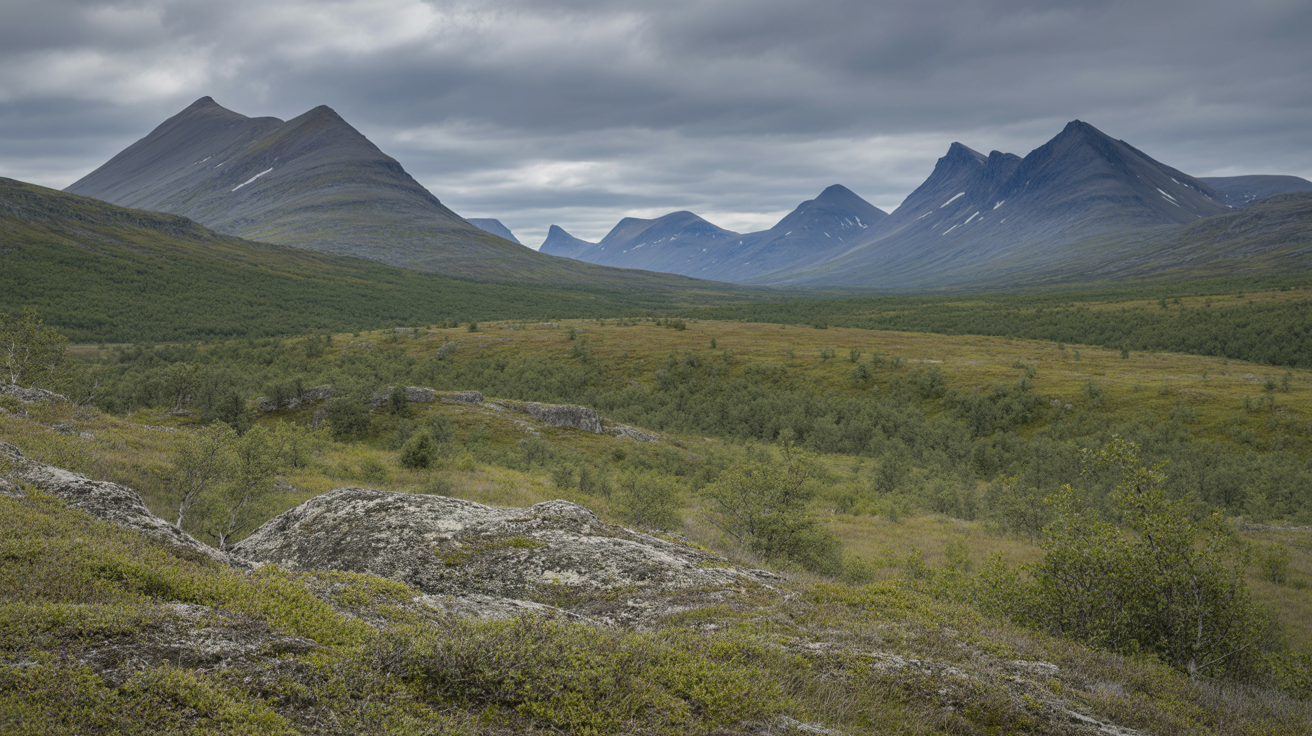 Polar and Subpolar Regions
Tundra
Cold, treeless regions with permafrost supporting specialized cold-adapted wildlife.
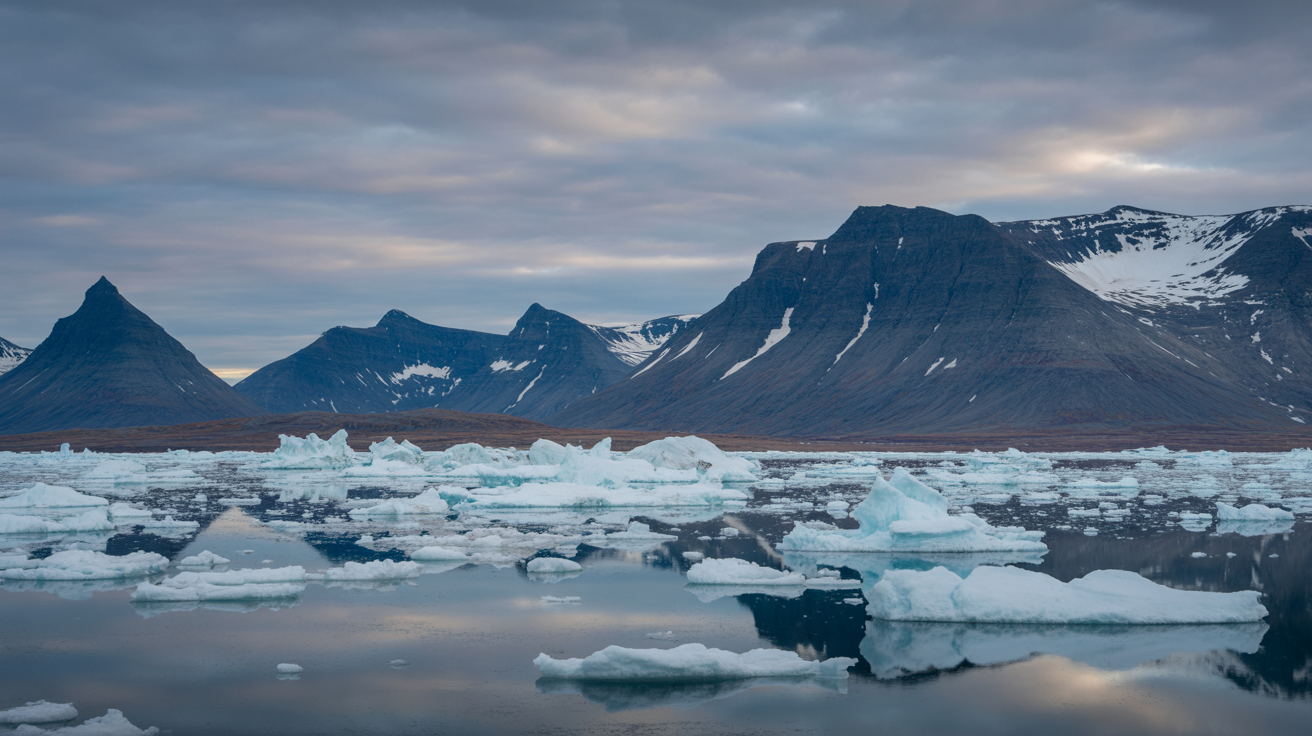 Polar Regions
Arctic
Cold, frozen landscapes around the North Pole with specialized wildlife adapted to extreme cold.
 Arid Regions
Desert
Arid lands with minimal rainfall, extreme temperatures, and specialized wildlife adapted to harsh conditions.
 Global
Forest
Wooded areas with significant tree cover and diverse plant and animal communities.
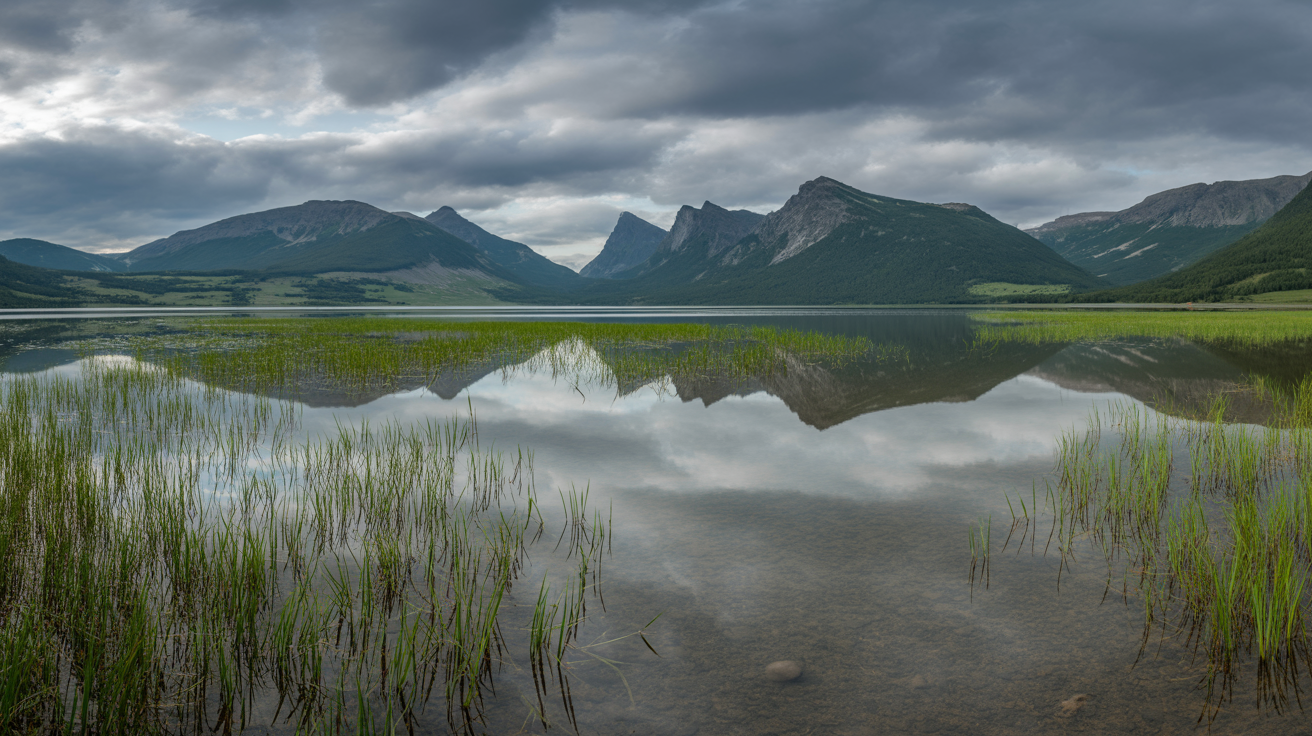 Global
Freshwater
Lakes, rivers, and wetlands with diverse aquatic ecosystems.
 Tropical Regions
Rainforest
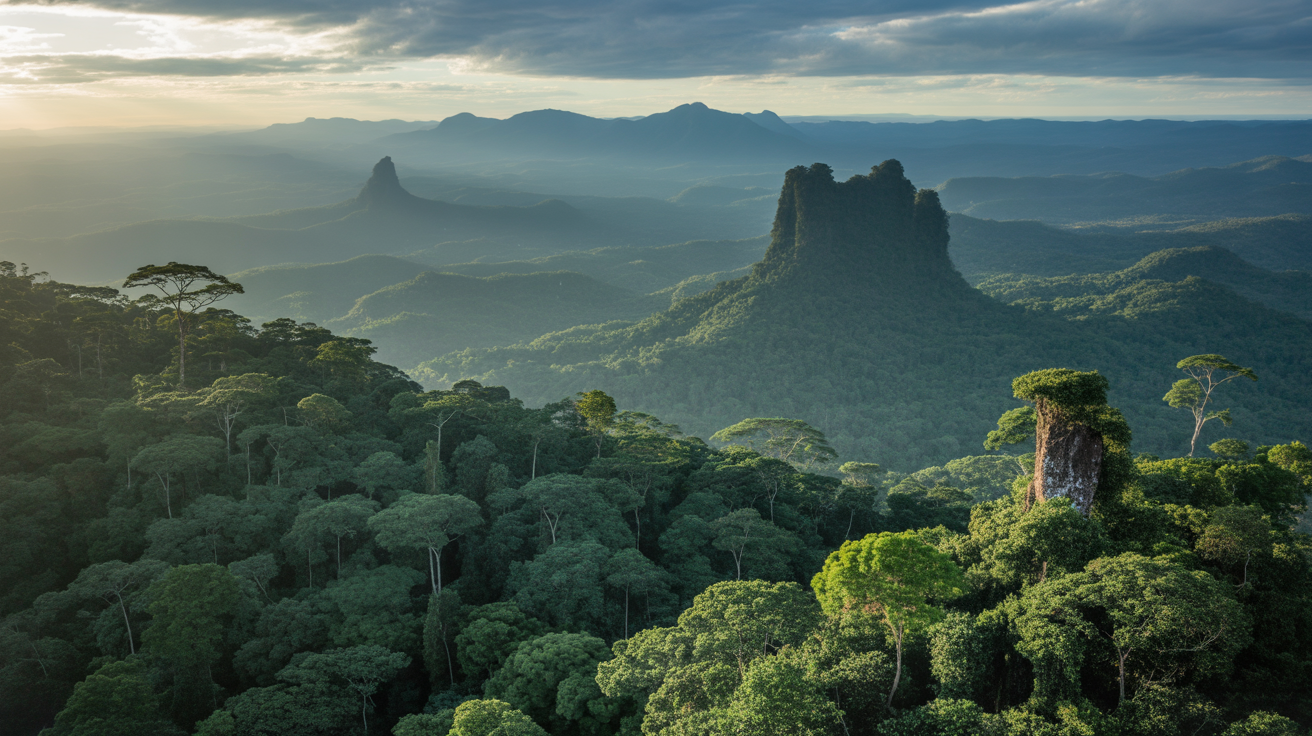
Dense, wet forests with the highest biodiversity on Earth, containing more than half of the world's plant and animal species.