
About the Gila Monster
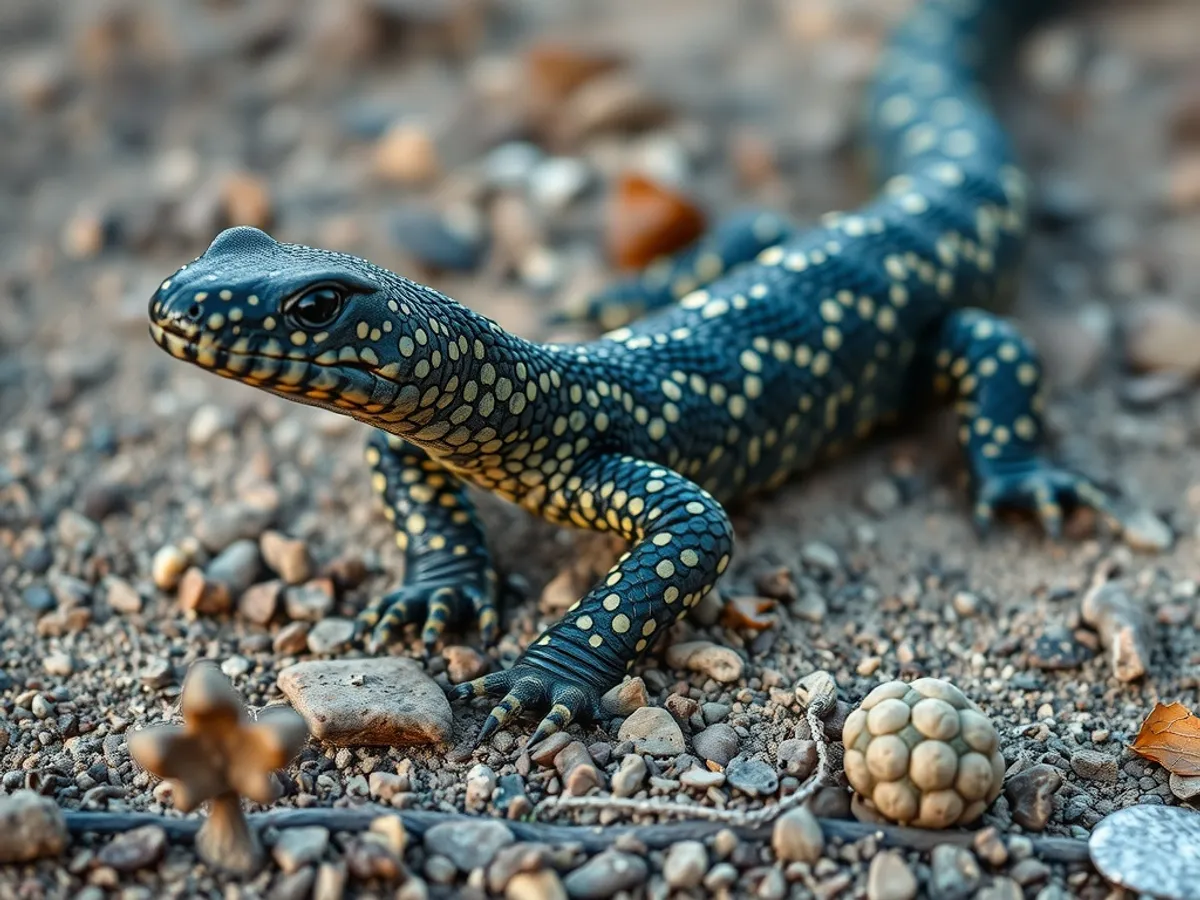
Heloderma suspectum is one of only a handful of venomous lizards, a slow, heavy-bodied burrow-dweller of the Sonoran and Mojave deserts armoured in bead-like osteoderms and patterned in black and salmon-pink. Its venom is not injected by fangs but delivered by grooved teeth in the lower jaw and worked into the wound by chewing, which is why the lizard clamps down and hangs on rather than striking and releasing. The bite is agonising and causes plummeting blood pressure, but no verified human death has been recorded in the modern medical era, and the animal is neither aggressive nor fast. Its most consequential trait turned out to be biochemical: a component of the venom called exendin-4, isolated in the 1990s, mimics the human hormone GLP-1 but resists breakdown, and became the basis for exenatide and the whole class of GLP-1 drugs now used against type 2 diabetes and obesity. Gila monsters spend perhaps 95 percent of their lives underground and may eat only five to ten large meals a year, gorging on eggs and nestlings and storing the surplus as fat in a thick tail. They are protected in Arizona, which in 1952 became the first US state to give legal protection to a venomous animal.
Fascinating facts
Venomous Lizard
The Gila Monster is one of only two venomous lizard species in North America, alongside the closely related Mexican beaded lizard.
Desert Dweller
It inhabits desert scrublands, often sheltering under rocks, in burrows, or within crevices to avoid extreme temperatures.
Egg Eater
Its diet consists mainly of bird and reptile eggs, nestlings, small mammals, and occasionally carrion.
Detailed description
The Gila monster (Heloderma suspectum) is a robust, slow-moving lizard reaching lengths of 35–56 cm (14–22 in) and weighing between 350–700 grams (0.8–1.5 lbs). Its body is covered in bead-like scales called osteoderms, which provide both armor and a striking appearance, with patterns of black, pink, orange, or yellow. The head is broad and blunt, with powerful jaws and a thick, forked tongue used for chemoreception. Gila monsters possess venom glands in their lower jaws, delivering venom through grooved teeth during a prolonged bite. They are primarily crepuscular, spending up to 95% of their lives in underground burrows or rocky shelters to avoid extreme desert temperatures. Solitary by nature, Gila monsters interact mainly during the breeding season or territorial disputes. Their diet consists mainly of eggs, nestlings, small mammals, and occasionally carrion, which they locate using an acute sense of smell. Reproduction is oviparous, with females laying clutches of 3–13 leathery eggs in concealed nests. Adapted to arid environments, Gila monsters can store fat in their tails and bodies, allowing them to survive long periods without food. Their slow metabolism and seasonal activity patterns are key to their survival in harsh desert ecosystems.
Did you know?
The venom of the Gila Monster has been used to develop drugs for treating type 2 diabetes in humans.
Research & sources
Wikipedia summary
The Gila monster is a species of venomous lizard native to the Southwestern United States and the northwestern Mexican state of Sonora. It is a heavy, slow-moving reptile, up to 56 centimetres (22 in) long, and it is the only venomous lizard native to the United States. Its venomous close relatives, the four beaded lizards inhabit Mexico and Guatemala. The Gila monster is sluggish in nature, so it is not generally dangerous and very rarely poses a real threat to humans. However, it has a fearsome reputation and is sometimes killed despite the species being protected by state law in Arizona.
Behaviour & social structure
Gila monsters are primarily solitary and exhibit low activity levels, emerging from their burrows mainly during the spring and early summer, especially after rains. They are most active during dawn and dusk (crepuscular), though they may become nocturnal during the hottest months. Their foraging strategy is opportunistic; they use their highly developed vomeronasal (Jacobson's) organ to track prey, particularly eggs and nestlings, which they consume in large quantities when available. Gila monsters are capable of consuming up to one-third of their body weight in a single meal, then fasting for weeks or months. When threatened, they display defensive behaviors such as hissing, gaping, and swinging their tails. Biting is a last resort, but their grip can be tenacious. Social interactions are rare outside of mating or territorial disputes, which may involve wrestling matches between males.
Reproduction & life cycle
Breeding occurs in late spring (May–June), with males engaging in ritualized combat for access to females. Courtship involves tongue-flicking and body rubbing. After mating, females lay 3–13 eggs in moist, sandy or loamy soil, typically in July or August. The eggs are left unattended and incubate for 4–5 months, hatching in late autumn or early winter (October–December), though hatchlings may remain underground until spring. There is no parental care post-oviposition. Sexual maturity is reached at 3–5 years, and lifespan in the wild can exceed 20 years, with some individuals living over 30 years in captivity.
Adaptations & survival
Gila monsters possess several adaptations for desert survival: their bead-like osteodermal skin reduces water loss and offers protection from predators and abrasive substrates. The ability to store fat in the tail and abdomen allows them to endure long periods without food. Their venom, a unique adaptation among lizards, is used primarily for defense and subduing prey, and contains compounds (such as exendin-4) with significant biomedical potential. Their low metabolic rate and seasonal activity patterns minimize energy and water expenditure. The forked tongue and well-developed vomeronasal organ enable precise detection of prey and mates.
Cultural significance
Gila monsters have featured prominently in Native American folklore, often regarded with a mixture of fear and respect due to their venomous nature. Some indigenous groups believed the lizard possessed healing powers or could bring rain. In modern culture, the Gila monster is an iconic symbol of the American Southwest, appearing in art, literature, and as mascots for sports teams. Its venom has contributed to biomedical research, notably in the development of the diabetes drug exenatide (Byetta), derived from the peptide exendin-4 found in Gila monster saliva.
Recent research
Recent research has focused on the composition and pharmacological properties of Gila monster venom, leading to breakthroughs in diabetes treatment. Studies on their thermoregulation, spatial ecology, and reproductive biology have provided insights into their adaptation to arid environments. Genetic analyses have clarified their evolutionary relationships within the Helodermatidae family. Ongoing telemetry studies are tracking movement patterns and habitat use, informing conservation strategies. There is also interest in their role as ecosystem engineers, as their burrowing behavior creates microhabitats for other desert species.
Sources
Heloderma suspectum: The IUCN Red List of Threatened Species 2007
Hammerson, G.A., Frost, D.R., Gadsden, H.
conservationVenomous Reptiles and Their Toxins: Evolution, Pathophysiology and Biodiscovery
Fry, B.G. (2015)
scientificVideos
Habitat
Desert scrublands and semi-arid regions

Conservation
The Gila Monster is currently classified as Near Threatened on the IUCN Red List.
Threats & challenges
Major threats to Gila monsters include habitat loss and fragmentation due to urban development, agriculture, and road construction. Illegal collection for the pet trade, despite legal protections, also poses a risk. Mortality from vehicles and intentional killing by humans, often due to fear or misunderstanding, further impacts populations. Climate change may exacerbate these threats by altering habitat suitability and prey availability. Although currently listed as Near Threatened by the IUCN, localized declines have been reported, and ongoing monitoring is necessary to assess population trends.
Taxonomy
Scientific name
Heloderma suspectum
- Kingdom
- Animalia
- Phylum
- Chordata
- Class
- Reptilia
- Order
- Squamata
- Family
- Helodermatidae
- Genus
- Heloderma
- Species
- suspectum
Where to see a gila monster
15 zoos and aquariums in 3 countries are recorded as keeping this species.
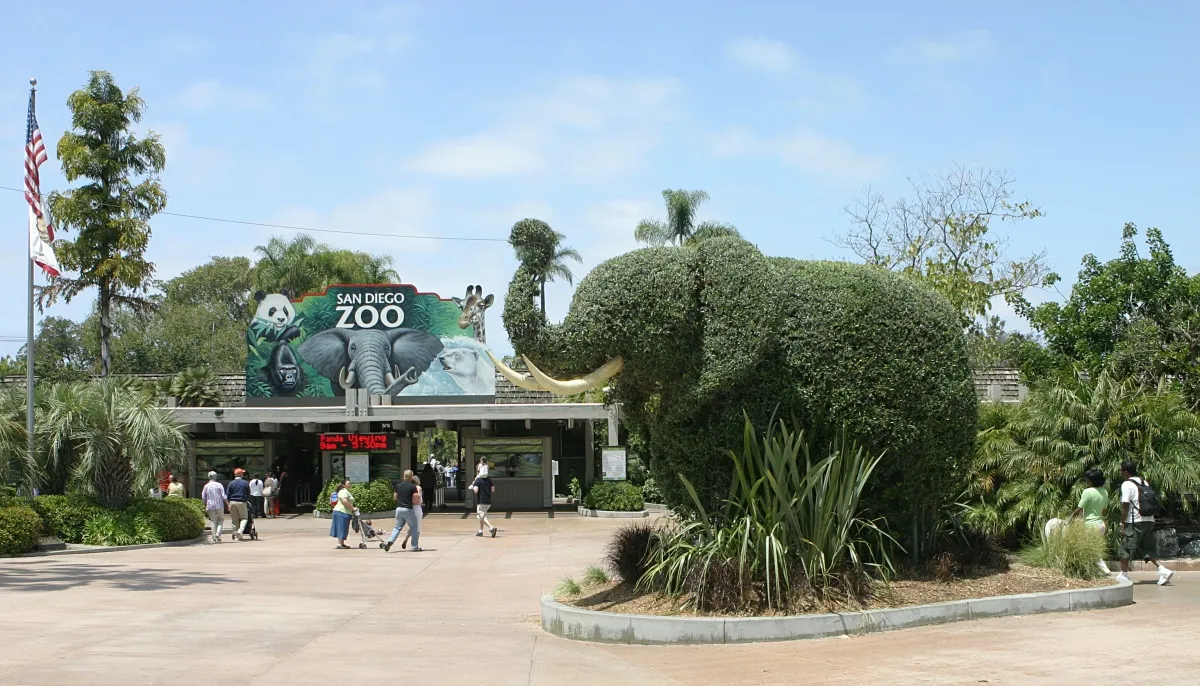 San Diego Zoo🇺🇸 San Diego, United States
 Houston Zoo🇺🇸 Houston, United States
 Marwell Zoo🇬🇧 Winchester, United Kingdom
 National Zoological Park🇺🇸 Washington, United States
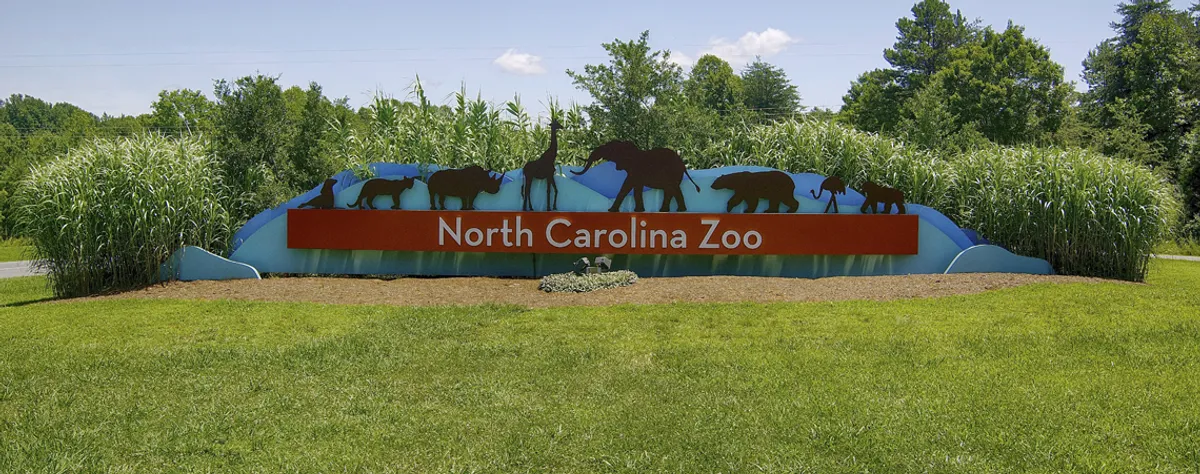 North Carolina Zoo🇺🇸 Asheboro, United States
Community notes
Share your observations about the Gila Monster.
No community notes yet. Be the first!
Discover more wildlife
More fascinating animals from the encyclopedia.