
About the Granular Poison Frog
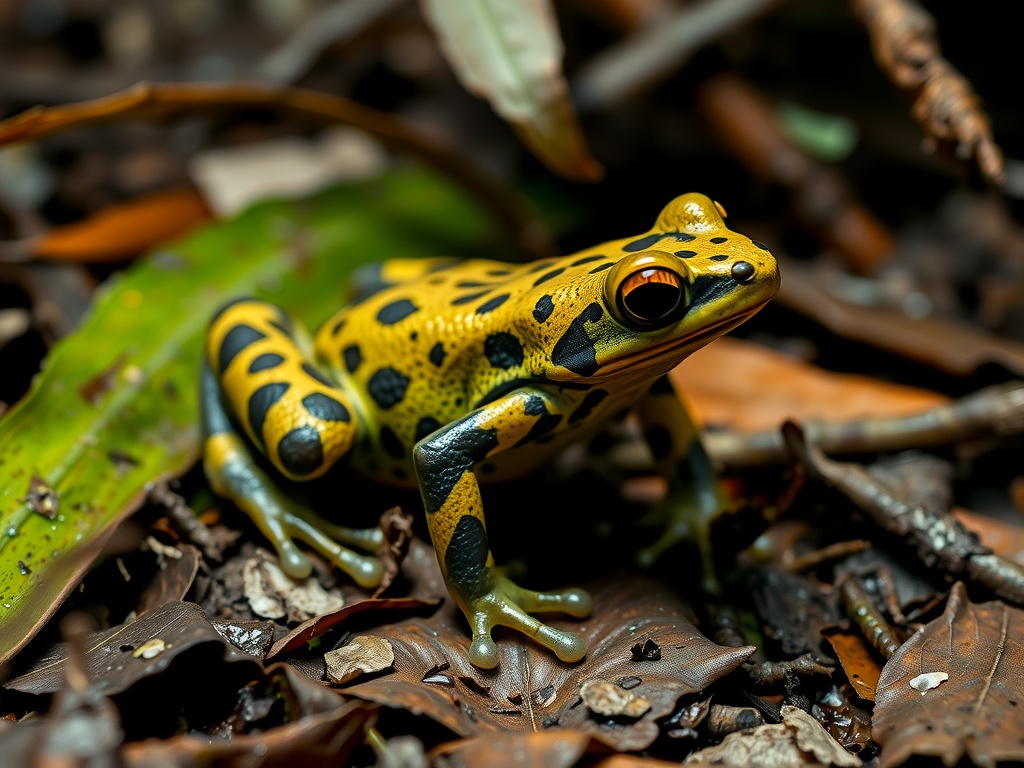
The Granular Poison Frog is a small, brightly colored amphibian native to the humid rainforests of Costa Rica and Panama. Characterized by its vibrant red to orange body and distinctive granular skin texture, this frog is both visually striking and ecologically significant. It is a member of the Dendrobatidae family, known for producing potent skin toxins that deter predators. The Granular Poison Frog is diurnal and highly territorial, often seen hopping among leaf litter in search of ants and other small insects. Its reproductive strategy involves the male transporting tadpoles to water-filled bromeliads, where the female provides unfertilized eggs as food.
Fascinating facts
Vivid Coloration
The Granular Poison Frog's bright orange-red coloration acts as a warning signal to potential predators about its toxic skin.
Parental Care
Male frogs transport their tadpoles on their backs to water-filled plants, showcasing remarkable parental investment.
Diet-Dependent Toxins
The frog's potent skin toxins are derived from the ants and mites it consumes in its natural habitat.
Detailed description
The Granular Poison Frog (Oophaga granulifera) is a small dendrobatid amphibian, typically measuring 18–22 mm in snout-vent length, with females generally larger than males. Its most distinguishing feature is the granular texture of its dorsal skin, which gives the species its common name. The coloration is highly conspicuous, ranging from bright red to orange on the dorsum, often with black or dark blue limbs and ventral surfaces, serving as an aposematic warning to potential predators. The eyes are relatively large, providing excellent vision for detecting prey and rivals. This species is diurnal and highly active during the day, especially after rainfall. O. granulifera possesses specialized toe pads that aid in climbing vegetation and navigating the moist, slippery substrates of its rainforest habitat. Its skin secretes potent alkaloid toxins, derived from its diet, which serve as a chemical defense. The frog exhibits complex social and territorial behaviors, with males vocally defending small territories. Reproduction involves elaborate courtship, and parental care is highly developed, with males transporting tadpoles to phytotelmata (water-filled plant axils, especially bromeliads), where females provide trophic eggs as food for the developing larvae. This intricate reproductive strategy is a hallmark of the genus Oophaga and reflects significant evolutionary adaptation to the rainforest environment.
Did you know?
Unlike many other poison frogs, the toxicity of the Granular Poison Frog depends on its diet in the wild—frogs raised in captivity without specific insects are not toxic.
Research & sources
Wikipedia summary
The granular poison frog or granular poison arrow frog is a species of frog in the family Dendrobatidae, found in Costa Rica and Panama. Originally described as Dendrobates granuliferus, it was moved to Oophaga in 1994. Its natural habitats are tropical humid lowland forests; it is threatened by habitat loss.
Behaviour & social structure
Granular Poison Frogs are primarily terrestrial but frequently climb low vegetation, especially during breeding activities. They are solitary and highly territorial, with males emitting a soft, high-pitched trill to advertise territory and attract females. Aggressive interactions between males can involve wrestling and chasing. Their diet consists mainly of small arthropods, particularly ants, mites, and small beetles, which are selectively consumed for their alkaloid content. Foraging occurs throughout the day, with peak activity in the early morning and late afternoon. These frogs rely heavily on visual cues for prey detection and social interactions. They exhibit site fidelity, often returning to the same calling or feeding sites. During the breeding season, males intensify their calling and patrol territories more actively.
Reproduction & life cycle
Breeding in O. granulifera is seasonal, typically coinciding with the onset of the rainy season (May–November in Costa Rica and Panama). Males establish and defend territories near suitable oviposition sites, such as bromeliads or leaf axils with standing water. Courtship involves tactile and acoustic signaling, with the male leading the female to a moist terrestrial site for egg deposition. Clutches are small, usually containing 3–6 eggs, which are guarded by the male. After hatching (10–14 days), the male transports each tadpole on his back to a separate phytotelm. The female periodically visits each tadpole to deposit unfertilized eggs, which serve as the sole food source for the developing larvae. Metamorphosis is completed in 6–8 weeks, depending on environmental conditions. This high level of parental investment is rare among amphibians and is critical for offspring survival in the nutrient-poor microhabitats where tadpoles develop.
Adaptations & survival
Oophaga granulifera exhibits several key adaptations for survival in its rainforest habitat. Its bright coloration and skin toxins are classic examples of aposematism, deterring predators such as birds and snakes. The granular skin texture may aid in camouflage among leaf litter and mosses. Specialized toe pads enable efficient climbing and adherence to wet surfaces. Behavioral adaptations include complex vocalizations for territory defense and mate attraction, as well as sophisticated parental care strategies that maximize offspring survival in ephemeral water bodies. The ability to sequester dietary alkaloids and incorporate them into skin secretions is a remarkable biochemical adaptation, providing chemical defense and contributing to the frog's ecological niche.
Cultural significance
While O. granulifera is not traditionally used for arrow poisons (unlike some other dendrobatids), its striking appearance and unique behaviors have made it a subject of interest in ecotourism and environmental education in Costa Rica and Panama. The species is emblematic of the region's rich biodiversity and is often featured in conservation campaigns. Its presence in protected areas contributes to local economies through wildlife tourism. In scientific culture, it is a model organism for studies on parental care, chemical ecology, and evolutionary biology.
Recent research
Recent research on O. granulifera has focused on its alkaloid profiles, revealing significant geographic and dietary variation in toxin composition. Studies have also examined the genetic structure of populations across its range, highlighting the effects of habitat fragmentation. Behavioral research has elucidated the mechanisms of parental care, including the chemical cues used by tadpoles to solicit trophic eggs from females. Ongoing studies are investigating the impact of climate change on breeding phenology and microhabitat use. The species has also contributed to broader understanding of aposematism and the evolution of complex reproductive strategies in amphibians.
Videos
Habitat
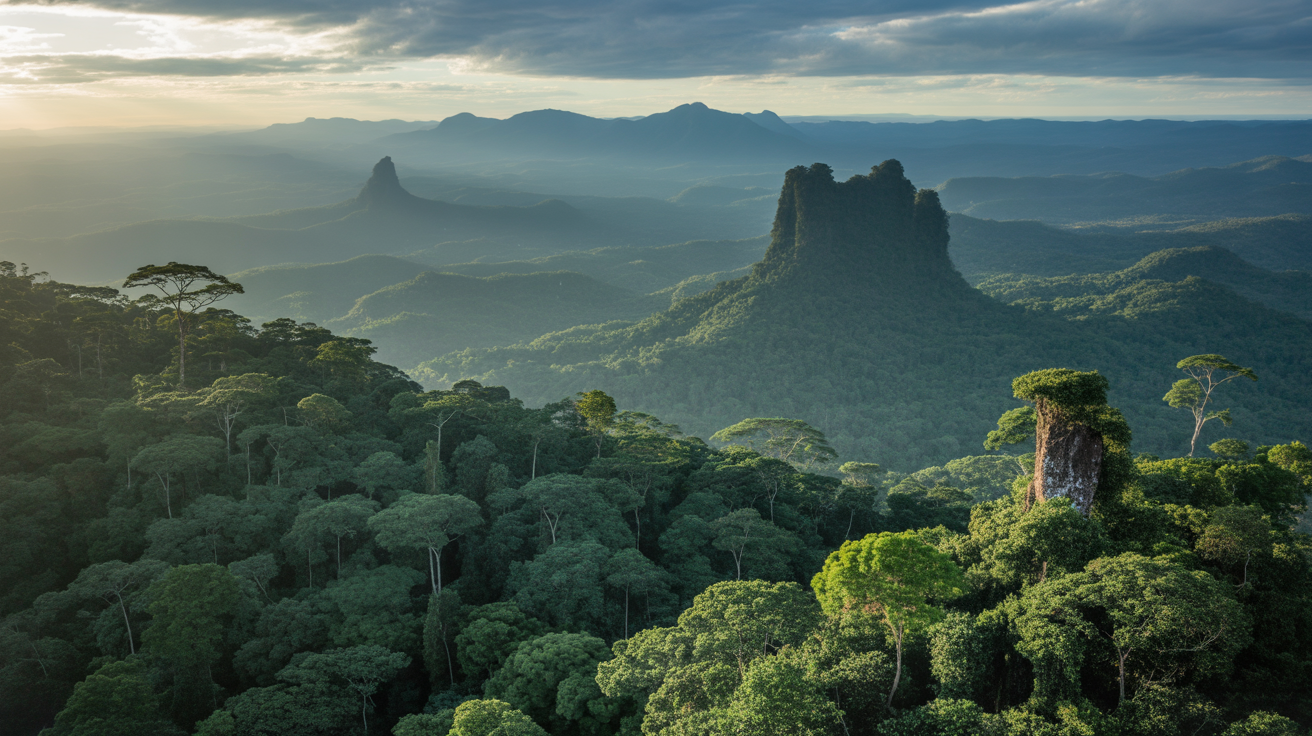
Lowland and premontane humid rainforests, particularly in areas with abundant leaf litter and bromeliads

Conservation
The Granular Poison Frog is currently classified as Near Threatened on the IUCN Red List.
Threats & challenges
The primary threat to O. granulifera is habitat loss due to deforestation, agricultural expansion, and urbanization in Costa Rica and Panama. Fragmentation of rainforest habitats reduces available breeding sites and disrupts population connectivity. The species is also vulnerable to pollution, climate change (altering rainfall patterns and microhabitat availability), and potentially to emerging infectious diseases such as chytridiomycosis. Illegal collection for the pet trade, though less significant than for some other dendrobatids, poses an additional risk. Population trends indicate declines in areas with significant habitat disturbance, leading to its current IUCN status as Vulnerable. Conservation efforts focus on habitat protection, environmental education, and regulation of trade.
Taxonomy
Scientific name
Oophaga granulifera
- Kingdom
- Animalia
- Phylum
- Chordata
- Class
- Amphibia
- Order
- Anura
- Family
- Dendrobatidae
- Genus
- Oophaga
- Species
- granulifera
Community notes
Share your observations about the Granular Poison Frog.
No community notes yet. Be the first!
Discover more wildlife
More fascinating animals from the encyclopedia.