
About the Green Frog
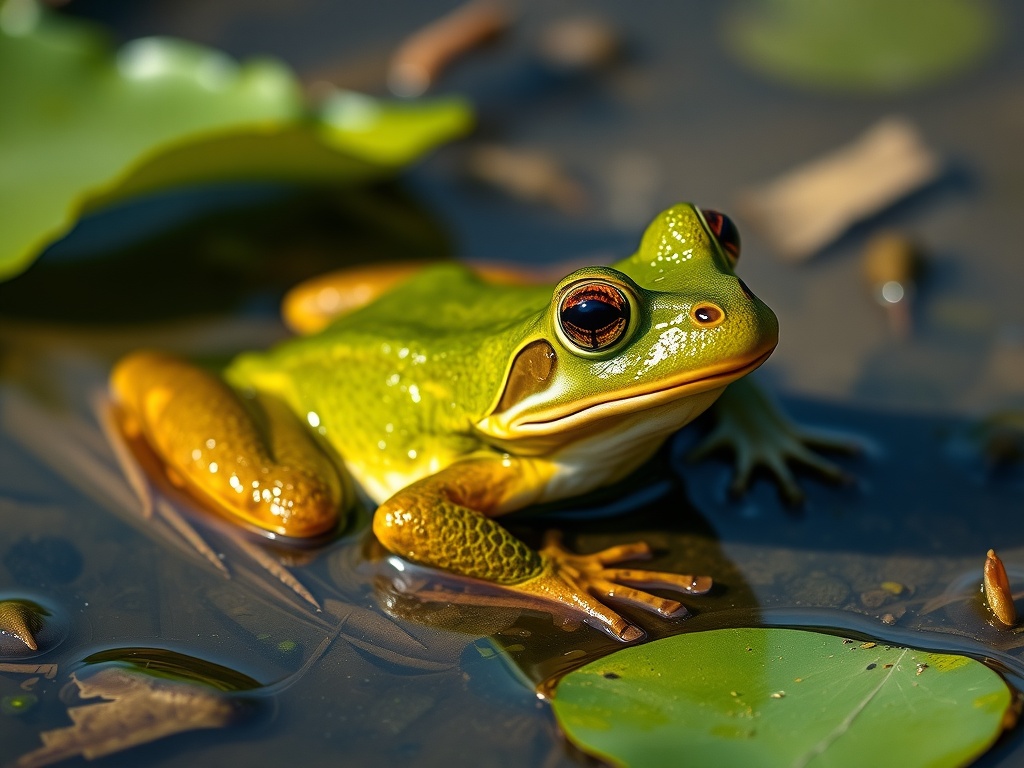
The Green Frog is a medium-sized amphibian native to eastern North America, commonly found near ponds, lakes, and streams. It features a green or brownish-green coloration with distinctive dorsolateral ridges running down each side of its back. Green Frogs are highly vocal and are known for their characteristic 'banjo twang' call, especially during the breeding season. They play an important ecological role as both predator and prey within freshwater ecosystems. Green Frogs are adaptable and can thrive in both natural and disturbed habitats.
Fascinating facts
Distinctive Call
The Green Frog's mating call is a single plucking note that resembles the sound of a banjo string being struck.
Aquatic Habitat
Green Frogs rarely leave the vicinity of water and are often seen sitting at the edges of ponds or streams, ready to jump in at the slightest disturbance.
Color Variability
Although named 'Green Frog,' individuals can range in color from bright green to brownish, depending on age, sex, and environmental factors.
Detailed description
The Green Frog (Lithobates clamitans) is a robust, medium-sized amphibian, with adults typically measuring 5.5–9 cm (2.2–3.5 in) in snout-vent length. Its dorsal coloration ranges from bright green to olive or brownish-green, often with darker mottling and a pale ventral surface. A key anatomical feature is the prominent dorsolateral ridge extending from behind the eye down each side of the back, distinguishing it from similar species like the American Bullfrog. The tympanum (external eardrum) is large and easily visible, especially in males. Green Frogs possess long, muscular hind limbs adapted for powerful leaps and swimming, and their toes are webbed for efficient aquatic locomotion. The species is semi-aquatic, spending much of its life near or in water, but may also bask on banks or logs. Green Frogs are primarily diurnal but may be active at dusk and night, especially during the breeding season. Their skin secretes mild toxins that deter some predators. Juveniles resemble adults but are smaller and may have brighter coloration.
Did you know?
Green Frogs can often be identified by their call, which sounds remarkably like the plucking of a loose banjo string.
Research & sources
Behaviour & social structure
Green Frogs are opportunistic sit-and-wait predators, feeding on a variety of invertebrates such as insects, spiders, and crustaceans, as well as small vertebrates like other frogs, tadpoles, and even small fish. They often hunt from the water's edge, lunging at prey with a rapid extension of their sticky tongue. Socially, Green Frogs are not territorial outside the breeding season, but males establish and defend calling territories during mating, often engaging in vocal contests and physical displays. Their daily routine includes basking, foraging, and retreating to water when threatened. They are sensitive to vibrations and visual cues, quickly diving underwater to escape predators. Tadpoles graze on algae and detritus, contributing to nutrient cycling in aquatic ecosystems.
Reproduction & life cycle
Breeding occurs from late spring to mid-summer (typically May to August), triggered by rising temperatures and increased daylight. Males congregate in shallow water and produce a distinctive 'banjo twang' call to attract females. Amplexus (the mating embrace) is axillary, with the male grasping the female behind her forelimbs. Females lay clusters of 1,000–5,000 eggs, which are attached to submerged vegetation. Eggs hatch in 3–7 days, depending on water temperature. The larval (tadpole) stage lasts from 3 months to over a year; in northern populations, tadpoles may overwinter before metamorphosing. Parental care is absent after egg-laying. Sexual maturity is reached at 1–2 years.
Adaptations & survival
Green Frogs exhibit several adaptations for survival in variable aquatic environments. Their cryptic coloration provides camouflage among vegetation and muddy substrates. The large tympanum enhances auditory sensitivity, crucial for detecting predators and conspecific calls. Webbed hind feet facilitate efficient swimming, while strong legs enable rapid escape jumps. Skin glands secrete antimicrobial peptides, reducing infection risk in aquatic habitats. Tadpoles possess keratinized mouthparts for scraping algae, and their ability to overwinter as larvae allows flexibility in development, an adaptation to temperate climates with short growing seasons.
Cultural significance
Green Frogs are a familiar component of North American wetlands and are often used in educational programs to illustrate amphibian biology and ecology. Their distinctive calls are a hallmark of summer evenings in many regions. In some indigenous cultures, frogs symbolize transformation and renewal, though the Green Frog itself is not a primary figure in folklore. They have been used as model organisms in scientific research, particularly in studies of development, endocrinology, and environmental monitoring.
Recent research
Recent research has focused on the Green Frog's role as a bioindicator species, with studies examining the effects of endocrine-disrupting chemicals, habitat fragmentation, and disease dynamics. Notably, investigations into their skin microbiome have revealed potential resistance factors to chytrid fungus. Genetic studies have clarified the taxonomic distinction between L. clamitans and closely related species. Ongoing monitoring programs track population health in response to environmental change, and Green Frogs are frequently included in citizen science initiatives such as FrogWatch USA.
Videos
Habitat
Freshwater wetlands, ponds, lakes, streams, and marshes
 Various Continental Regions
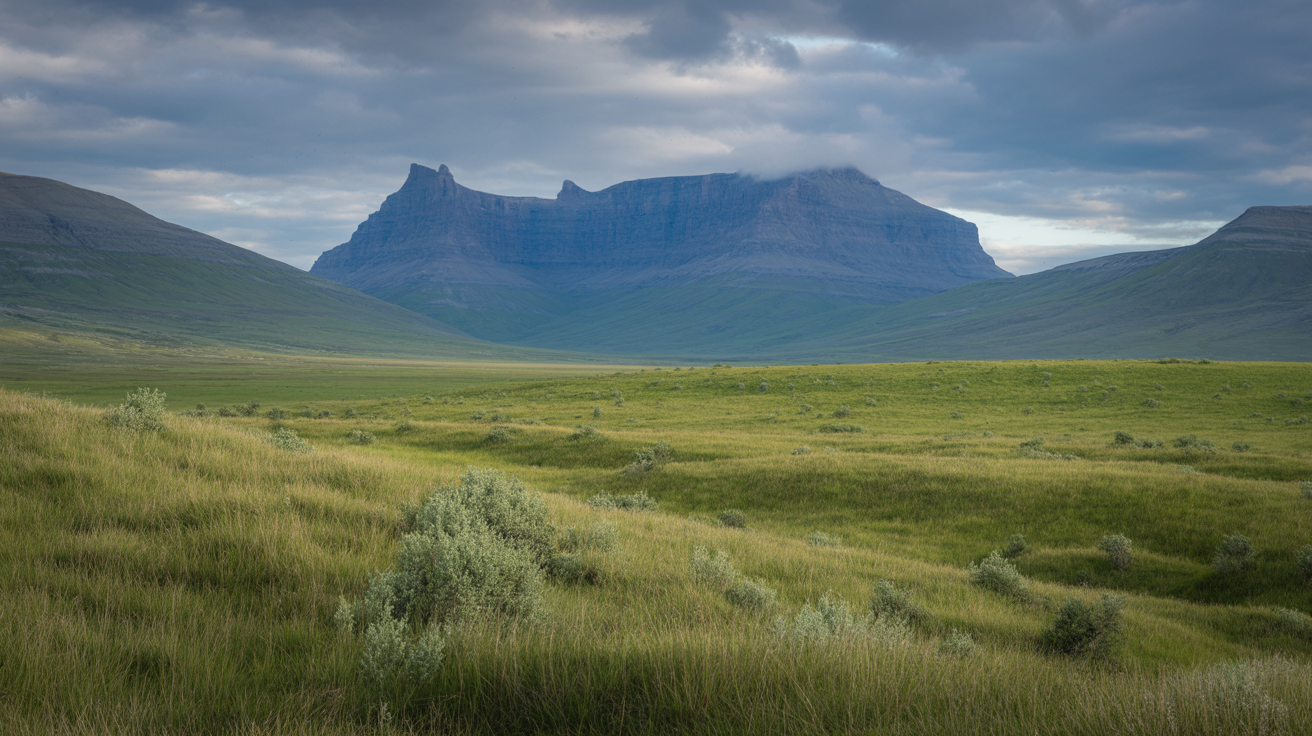
Grassland
Open areas dominated by grasses rather than trees, supporting numerous herbivores and their predators.
 Global
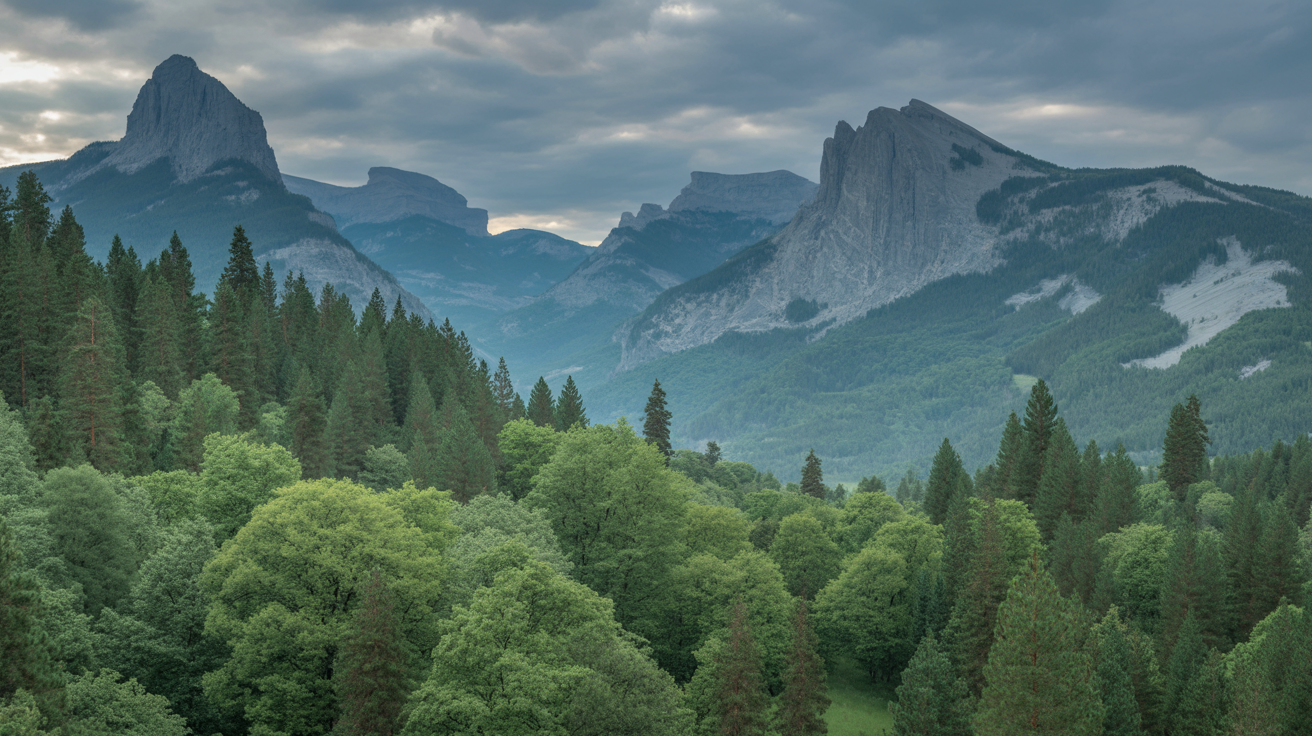
Forest
Wooded areas with significant tree cover and diverse plant and animal communities.
 Global
Freshwater
Lakes, rivers, and wetlands with diverse aquatic ecosystems.
Conservation
The Green Frog is currently classified as Least Concern on the IUCN Red List.
Threats & challenges
While currently listed as Least Concern, Green Frogs face localized threats including habitat loss from wetland drainage, pollution (especially pesticides and heavy metals), introduction of invasive species (e.g., predatory fish, American Bullfrogs), and emerging infectious diseases such as chytridiomycosis. Road mortality and climate change-induced alterations in hydroperiods also pose risks. Despite these pressures, their broad ecological tolerance and adaptability have allowed populations to remain stable across much of their range, though declines have been noted in heavily urbanized or agricultural regions.
Taxonomy
Scientific name
Lithobates clamitans
- Kingdom
- Animalia
- Phylum
- Chordata
- Class
- Amphibia
- Order
- Anura
- Family
- Ranidae
- Genus
- Lithobates
- Species
- clamitans
Community notes
Share your observations about the Green Frog.
No community notes yet. Be the first!
Discover more wildlife
More fascinating animals from the encyclopedia.