
About the Puku
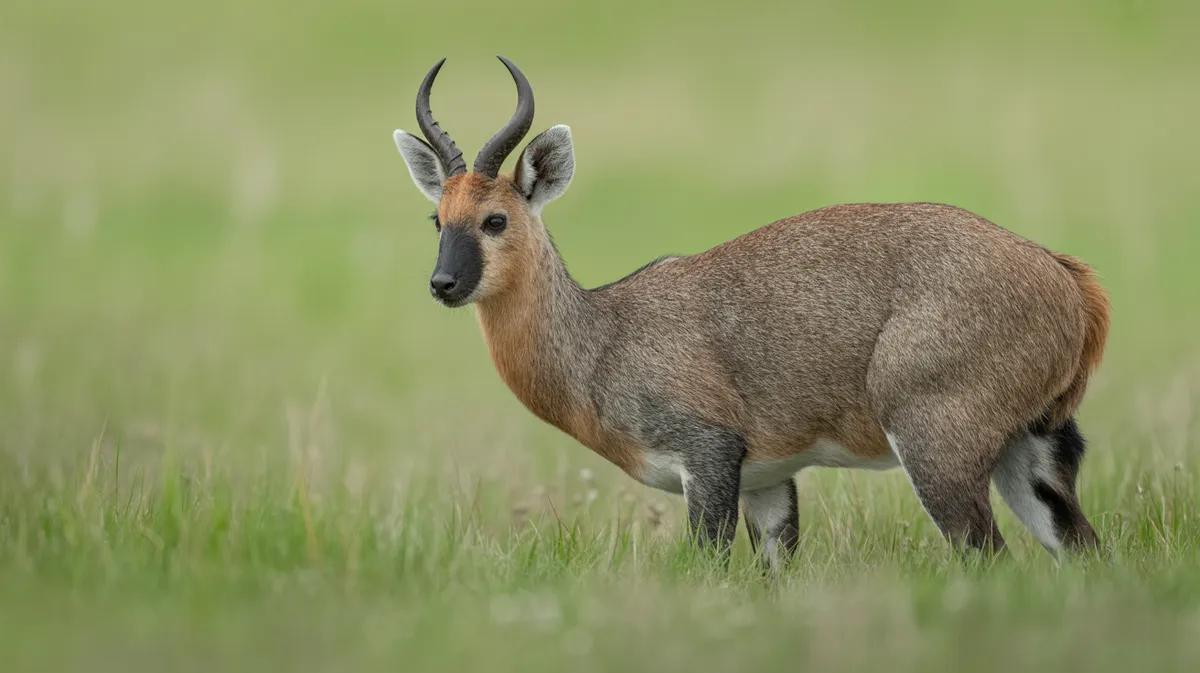
The puku is a medium-sized antelope native to the wet grasslands and floodplains of south-central Africa. Recognizable by its reddish-brown coat and white underparts, the puku is well-adapted for life in areas that experience seasonal flooding. These antelopes are highly social, typically forming herds of up to 20 individuals, although larger aggregations can occur during the wet season. They are most active during the early morning and late afternoon, spending much of their time grazing on lush grasses.
Fascinating facts
Floodplain Specialist
Puku are specially adapted to live in floodplains and wet grasslands, habitats that many other antelope avoid.
Distinctive Whistle
When threatened, puku emit a loud, whistling alarm call that warns other members of the herd about approaching predators.
Seasonal Gatherings
Large herds of puku form during the rainy season when they move to higher ground to escape rising floodwaters.
Detailed description
The puku (Kobus vardonii) is a robust, medium-sized antelope, with adult males typically weighing between 77–80 kg (170–176 lbs) and females slightly lighter at 70–77 kg (154–170 lbs). Standing 80–90 cm (31–35 in) at the shoulder, the puku is characterized by a shaggy, golden to reddish-brown coat, which provides camouflage among tall grasses. The underparts, inner legs, and muzzle are distinctly white, and both sexes have a short, bushy tail. Only males possess horns, which are strongly ridged, lyre-shaped, and can reach up to 50 cm (20 in) in length. Puku have large, rounded ears and relatively short legs, adaptations for maneuvering through dense, waterlogged vegetation. Their hooves are elongated and splayed, aiding movement in marshy terrain. Puku are highly alert, with acute senses of hearing and smell, and their vocalizations include a distinctive shrill whistle used as an alarm call. Socially, they form loose herds, with group composition fluctuating seasonally; bachelor males may form small groups, while dominant males defend territories with access to female groups. Puku are crepuscular, most active at dawn and dusk, and spend the hottest part of the day resting in cover. Their diet consists almost exclusively of grasses, with a preference for fresh, tender shoots that emerge after flooding. During the dry season, they remain close to permanent water sources, often migrating short distances as floodwaters recede.
Did you know?
Despite living in areas prone to seasonal flooding, puku are excellent swimmers and often cross rivers to reach new grazing grounds.
Research & sources
Wikipedia summary
The puku is a medium-sized antelope found in wet grasslands in southern Democratic Republic of Congo, Namibia, Tanzania, Zambia and more concentrated in the Okavango Delta in Botswana. Nearly one-third of all puku are found in protected areas, zoos, and national parks due to their diminishing habitat.
Behaviour & social structure
Puku exhibit a flexible social structure, with herds typically numbering 6–20 individuals, but aggregations of over 50 may form during the wet season when animals concentrate on receding floodplains. Males are territorial, especially during the breeding season, and mark their territories with dung piles and scent from preorbital glands. Territorial disputes involve ritualized displays, including horn clashes and parallel walking. Females and juveniles form nursery herds, which move frequently in response to shifting water levels and grass availability. Puku are non-migratory but display local movements in response to seasonal flooding. Their feeding behavior is predominantly grazing, with a strong preference for medium to tall grasses such as Echinochloa and Panicum species. They are vigilant, using alarm whistles to warn conspecifics of predators, which include lions, leopards, hyenas, wild dogs, and crocodiles. Puku rely on cover and rapid, bounding escape rather than speed over open ground. They are known to share habitats with other antelope species, such as lechwe and reedbuck, but avoid direct competition by selecting slightly different microhabitats.
Reproduction & life cycle
Puku are polygynous, with dominant males establishing territories that attract groups of females. The breeding season is loosely synchronized with the onset of the rainy season, typically from November to April, ensuring that calves are born during periods of abundant forage. After a gestation period of approximately 8 months (about 240 days), females give birth to a single calf, usually in tall grass for concealment. Calving peaks at the start of the wet season. Neonates are precocial, able to stand and follow their mothers within hours of birth. Mothers hide their calves for the first few weeks, visiting them periodically for nursing. Weaning occurs at 4–6 months, but calves may remain with their mothers in nursery herds for up to a year. Sexual maturity is reached at 1.5–2 years for females and 2–3 years for males, though young males are typically excluded from breeding until they can establish territories.
Adaptations & survival
Puku are highly adapted to seasonally inundated grasslands and floodplains. Their splayed hooves and robust build facilitate movement through soft, waterlogged soils. The shaggy, oily coat provides some water resistance and insulation against cool, damp conditions. Their cryptic coloration helps them blend into tall grasses, reducing predation risk. Behavioral adaptations include crepuscular activity patterns to avoid midday heat and maximize grazing efficiency. Puku are also capable swimmers, enabling them to cross flooded areas and escape predators. Their social flexibility allows rapid regrouping and movement in response to environmental changes. The use of alarm whistles and group vigilance enhances predator detection and survival in open habitats.
Cultural significance
While the puku is not as prominent in folklore or traditional symbolism as some larger African antelopes, it holds local significance as a source of bushmeat and occasionally features in indigenous hunting traditions. In Zambia and Botswana, puku are recognized as emblematic species of wetland ecosystems and are sometimes referenced in local conservation education programs. Their presence in ecotourism destinations, such as the Okavango Delta, contributes to the economic value of wildlife-based tourism, indirectly supporting conservation efforts.
Recent research
Recent research on puku has focused on their population genetics, habitat use, and responses to environmental change. Studies using GPS telemetry have revealed fine-scale movement patterns in relation to seasonal flooding, highlighting the importance of unfragmented floodplain corridors. Genetic analyses indicate moderate diversity within populations, but some isolated groups show signs of inbreeding. Ongoing research is assessing the impacts of climate change and human development on puku distribution, with particular attention to the effects of damming and water management in the Zambezi and Okavango basins. Conservation biologists are also investigating the potential for community-based management and translocation to bolster declining populations.
Videos
Habitat
Floodplains and wet grasslands
 Africa
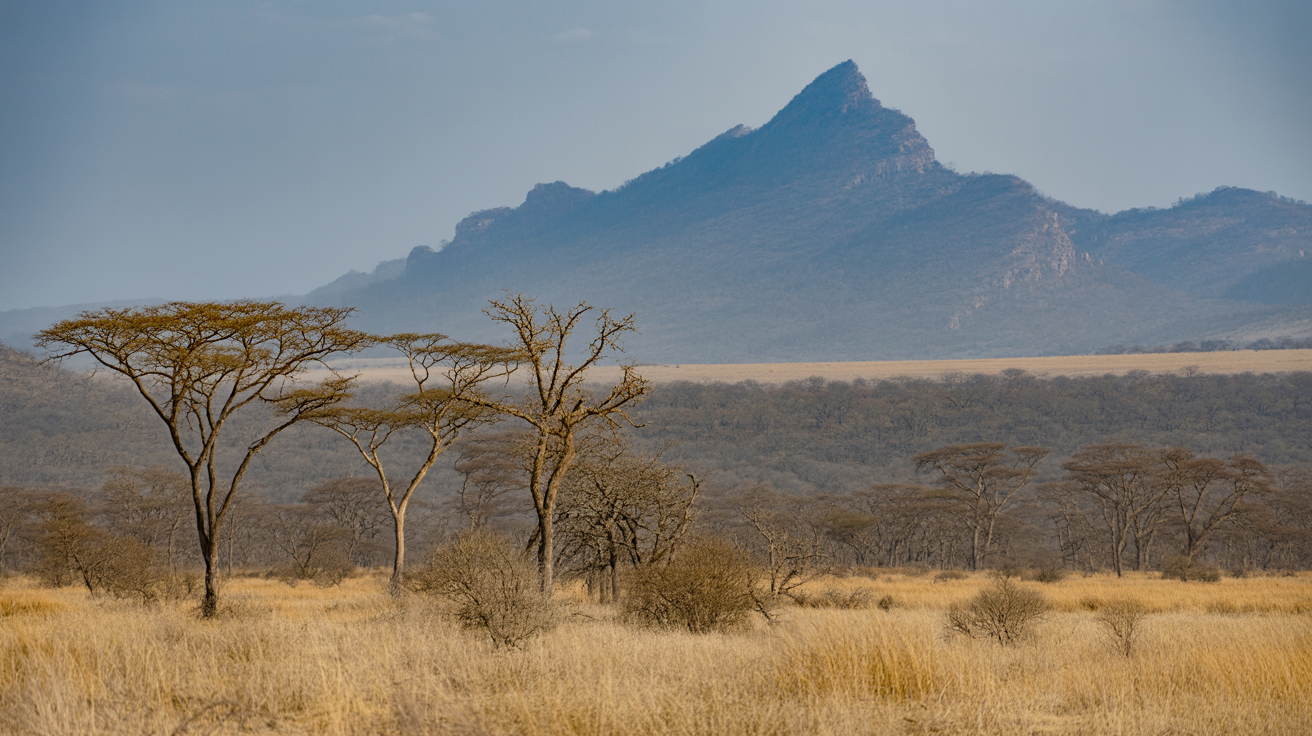
Savanna
Grasslands with scattered trees, characterized by seasonal rainfall and home to diverse grazing animals and predators.
 Various Continental Regions
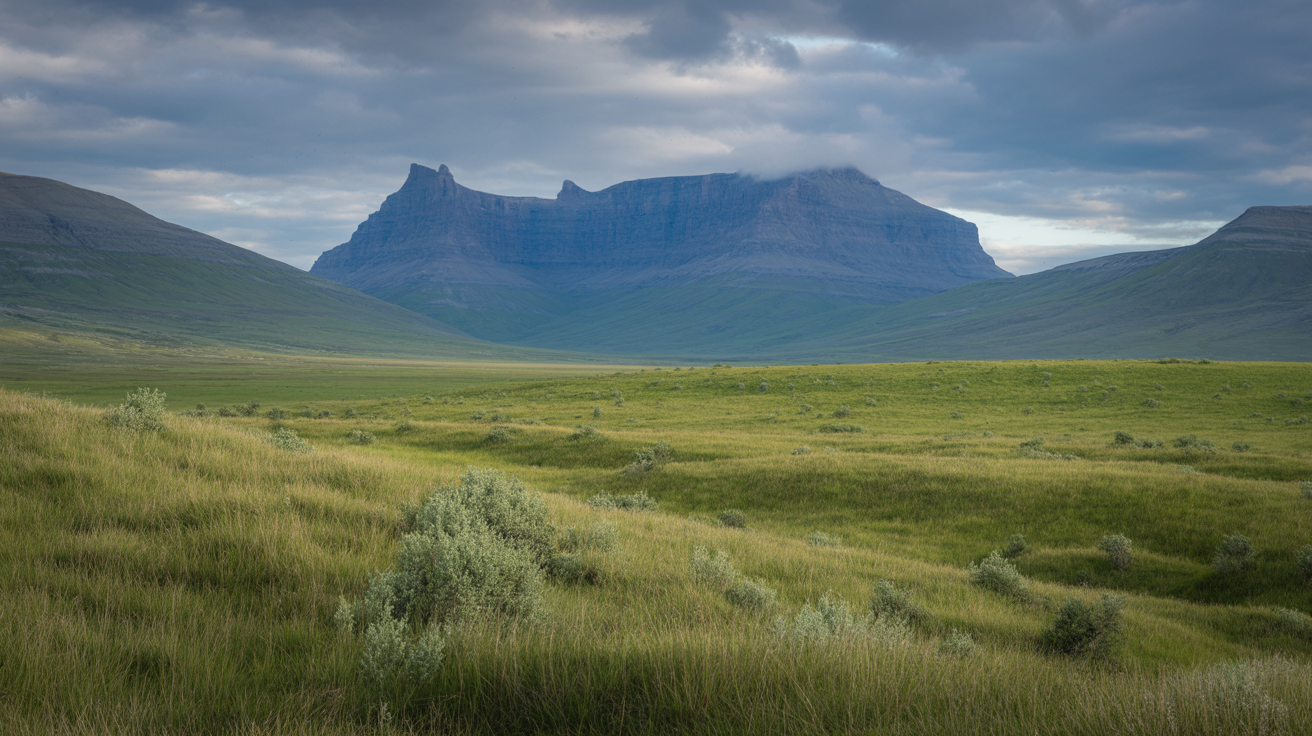
Grassland
Open areas dominated by grasses rather than trees, supporting numerous herbivores and their predators.
 Global
Freshwater
Lakes, rivers, and wetlands with diverse aquatic ecosystems.
Conservation
The Puku is currently classified as Near Threatened on the IUCN Red List.
Threats & challenges
The primary threats to puku populations are habitat loss and fragmentation due to agricultural expansion, drainage of wetlands, and human settlement. Overgrazing by livestock and competition for water resources further degrade their habitats. Puku are also vulnerable to poaching for bushmeat and, in some regions, for traditional medicine. Their dependence on floodplain ecosystems makes them particularly sensitive to hydrological changes, such as dam construction and climate change-induced alterations in rainfall patterns. As a result, puku have experienced significant range contractions, and local extinctions have occurred in parts of their former distribution. Current population estimates suggest fewer than 130,000 individuals remain, with about one-third residing in protected areas. Conservation challenges include maintaining habitat connectivity, mitigating human-wildlife conflict, and enforcing anti-poaching measures.
Taxonomy
Scientific name
Kobus vardonii
- Kingdom
- Animalia
- Phylum
- Chordata
- Class
- Mammalia
- Order
- Artiodactyla
- Family
- Bovidae
- Genus
- Kobus
- Species
- vardonii
Community notes
Share your observations about the Puku.
No community notes yet. Be the first!
Discover more wildlife
More fascinating animals from the encyclopedia.