
Mammals
480 species in the encyclopedia
Warm-blooded vertebrates with fur or hair that nourish their young with milk.
Aardvark
Orycteropus afer
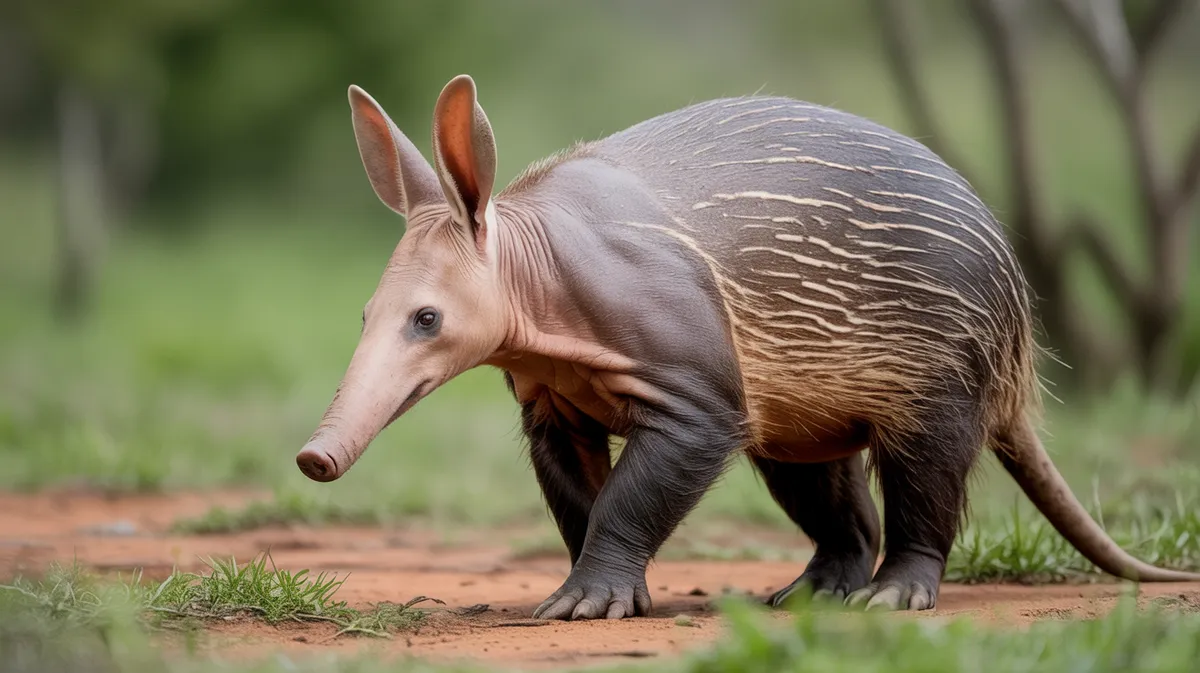
The aardvark looks like an animal assembled from spare parts — rabbit ears, a pig's snout, a kangaroo's tail — and it is related to none of them, nor to the anteaters and pangolins it so closely resembles. It is the only living member of an entire order, Tubulidentata, named for its strange teeth: they have no enamel, are built from bundles of upright dentine tubes, grow continuously to replace what wears away, and sit only at the back of the jaw. It is a phenomenal digger, able to excavate faster than several people with shovels, and its burrows matter far beyond itself — warthogs, hyenas, porcupines, owls and hares all shelter in abandoned aardvark holes, making it a keystone species whose loss would evict an entire community. It hunts ants and termites by night, sweeping a long sticky tongue through nests it has torn open, and can seal its nostrils to keep the insects out. One plant depends on it entirely: the aardvark cucumber fruits underground, and the aardvark digs it up for its water and buries the seeds in its dung. Its likeness to other ant-eating mammals is convergent evolution — the same diet, solved the same way, by animals that are not related at all.
Aardwolf
Proteles cristata
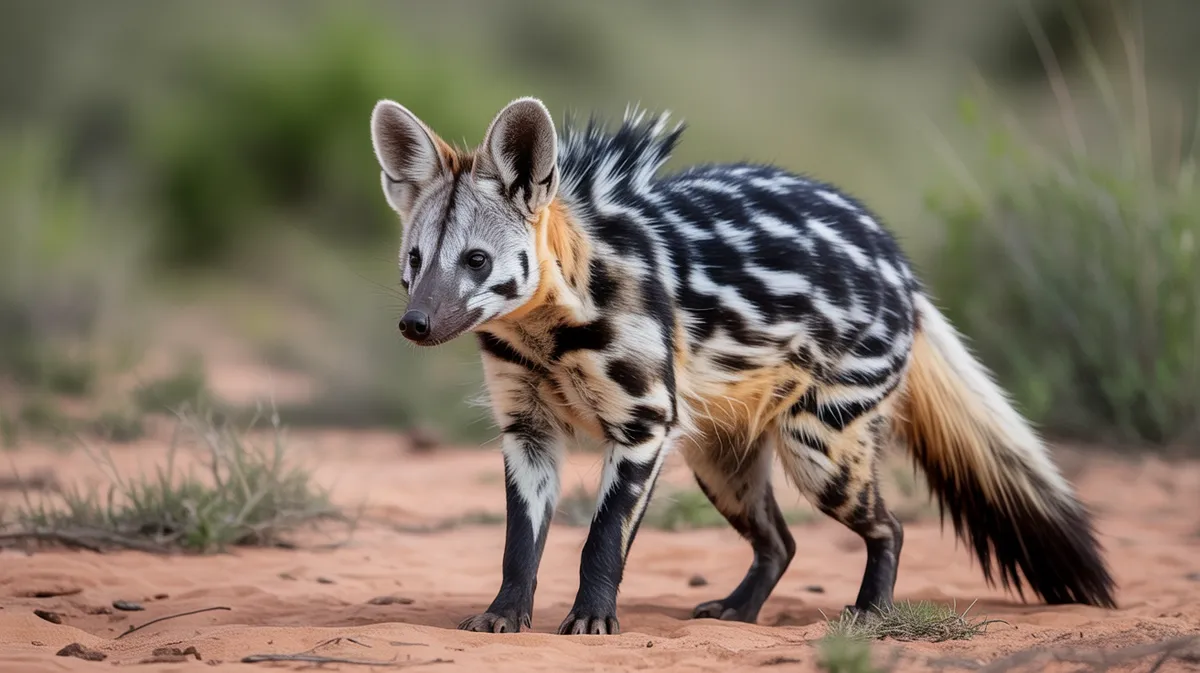
The aardwolf is a hyena that gave up being a hyena. It looks like a small striped hyena and it is one, but where its relatives evolved bone-crushing jaws, the aardwolf abandoned the entire carnivore project and went after termites. It eats almost nothing else — as many as a quarter of a million in a single night, lapped up with a broad, sticky tongue — and it does not dig into their mounds but takes them from the surface as they forage. It specialises on one genus, Trinervitermes, which defends itself with a noxious terpene secretion that deters almost every other predator, and the aardwolf simply tolerates it. Its jaws have collapsed accordingly: the cheek teeth are reduced to widely spaced, useless pegs, and only the canines remain, kept for fighting rather than eating. It is nocturnal, largely solitary but monogamous, and it defends a territory containing enough termite mounds to see it through the year, marking the boundary meticulously.

Addax
Addax nasomaculatus
The addax is a desert antelope so committed to aridity that a wild individual may never drink standing water in its life, extracting all it needs from desert grasses, acacia and the dew that condenses on plants before dawn. Its kidneys concentrate urine to a syrup and it feeds mainly at night, when the sparse Sahelian vegetation has reabsorbed the most moisture. The coat performs a seasonal trick: greyish-brown for winter warmth, then bleaching to near-white in summer to reflect the sun. Broad, splayed hooves with flattened soles spread its weight across soft dunes where a hard-hoofed antelope would sink. That same dune-adapted build makes the addax a poor sprinter over firm ground, and this is precisely what destroyed it — once hunters had four-wheel-drive vehicles, an animal that could outlast a lion could not outrun a truck. Both sexes carry spiralling horns of two to three twists, up to about 80 cm long. Today it is one of the most endangered large mammals on Earth, with a wild population in the Termit and Tin Toumma region of Niger that has at times been counted in the dozens.
Afghan Hound
Canis lupus familiaris
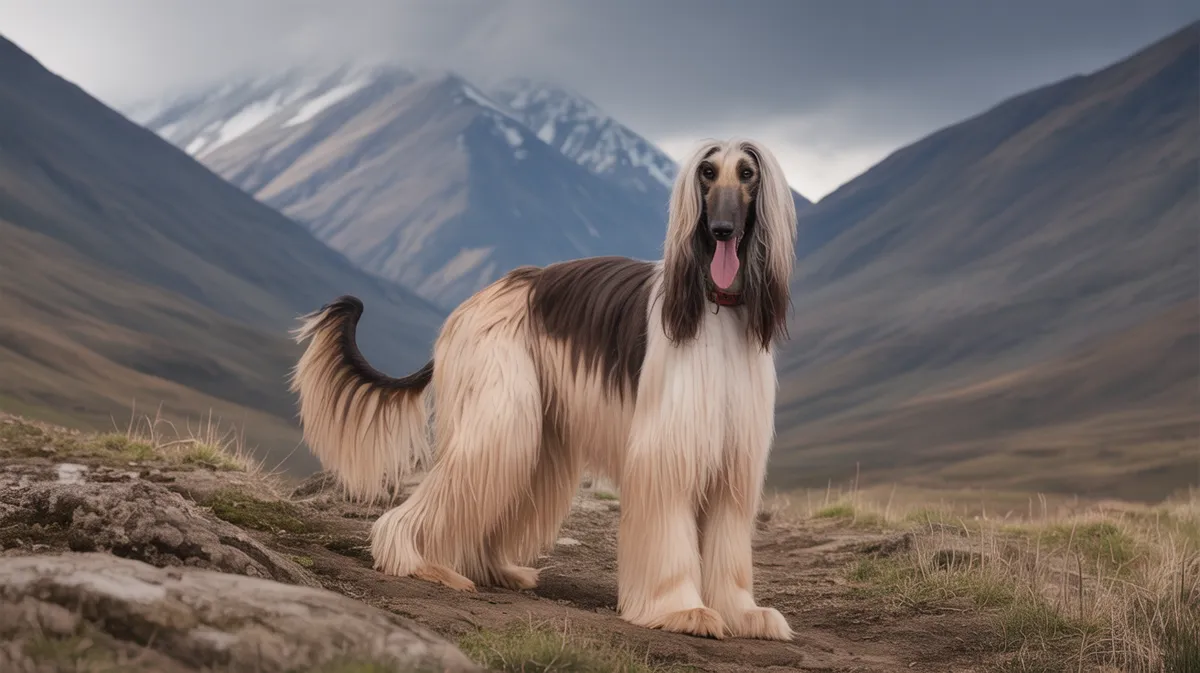
The Afghan Hound is an ancient breed of sighthound renowned for its elegant appearance, long silky coat, and distinctive ring curl at the end of its tail. Originally bred in the mountainous regions of Afghanistan, this dog was valued for its speed, agility, and ability to hunt game over rugged terrain. Afghan Hounds are known for their independent and sometimes aloof temperament, yet they are affectionate with their families. Their unique appearance and dignified demeanor have made them popular in dog shows and as companion animals worldwide.
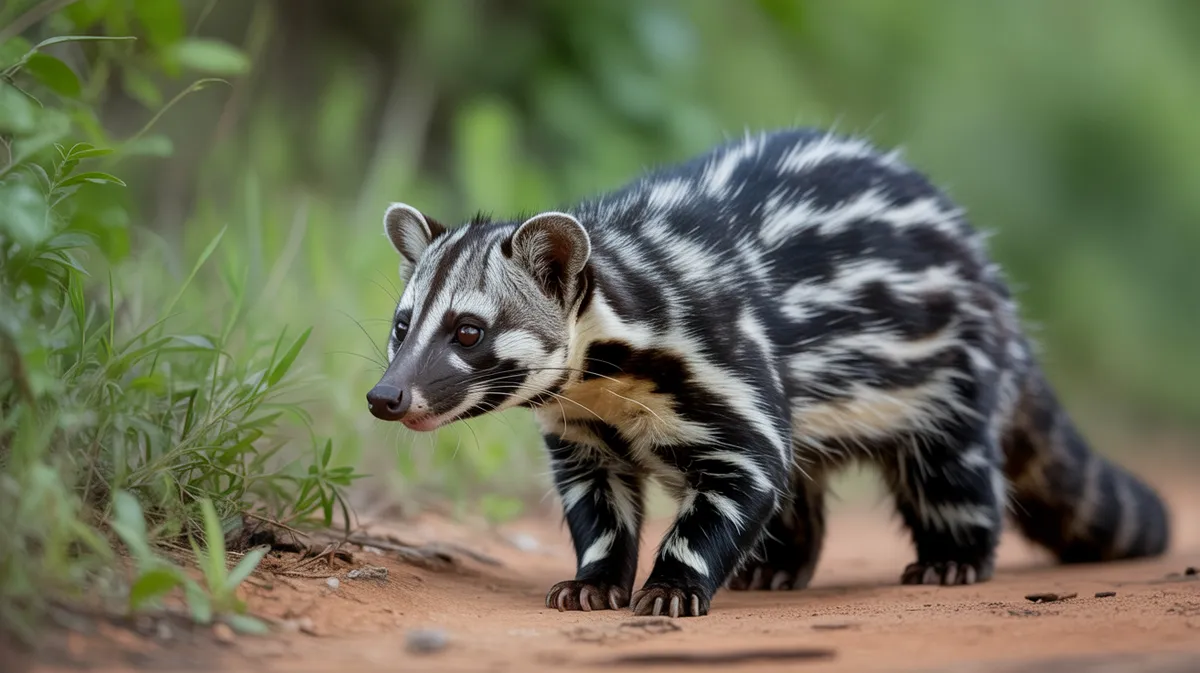
African Civet
Civettictis civetta
The African civet is a nocturnal, medium-sized mammal known for its distinctive black and white markings and a mane of long hair along its back. It is famous for the musky secretion called civetone, which is used in the perfume industry. The species is solitary and highly territorial, using scent marking to communicate with others. African civets are agile climbers and swimmers, inhabiting a wide range of environments across sub-Saharan Africa.
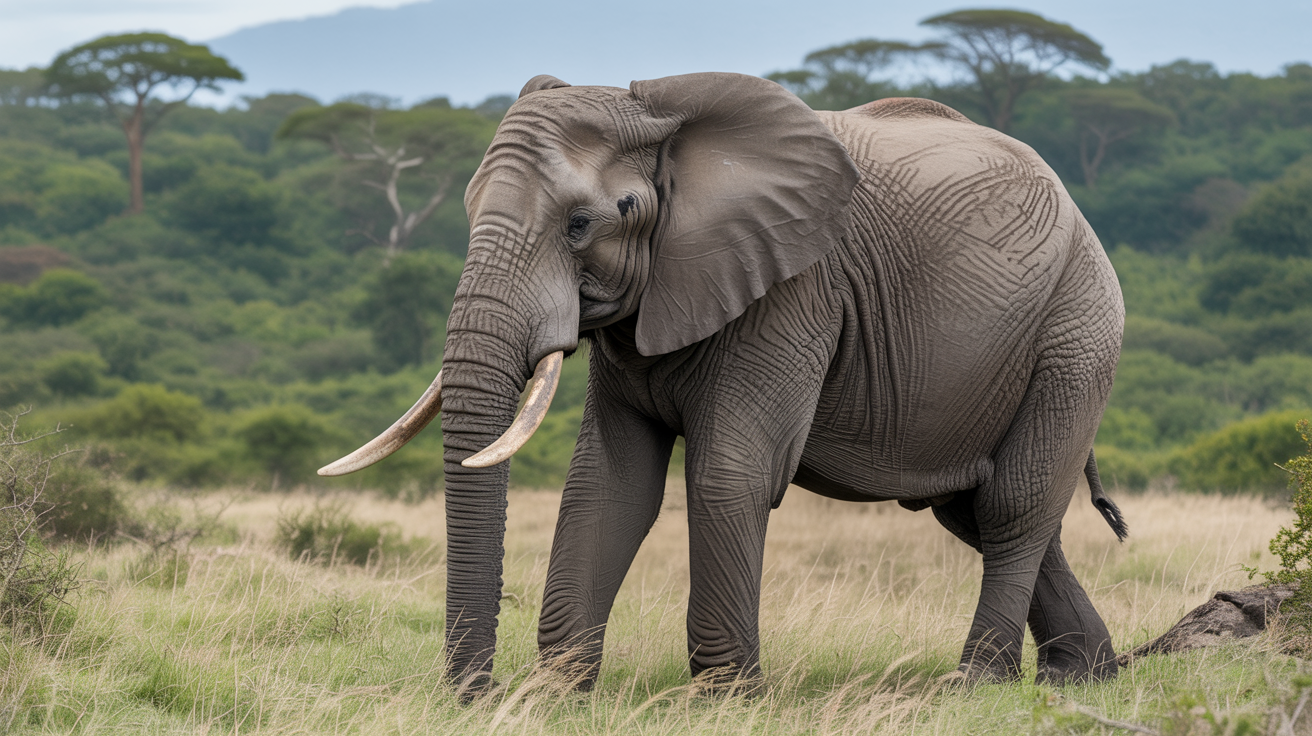
African Elephant
Loxodonta africana
The African elephant, scientifically known as Loxodonta africana, is the largest land mammal on Earth, with bulls reaching up to 4 meters at the shoulder and weighing as much as 6,000 kilograms. These majestic creatures are divided into two species: the African bush elephant and the African forest elephant. The bush elephant, found in a variety of habitats from savannas to deserts, is distinguished by its larger size, broader ears, and curved tusks, which are adaptive traits for dissipating heat and foraging. In contrast, the forest elephant, which inhabits the dense rainforests of Central and West Africa, has straighter tusks and more rounded ears, adaptations that facilitate maneuvering through thick underbrush. Both species exhibit complex social structures, typically led by a matriarch, where females and their calves form tight-knit family groups. Their grey skin is not just a protective layer but also serves as a cooling mechanism, with mud baths providing sunscreen and pest protection.
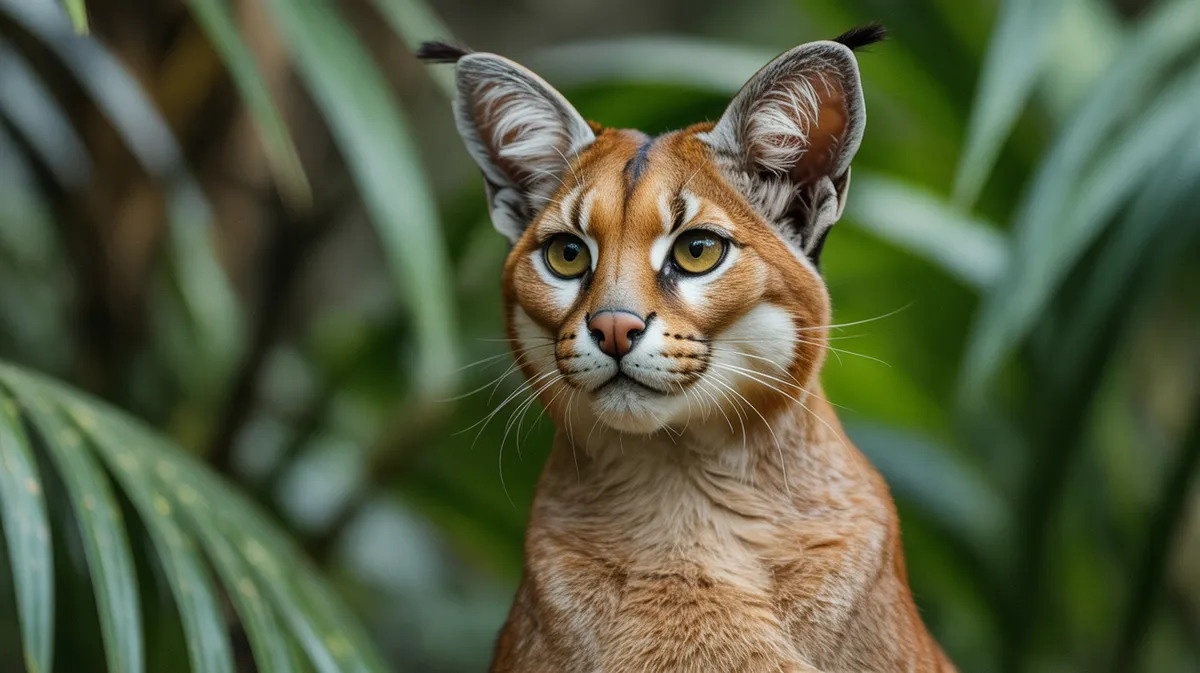
African Golden Cat
Caracal aurata
The African Golden Cat is a medium-sized, elusive wild cat native to the rainforests of Central and West Africa. It has a robust build, with a short tail and rounded ears, and its fur color ranges from golden or reddish-brown to silvery-grey, often marked with faint spots or stripes. This solitary and primarily nocturnal feline is seldom seen in the wild due to its secretive nature and dense forest habitat. African Golden Cats are skilled hunters, preying on a variety of small to medium-sized mammals, birds, and reptiles.
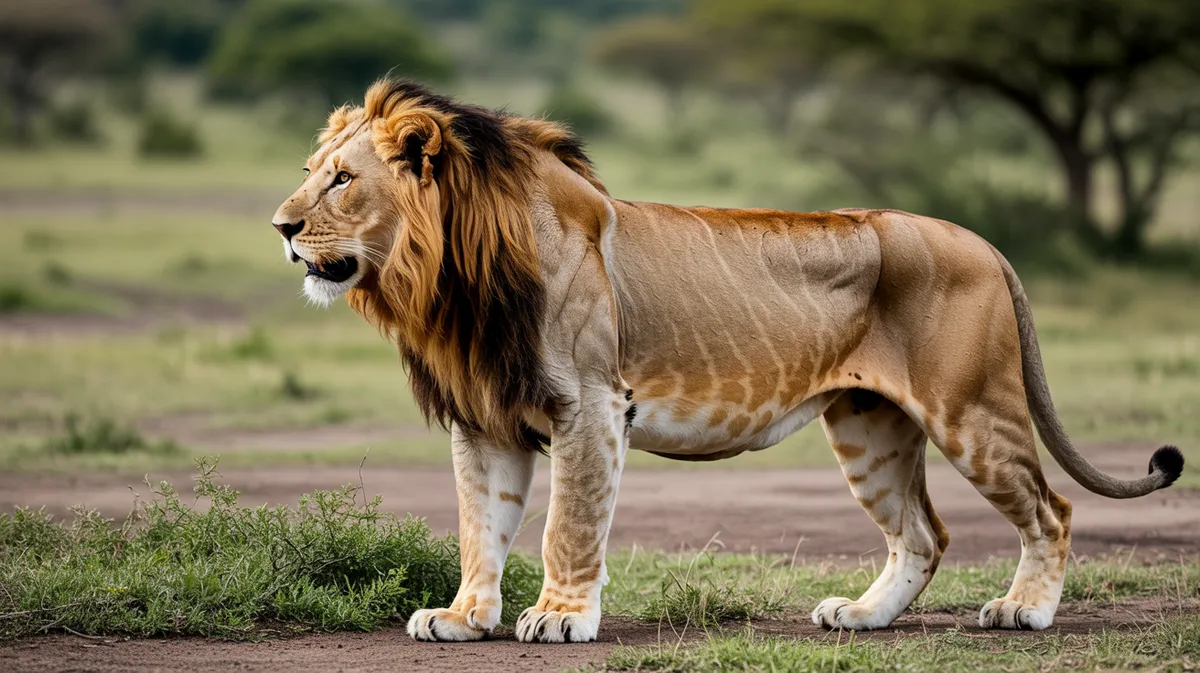
African Lion
Panthera leo
The lion is the only truly social cat, and its social life explains most of what it is. A male's mane is an honest advertisement: darker manes correlate with higher testosterone and better nutrition, and in Serengeti experiments using life-sized dummy lions, females approached dark-maned models while rival males avoided them. Manes are costly — dark manes trap heat, which is why males in hot, arid places such as Tsavo are often nearly maneless, and why mane colour lightens in cooler seasons. The roar carries up to about 8 km, produced by unusually square, fat-padded vocal folds that let the lion push huge volume without straining the larynx. Prides are matrilineal, and the females stay for life while coalitions of males hold tenure for only a couple of years before being ousted; incoming males kill the cubs, which brings the females back into oestrus. Lionesses do most of the hunting, but males are decisive on large, dangerous prey such as buffalo. Fewer than about 25,000 remain in the wild, in a fraction of a range that once stretched from Greece to India.
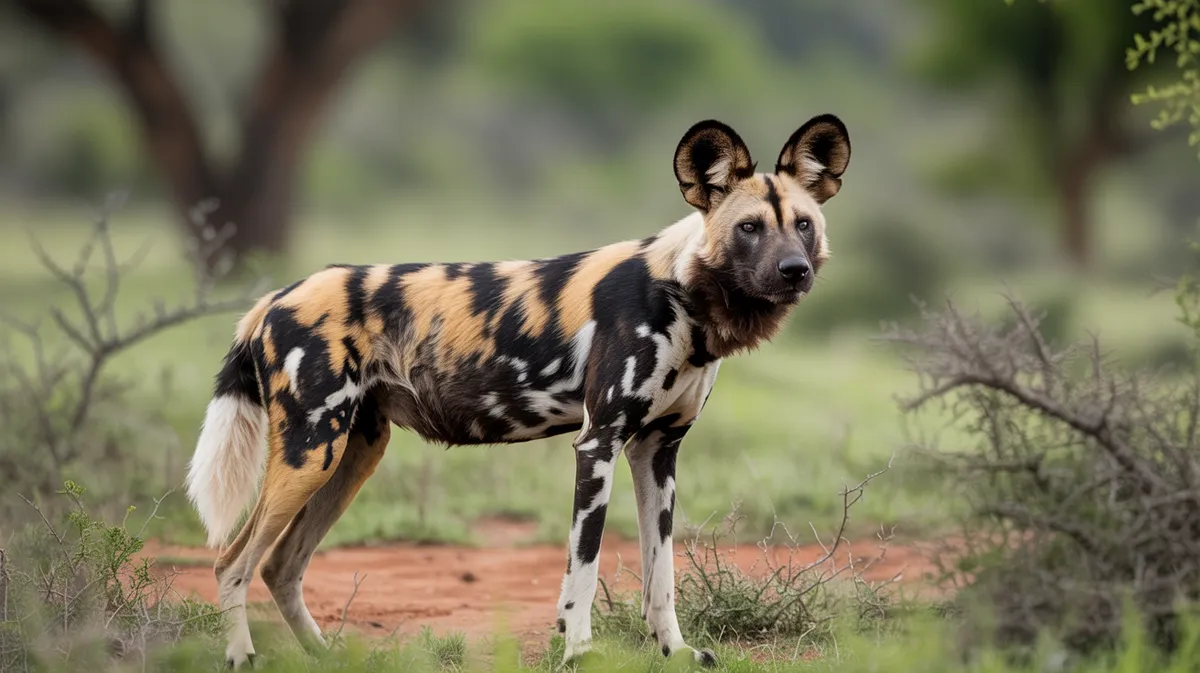
African Wild Dog
Lycaon pictus
The African wild dog is not a dog, a wolf or a jackal. It is the only living member of its genus, cannot interbreed with any of them, and carries four toes on its front feet rather than five — the mark of a lineage that split off millions of years ago. It is arguably the most effective large predator in Africa, succeeding on a far higher share of its hunts than a lion or leopard, and it does so not by ambush but by endurance, running prey to exhaustion in a coordinated relay. The pack is intensely cooperative: hunters regurgitate meat for pups, for the sick and for injured adults, and dogs too old or hurt to hunt are fed rather than abandoned. Decisions are made collectively — before setting off, a pack effectively votes by sneezing, and the more sneezes recorded, the more likely the hunt is to go ahead, with a lower threshold when a dominant animal initiates. Every individual's blotched coat is unique, which is why the species' scientific name means "painted wolf". Its undoing is space: it needs enormous ranges, which puts it in permanent conflict with farmland and makes it one of Africa's most endangered carnivores.
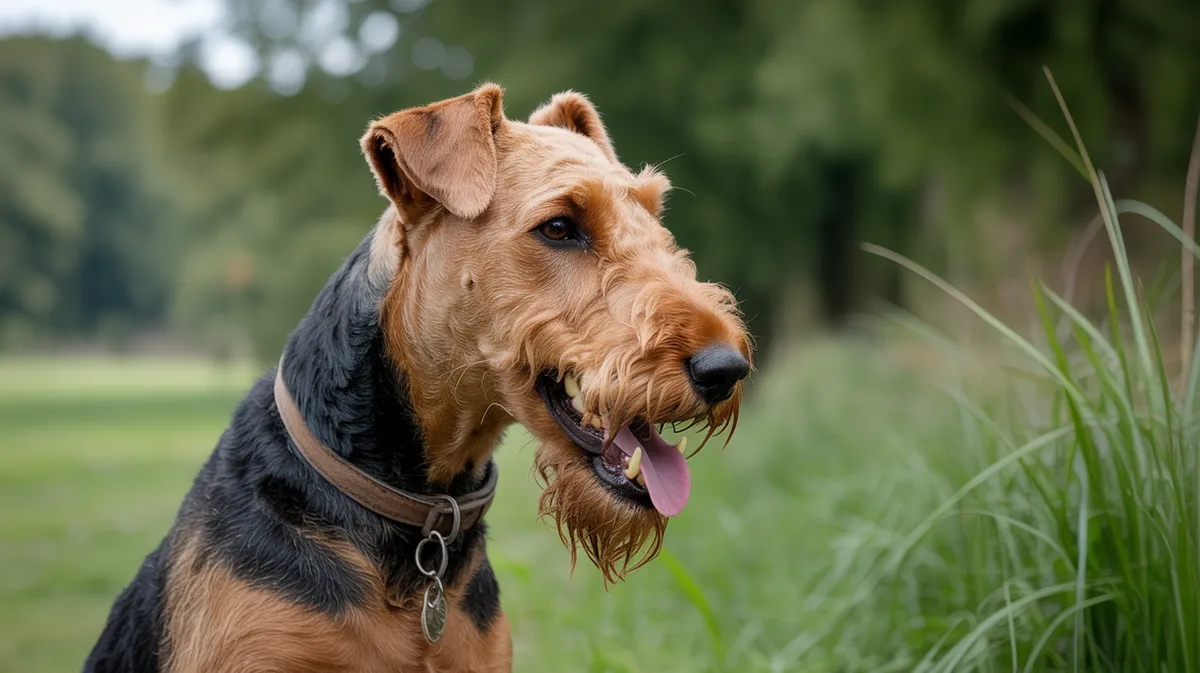
Airedale Terrier
Canis lupus familiaris
The Airedale Terrier is the largest of all terrier breeds, known for its intelligence, versatility, and distinctive wiry coat. Originally bred in the Aire Valley of Yorkshire, England, this breed was designed to catch otters and rats between the Aire and Wharfe Rivers. Airedales have a dignified but lively temperament, making them excellent working dogs and family companions. They are highly trainable, energetic, and excel in various canine sports and working roles, including police and military service.
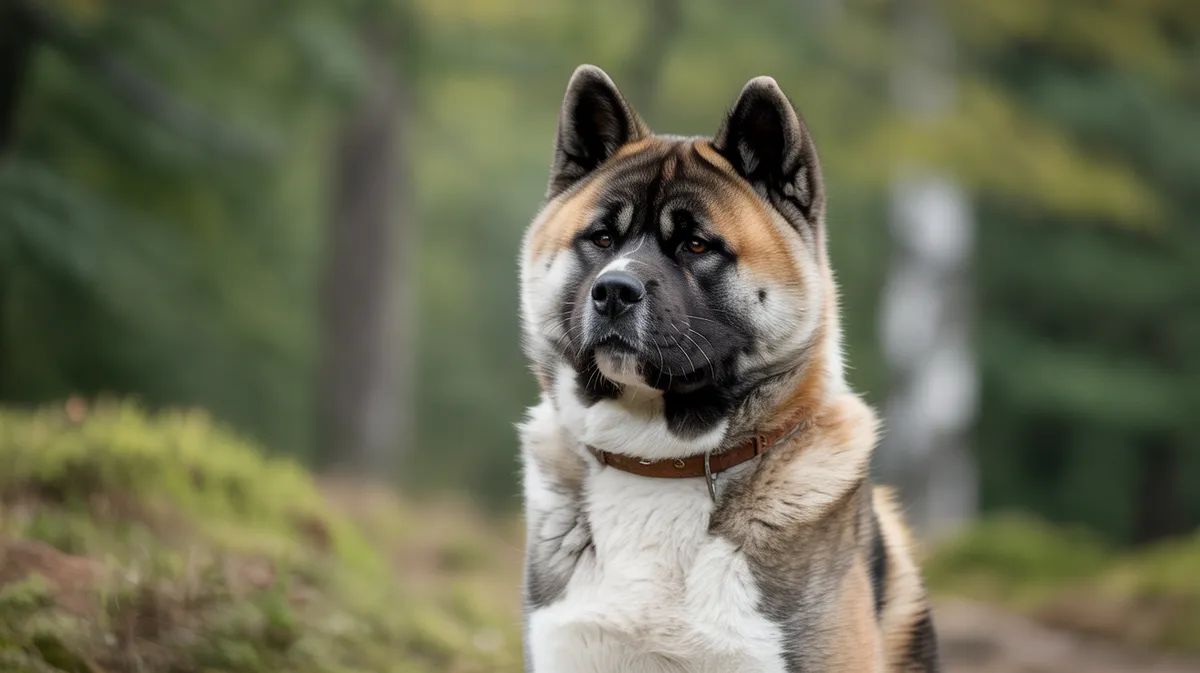
Akita Dog
Canis lupus familiaris
The Akita is a large and powerful dog breed originally from the mountainous regions of northern Japan. Renowned for their strength, courage, and unwavering loyalty, Akitas were historically used for guarding nobility and hunting large game such as bears and boars. They have a thick double coat, erect ears, and a curled tail, giving them a striking wolf-like appearance. Akitas are known for being reserved and dignified with strangers but affectionate and protective with their families. Their independent and intelligent nature requires consistent training and socialization.

Akita Inu
Canis lupus familiaris
The Akita Inu is a large, powerful dog breed originating from the mountainous regions of northern Japan. Renowned for its loyal and dignified temperament, the Akita Inu was historically bred for hunting large game such as bears, boar, and deer. With a thick double coat, erect ears, and curled tail, the breed is well-adapted to cold climates and harsh conditions. Akitas are intelligent and independent, requiring early socialization and consistent training, and are known for their reserved but deeply loyal nature towards their families.
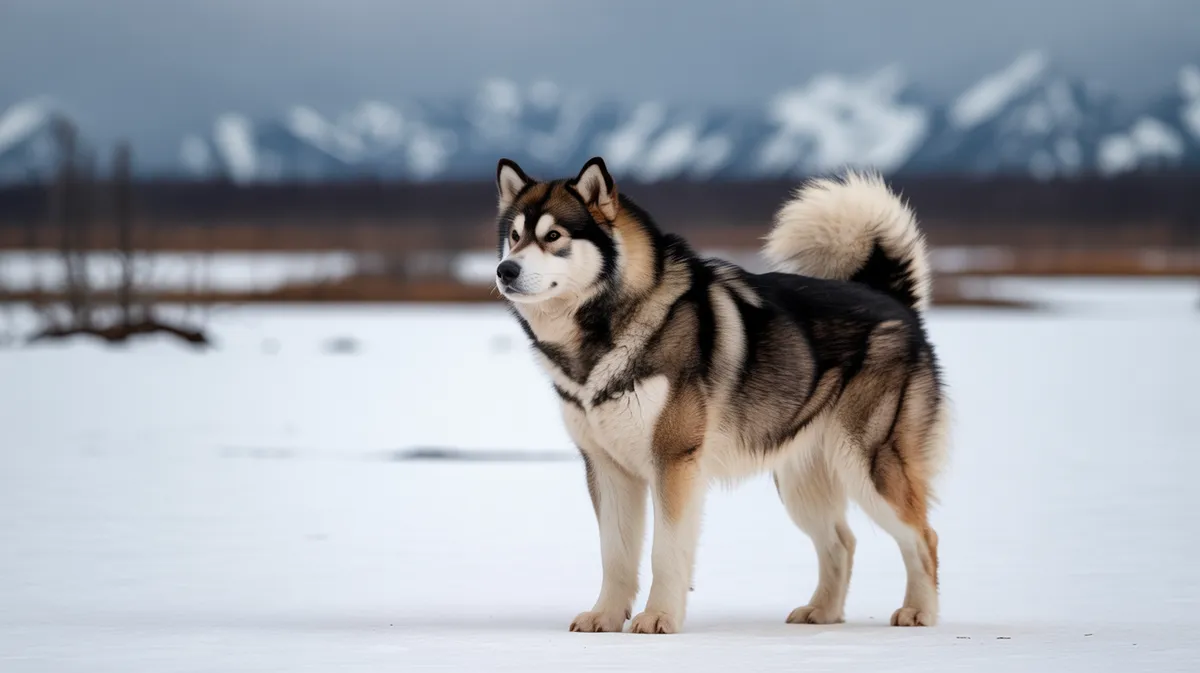
Alaskan Malamute
Canis lupus familiaris
The Alaskan Malamute is a large, powerful breed of domestic dog originally bred for its strength and endurance to haul heavy freight as a sled dog in the Arctic. With a thick double coat, erect ears, and distinctive facial markings, Malamutes are well-adapted to cold, harsh environments. They are known for their friendly disposition, intelligence, and loyalty, making them beloved companions as well as working dogs. While they resemble wolves in appearance, they are a distinct, domesticated breed with a gentle temperament. Their high energy and need for exercise make them best suited to active families and experienced owners.
Alpaca
Vicugna pacos
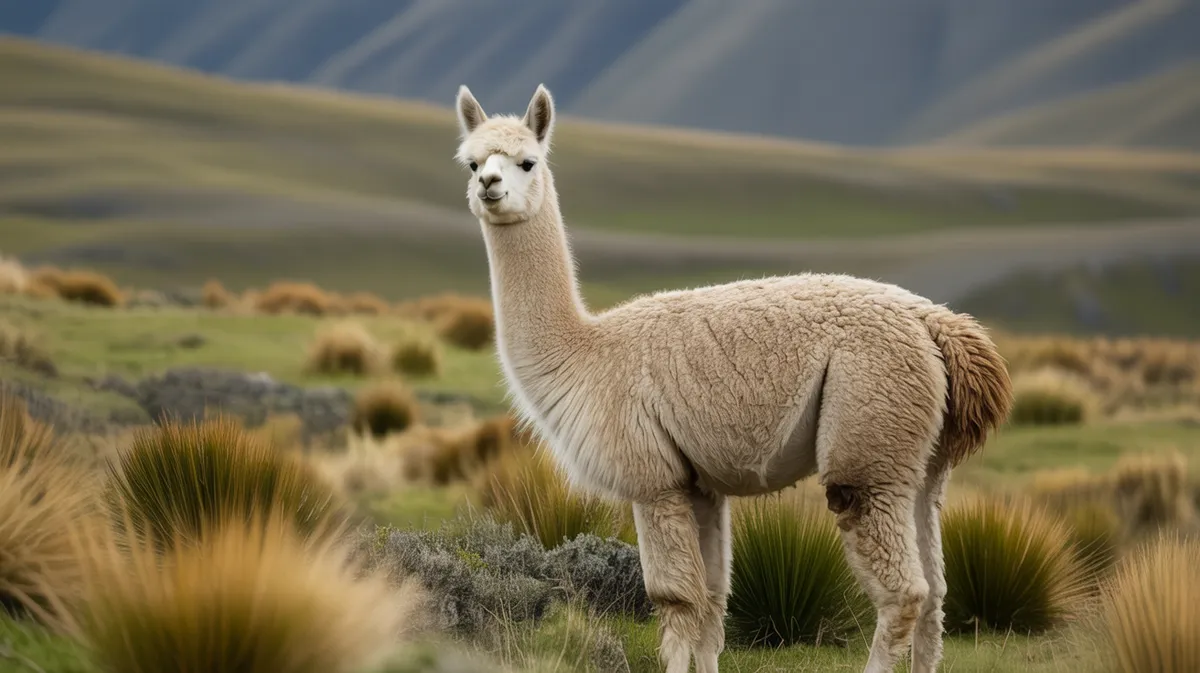
The alpaca is a domesticated species of South American camelid renowned for its soft and luxurious fleece, which is prized in the textile industry. Smaller than its close relative, the llama, alpacas are gentle, social animals that thrive in herds and are primarily kept for their wool. Originating from the high Andes mountains, they are well-adapted to cold, harsh environments at high altitudes. Alpacas have a calm temperament and communicate through body language and a variety of vocalizations. Their unique appearance, marked by long necks and large, expressive eyes, makes them a favorite among animal enthusiasts.

Amazon River Dolphin
Inia geoffrensis
The boto is the largest river dolphin, up to 2.5 m and 185 kg, and it is built for a forest rather than for open water. Its neck vertebrae are unfused, so it can turn its head roughly 90 degrees — useless in the sea, essential for threading between drowned trunks in the varzea flooded forest, where it hunts through the canopy of a submerged rainforest for months each year. Its flippers are broad and paddle-like for tight manoeuvring rather than speed, and its rear teeth are blunt and molar-like, letting it crush armoured catfish and even river turtles that a marine dolphin's uniform cones could not handle. The pink colouring is not pigment so much as scarring and blood vessels close to the skin: males are far pinker than females because they fight, and an old male can be almost flamingo-coloured. Male botos have been recorded carrying objects — sticks, lumps of hard clay, turtles — and thrashing them at the surface in front of females, one of the very few reported cases of object-carrying sexual display in a non-human animal.
Amazonian Manatee
Trichechus inunguis
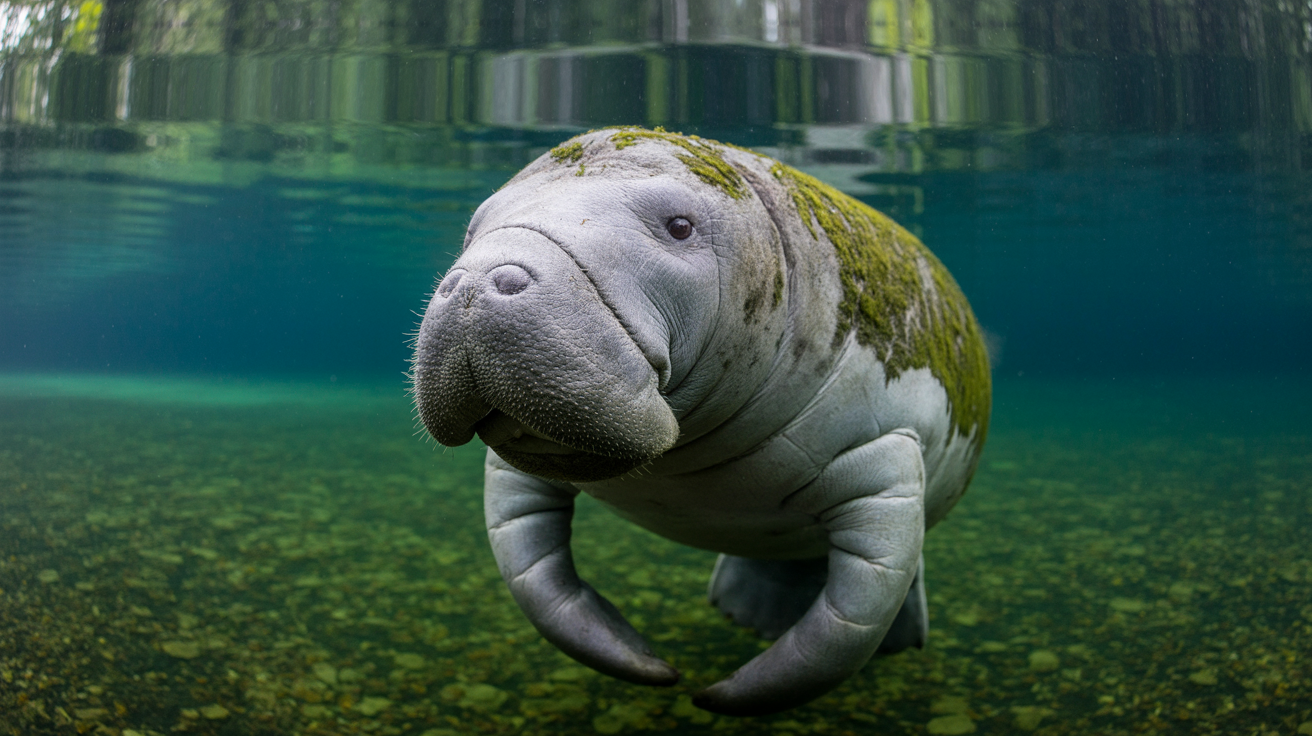
The Amazonian manatee is the only sirenian that lives exclusively in fresh water, never entering the sea, and it is the smallest and slimmest of the manatees. Its scientific name, Trichechus inunguis, means "without nails" — unlike its Caribbean cousin it has no nails on its flippers. Its survival strategy is extreme patience: when the Amazon's floodwaters retreat, animals are stranded in shrinking lakes with almost nothing left to eat, and a manatee may simply fast for months, living off fat laid down in the flood season and letting its metabolic rate fall. Individuals have been documented going without significant food through most of the dry season. The teeth solve the other problem: aquatic plants are loaded with abrasive silica, so manatee molars march forward along the jaw throughout life, worn ones dropping out at the front and new ones erupting at the back, a conveyor belt shared with elephants, their closest living relatives. Between the 1930s and 1950s hundreds of thousands were killed for their tough hide, which was made into machine belts and hoses.
American Beaver
Castor canadensis
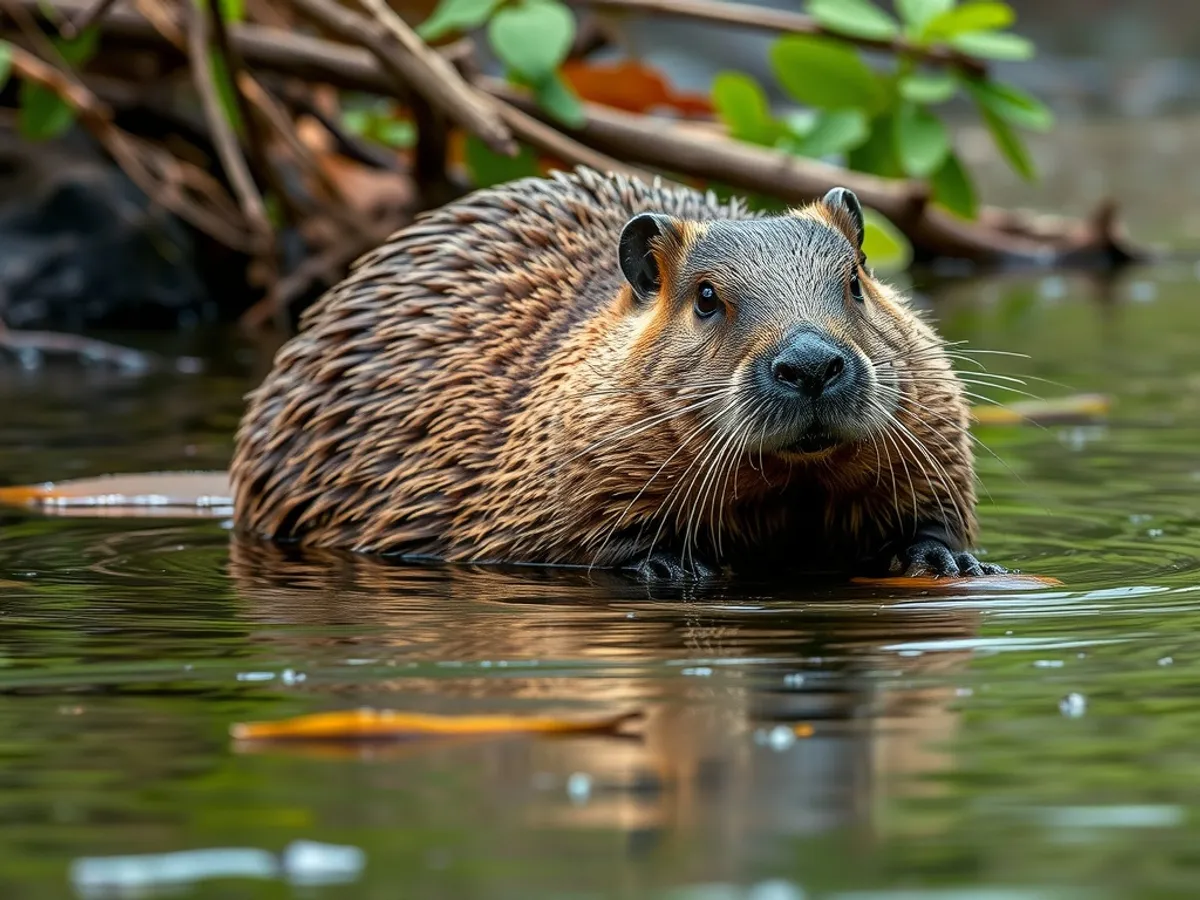
The American beaver is North America's largest rodent and one of the very few animals that remakes an entire landscape to suit itself. By felling trees and damming streams it converts running water into ponds, creating wetland that supports fish, amphibians, waterfowl and moose while recharging groundwater and trapping sediment. Its incisors are orange because the enamel is reinforced with iron; the softer dentine behind wears faster than the hard front face, so the teeth self-sharpen to a chisel edge with use — necessary, since they grow continuously and must be worn down. A beaver can stay submerged for around fifteen minutes, closing valve-like nostrils and ears and drawing a transparent third eyelid across each eye to see underwater, while its lips seal shut behind the incisors so it can gnaw wood while submerged. The dam is not the home — the lodge is, and its underwater entrances make it very hard for wolves and coyotes to reach the family inside. Beavers are monogamous and live in family groups, and the sound of running water alone is enough to set them building.
American Bison
Bison bison
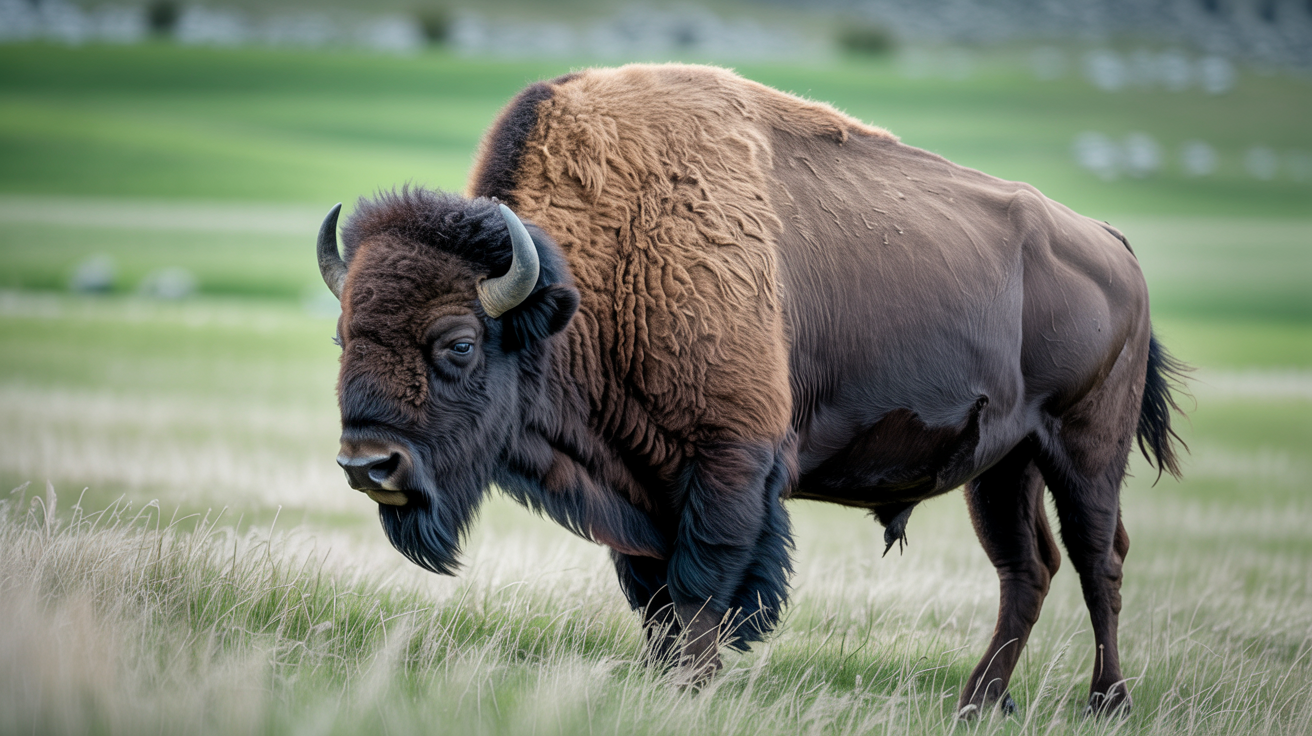
The American Bison (Bison bison), often misnamed as the buffalo, is a robust herbivore native to North America. Distinguished by its massive head, pronounced shoulder hump, and thick, shaggy mane, the bison is well-adapted to the continent's diverse climates. Historically, bison roamed the expansive 'great bison belt,' a vast grassland stretching from Alaska to the Gulf of Mexico and as far east as the Atlantic Seaboard. This range included diverse ecosystems, from the plains to woodlands, allowing bison to thrive in various habitats. Adult males, known as bulls, can weigh up to 2,000 pounds and stand over 6 feet tall at the shoulder, dwarfing their European counterparts. Their thick fur provides insulation against harsh winters, while their large heads and muscular necks enable them to plow through snow in search of forage. The bison's complex social structure includes matriarchal herds, which play a crucial role in maintaining genetic diversity and social learning among the species.
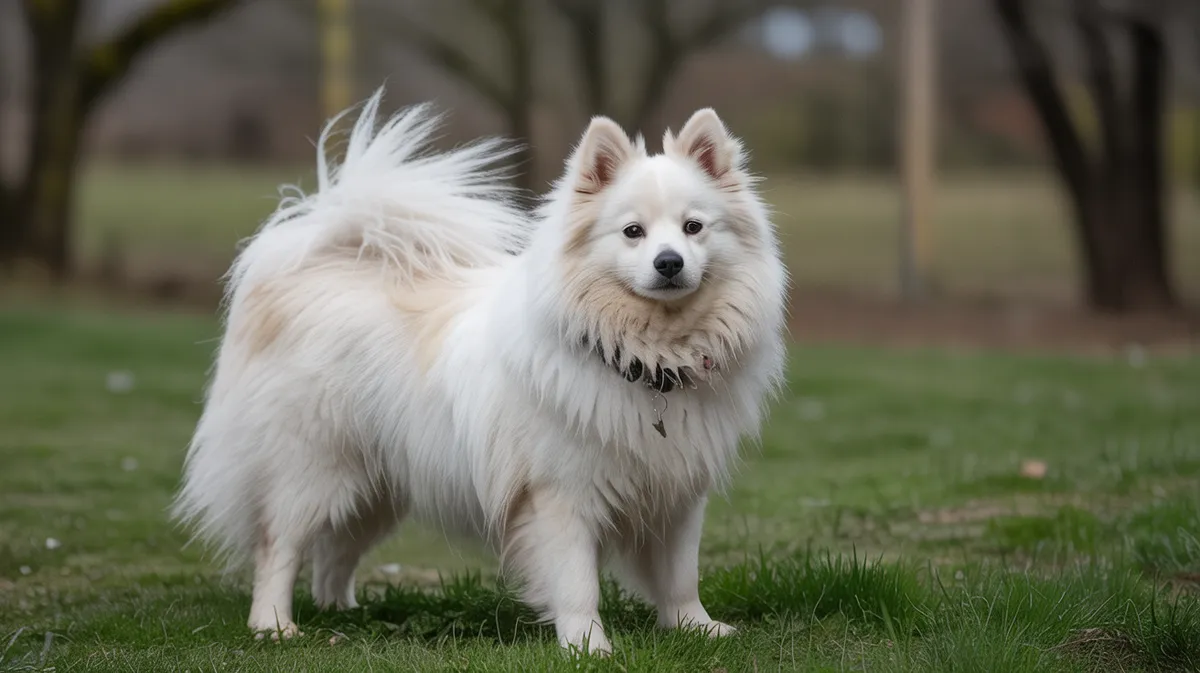
American Eskimo Dog
Canis lupus familiaris
The American Eskimo Dog is a strikingly beautiful companion breed known for its white, fluffy double coat, erect ears, and expressive dark eyes. Despite its name, the breed was developed in the United States and is a member of the Spitz family, closely related to the German Spitz. Energetic, highly intelligent, and eager to please, American Eskimo Dogs excel at obedience, agility, and performing tricks. They are affectionate and loyal, making them excellent family pets, but they require regular exercise and mental stimulation to thrive.
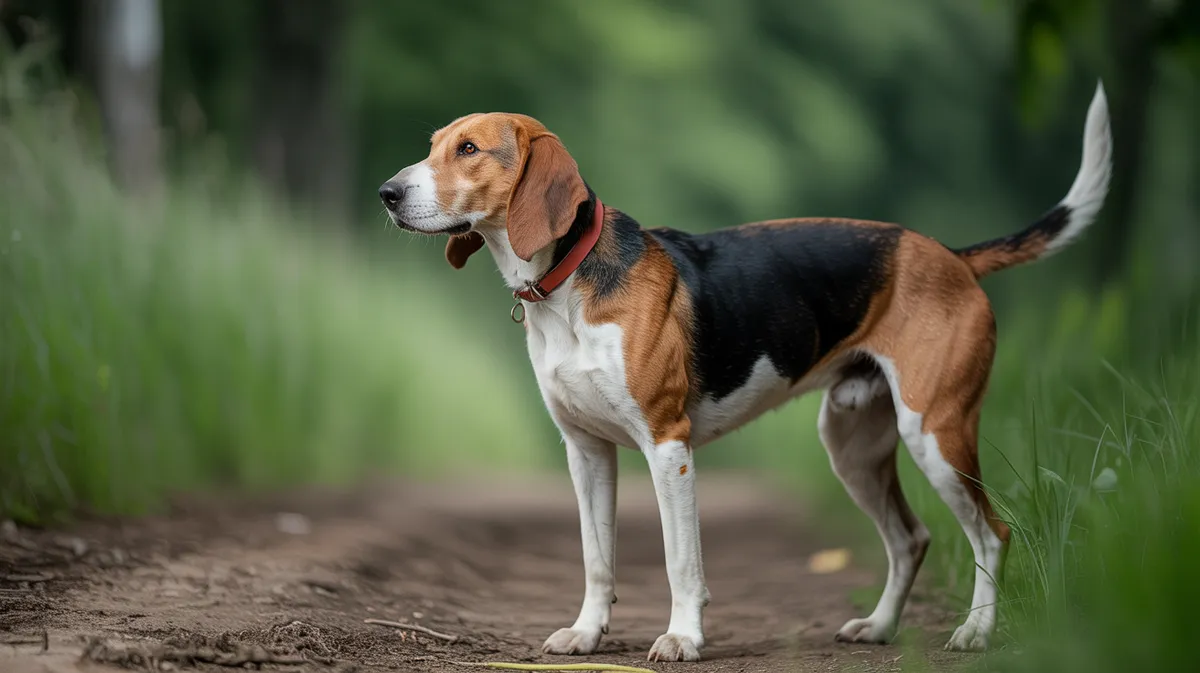
American Foxhound
Canis lupus familiaris
The American Foxhound is a lean, athletic breed of dog known for its exceptional speed, stamina, and keen sense of smell. Originally bred for fox hunting in colonial America, this breed is highly energetic and requires plenty of exercise to stay healthy and happy. Friendly and gentle, American Foxhounds are good-natured companions, though they can be independent and occasionally stubborn. Their melodious baying and strong hunting instincts make them stand out among scent hounds. While they are still used for hunting, they also make affectionate family pets.
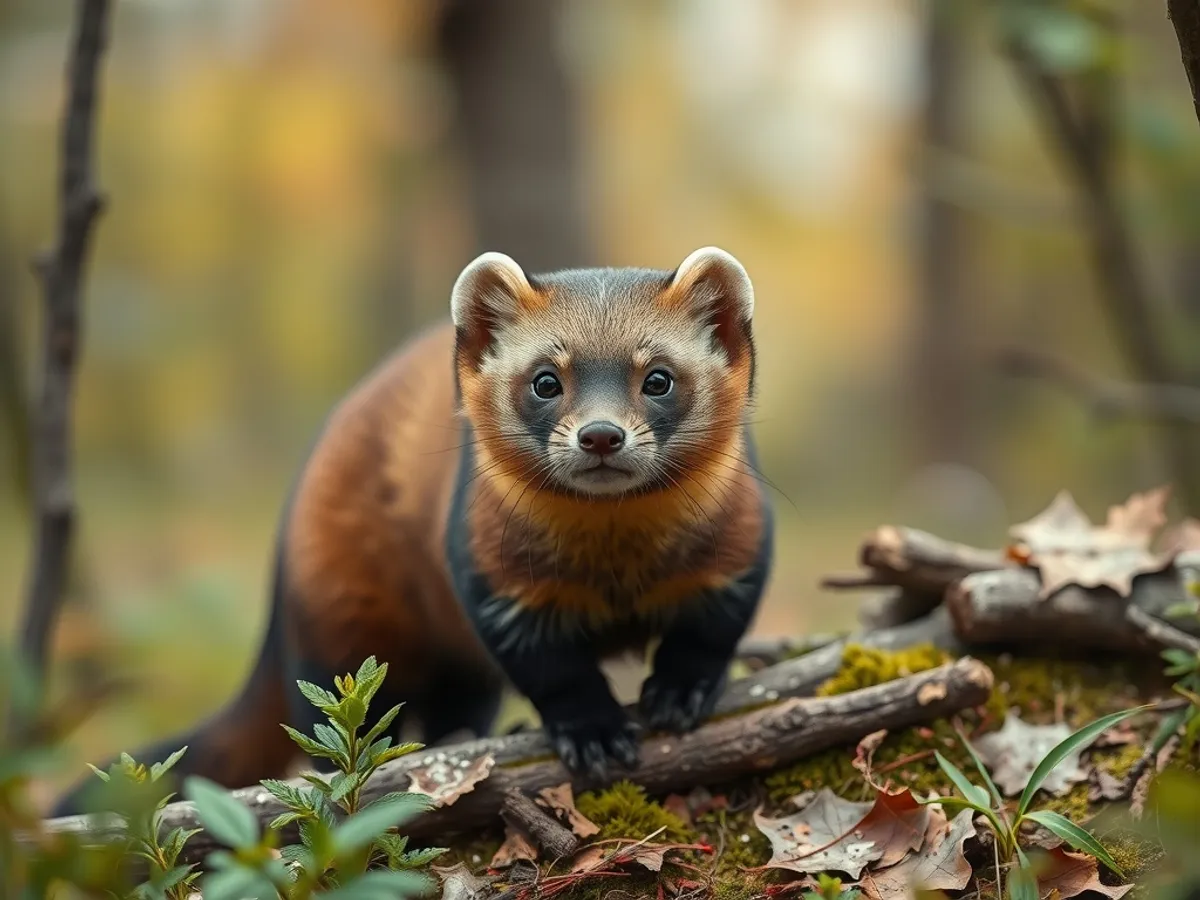
American Marten
Martes americana
The American Marten is a small, agile mammal native to the forests of North America. Characterized by its slender body, bushy tail, and silky brown fur, this elusive predator is well adapted for life among thick trees and snowy landscapes. Martens are solitary and primarily nocturnal, skillfully navigating the forest canopy in search of prey. They play an important role in their ecosystem by helping to control rodent populations and dispersing seeds from the fruits they eat.
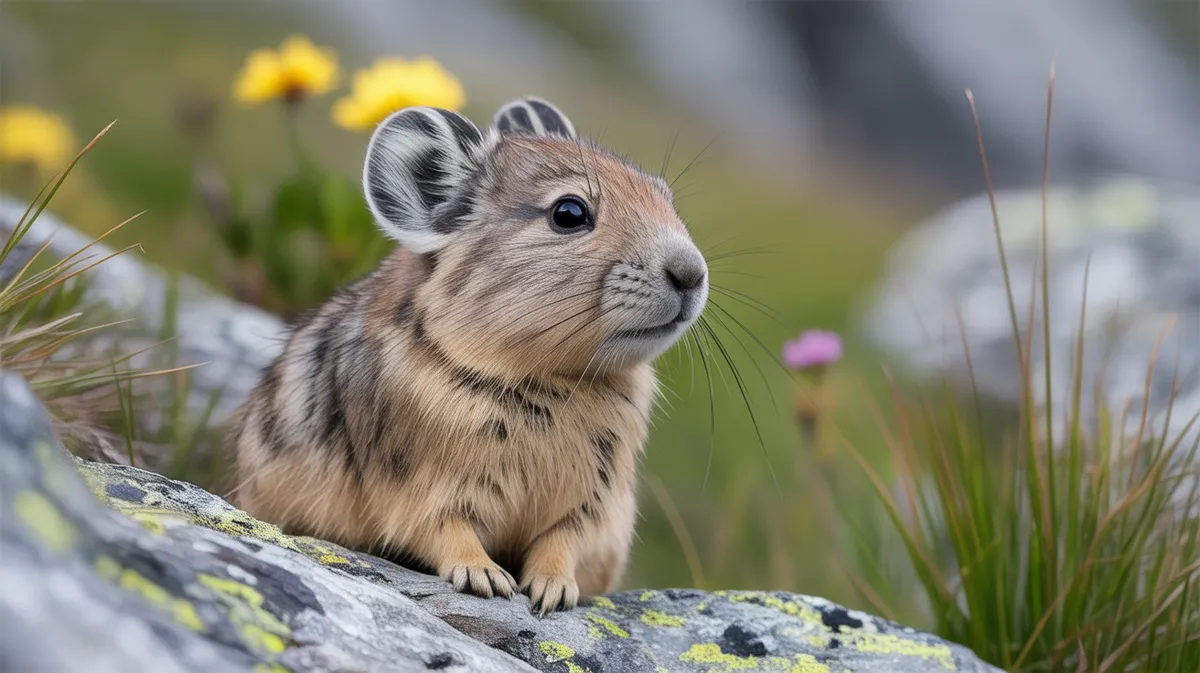
American Pika
Ochotona princeps
The pika is not a rodent — it is a lagomorph, a close relative of rabbits and hares, and it is one of the very few mammals that stays awake and active all winter in alpine talus without hibernating. It gets through by farming. Through summer it makes repeated dashes into the meadow, cutting vegetation and stacking it on rocks to cure in the sun, building a haypile that may contain dozens of plant species and can fill a wheelbarrow. The selection is not random: pikas deliberately include plants loaded with toxic phenolics, which act as preservatives and slow decay, and they eat those portions later in the winter once the toxins have degraded. Its constraint is heat, not cold. A pika's dense fur and high metabolism mean it can die after only a few hours' exposure at around 25.5 C, so it retreats into the cool interstices of the rock slope on hot days and cannot cross warm valleys — which is why populations in the Great Basin have been winking out at lower elevations as summers warm.
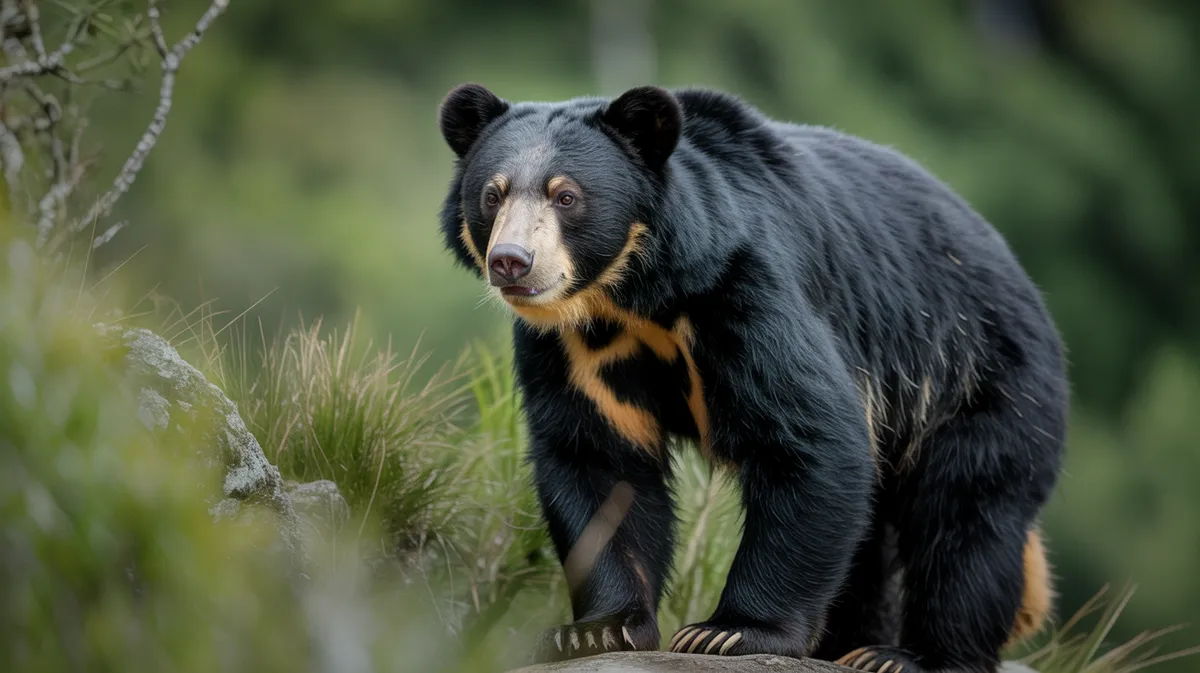
Andean Bear
Tremarctos ornatus
The Andean bear is South America's only bear, and it is the last survivor of the short-faced bears — the subfamily Tremarctinae, which also produced the enormous extinct Arctotherium and Arctodus. That ancestry shows in its face: a short, deep muzzle with powerful jaw muscles, but here it is used for crushing plant matter rather than bone. It is overwhelmingly a herbivore, working through bromeliads, palm hearts, orchid bulbs and unripe fruit — tough, fibrous material that requires exactly that bite. It is a superb climber and will build a platform of broken branches in a tree, part feeding stage, part daybed, and these platforms are often the easiest sign that a bear is present in cloud forest. Living in a climate with no hard winter, it does not hibernate, and females can give birth at almost any time of year. The pale markings around the eyes and muzzle are unique to each individual, which is what lets camera-trap researchers count them.
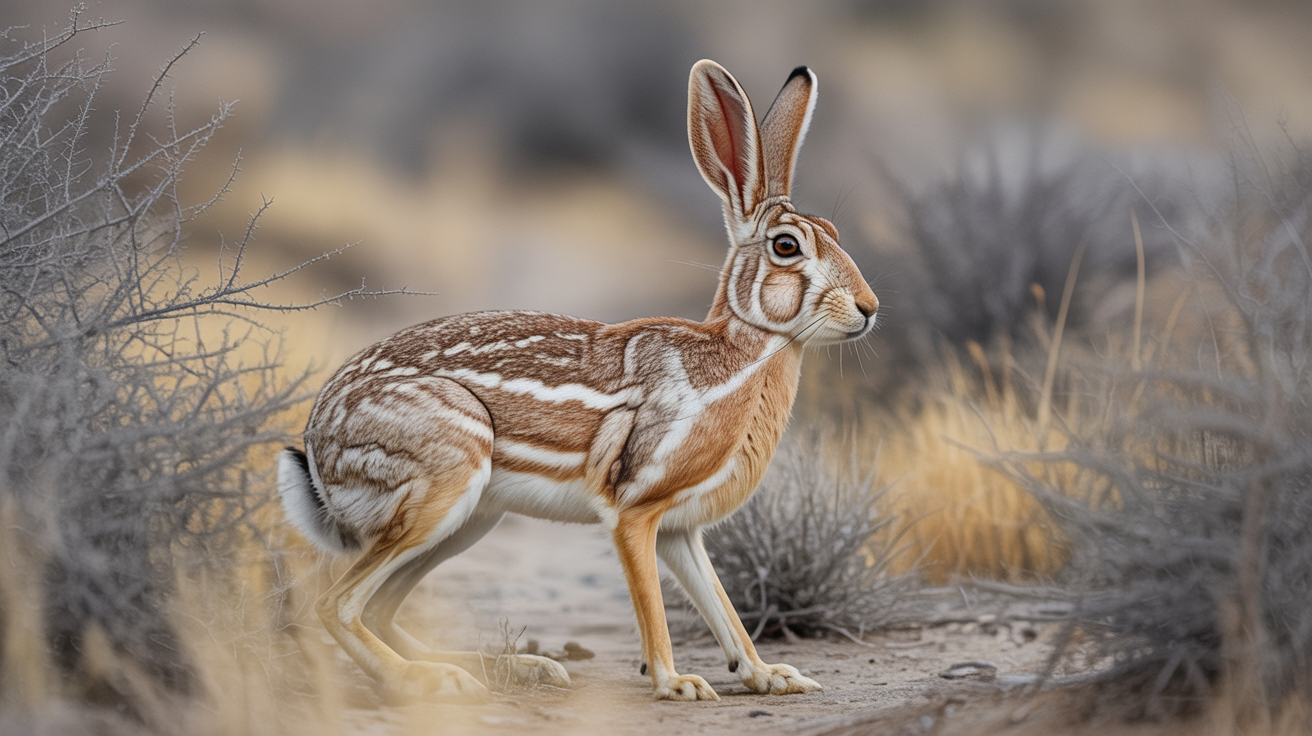
Antelope Jackrabbit
Lepus alleni
The antelope jackrabbit is a hare, not a rabbit, and the distinction is not pedantry: its young are born fully furred with their eyes open, able to run within hours, and there is no burrow anywhere in the story. It lives in the Sonoran Desert, where the problem is not finding food but shedding heat, and it solves that with the largest ears of any North American hare — up to 20 cm, thin, and richly vascularised. By dilating those vessels and holding the ears up into the shade or a breeze, it radiates heat straight into the air, which is a large part of why it can survive a desert summer without ever drinking; the rest of its water comes from cactus, mesquite and grasses. Its name comes from an evasion tactic: as it runs, it flashes a white patch on the flank facing the predator, and can shift the white from one side to the other as it changes direction, in the way a pronghorn flashes its rump. It bounds at over 45 km/h with long, high leaps that let it look back over the brush.